
By 10 Degrees Automotive | Corona and Surrounding Areas | 951.414.9423
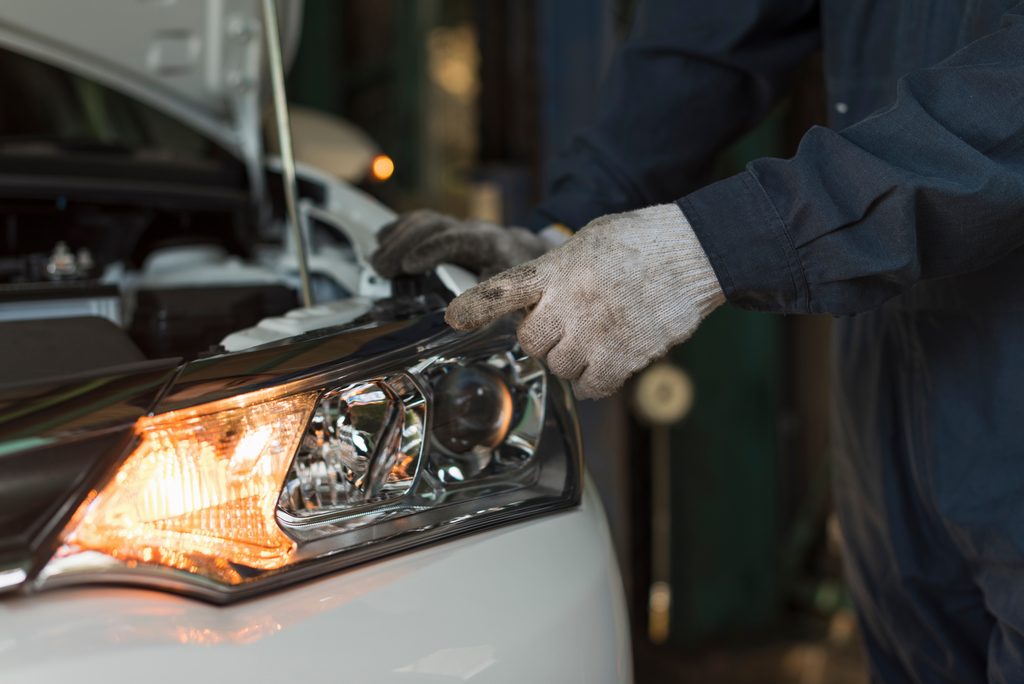
Driving at night requires clear visibility, and your headlights play a critical role in keeping you and other motorists safe. If you’ve noticed your headlights dimming while driving, flickering when you accelerate, or becoming noticeably weaker when your air conditioner or other electrical accessories are running, your vehicle may be experiencing an electrical or charging system problem. At 10 Degrees Automotive, we help drivers throughout Corona and surrounding areas identify the causes of dim headlights and restore dependable vehicle lighting. Whether the problem involves a failing alternator, weak battery, damaged wiring, or another electrical component, call 951.414.9423 to schedule professional automotive electrical diagnostics before a minor issue becomes a major inconvenience.
🚗 Why Are My Car’s Headlights Getting Dimmer?
Your vehicle’s headlights depend on a consistent electrical power supply to operate properly.
In most conventional gasoline-powered vehicles, the battery supplies electricity during starting, while the alternator generates electrical power once the engine is running.
The vehicle’s charging system helps maintain the electrical supply needed for headlights, dashboard instruments, engine controls, and accessories.
When electrical voltage becomes insufficient or unstable, some types of headlights may dim or flicker.
However, not every lighting problem originates from the alternator or battery.
Damaged wiring, corroded connections, aging bulbs, faulty switches, and modern lighting control systems can also contribute to poor headlight performance.
Understanding the possible causes is the first step toward choosing the correct repair.
⚡ 1. A Failing Alternator Is Affecting Electrical Power
One of the most common reasons for headlights dimming while driving is a problem with the vehicle’s alternator or charging system.
The alternator generates electrical energy while the engine operates.
If it cannot supply enough power to meet the vehicle’s electrical demands, voltage may drop and certain lighting systems may become noticeably dimmer.
Signs of Alternator-Related Headlight Problems
- Headlights dimming when the engine idles
- Lights changing brightness when accelerating
- Dashboard lights flickering
- Battery warning light illuminating
- Electrical accessories operating inconsistently
- Repeated dead battery problems
A failing alternator can eventually cause the battery to discharge while driving.
If the vehicle depends on that remaining battery power, it may stall once the available electrical energy becomes insufficient.
How Is the Alternator Tested?
Professional alternator testing may include measuring charging voltage, evaluating electrical output under load, inspecting the drive belt, and checking charging system connections.
Modern vehicles may use computer-controlled charging strategies, so voltage readings must be interpreted according to the manufacturer’s specifications.
Replacing the alternator without proper testing can result in unnecessary expenses if another component is responsible.
🔋 2. Your Car Battery Is Weak or Failing
Although the alternator provides most electrical power while a conventional engine is running, the battery also helps stabilize the vehicle’s electrical system.
A weak or deteriorating battery may contribute to voltage fluctuations, especially during changes in electrical demand.
Common Signs of a Weak Battery
- Slow engine cranking
- Clicking when attempting to start
- Frequent jump-starts
- Headlights appearing weak with the engine off
- Electrical accessories behaving unpredictably
- Difficulty starting after the vehicle sits overnight
However, a weak battery is not always the direct cause of headlights dimming while driving.
The charging system, electrical connections, and lighting circuits must also be evaluated.
A professional car battery test can help determine whether the battery is healthy, discharged, or nearing the end of its useful service life.
🔌 3. Loose or Corroded Battery Connections
Your vehicle relies on secure electrical connections to transfer power efficiently.
Battery terminals, grounding points, and charging system cables can become loose, corroded, or damaged over time.
These conditions may create excessive electrical resistance, interfering with power delivery.
Warning Signs of Connection Problems
- Intermittent headlight flickering
- Electrical accessories working inconsistently
- Difficulty starting the engine
- Visible corrosion around battery terminals
- Lights changing brightness when electrical loads change
Corrosion often appears as a white, blue, or greenish buildup around battery connections.
Loose or damaged grounding connections can also produce unusual electrical symptoms.
Why Electrical Grounds Matter
The vehicle’s electrical system depends on properly functioning ground connections to complete circuits.
When a ground connection becomes corroded or loose, current may not flow as intended.
This can cause headlight flickering, intermittent lighting failures, or other electrical malfunctions.
Professional electrical system diagnostics can identify excessive resistance through voltage drop testing and connection inspections.
🛞 4. A Worn or Slipping Serpentine Belt
On many conventional vehicles, the alternator is driven by a serpentine belt connected to the engine.
If that belt becomes worn, loose, contaminated, or damaged, it may slip and prevent the alternator from operating effectively.
Reduced alternator output can affect electrical system performance and contribute to dim headlights.
Symptoms of a Belt-Related Problem
- Squealing noises from the engine compartment
- Headlights dimming at certain engine speeds
- Battery charging warnings
- Visible belt cracking or fraying
- Intermittent charging problems
A failing belt tensioner or damaged pulley can create similar problems.
Depending on vehicle design, the serpentine belt may also drive other important accessories.
If the belt fails completely, the vehicle may lose charging capability and, on some engines, coolant circulation.
A damaged or slipping drive belt should be inspected promptly to help prevent additional mechanical and electrical problems.
💡 5. Aging or Worn-Out Headlight Bulbs
Sometimes the problem isn’t electrical power delivery at all.
Headlight bulbs can gradually lose brightness as they age.
Traditional halogen bulbs may become less effective over time, while HID and LED lighting systems can experience different types of component deterioration.
Signs Your Headlight Bulbs May Be Wearing Out
- One headlight is noticeably dimmer than the other.
- Light output has gradually decreased.
- The headlights appear discolored.
- A bulb works intermittently.
- One bulb has stopped working entirely.
If only one headlight is dim, the issue may involve that specific bulb, socket, wiring connection, or lighting module.
When both headlights dim simultaneously, a shared power supply or control problem becomes more likely.
Should Both Headlight Bulbs Be Replaced Together?
For many vehicles using replaceable halogen bulbs, replacing bulbs in pairs can help maintain consistent brightness and color.
However, modern LED headlight assemblies may require different repair procedures.
The appropriate solution depends on your vehicle’s lighting design.
🔧 6. Damaged Headlight Wiring or Connectors
Headlight wiring carries electrical power from the vehicle’s electrical system to the lighting components.
Over time, wiring and connectors can become damaged by:
- Heat exposure
- Moisture intrusion
- Road vibration
- Corrosion
- Previous improper repairs
- Physical damage
- Rodent activity
Damaged wiring may cause intermittent electrical contact, increased resistance, or complete circuit failure.
What Does a Wiring Problem Look Like?
You might notice headlights flickering when driving over bumps, one headlight operating intermittently, or lighting that changes unexpectedly.
In some cases, a damaged connector may show discoloration or signs of overheating.
A technician can inspect the circuit, test voltage and ground integrity, and locate wiring faults.
Repairing the affected connection or circuit may restore normal lighting without requiring expensive component replacement.
⚙️ 7. A Faulty Voltage Regulator
The voltage regulator helps control alternator output so the vehicle’s electrical system receives appropriate charging voltage.
In many vehicles, voltage regulation is integrated into the alternator or managed through electronic control systems.
When regulation fails, the electrical supply may become unstable.
Symptoms of Voltage Regulation Problems
- Headlights repeatedly becoming brighter and dimmer
- Battery charging warnings
- Electrical accessories behaving unpredictably
- Battery overcharging or undercharging
- Abnormal charging system voltage readings
Excessive voltage can potentially damage the battery and sensitive electronic components.
Insufficient voltage can cause electrical systems to malfunction or shut down.
Because modern charging systems vary, accurate testing is essential before concluding that the regulator is defective.
🌬️ 8. Electrical Demand From the AC, Heater, or Other Accessories
Have you noticed your headlights dim when the AC turns on or when you activate the rear defroster?
Electrical accessories increase demand on the vehicle’s charging system.
Common high-demand accessories include:
- Air conditioning blower motors
- Rear window defrosters
- Heated seats
- Electric cooling fans
- Audio amplifiers
- Windshield wipers
- Power steering systems on certain vehicles
A brief, slight change in brightness may occur in some vehicles as electrical loads change.
However, significant dimming, persistent flickering, or repeated voltage drops may indicate a charging system or connection problem.
A professional inspection can determine whether the behavior is normal for your vehicle or a symptom of an underlying issue.
🚦 9. Headlights Dim When Idling at a Stoplight
Drivers sometimes notice that their headlights become dimmer while waiting at a traffic signal.
When the engine idles, the alternator generally rotates more slowly than it does at higher engine speeds.
On some vehicles, electrical output at idle may be lower, particularly when multiple accessories are operating.
Modern charging systems are designed to manage these conditions, but problems can develop when components wear or electrical demand becomes excessive.
Potential causes include:
- Reduced alternator output
- Weak battery condition
- Poor electrical grounds
- Belt slippage
- Excessive accessory demand
- Charging system control issues
If your headlights become noticeably brighter every time you accelerate, the charging system should be evaluated.
Persistent headlight dimming at idle should not automatically be considered normal, especially when accompanied by other electrical symptoms.
🌙 10. Cloudy Headlight Lenses Are Reducing Visibility
Not every complaint about dim headlights involves the electrical system.
Many vehicles develop cloudy, yellowed, or oxidized headlight lenses after years of exposure to sunlight and environmental conditions.
The outer plastic lens can become hazy, reducing the amount and quality of light reaching the roadway.
Signs of Oxidized Headlight Lenses
- Yellow or cloudy headlight covers
- Poor nighttime visibility
- Reduced beam clarity
- Headlights that appear weak despite functioning bulbs
- Uneven or scattered light patterns
Professional headlight restoration may improve light transmission when surface oxidation is the primary problem.
However, severely damaged lenses or internal headlight deterioration may require replacement.
Proper headlight aim is also important for maximizing visibility without creating excessive glare for other drivers.
🔍 How Professional Headlight and Electrical Diagnostics Work
When headlights dim unexpectedly, accurate diagnosis helps identify whether the issue involves the lighting system itself or the vehicle’s electrical supply.
A comprehensive automotive electrical inspection may include several steps.
Step 1: Inspect the Battery
A technician evaluates battery condition, state of charge, and electrical connections.
Step 2: Test the Alternator
Charging voltage and current are checked under appropriate operating conditions.
Step 3: Evaluate Electrical Loads
The technician may operate accessories to determine how the charging system responds to increased demand.
Step 4: Inspect Wiring and Grounds
Electrical connections are checked for corrosion, looseness, and excessive resistance.
Step 5: Examine Headlight Components
Bulbs, sockets, connectors, lenses, and control modules are inspected as appropriate.
Step 6: Check the Drive Belt
The alternator belt, tensioner, and pulleys are evaluated for wear or malfunction.
Step 7: Identify the Root Cause
After testing, the technician can recommend repairs based on actual findings rather than assumptions.
Proper electrical diagnostics can prevent unnecessary battery, alternator, or headlight replacement.
💰 How Much Does It Cost to Fix Dim Headlights?
The cost of repairing dim car headlights depends on the cause.
Some problems may require relatively simple maintenance, while others involve more extensive electrical repairs.
| Potential Problem | Possible Repair |
|---|---|
| Worn headlight bulbs | Bulb replacement |
| Cloudy lenses | Headlight restoration or replacement |
| Corroded battery terminals | Connection cleaning or repair |
| Weak battery | Battery replacement if testing confirms failure |
| Failing alternator | Alternator repair or replacement |
| Damaged wiring | Electrical circuit repair |
| Worn serpentine belt | Belt or tensioner replacement |
| Faulty lighting module | Module diagnosis, repair, or replacement |
Repair costs vary based on vehicle make, model, parts availability, and labor requirements.
Modern LED and adaptive headlight systems may be more complex and expensive to service than traditional halogen lighting systems.
A professional inspection helps establish which repair is actually necessary.
⚠️ Is It Safe to Drive With Dimming Headlights?
Driving with significantly dim or flickering headlights can be dangerous, especially at night.
Reduced illumination limits your ability to see pedestrians, road hazards, curves, and other vehicles.
Headlight dimming can also signal a broader charging system problem.
If the alternator stops supplying sufficient electricity, the vehicle may eventually stall.
What Should You Do if Your Headlights Suddenly Dim?
- Stay alert and reduce speed as conditions allow.
- Avoid unnecessary electrical loads if doing so is safe.
- Watch for battery or charging system warning lights.
- Pull over in a safe location if visibility becomes inadequate.
- Arrange professional assistance if the problem is severe or persistent.
If your headlights become too dim to safely illuminate the road, do not continue driving at night.
Never ignore major electrical warning signs simply because the vehicle still starts and runs.
🛡️ How to Prevent Headlight and Charging System Problems
Routine maintenance can help protect your vehicle’s electrical system and reduce the likelihood of unexpected lighting failures.
🔋 Test Your Battery Periodically
Battery condition can deteriorate gradually.
Testing becomes particularly useful when starting performance changes or the battery approaches the end of its expected service life.
⚡ Inspect the Charging System
If you notice flickering lights, repeated battery discharge, or charging warnings, have the alternator and related components evaluated.
🔌 Keep Electrical Connections in Good Condition
Corroded terminals and loose grounds can interfere with electrical performance.
Address connection problems before they affect multiple systems.
💡 Maintain Your Headlights
Inspect headlight bulbs, lenses, and lighting operation regularly.
Replace failed bulbs promptly and address severely oxidized lenses.
🔧 Follow Recommended Belt Maintenance
A worn serpentine belt can affect alternator performance and other engine accessories.
Follow manufacturer maintenance recommendations and investigate unusual belt noises.
📍 Headlight and Electrical System Repair in Corona and Surrounding Areas
Drivers throughout Corona, Norco, Eastvale, Riverside, and surrounding communities rely on dependable vehicle lighting for early morning commutes, evening travel, and nighttime freeway driving.
Whether you’re navigating busy city streets or traveling along Interstate 15 or the 91 Freeway, properly functioning headlights are essential for safe visibility.
A headlight problem may be caused by something as straightforward as an aging bulb or as complex as an intermittent charging system failure.
Professional car electrical diagnostics can help distinguish between these possibilities.
If your headlights dim while idling, flicker while driving, or change brightness when accessories are operating, having the system inspected can help prevent more serious problems.
❓ Frequently Asked Questions About Dimming Headlights
Why do my headlights dim when I accelerate?
Changes in headlight brightness during acceleration may indicate charging system voltage fluctuations, belt-related problems, or electrical connection issues. Testing is needed to determine whether the behavior is normal or abnormal.
Can a bad battery cause headlights to dim while driving?
Yes, a weak battery can contribute to electrical instability. However, because the alternator generally supplies electrical power while a conventional engine runs, the charging system should also be tested.
Why do my headlights flicker when I turn on the air conditioner?
The air conditioning system can increase electrical demand through blower motors, cooling fans, and other components. Significant flickering may indicate a charging system or wiring problem.
Does dimming headlights always mean the alternator is bad?
No. Battery problems, poor grounds, damaged wiring, aging bulbs, and lighting control faults can produce similar symptoms.
Can I fix dim headlights by replacing the bulbs?
If the bulbs are worn or deteriorating, replacement may improve brightness. However, new bulbs won’t correct an underlying electrical supply problem.
Why is one headlight dimmer than the other?
A single dim headlight may indicate a deteriorating bulb, damaged connector, poor ground, faulty driver module, or lens-related problem.
Can dim headlights cause my car to stall?
Dim headlights themselves don’t cause an engine to stall. However, if the dimming results from a failing charging system, the vehicle may eventually lose enough electrical power to stop running.
📞 Restore Bright, Reliable Headlights and Drive With Confidence
Your headlights are essential for safe driving, and unexpected dimming should never be overlooked. Whether the cause is a failing alternator, weak battery, corroded electrical connection, worn headlight bulb, or another automotive electrical problem, identifying the source early can help prevent inconvenient breakdowns and costly repairs. At 10 Degrees Automotive, we help drivers throughout Corona and surrounding areas diagnose dimming headlights and address vehicle charging and lighting system concerns. Call 951.414.9423 today to schedule a professional electrical system inspection and keep your vehicle’s headlights shining brightly when you need them most.
Leave a Reply