
Tag: failing alternator symptoms

  • πŸ’‘ Why Do My Headlights Dim While Driving?

    By 10 Degrees Automotive | Corona and Surrounding Areas | 951.414.9423
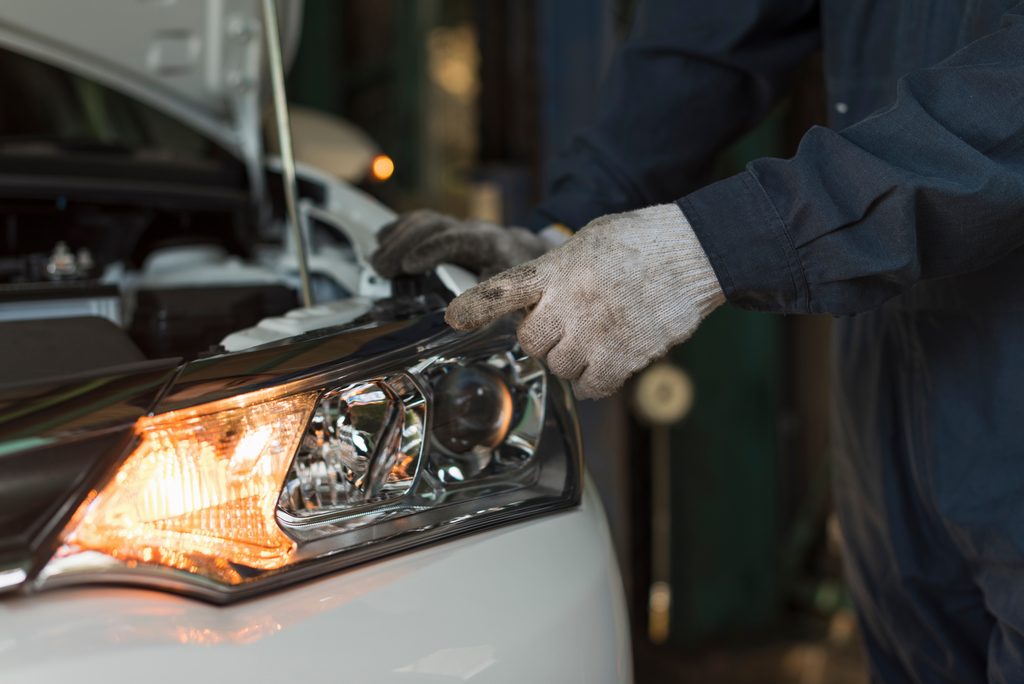
    Why Do My Headlights Dim While Driving?

    Driving at night requires clear visibility, and your headlights play a critical role in keeping you and other motorists safe. If you’ve noticed your headlights dimming while driving, flickering when you accelerate, or becoming noticeably weaker when your air conditioner or other electrical accessories are running, your vehicle may be experiencing an electrical or charging system problem. At 10 Degrees Automotive, we help drivers throughout Corona and surrounding areas identify the causes of dim headlights and restore dependable vehicle lighting. Whether the problem involves a failing alternator, weak battery, damaged wiring, or another electrical component, call 951.414.9423 to schedule professional automotive electrical diagnostics before a minor issue becomes a major inconvenience.

    πŸš— Why Are My Car’s Headlights Getting Dimmer?

    Your vehicle’s headlights depend on a consistent electrical power supply to operate properly.

    In most conventional gasoline-powered vehicles, the battery supplies electricity during starting, while the alternator generates electrical power once the engine is running.

    The vehicle’s charging system helps maintain the electrical supply needed for headlights, dashboard instruments, engine controls, and accessories.

    When electrical voltage becomes insufficient or unstable, some types of headlights may dim or flicker.

    However, not every lighting problem originates from the alternator or battery.

    Damaged wiring, corroded connections, aging bulbs, faulty switches, and modern lighting control systems can also contribute to poor headlight performance.

    Understanding the possible causes is the first step toward choosing the correct repair.

    ⚑ 1. A Failing Alternator Is Affecting Electrical Power

    One of the most common reasons for headlights dimming while driving is a problem with the vehicle’s alternator or charging system.

    The alternator generates electrical energy while the engine operates.

    If it cannot supply enough power to meet the vehicle’s electrical demands, voltage may drop and certain lighting systems may become noticeably dimmer.

    Signs of Alternator-Related Headlight Problems

    • Headlights dimming when the engine idles
    • Lights changing brightness when accelerating
    • Dashboard lights flickering
    • Battery warning light illuminating
    • Electrical accessories operating inconsistently
    • Repeated dead battery problems

    A failing alternator can eventually cause the battery to discharge while driving.

    If the vehicle depends on that remaining battery power, it may stall once the available electrical energy becomes insufficient.

    How Is the Alternator Tested?

    Professional alternator testing may include measuring charging voltage, evaluating electrical output under load, inspecting the drive belt, and checking charging system connections.

    Modern vehicles may use computer-controlled charging strategies, so voltage readings must be interpreted according to the manufacturer’s specifications.

    Replacing the alternator without proper testing can result in unnecessary expenses if another component is responsible.

    πŸ”‹ 2. Your Car Battery Is Weak or Failing

    Although the alternator provides most electrical power while a conventional engine is running, the battery also helps stabilize the vehicle’s electrical system.

    A weak or deteriorating battery may contribute to voltage fluctuations, especially during changes in electrical demand.

    Common Signs of a Weak Battery

    • Slow engine cranking
    • Clicking when attempting to start
    • Frequent jump-starts
    • Headlights appearing weak with the engine off
    • Electrical accessories behaving unpredictably
    • Difficulty starting after the vehicle sits overnight

    However, a weak battery is not always the direct cause of headlights dimming while driving.

    The charging system, electrical connections, and lighting circuits must also be evaluated.

    A professional car battery test can help determine whether the battery is healthy, discharged, or nearing the end of its useful service life.

    πŸ”Œ 3. Loose or Corroded Battery Connections

    Your vehicle relies on secure electrical connections to transfer power efficiently.

    Battery terminals, grounding points, and charging system cables can become loose, corroded, or damaged over time.

    These conditions may create excessive electrical resistance, interfering with power delivery.

    Warning Signs of Connection Problems

    • Intermittent headlight flickering
    • Electrical accessories working inconsistently
    • Difficulty starting the engine
    • Visible corrosion around battery terminals
    • Lights changing brightness when electrical loads change

    Corrosion often appears as a white, blue, or greenish buildup around battery connections.

    Loose or damaged grounding connections can also produce unusual electrical symptoms.

    Why Electrical Grounds Matter

    The vehicle’s electrical system depends on properly functioning ground connections to complete circuits.

    When a ground connection becomes corroded or loose, current may not flow as intended.

    This can cause headlight flickering, intermittent lighting failures, or other electrical malfunctions.

    Professional electrical system diagnostics can identify excessive resistance through voltage drop testing and connection inspections.

    πŸ›ž 4. A Worn or Slipping Serpentine Belt

    On many conventional vehicles, the alternator is driven by a serpentine belt connected to the engine.

    If that belt becomes worn, loose, contaminated, or damaged, it may slip and prevent the alternator from operating effectively.

    Reduced alternator output can affect electrical system performance and contribute to dim headlights.

    Symptoms of a Belt-Related Problem

    • Squealing noises from the engine compartment
    • Headlights dimming at certain engine speeds
    • Battery charging warnings
    • Visible belt cracking or fraying
    • Intermittent charging problems

    A failing belt tensioner or damaged pulley can create similar problems.

    Depending on vehicle design, the serpentine belt may also drive other important accessories.

    If the belt fails completely, the vehicle may lose charging capability and, on some engines, coolant circulation.

    A damaged or slipping drive belt should be inspected promptly to help prevent additional mechanical and electrical problems.

    πŸ’‘ 5. Aging or Worn-Out Headlight Bulbs

    Sometimes the problem isn’t electrical power delivery at all.

    Headlight bulbs can gradually lose brightness as they age.

    Traditional halogen bulbs may become less effective over time, while HID and LED lighting systems can experience different types of component deterioration.

    Signs Your Headlight Bulbs May Be Wearing Out

    • One headlight is noticeably dimmer than the other.
    • Light output has gradually decreased.
    • The headlights appear discolored.
    • A bulb works intermittently.
    • One bulb has stopped working entirely.

    If only one headlight is dim, the issue may involve that specific bulb, socket, wiring connection, or lighting module.

    When both headlights dim simultaneously, a shared power supply or control problem becomes more likely.

    Should Both Headlight Bulbs Be Replaced Together?

    For many vehicles using replaceable halogen bulbs, replacing bulbs in pairs can help maintain consistent brightness and color.

    However, modern LED headlight assemblies may require different repair procedures.

    The appropriate solution depends on your vehicle’s lighting design.

    πŸ”§ 6. Damaged Headlight Wiring or Connectors

    Headlight wiring carries electrical power from the vehicle’s electrical system to the lighting components.

    Over time, wiring and connectors can become damaged by:

    • Heat exposure
    • Moisture intrusion
    • Road vibration
    • Corrosion
    • Previous improper repairs
    • Physical damage
    • Rodent activity

    Damaged wiring may cause intermittent electrical contact, increased resistance, or complete circuit failure.

    What Does a Wiring Problem Look Like?

    You might notice headlights flickering when driving over bumps, one headlight operating intermittently, or lighting that changes unexpectedly.

    In some cases, a damaged connector may show discoloration or signs of overheating.

    A technician can inspect the circuit, test voltage and ground integrity, and locate wiring faults.

    Repairing the affected connection or circuit may restore normal lighting without requiring expensive component replacement.

    βš™οΈ 7. A Faulty Voltage Regulator

    The voltage regulator helps control alternator output so the vehicle’s electrical system receives appropriate charging voltage.

    In many vehicles, voltage regulation is integrated into the alternator or managed through electronic control systems.

    When regulation fails, the electrical supply may become unstable.

    Symptoms of Voltage Regulation Problems

    • Headlights repeatedly becoming brighter and dimmer
    • Battery charging warnings
    • Electrical accessories behaving unpredictably
    • Battery overcharging or undercharging
    • Abnormal charging system voltage readings

    Excessive voltage can potentially damage the battery and sensitive electronic components.

    Insufficient voltage can cause electrical systems to malfunction or shut down.

    Because modern charging systems vary, accurate testing is essential before concluding that the regulator is defective.

    🌬️ 8. Electrical Demand From the AC, Heater, or Other Accessories

    Have you noticed your headlights dim when the AC turns on or when you activate the rear defroster?

    Electrical accessories increase demand on the vehicle’s charging system.

    Common high-demand accessories include:

    • Air conditioning blower motors
    • Rear window defrosters
    • Heated seats
    • Electric cooling fans
    • Audio amplifiers
    • Windshield wipers
    • Power steering systems on certain vehicles

    A brief, slight change in brightness may occur in some vehicles as electrical loads change.

    However, significant dimming, persistent flickering, or repeated voltage drops may indicate a charging system or connection problem.

    A professional inspection can determine whether the behavior is normal for your vehicle or a symptom of an underlying issue.

    🚦 9. Headlights Dim When Idling at a Stoplight

    Drivers sometimes notice that their headlights become dimmer while waiting at a traffic signal.

    When the engine idles, the alternator generally rotates more slowly than it does at higher engine speeds.

    On some vehicles, electrical output at idle may be lower, particularly when multiple accessories are operating.

    Modern charging systems are designed to manage these conditions, but problems can develop when components wear or electrical demand becomes excessive.

    Potential causes include:

    • Reduced alternator output
    • Weak battery condition
    • Poor electrical grounds
    • Belt slippage
    • Excessive accessory demand
    • Charging system control issues

    If your headlights become noticeably brighter every time you accelerate, the charging system should be evaluated.

    Persistent headlight dimming at idle should not automatically be considered normal, especially when accompanied by other electrical symptoms.

    πŸŒ™ 10. Cloudy Headlight Lenses Are Reducing Visibility

    Not every complaint about dim headlights involves the electrical system.

    Many vehicles develop cloudy, yellowed, or oxidized headlight lenses after years of exposure to sunlight and environmental conditions.

    The outer plastic lens can become hazy, reducing the amount and quality of light reaching the roadway.

    Signs of Oxidized Headlight Lenses

    • Yellow or cloudy headlight covers
    • Poor nighttime visibility
    • Reduced beam clarity
    • Headlights that appear weak despite functioning bulbs
    • Uneven or scattered light patterns

    Professional headlight restoration may improve light transmission when surface oxidation is the primary problem.

    However, severely damaged lenses or internal headlight deterioration may require replacement.

    Proper headlight aim is also important for maximizing visibility without creating excessive glare for other drivers.

    πŸ” How Professional Headlight and Electrical Diagnostics Work

    When headlights dim unexpectedly, accurate diagnosis helps identify whether the issue involves the lighting system itself or the vehicle’s electrical supply.

    A comprehensive automotive electrical inspection may include several steps.

    Step 1: Inspect the Battery

    A technician evaluates battery condition, state of charge, and electrical connections.

    Step 2: Test the Alternator

    Charging voltage and current are checked under appropriate operating conditions.

    Step 3: Evaluate Electrical Loads

    The technician may operate accessories to determine how the charging system responds to increased demand.

    Step 4: Inspect Wiring and Grounds

    Electrical connections are checked for corrosion, looseness, and excessive resistance.

    Step 5: Examine Headlight Components

    Bulbs, sockets, connectors, lenses, and control modules are inspected as appropriate.

    Step 6: Check the Drive Belt

    The alternator belt, tensioner, and pulleys are evaluated for wear or malfunction.

    Step 7: Identify the Root Cause

    After testing, the technician can recommend repairs based on actual findings rather than assumptions.

    Proper electrical diagnostics can prevent unnecessary battery, alternator, or headlight replacement.

    πŸ’° How Much Does It Cost to Fix Dim Headlights?

    The cost of repairing dim car headlights depends on the cause.

    Some problems may require relatively simple maintenance, while others involve more extensive electrical repairs.

    Potential ProblemPossible Repair
    Worn headlight bulbsBulb replacement
    Cloudy lensesHeadlight restoration or replacement
    Corroded battery terminalsConnection cleaning or repair
    Weak batteryBattery replacement if testing confirms failure
    Failing alternatorAlternator repair or replacement
    Damaged wiringElectrical circuit repair
    Worn serpentine beltBelt or tensioner replacement
    Faulty lighting moduleModule diagnosis, repair, or replacement

    Repair costs vary based on vehicle make, model, parts availability, and labor requirements.

    Modern LED and adaptive headlight systems may be more complex and expensive to service than traditional halogen lighting systems.

    A professional inspection helps establish which repair is actually necessary.

    ⚠️ Is It Safe to Drive With Dimming Headlights?

    Driving with significantly dim or flickering headlights can be dangerous, especially at night.

    Reduced illumination limits your ability to see pedestrians, road hazards, curves, and other vehicles.

    Headlight dimming can also signal a broader charging system problem.

    If the alternator stops supplying sufficient electricity, the vehicle may eventually stall.

    What Should You Do if Your Headlights Suddenly Dim?

    1. Stay alert and reduce speed as conditions allow.
    2. Avoid unnecessary electrical loads if doing so is safe.
    3. Watch for battery or charging system warning lights.
    4. Pull over in a safe location if visibility becomes inadequate.
    5. Arrange professional assistance if the problem is severe or persistent.

    If your headlights become too dim to safely illuminate the road, do not continue driving at night.

    Never ignore major electrical warning signs simply because the vehicle still starts and runs.

    πŸ›‘οΈ How to Prevent Headlight and Charging System Problems

    Routine maintenance can help protect your vehicle’s electrical system and reduce the likelihood of unexpected lighting failures.

    πŸ”‹ Test Your Battery Periodically

    Battery condition can deteriorate gradually.

    Testing becomes particularly useful when starting performance changes or the battery approaches the end of its expected service life.

    ⚑ Inspect the Charging System

    If you notice flickering lights, repeated battery discharge, or charging warnings, have the alternator and related components evaluated.

    πŸ”Œ Keep Electrical Connections in Good Condition

    Corroded terminals and loose grounds can interfere with electrical performance.

    Address connection problems before they affect multiple systems.

    πŸ’‘ Maintain Your Headlights

    Inspect headlight bulbs, lenses, and lighting operation regularly.

    Replace failed bulbs promptly and address severely oxidized lenses.

    πŸ”§ Follow Recommended Belt Maintenance

    A worn serpentine belt can affect alternator performance and other engine accessories.

    Follow manufacturer maintenance recommendations and investigate unusual belt noises.

    πŸ“ Headlight and Electrical System Repair in Corona and Surrounding Areas

    Drivers throughout Corona, Norco, Eastvale, Riverside, and surrounding communities rely on dependable vehicle lighting for early morning commutes, evening travel, and nighttime freeway driving.

    Whether you’re navigating busy city streets or traveling along Interstate 15 or the 91 Freeway, properly functioning headlights are essential for safe visibility.

    A headlight problem may be caused by something as straightforward as an aging bulb or as complex as an intermittent charging system failure.

    Professional car electrical diagnostics can help distinguish between these possibilities.

    If your headlights dim while idling, flicker while driving, or change brightness when accessories are operating, having the system inspected can help prevent more serious problems.

    ❓ Frequently Asked Questions About Dimming Headlights

    Why do my headlights dim when I accelerate?

    Changes in headlight brightness during acceleration may indicate charging system voltage fluctuations, belt-related problems, or electrical connection issues. Testing is needed to determine whether the behavior is normal or abnormal.

    Can a bad battery cause headlights to dim while driving?

    Yes, a weak battery can contribute to electrical instability. However, because the alternator generally supplies electrical power while a conventional engine runs, the charging system should also be tested.

    Why do my headlights flicker when I turn on the air conditioner?

    The air conditioning system can increase electrical demand through blower motors, cooling fans, and other components. Significant flickering may indicate a charging system or wiring problem.

    Does dimming headlights always mean the alternator is bad?

    No. Battery problems, poor grounds, damaged wiring, aging bulbs, and lighting control faults can produce similar symptoms.

    Can I fix dim headlights by replacing the bulbs?

    If the bulbs are worn or deteriorating, replacement may improve brightness. However, new bulbs won’t correct an underlying electrical supply problem.

    Why is one headlight dimmer than the other?

    A single dim headlight may indicate a deteriorating bulb, damaged connector, poor ground, faulty driver module, or lens-related problem.

    Can dim headlights cause my car to stall?

    Dim headlights themselves don’t cause an engine to stall. However, if the dimming results from a failing charging system, the vehicle may eventually lose enough electrical power to stop running.

    πŸ“ž Restore Bright, Reliable Headlights and Drive With Confidence

    Your headlights are essential for safe driving, and unexpected dimming should never be overlooked. Whether the cause is a failing alternator, weak battery, corroded electrical connection, worn headlight bulb, or another automotive electrical problem, identifying the source early can help prevent inconvenient breakdowns and costly repairs. At 10 Degrees Automotive, we help drivers throughout Corona and surrounding areas diagnose dimming headlights and address vehicle charging and lighting system concerns. Call 951.414.9423 today to schedule a professional electrical system inspection and keep your vehicle’s headlights shining brightly when you need them most.

  • ⚑ What Does an Alternator Do, and How Do You Know It’s Failing?

    By 10 Degrees Automotive | Corona and Surrounding Areas | 951.414.9423

    What Does an Alternator Do, and How Do You Know It’s Failing?

    Your vehicle relies on a dependable electrical system to start, run, and power everything from your headlights to your dashboard electronics. One of the most important components of that system is the alternator. When an alternator begins to fail, you may notice dimming headlights, electrical malfunctions, a warning light on your dashboard, or even a vehicle that suddenly stalls. At 10 Degrees Automotive, we help drivers throughout Corona and surrounding areas identify alternator problems before they leave them stranded. If you’re experiencing signs of a failing alternator, call 951.414.9423 to schedule professional alternator testing and determine whether your vehicle needs an alternator repair or replacement.

    πŸ”‹ What Does an Alternator Actually Do?

    The alternator is a critical component of your vehicle’s charging system. Its primary job is to generate electrical power while your engine is running.

    Most conventional gasoline-powered vehicles use a belt-driven alternator that converts mechanical energy from the engine into electrical energy.

    This electricity powers essential vehicle systems while helping maintain the battery’s charge.

    Your alternator supports electrical components such as:

    • Headlights and exterior lighting
    • Dashboard instruments
    • Engine control modules
    • Fuel injection systems
    • Ignition components
    • Climate control systems
    • Audio and infotainment equipment
    • Power windows and accessories
    • Battery charging

    Without a properly functioning alternator, your vehicle must rely on the energy stored in its battery.

    Once that stored energy becomes insufficient, important electrical systems can stop operating, potentially causing the engine to stall.

    Although hybrid and electric vehicles may use different charging arrangements, conventional vehicles depend heavily on the alternator for reliable electrical operation.

    βš™οΈ How Does a Car Alternator Work?

    Understanding how an alternator operates can help explain why its failure creates so many different symptoms.

    When your engine runs, a drive belt typically turns the alternator’s pulley.

    Inside the alternator, a rotating magnetic field induces alternating electrical current in stationary windings.

    A rectifier converts that alternating current into direct current that the vehicle’s electrical system can use.

    A voltage regulator helps control the alternator’s output to maintain appropriate charging conditions.

    The process generally involves four steps:

    1. Engine rotation: The engine turns the alternator pulley through a drive belt.
    2. Electricity generation: Internal magnetic and electrical components generate alternating current.
    3. Current conversion: The rectifier converts alternating current into direct current.
    4. Voltage regulation: The charging system adjusts electrical output to meet vehicle demands.

    Modern vehicles may also use computer-controlled charging systems that adjust alternator operation according to battery condition, driving demands, and other factors.

    When any critical part of this process malfunctions, the vehicle may experience charging system problems.

    🚨 1. The Battery Warning Light Comes On

    One of the most recognizable signs of a bad alternator is an illuminated battery-shaped warning light on the dashboard.

    Many drivers assume this light always means the battery itself is defective.

    However, the warning light often indicates a problem with the vehicle’s charging system.

    Possible causes include:

    • A failing alternator
    • Loose or damaged electrical connections
    • A worn or broken drive belt
    • Charging system wiring problems
    • Voltage regulation issues
    • Battery-related faults

    The light may illuminate continuously or appear intermittently.

    Important: If your battery warning light comes on while driving, your vehicle may be operating primarily on stored battery power. Have the problem evaluated promptly to reduce the risk of an unexpected breakdown.

    πŸ’‘ 2. Your Headlights Become Dim or Flicker

    Another common symptom of alternator failure is inconsistent headlight brightness.

    Because the alternator supplies electricity while the engine runs, inadequate or unstable output can affect lighting performance.

    You might notice:

    • Headlights dimming at idle
    • Lights flickering unexpectedly
    • Dashboard lights becoming unusually faint
    • Interior lighting changing brightness
    • Lights becoming brighter when engine speed increases

    These symptoms may become more noticeable when several electrical accessories are operating simultaneously.

    For example, using your headlights, air conditioner, and rear defroster can increase the demand on the charging system.

    A healthy system should manage normal electrical loads within its designed operating range.

    If your lights frequently dim or flicker, professional alternator diagnostics can help identify the cause.

    πŸš— 3. Your Car Has Trouble Starting

    A weak or failing alternator can eventually create starting problems.

    Although the battery supplies the high electrical current needed to start most conventional vehicles, the alternator replenishes battery energy while the engine operates.

    If the alternator isn’t charging properly, the battery may gradually lose its charge.

    You may experience:

    • Slow engine cranking
    • Repeated clicking when turning the key
    • Intermittent no-start conditions
    • A vehicle that needs frequent jump-starts
    • A battery that repeatedly becomes discharged

    However, hard starting doesn’t automatically mean the alternator is bad.

    A worn battery, corroded terminals, faulty starter, or electrical drain can produce similar symptoms.

    Testing the battery, starter, and charging system together is the most reliable way to determine the actual problem.

    πŸ”Š 4. You Hear Unusual Noises From the Engine

    A failing alternator may produce abnormal mechanical noises.

    Internal bearings, pulleys, and other moving components can wear over time.

    Common warning sounds include:

    Grinding: May indicate worn or damaged alternator bearings.

    Whining: Can result from certain alternator or belt-drive problems.

    Squealing: May indicate belt slippage, improper tension, or pulley-related issues.

    Rattling: Could be associated with a damaged pulley or other loose components.

    Not every noise near the alternator originates from the alternator itself.

    Belt tensioners, idler pulleys, and other engine accessories can create similar sounds.

    A professional inspection can help identify the source before unnecessary parts are replaced.

    πŸ”Œ 5. Electrical Accessories Start Malfunctioning

    Your alternator provides electrical power to numerous systems throughout the vehicle.

    When charging voltage becomes insufficient or unstable, electronic accessories may behave unpredictably.

    Potential symptoms include:

    • Power windows operating slowly
    • Radio or infotainment systems restarting
    • Dashboard displays flickering
    • Climate control blower performance changing
    • Heated seats functioning inconsistently
    • Electronic accessories temporarily shutting off

    Modern vehicles rely on sensitive electronic control modules, making stable electrical power especially important.

    However, electrical malfunctions can also result from wiring faults, poor grounds, or failing electronic components.

    Accurate vehicle electrical system diagnostics can help distinguish an alternator problem from other electrical failures.

    ⚠️ 6. Your Engine Stalls While Driving

    One of the more serious consequences of alternator failure is an unexpected engine stall.

    Many modern gasoline engines require continuous electrical power for fuel injection, ignition, sensors, and computer controls.

    If the alternator stops charging, the battery temporarily supplies the needed electricity.

    Eventually, battery voltage may fall below the level required for reliable engine operation.

    At that point, the vehicle may stall and refuse to restart.

    This situation can be particularly dangerous on busy roads and freeways.

    If you notice charging system warnings, severe electrical problems, or repeated stalling, arrange for professional assistance rather than continuing to drive.

    πŸ‘ƒ 7. You Notice a Burning Rubber or Electrical Smell

    An unusual burning smell under the hood can sometimes indicate a charging system problem.

    Potential causes include:

    • An overheated alternator
    • A slipping or damaged drive belt
    • Overheated electrical connections
    • Damaged wiring insulation
    • Internal alternator electrical faults

    A burning rubber smell may suggest friction or belt slippage.

    A hot electrical odor could indicate overheated wiring or components.

    Because these symptoms may present a fire risk, they should never be ignored.

    If you notice smoke or a strong burning smell, stop driving as soon as it is safe and have the vehicle inspected.

    πŸ”‹ Alternator vs. Battery: How Can You Tell Which One Is Bad?

    One of the most common questions drivers ask is whether their vehicle needs a new battery or alternator.

    The two components work together, but they perform different functions.

    ComponentPrimary Function
    BatteryStores electrical energy and supplies power for starting
    AlternatorGenerates electrical power while the engine runs and maintains battery charge
    StarterUses electrical energy to crank the engine

    Signs That May Point Toward a Weak Battery

    • Slow cranking after the vehicle sits overnight
    • Difficulty starting in extreme temperatures
    • A battery that fails a professional load or conductance test
    • Reduced battery capacity due to age or deterioration

    Signs That May Point Toward a Failing Alternator

    • Battery warning light while driving
    • Electrical accessories malfunctioning with the engine running
    • Battery repeatedly losing charge despite being healthy
    • Charging voltage or current outside manufacturer specifications
    • Engine stalling after the battery becomes discharged

    The symptoms can overlap considerably.

    The best way to distinguish a bad battery from a bad alternator is to test the complete starting and charging system.

    🧰 What Causes an Alternator to Fail?

    Alternators are designed to provide years of service, but they contain electrical and mechanical components that can eventually wear out.

    πŸ”© Worn Bearings

    Alternator bearings allow the internal rotor to spin smoothly.

    As bearings deteriorate, they may generate noise, vibration, or excessive friction.

    ⚑ Failed Voltage Regulator

    A malfunctioning voltage regulator may cause undercharging or overcharging.

    Either condition can create electrical problems and potentially damage the battery or other components.

    πŸ”§ Damaged Diodes

    The alternator’s rectifier uses diodes to convert alternating current into direct current.

    Failed diodes can reduce charging performance or create excessive electrical ripple.

    πŸ›ž Belt or Pulley Problems

    A loose, worn, contaminated, or damaged drive belt can prevent the alternator from operating correctly.

    A failed pulley or belt tensioner can also affect alternator performance.

    πŸ’§ Heat and Contamination

    Excessive engine compartment heat, oil leaks, coolant contamination, and moisture exposure can contribute to premature alternator damage.

    πŸ”Œ Corroded Electrical Connections

    Loose battery cables, damaged grounds, and corroded charging system connections may interfere with electrical output.

    Sometimes correcting these connection problems restores proper charging without requiring alternator replacement.

    πŸ“ How Long Does an Alternator Usually Last?

    Many alternators last approximately 80,000 to 150,000 miles, although actual lifespan varies significantly.

    Some fail earlier, while others continue working well beyond that range.

    Several factors affect alternator longevity:

    • Vehicle design and electrical demands
    • Driving conditions
    • Engine compartment temperatures
    • Belt and pulley condition
    • Battery health
    • Exposure to moisture or contamination
    • Quality of replacement components

    High mileage alone doesn’t mean your alternator needs replacement.

    A properly functioning alternator generally doesn’t need to be replaced simply because it has reached a particular mileage.

    Testing is a better approach than replacing parts based solely on age.

    πŸ” How Is a Bad Alternator Diagnosed?

    Professional alternator testing involves more than simply checking whether the battery has enough power to start the engine.

    A comprehensive inspection may include:

    1. Battery condition testing: Evaluate battery health and state of charge.
    2. Charging voltage testing: Measure system voltage under appropriate operating conditions.
    3. Charging current evaluation: Determine whether the alternator supplies sufficient current when required.
    4. Drive belt inspection: Check belt condition, tension, and pulley operation.
    5. Electrical connection inspection: Look for corrosion, loose terminals, and damaged wiring.
    6. Voltage drop testing: Identify excessive resistance in charging system cables and grounds.
    7. Electrical ripple testing: Evaluate possible rectifier or diode problems when indicated.
    8. Computer system checks: Inspect charging-related diagnostic trouble codes and control commands on applicable vehicles.

    On many conventional vehicles, charging voltage may commonly be around 13.5 to 14.8 volts under certain conditions.

    However, modern computer-controlled systems can operate outside this range intentionally, so voltage readings must be interpreted according to manufacturer specifications and operating conditions.

    A single voltage measurement is not always enough to confirm an alternator failure.

    πŸ’° How Much Does Alternator Replacement Cost?

    The cost of alternator replacement varies depending on the vehicle, parts required, and labor involved.

    Factors that influence the estimate include:

    • Vehicle make and model
    • Alternator location and accessibility
    • Original equipment or aftermarket part selection
    • New or remanufactured alternator availability
    • Labor time required
    • Condition of the battery and drive belt
    • Additional electrical repairs

    Some vehicles have easily accessible alternators, while others require the removal of surrounding components.

    A professional estimate should explain the recommended work and whether related parts require attention.

    Replacing a functioning alternator won’t resolve a problem caused by a damaged battery cable, failing battery, or another electrical fault.

    That’s why accurate diagnosis is essential before authorizing repairs.

    🚦 Can You Drive With a Bad Alternator?

    Driving with a confirmed failing alternator is not recommended.

    Your vehicle may continue running temporarily using the battery’s remaining energy, but there is no reliable way to predict how long it will operate.

    Battery condition, electrical demand, vehicle design, and the severity of the charging failure all affect how quickly the vehicle may stop running.

    A vehicle with a failing alternator can experience:

    • Sudden engine stalling
    • Loss of electrical accessories
    • Inoperative or dim headlights
    • Electronic system warnings
    • A complete no-start condition

    If your charging system warning light illuminates while driving, safely pull over and seek assistance.

    Avoid attempting to test an alternator by disconnecting the battery while the engine is running. This outdated method can create dangerous voltage spikes and potentially damage modern vehicle electronics.

    πŸ›‘οΈ How to Help Your Alternator Last Longer

    Although alternators eventually wear out, preventative maintenance can help reduce avoidable charging system problems.

    πŸ”‹ Keep Your Battery in Good Condition

    A deteriorating battery can place additional demands on the charging system.

    Have the battery tested when starting performance changes or electrical symptoms develop.

    πŸ”§ Inspect the Drive Belt

    A damaged or slipping belt can affect alternator performance and may also interfere with other engine accessories.

    Follow the manufacturer’s recommended inspection and replacement intervals.

    πŸ’§ Address Fluid Leaks

    Oil or coolant leaks near the alternator can damage electrical components and shorten service life.

    Repairing leaks promptly can help protect nearby components.

    ⚑ Maintain Clean Electrical Connections

    Corroded battery terminals and damaged electrical connections can cause voltage drops and charging problems.

    Routine inspections help identify these issues before they become more serious.

    πŸš— Respond to Warning Lights Promptly

    A charging system warning light is an early indication that something may be wrong.

    Addressing the issue quickly can help prevent a roadside breakdown and potential damage to other components.

    πŸ“ Alternator Repair and Electrical Diagnostics in Corona and Surrounding Areas

    Drivers throughout Corona, Norco, Eastvale, Riverside, and surrounding communities depend on reliable vehicles for commuting, school transportation, errands, and family activities.

    A failing alternator can create unexpected disruptions, especially when the problem develops during a long drive or heavy traffic.

    Whether your vehicle has dim headlights, a recurring dead battery, unusual engine noises, or a dashboard charging warning, the symptoms deserve professional attention.

    A complete automotive charging system inspection can help identify whether the problem involves the alternator, battery, wiring, drive belt, or another electrical component.

    Finding the correct cause helps reduce unnecessary repairs and improves long-term reliability.

    ❓ Frequently Asked Questions About Alternator Problems

    Can a bad alternator drain a new battery?

    Yes. If the alternator doesn’t recharge the battery properly, even a new battery can become discharged. Certain alternator faults can also contribute to battery drain while the vehicle is parked.

    Will a car start with a bad alternator?

    Sometimes. If the battery still has sufficient charge, the vehicle may start and run temporarily. However, it may stall once the available electrical energy becomes insufficient.

    Can a bad alternator cause the check engine light to come on?

    Yes. Charging system problems can affect electronic controls and may trigger diagnostic trouble codes or warning lights. However, a check engine light can have many unrelated causes.

    Does an alternator fail suddenly or gradually?

    Both are possible. Some alternators gradually lose performance, while others fail unexpectedly because of internal electrical or mechanical problems.

    Should I replace my battery when replacing the alternator?

    Not automatically. The battery should be tested to determine whether it is still healthy. If it passes testing and can hold an adequate charge, replacement may not be necessary.

    Can a loose belt cause alternator problems?

    Yes. A slipping or damaged belt may prevent the alternator from generating sufficient electrical power. Inspecting the belt-drive system is an important part of charging system diagnosis.

    How long does alternator replacement take?

    Replacement time varies by vehicle design and accessibility. Some installations are relatively straightforward, while others require substantial disassembly.

    πŸ“ž Don’t Let a Failing Alternator Leave You Stranded

    Your vehicle’s alternator plays an essential role in keeping the battery charged and the electrical system operating reliably. Ignoring warning signs such as dim headlights, repeated dead batteries, unusual noises, or charging system warning lights can lead to unexpected breakdowns and additional expenses. At 10 Degrees Automotive, we help drivers throughout Corona and surrounding areas identify alternator problems through professional diagnostics and determine the most appropriate repair options. Call 951.414.9423 today to schedule alternator testing, address electrical concerns, and keep your vehicle running dependably.