Category: auto repair Corona

  • 🔋 How Hot Weather Affects Your Car Battery

    By 10 Degrees Automotive | Corona | 951.414.9423

    How Hot Weather Affects Your Car Battery

    When drivers think about weather-related battery problems, cold winter mornings often come to mind. But hot weather can also be tough on your car battery, especially during long stretches of Southern California heat. High temperatures can accelerate chemical activity and internal deterioration, potentially shortening battery life and contributing to unexpected starting problems. 10 Degrees Automotive in Corona can inspect your vehicle’s battery and charging system to help identify weakness before you’re stuck with a car that won’t start. If you’ve noticed slow cranking, repeated jump-starts, or other electrical problems, call 951.414.9423 to schedule an inspection.

    ☀️ Heat Can Be Tough on Automotive Batteries

    A conventional automotive battery operates through chemical reactions that allow it to store and release electrical energy.

    Temperature affects those reactions.

    Higher temperatures can accelerate chemical activity inside the battery. While that may sound beneficial, prolonged heat can also accelerate internal deterioration.

    Under-hood temperatures can become particularly high after driving on a hot summer day.

    Over time, repeated exposure to heat can contribute to battery aging and reduced performance.

    This is one reason battery condition deserves attention before and during the hottest months of the year.

    🌡️ Why Southern California Heat Matters

    Southern California drivers routinely experience high summer temperatures, and parked vehicles can sit in direct sunlight for hours.

    Your battery is already operating in a demanding under-hood environment.

    Add summer heat, freeway driving, traffic, air-conditioning use, and normal electrical demands, and an older or marginal battery may become more likely to reveal its weaknesses.

    Heat doesn’t mean every battery will suddenly fail.

    Instead, it can contribute to the gradual deterioration that eventually leaves a battery unable to deliver sufficient power when the starter needs it.

    That’s why summer battery testing can be valuable, especially for an older battery.

    🧪 What Happens Inside a Battery During Hot Weather?

    Automotive lead-acid batteries contain electrolyte and internal plates that participate in the chemical processes needed to store and release electrical energy.

    Elevated temperatures can accelerate chemical reactions and contribute to internal degradation.

    Heat can also contribute to fluid loss in serviceable battery designs and increased deterioration of internal components.

    Over time, this can reduce the battery’s ability to perform as intended.

    The driver may not notice anything immediately.

    A battery can continue starting the vehicle until its available performance declines enough that the first obvious symptom appears.

    Unfortunately, that first symptom might be a vehicle that suddenly refuses to start.

    🔑 Slow Cranking Can Be an Early Warning

    One of the most useful warning signs is a change in how quickly your engine cranks.

    Drivers become accustomed to the normal starting sound of their vehicles.

    If the engine suddenly seems to turn over more slowly before starting, pay attention.

    Slow engine cranking can indicate that the battery isn’t delivering adequate starting power.

    However, it isn’t proof that the battery is defective.

    Poor battery connections, starter problems, charging-system faults, and other electrical issues can produce similar symptoms.

    Having the battery and starting system tested is more reliable than diagnosing the problem from sound alone.

    🔊 Clicking When Starting May Point to Low Battery Power

    Another common symptom is clicking when you turn the key or press the start button.

    You might hear rapid clicks while the engine fails to crank normally.

    A discharged or weak battery is one possible cause because there may not be enough available electrical power to operate the starter correctly.

    But battery-terminal connections and other starting-system problems can also produce clicking.

    Don’t automatically purchase a battery simply because the car clicks.

    Battery testing and electrical diagnosis can help determine whether the battery is actually failing or whether another component is responsible.

    💡 Dim Lights Can Provide Another Clue

    If your headlights or interior lights appear unusually dim, low system voltage may be involved.

    This can be especially noticeable when the engine isn’t running.

    You may also notice electronics behaving inconsistently, dashboard displays resetting, or other unusual electrical symptoms.

    These problems don’t automatically mean the battery has been damaged by heat.

    The charging system, wiring, connections, or other electrical components may be responsible.

    However, when dim lighting occurs together with slow starting or repeated battery problems, it’s a good reason to have the vehicle inspected.

    🔄 Repeated Jump-Starts Aren’t Normal

    Anyone can accidentally leave a light on and end up needing a jump-start.

    The concern begins when jump-starting becomes a routine.

    If your vehicle repeatedly needs outside power to start, something isn’t working correctly.

    A deteriorated battery may no longer hold an adequate charge.

    Alternatively, the alternator may not be charging correctly, or an electrical component could be draining the battery while the vehicle is parked.

    Repeatedly jump-starting the vehicle doesn’t solve the underlying problem.

    A battery that keeps dying should be tested along with the relevant charging and electrical systems.

    ⚡ Hot Weather Can Expose an Aging Battery

    A battery that’s already approaching the end of its useful service life may be less capable of tolerating demanding conditions.

    Summer heat doesn’t necessarily create the entire problem overnight.

    Instead, it can contribute to ongoing deterioration of a battery that has already experienced years of starts, charging cycles, vibration, and temperature changes.

    This is why battery age is useful information.

    If you know the battery has been installed for several years, pay closer attention to changes in starting performance.

    Battery life varies considerably, so testing actual condition is more useful than assuming every battery should last an exact number of years.

    📅 How Long Should a Car Battery Last?

    There isn’t one lifespan that applies to every vehicle and every battery.

    Car battery life depends on many factors, including battery construction, climate, vehicle electrical demands, driving patterns, maintenance, charging-system condition, and how frequently the vehicle is driven.

    A battery exposed to demanding conditions may deteriorate differently from the same type of battery in another vehicle.

    Rather than relying entirely on age, consider age together with battery testing and vehicle symptoms.

    As the battery gets older, periodic testing becomes increasingly useful.

    🚘 Short Trips Can Add to Battery Challenges

    Starting an engine requires substantial electrical energy.

    Once the engine is running, the charging system works to replenish the battery.

    If you regularly take very short trips, the vehicle may have less operating time to restore energy used during startup, particularly when electrical demands are high.

    That doesn’t mean short trips automatically damage the battery.

    However, frequent short-distance driving can be one factor affecting the battery’s state of charge.

    Combine an older battery, hot weather, frequent starts, and limited driving time, and the battery may have a more difficult job.

    🅿️ Leaving a Car Parked Can Also Affect the Battery

    Vehicles continue to use small amounts of electrical power even when turned off.

    Electronic modules, security systems, clocks, memory functions, and other equipment can require electricity while the vehicle is parked.

    If a car sits unused for an extended period, the battery can gradually lose charge.

    A weak or aging battery may be particularly susceptible to this.

    If your vehicle is driven infrequently during the summer, pay attention to how it starts after sitting.

    Repeated discharge after parking may also indicate an excessive parasitic electrical draw, which should be diagnosed rather than blamed automatically on the battery.

    ⚡ The Alternator Is Part of the Battery Story

    A battery doesn’t work independently.

    After the engine starts, the alternator and charging system help supply electrical power and maintain battery charge.

    If the alternator isn’t operating properly, even a relatively healthy battery can eventually become discharged.

    This can create confusion because the obvious symptom is a dead battery.

    A driver replaces the battery, only to experience another no-start condition later.

    If a battery repeatedly loses charge, charging-system testing can help determine whether the alternator or another component is contributing to the problem.

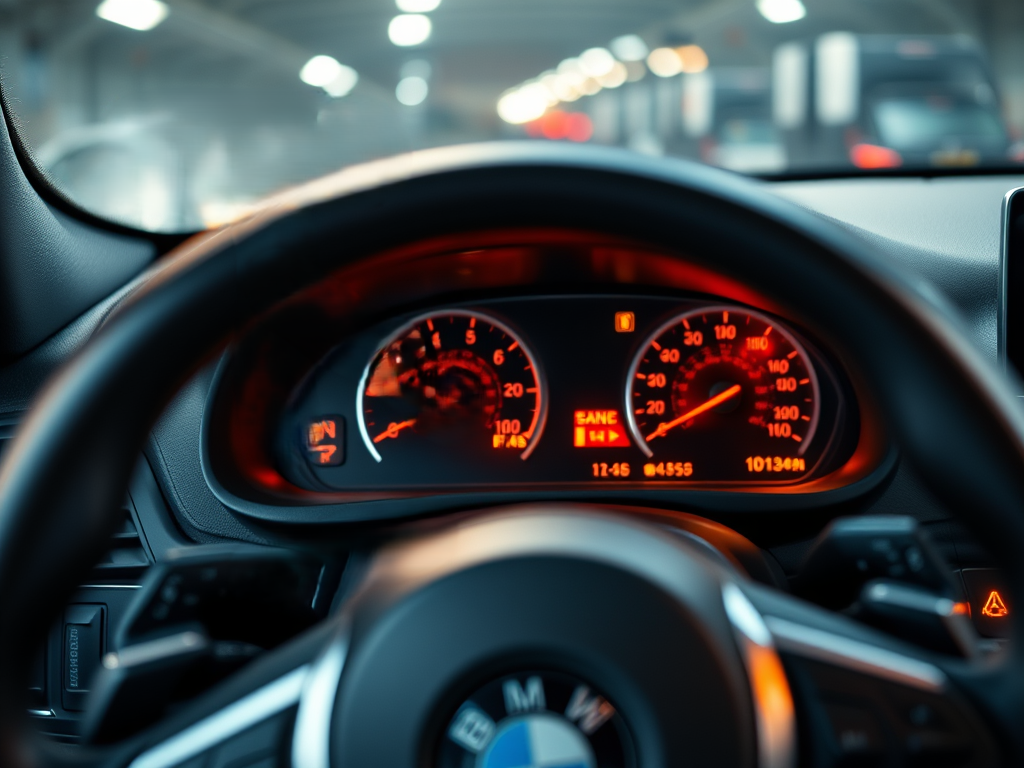
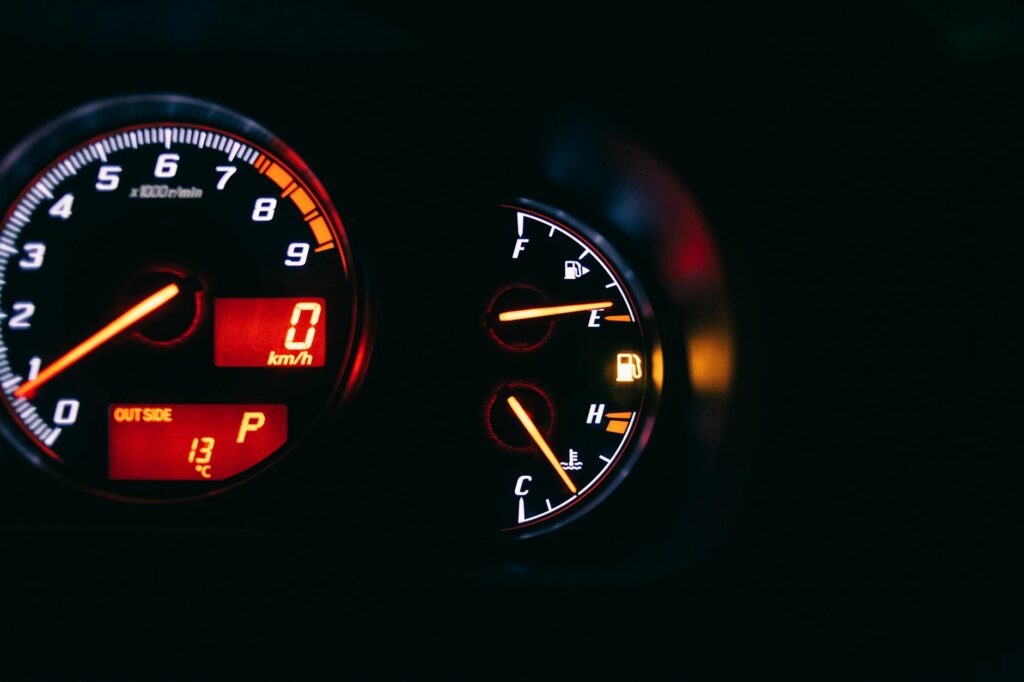
    🚨 Pay Attention to the Battery Warning Light

    The battery-shaped warning light on your dashboard doesn’t simply mean that the battery needs replacement.

    It generally indicates a problem with the vehicle’s charging system.

    An alternator problem is one possibility, but wiring, electrical connections, control systems, or belt-related issues on applicable vehicles can also be involved.

    If the light illuminates while driving, the battery may not be receiving the charging support it needs.

    Eventually, available electrical energy can become depleted.

    A charging-system warning light deserves prompt attention.

    🔌 Check Battery Terminals and Connections

    Heat isn’t the only issue that can affect battery performance.

    The terminals and cables need to provide solid electrical connections.

    Corrosion, looseness, damaged cables, or poor grounds can interfere with the flow of electrical current.

    A battery may test adequately but still struggle to start the engine if the electrical connections are compromised.

    If you notice corrosion around the terminals, have the battery and connections inspected.

    Don’t assume cleaning visible corrosion is always the complete solution.

    The condition of the cables, terminals, battery, and charging system should be considered together.

    👀 Look for Physical Battery Damage

    Take visible battery damage seriously.

    A battery case that appears swollen, cracked, leaking, or otherwise deformed needs professional attention.

    Excessive heat, internal battery problems, charging faults, or other conditions may contribute to physical damage.

    Avoid unnecessary contact with a leaking or damaged battery.

    Automotive batteries contain corrosive material and can present safety hazards.

    A visibly compromised battery shouldn’t be treated as merely an inconvenience that can wait until the next scheduled maintenance visit.

    👃 Don’t Ignore Unusual Odors

    An unusual odor coming from the engine compartment can have many possible causes, and battery trouble is one of them.

    If you notice a strange smell along with battery swelling, overheating, charging problems, or other electrical symptoms, have the vehicle inspected.

    Don’t attempt to open or disassemble the battery.

    Battery problems can involve corrosive chemicals and potentially hazardous conditions.

    Professional evaluation is the safer approach when physical battery damage is suspected.

    🧰 Why Battery Testing Before a Road Trip Makes Sense

    Summer is a popular time for road trips.

    If you’re preparing to drive through desert areas, mountains, or hundreds of miles of freeway, discovering a weak battery before departure is much more convenient than discovering it at a gas station or hotel.

    A pre-trip battery test can be particularly worthwhile if the battery is older or you’ve noticed changes in starting performance.

    A broader pre-trip inspection may also include tires, brakes, cooling-system components, fluids, belts, hoses, and air-conditioning performance.

    The goal is to identify obvious maintenance concerns while you’re still close to home.

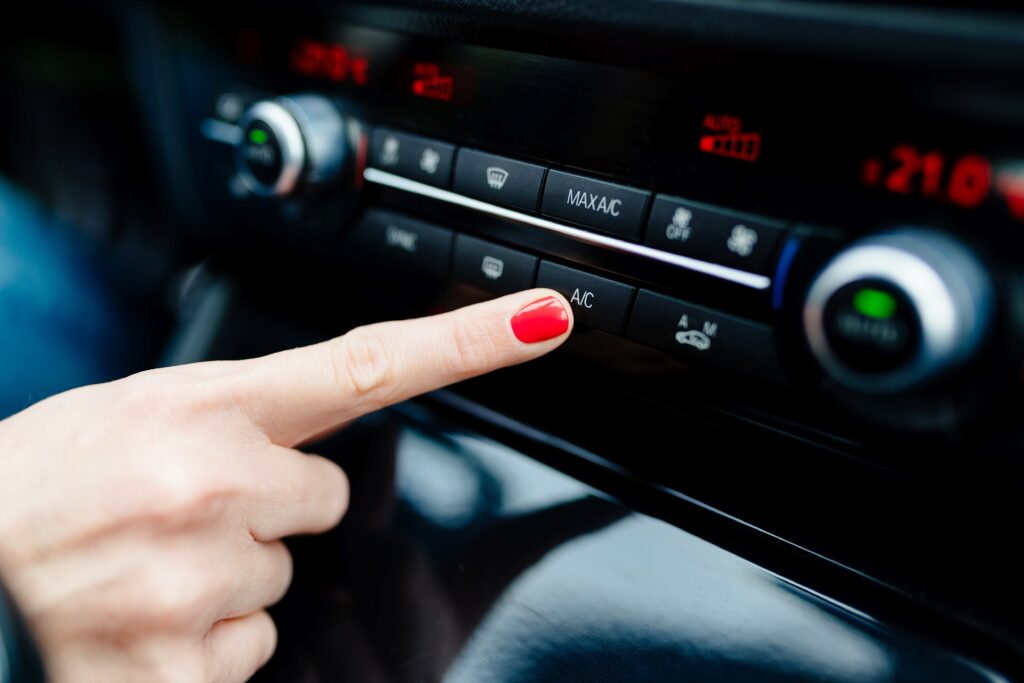
    ❄️ Air Conditioning Doesn’t Run Directly From the Battery Alone

    Drivers sometimes assume heavy air-conditioning use simply “drains the battery.”

    The relationship is more complicated.

    When the engine is running, the alternator supplies electrical power to the vehicle’s systems, including electrical loads associated with climate-control operation.

    The AC compressor itself may be mechanically or electrically driven depending on vehicle design.

    Higher electrical demand means the charging system needs to function properly.

    If the battery or charging system is already marginal, additional electrical demands may make existing weaknesses more noticeable.

    The important point is to consider the battery and charging system together.

    🔥 A Hot Engine Compartment Makes Battery Location Important

    Vehicle manufacturers position batteries in different locations.

    Many are located under the hood, while others may be placed elsewhere in the vehicle.

    An under-hood battery operates near an engine that produces substantial heat.

    Vehicle design accounts for operating conditions, but repeated exposure to elevated temperatures still contributes to the demanding environment in which batteries work.

    This reinforces the importance of using the correct battery type and specification for the vehicle.

    Battery replacement shouldn’t be based solely on finding something that physically fits in the tray.

    🔋 Use the Correct Replacement Battery

    When replacement becomes necessary, battery specifications matter.

    Vehicles can require specific battery sizes, terminal configurations, capacities, and technologies.

    Some modern vehicles with start-stop systems or sophisticated electrical equipment may require particular battery types.

    Installing an inappropriate battery can lead to performance or compatibility problems.

    Certain vehicles may also require battery registration, initialization, or other procedures after replacement.

    The correct approach depends on the vehicle.

    A professional can help ensure the replacement battery meets the vehicle manufacturer’s requirements.

    🧪 Why Testing Is Better Than Guessing

    Symptoms provide clues, but testing provides more useful information.

    If the engine cranks slowly, the battery might be weak—but the starter or electrical connections could also be involved.

    If the battery repeatedly dies, it might be deteriorated—but the alternator or an electrical draw could be responsible.

    If the charging warning appears, the alternator may be involved—but other charging-system components should also be considered.

    A proper battery and charging-system diagnosis helps separate the symptom from the cause.

    That can prevent unnecessary replacement of a battery that wasn’t actually responsible for the problem.

    🛑 Don’t Wait Until the Battery Is Completely Dead

    A vehicle that starts reluctantly is already giving you useful information.

    Don’t wait until it refuses to start at all.

    If the engine cranks slower than normal, electrical components behave strangely, the battery requires repeated jump-starts, or you’ve noticed other warning signs, schedule testing.

    Preventive inspection is especially useful before periods of extreme heat or long-distance travel.

    A battery problem is inconvenient anywhere, but it becomes particularly unpleasant when you’re stranded in a parking lot during a hot afternoon.

    🚙 Protect Your Car Battery During Hot Southern California Weather

    Hot weather can contribute to accelerated battery deterioration, making summer an important time to pay attention to starting performance and overall electrical-system health. Slow cranking, clicking, repeated jump-starts, dim lights, charging warnings, corrosion, physical battery damage, and recurring discharge are all reasons to have your vehicle checked. Testing the battery along with the starting and charging systems can help determine whether you’re dealing with an aging battery or another electrical problem. For professional car battery testing and auto repair in Corona, contact 10 Degrees Automotive at 951.414.9423 to schedule an inspection and prepare your vehicle for Southern California’s hottest driving conditions.

  • 🛑 How Long Do Brake Pads Typically Last?

    By 10 Degrees Automotive | Corona | 951.414.9423

    How Long Do Brake Pads Typically Last?

    Brake pads are designed to wear down gradually as they help slow and stop your vehicle. Because they are normal maintenance items, every driver will eventually need to replace them. The difficult question is determining exactly when that time will arrive.

    So, how long do brake pads typically last?

    Many brake pads last approximately 30,000 to 70,000 miles, but that range is only a general estimate. Some pads may wear sooner, while others can remain serviceable for considerably longer. Vehicle weight, brake-pad material, traffic, driving habits, road conditions, maintenance, and mechanical problems all affect brake-pad life.

    Mileage alone cannot confirm whether your brakes are safe. The most reliable way to determine their condition is to have the pad material measured during a professional brake inspection.

    If you are unsure about your brakes, contact 10 Degrees Automotive in Corona at 951.414.9423 to schedule an inspection.

    ⚙️ What Do Brake Pads Do?

    Most modern vehicles use disc brakes on at least the front wheels, and many use them at all four wheels. Each disc-brake assembly includes a rotor that turns with the wheel, a caliper, and brake pads containing friction material.

    When you press the brake pedal, hydraulic pressure causes the caliper to press the pads against the rotor. The resulting friction converts the vehicle’s motion into heat and slows the wheel.

    Every stop removes a tiny amount of friction material from the pads. Over thousands of braking cycles, the material becomes thinner until replacement is necessary.

    Brake pads are meant to wear, but they should wear evenly and at a reasonable rate. Rapid, uneven, or irregular wear may indicate a problem elsewhere in the braking system.

    📏 The Typical Brake-Pad Mileage Range

    A general estimate for brake-pad life is between 30,000 and 70,000 miles. However, this range should never replace an actual inspection or the maintenance information provided by your vehicle manufacturer.

    One driver may travel primarily on open highways and get long service from a set of pads. Another may commute daily in heavy traffic and require replacement much sooner.

    Some vehicles also display a brake-pad warning or use an electronic wear sensor. These systems are helpful, but they do not eliminate the need for visual inspection. A sensor may monitor only certain pads, and mechanical problems can cause one pad to wear faster than another.

    The condition of your brakes—not the number on the odometer—should guide the repair decision.

    🚦 Stop-and-Go Traffic Shortens Brake-Pad Life

    Driving conditions have a major effect on how long brake pads last. Highway driving generally requires fewer stops per mile than urban commuting.

    In stop-and-go traffic, you may apply the brakes dozens of times during a relatively short trip. Each stop creates friction and heat, gradually removing pad material.

    Drivers who frequently encounter:

    • Congested streets
    • Busy intersections
    • School traffic
    • Commuter traffic
    • Parking structures
    • Frequent delivery stops

    may experience faster brake wear than drivers who spend most of their time on open roads.

    For Corona drivers who regularly travel through busy Southern California traffic, routine brake inspections are especially valuable.

    🦶 Your Braking Habits Make a Difference

    Two people can drive identical vehicles on similar roads and still get very different results from their brake pads.

    Late, aggressive braking creates more heat and friction than gradual, controlled slowing. Frequently accelerating toward a stopped line and then braking hard can shorten pad life.

    Habits that may increase wear include:

    • Hard or abrupt stops
    • Following other vehicles too closely
    • Resting a foot on the brake pedal
    • Frequent high-speed braking
    • Riding the brakes downhill
    • Carrying unnecessary weight

    Looking farther ahead and leaving more following distance can allow you to slow gradually. Safe, smooth driving may reduce brake wear while improving passenger comfort and fuel economy.

    Never sacrifice safety to preserve brake pads. Use firm braking whenever road conditions require it.

    🚙 Vehicle Weight and Design Affect Wear

    Heavier vehicles require more energy to stop than lighter vehicles. Trucks, large SUVs, vans, electric vehicles, and vehicles carrying heavy cargo may place greater demands on the braking system.

    Manufacturers compensate by designing brakes appropriate for the vehicle, but weight still affects heat generation and component wear.

    Brake-pad life may also be influenced by:

    • Engine power
    • Wheel and tire size
    • Brake-rotor diameter
    • Front-to-rear brake balance
    • Performance-oriented braking systems
    • Electronic stability and traction-control operation
    • Regenerative braking on hybrid and electric vehicles

    Some hybrid and electric vehicles use regenerative braking to help slow the vehicle, potentially reducing friction-brake use. However, the conventional brake components still require regular inspection because limited use, moisture, and corrosion can create other concerns.

    🧱 Different Brake-Pad Materials Wear Differently

    Brake pads are manufactured using several types of friction material. Each type offers a different balance of noise, heat resistance, durability, braking feel, and cost.

    Common categories include:

    Organic brake pads

    Organic pads may operate quietly and provide smooth braking, but they can wear more quickly in demanding conditions.

    Semi-metallic brake pads

    Semi-metallic pads contain a substantial amount of metal and generally handle heat well. They are frequently used in a wide range of passenger and performance vehicles, although they may create more noise or dust in some applications.

    Ceramic brake pads

    Ceramic pads often provide quiet operation, stable performance, and relatively low visible dust. Their lifespan and suitability still depend on vehicle design and operating conditions.

    The most expensive pad is not automatically the best choice for every vehicle. Replacement components should meet the vehicle manufacturer’s requirements and suit the vehicle’s intended use.

    At 10 Degrees Automotive, we can help determine the appropriate brake service for your vehicle.

    ⛰️ Hills, Towing, and Heavy Loads Increase Brake Wear

    Driving on steep roads can place sustained demand on the braking system, especially during long descents. Towing a trailer or carrying heavy cargo adds weight, which creates additional heat during braking.

    Excessive heat can accelerate pad wear and may contribute to glazing, brake fade, rotor damage, or fluid deterioration.

    When descending a grade, using an appropriate lower gear can allow the engine to help control speed. The correct technique depends on your vehicle, road conditions, load, and manufacturer recommendations.

    If your vehicle is regularly used for towing, hauling, mountain driving, or commercial work, it may need more frequent brake inspections.

    🔧 Mechanical Problems Can Cause Premature Pad Wear

    Brake pads should wear relatively evenly across an axle. If one pad becomes much thinner than the others, a mechanical or hydraulic problem may be preventing the system from applying or releasing correctly.

    Premature or uneven wear may be caused by:

    • A sticking brake caliper
    • Seized or dry caliper slide pins
    • A restricted brake hose
    • Damaged brake hardware
    • Rotor problems
    • Improper installation
    • Contaminated friction material
    • Parking-brake problems

    Replacing only the worn pads without correcting the underlying issue can cause the new components to wear out quickly.

    A complete brake repair should identify why the wear occurred, not just replace the visibly worn part.

    👂 Warning Signs Your Brake Pads May Be Worn

    Do not wait for a specific mileage before paying attention to brake symptoms. Your vehicle may provide several warnings that the pads or related components require service.

    Common signs include:

    • Squeaking or squealing
    • Grinding or scraping
    • Increased stopping distance
    • Brake-pedal pulsation
    • Steering-wheel vibration while braking
    • Pulling to one side
    • A soft or unusual pedal
    • A brake or pad-wear warning light
    • Burning odors
    • Visible thinning of the pad material

    Grinding is especially concerning because it may indicate that the friction material has worn away. Continuing to drive can damage the rotors and reduce braking performance.

    Call 10 Degrees Automotive at 951.414.9423 if you notice any change in how your brakes sound, feel, or respond.

    📐 How Brake-Pad Thickness Is Checked

    A technician can inspect the pad material through the caliper opening or remove components when a closer evaluation is necessary.

    The inspection may include:

    • Measuring the remaining friction material
    • Comparing inner and outer pads
    • Checking wear across each axle
    • Examining the rotors
    • Inspecting caliper operation
    • Looking for fluid leaks
    • Evaluating hoses and hardware
    • Checking for heat damage or contamination

    Exact replacement specifications vary by vehicle and brake-pad design. A technician should compare measurements with the manufacturer’s minimum requirements rather than relying on a universal number.

    It is also important to inspect the inner pads. On some vehicles, the outer pad may appear acceptable while an inner pad is nearly worn out because of a sticking caliper or slide mechanism.

    🔄 Should Front and Rear Brake Pads Wear at the Same Rate?

    Front and rear pads do not necessarily wear at the same speed.

    During braking, weight shifts toward the front of the vehicle. The front brakes often perform a larger share of the work, so the front pads may wear sooner.

    However, modern brake systems use electronic stability control, traction control, and brake-force distribution in ways that can affect wear. Some vehicles may use the rear brakes more actively than drivers expect.

    Replacement is usually performed in axle pairs. Both front pads or both rear pads are serviced together to help maintain balanced braking. Whether the opposite axle needs service depends on its condition.

    💰 Why Timely Brake-Pad Replacement Matters

    Replacing brake pads before the friction material is exhausted can help protect the rotors and calipers.

    When the pad wears down completely, its metal backing plate may grind against the rotor. This can create deep scoring, excessive heat, vibration, and additional repair costs.

    Timely brake-pad replacement can help:

    • Maintain dependable stopping
    • Protect brake rotors
    • Reduce the risk of caliper damage
    • Prevent metal-on-metal grinding
    • Preserve smooth braking
    • Avoid unexpected repair emergencies

    Waiting until the vehicle struggles to stop is never a safe maintenance strategy.

    🧰 How Can You Help Your Brake Pads Last Longer?

    Brake pads will eventually wear out, but good driving and maintenance habits may help them provide their expected service life.

    Consider these practices:

    • Leave adequate following distance
    • Anticipate traffic and stops
    • Brake smoothly when conditions allow
    • Avoid resting your foot on the pedal
    • Remove unnecessary cargo
    • Use appropriate techniques on long descents
    • Address pulling, noise, or heat promptly
    • Follow the vehicle’s inspection schedule

    Routine maintenance can also identify sticking components before they destroy a new set of pads.

    🛑 Schedule a Brake Inspection in Corona

    Brake pads often last between 30,000 and 70,000 miles, but mileage is only an estimate. Traffic, driving habits, vehicle weight, pad material, towing, hills, and mechanical conditions all influence the actual replacement interval.

    The safest way to know how much life remains is to have the pads measured and the complete braking system inspected.

    For a professional brake inspection in Corona, contact 10 Degrees Automotive. We can evaluate the pads, rotors, calipers, hardware, fluid, and related components, then explain what your vehicle needs.

    Call 951.414.9423 today to schedule your brake service. Let 10 Degrees Automotive help keep your vehicle stopping smoothly, safely, and reliably.


  • 🛢️ How Often Does Your Car Really Need an Oil Change?

    By 10 Degrees Automotive | Corona | 951.414.9423

    How Often Does Your Car Really Need an Oil Change?

    For decades, drivers were told to change their oil every 3,000 miles. That familiar rule was easy to remember, but it is not automatically the correct schedule for every modern vehicle. Today’s engines, lubricants, driving conditions, and manufacturer recommendations vary widely. Some vehicles require service at relatively short intervals, while others can safely travel much farther between changes when operated under the right conditions.

    So, how often does your car need an oil change? The most accurate answer comes from your owner’s manual, the vehicle manufacturer’s maintenance schedule, the type of oil specified for the engine, and the way you actually drive. Mileage matters, but time, temperature, trip length, engine condition, and operating demands matter too.

    Ignoring oil service can lead to sludge, accelerated wear, reduced efficiency, overheating, and expensive engine damage. Changing oil unnecessarily, however, wastes money and resources. The goal is not to follow an outdated slogan or stretch the interval as far as possible. The goal is to use the correct oil and replace it at an interval that protects your specific engine.

    🔧 What Engine Oil Actually Does

    Engine oil performs several essential jobs at the same time. It creates a protective film between moving parts, helps control friction, carries heat away from critical areas, suspends contaminants, and assists with cleaning deposits from internal surfaces. It also supports hydraulic components and variable valve timing systems in many modern engines.

    Oil does not remain in perfect condition forever. Heat, combustion byproducts, moisture, fuel dilution, dirt, and repeated use gradually reduce its ability to protect the engine. Additives designed to clean, control acidity, and maintain viscosity also become depleted. The oil filter captures many particles, but it has a limited capacity and cannot reverse chemical degradation.

    Regular engine oil and filter changes remove contaminated lubricant and replenish the protective additive package. This relatively simple maintenance service can make a major difference in engine reliability and longevity.

    📖 Start With the Manufacturer’s Maintenance Schedule

    Your vehicle’s manufacturer designed and tested the engine, so its maintenance schedule should be the starting point. Look in the owner’s manual, maintenance booklet, or official vehicle information for the recommended oil specification and service interval.

    Many schedules provide separate guidance for normal and severe operation. Do not assume “severe” means racing, towing every day, or driving through a desert. In automotive maintenance, severe service often includes ordinary habits such as:

    • Frequent trips of only a few miles
    • Extensive stop-and-go traffic
    • Long periods of idling
    • Regular driving in very hot, dusty, or cold conditions
    • Towing, carrying heavy loads, or climbing steep grades
    • Repeated use at low speeds
    • Commercial, delivery, rideshare, or fleet operation

    A vehicle driven mostly on steady highway trips may place different demands on its oil than one used for short errands around Corona. If your routine fits the severe-service description in your manual, the manufacturer may recommend a shorter interval.

    🔢 Is the 3,000-Mile Oil Change Rule Still Valid?

    The 3,000-mile oil change is not universally required for modern vehicles. Improvements in engine design, oil chemistry, filtration, and electronic monitoring have allowed many manufacturers to specify longer intervals. Still, that does not mean 3,000 miles is always wrong.

    An older engine, a vehicle operating under demanding conditions, or a car with a specific manufacturer schedule may need relatively frequent service. Engine problems such as fuel dilution, coolant contamination, excessive oil consumption, or sludge can also affect oil condition. The right interval should be based on documented requirements and actual vehicle use—not a blanket number applied to every car.

    Be cautious with generic advice that promises every vehicle can go a particular distance. Two cars of the same model can have different needs if one is driven on long freeway trips and the other makes repeated short journeys that never allow the engine to reach full operating temperature.

    ⏱️ Mileage Is Only Half the Story

    Oil service schedules commonly include both mileage and time, with service due when either limit is reached first. This matters for vehicles that are driven infrequently. Oil can accumulate moisture and contaminants even when the odometer barely moves, especially when the engine is started for short periods and never fully warms up.

    A low-mileage commuter, weekend vehicle, or second car should therefore not go indefinitely without service. Check the time-based requirement in the maintenance schedule. A car driven only a few thousand miles per year may still need an annual or otherwise time-based oil change, depending on the manufacturer.

    Calendar reminders and service records are useful because an oil-life display may be reset accidentally or a windshield sticker may fade. Record both the date and mileage after every service.

    🧠 How Reliable Is an Oil-Life Monitor?

    Many newer vehicles use an oil-life monitoring system. Some basic systems count mileage and time, while more advanced versions estimate oil deterioration using factors such as engine temperature, operating time, speed, load, starts, and trip patterns.

    An oil-life monitor can be a valuable guide when the correct oil is used and the system is reset properly after service. It does not physically sample the oil, however, and it cannot detect every mechanical problem. A coolant leak, abnormal oil consumption, wrong lubricant, or internal engine fault may require attention before the display reaches its normal service threshold.

    Do not ignore a low oil-pressure warning because the oil-life display shows remaining life. Oil life and oil level are different measurements. Many vehicles do not automatically warn the driver that the oil level is slightly low, so periodic manual checks remain important.

    🧪 Does Synthetic Oil Last Longer?

    Synthetic motor oil is engineered to perform consistently across a broad range of temperatures and often resists oxidation and breakdown better than conventional oil. Many modern engines require a full-synthetic or synthetic-blend product that meets a precise viscosity grade and industry or manufacturer standard.

    Synthetic oil may support a longer manufacturer-approved interval, but it does not create permission to ignore the maintenance schedule. The engine still produces contaminants, the filter still has a limited capacity, and operating conditions still affect oil life. A premium oil cannot correct a coolant leak, worn piston rings, or another mechanical problem.

    Choose oil by specification rather than by a vague “better” label. The viscosity printed on the cap is useful, but some manufacturers require additional approvals or performance standards. Using an incorrect oil can affect lubrication, emissions equipment, fuel economy, and variable valve timing operation.

    🚦 How Your Driving Habits Change the Interval

    Short-trip driving can be harder on oil than many motorists realize. When an engine does not remain at operating temperature long enough, moisture and fuel may not evaporate effectively. Repeated cold starts also create periods when lubrication and clearances are not yet at their ideal operating state.

    Stop-and-go traffic adds operating time without adding many miles. The engine may run for an hour while the odometer records only a modest distance. Hot weather, air-conditioning use, hills, and heavy loads can add further demand. These factors are especially relevant to Southern California drivers who regularly experience congestion and high seasonal temperatures.

    Long highway trips are generally easier on oil because the engine operates steadily at full temperature. Even then, drivers must follow the correct time and mileage limits, maintain the oil level, and account for towing or high-load use.

    ⚠️ Signs Your Vehicle May Need Attention Before Its Next Change

    An oil-change interval is a maintenance target, not a guarantee that nothing can go wrong between services. Arrange an inspection if you notice:

    • An oil-pressure or oil-level warning light
    • A burning-oil smell or visible smoke
    • Fresh oil spots beneath the vehicle
    • Unusual ticking, tapping, or knocking
    • Oil that drops repeatedly between checks
    • Engine overheating or an unexplained temperature change
    • Reduced performance accompanied by warning lights
    • Milky residue or other signs of possible fluid contamination

    If the red oil-pressure warning light illuminates while driving, safely pull over and turn off the engine as soon as possible. That warning can indicate inadequate oil pressure, and continued operation may cause severe damage. Adding oil is not always the solution; the system needs proper evaluation.

    Dark oil alone does not necessarily prove that it is overdue. Detergent oil is designed to suspend contaminants, so it may darken during normal use. A qualified technician considers the service history, mileage, time, condition, level, and manufacturer requirements rather than judging solely by color.

    📏 Check the Oil Level Between Services

    Even a vehicle with a long approved service interval can lose or consume oil between changes. Some engines use a measurable amount during normal operation, while others develop leaks at seals, gaskets, filters, drain plugs, or related components.

    Consult the owner’s manual for the correct checking procedure. In general, park on level ground, follow the recommended engine temperature and waiting period, remove and wipe the dipstick, reinsert it fully, and check again. Some vehicles use an electronic level display instead of a conventional dipstick.

    Never overfill the crankcase. Too much oil can foam, raise crankcase pressure, or interfere with engine operation. If the level is low, add only the manufacturer-specified product in small increments and investigate recurring loss.

    🧰 What a Proper Oil Change Should Include

    A professional oil change service involves more than draining old fluid. The technician should use the correct quantity and specification of oil, install the appropriate filter, inspect the drain plug and sealing washer, check for visible leaks, and reset the maintenance monitor when applicable.

    It is also an opportunity for a basic visual inspection. Tire condition, fluid leaks, belts, hoses, filters, and other accessible components may reveal developing problems. This does not replace a comprehensive vehicle inspection, but it can help identify concerns before they become emergencies.

    Keep the invoice or service record. Documentation helps you follow the correct schedule, supports warranty or resale records, and prevents confusion about which oil was used.

    ❌ Common Oil-Change Mistakes to Avoid

    Drivers can protect their engines by avoiding a few common errors:

    • Waiting for a warning light instead of following the maintenance schedule
    • Assuming every car uses the same interval
    • Choosing oil only by price or viscosity without checking required standards
    • Ignoring the time limit because annual mileage is low
    • Resetting the oil-life monitor without completing the service
    • Extending the interval simply because synthetic oil was installed
    • Forgetting to check the level between changes
    • Dismissing leaks or recurring oil consumption

    Another mistake is switching to unusually thick oil in an attempt to quiet engine noise or reduce consumption without professional guidance. Modern engines rely on precise oil flow through small passages, hydraulic tensioners, and variable valve timing components. Use the grade and specification approved for the vehicle unless a qualified repair professional recommends otherwise for a documented reason.

    🌡️ Oil Changes and Corona Driving Conditions

    Corona drivers may face heat, traffic, commuting, hills, and frequent short trips. None of these automatically creates a universal local interval, but together they can place a vehicle closer to the severe-service category described by its manufacturer.

    The most practical approach is to compare your real driving routine with the conditions listed in the manual. If you are unsure which schedule applies, a technician can review your vehicle, mileage, age, maintenance history, and operating pattern. That conversation is far more useful than relying on a generic online number.

    📅 A Practical Oil-Change Plan

    Use this simple process to establish a dependable schedule:

    1. Find the manufacturer’s normal and severe-service intervals.
    2. Confirm the required viscosity and performance specification.
    3. Decide honestly which driving category matches your routine.
    4. Follow the oil-life monitor when the manufacturer instructs you to use it.
    5. Observe both the mileage and time limits.
    6. Check the oil level regularly and before long trips.
    7. Investigate warning lights, leaks, noises, or unusual consumption promptly.
    8. Record every service date, mileage, oil type, and filter replacement.

    This plan provides flexibility without gambling with engine health. It also helps prevent both unnecessary early service and risky overextended intervals.

    📞 Schedule an Oil Change in Corona

    There is no single mileage number that fits every engine and every driver. The right schedule reflects your manufacturer’s requirements, the oil installed, the age and condition of the vehicle, and the demands of your daily driving.

    For help reviewing your maintenance schedule or arranging an oil change in Corona, call 10 Degrees Automotive at 951.414.9423. The correct oil, filter, and interval can help keep your engine protected without relying on outdated rules. If your service reminder is on, your records are unclear, or you have noticed a leak or change in engine sound, schedule a visit before the issue grows.

  • 🚗 Strange Car Noises You Should Never Ignore

    By 10 Degrees Automotive | Corona | 951.414.9423

    Strange Car Noises You Should Never Ignore

    Your vehicle communicates with you in many ways, and unusual sounds are often among its earliest warnings. A new squeal, grind, knock, click, hiss, or hum may begin as an occasional annoyance, but it can point to worn brakes, a failing wheel bearing, a loose belt, low fluid, an exhaust leak, or an internal engine problem. Responding early can help protect your safety, reduce the risk of a breakdown, and prevent a manageable repair from becoming far more expensive.

    Drivers sometimes turn up the radio and hope a sound disappears. Unfortunately, mechanical problems rarely correct themselves. The best response is to note when the noise occurs and arrange a professional inspection. If your car has started making a sound you do not recognize, call 10 Degrees Automotive in Corona at 951.414.9423. A careful diagnosis can identify the source instead of relying on guesses or replacing parts unnecessarily.

    👂 Why New Car Noises Deserve Attention

    Every vehicle makes normal operating sounds. The engine hums, fans cycle, tires interact with the road, and the suspension responds to bumps. What matters is a sound that is new, louder than usual, becoming more frequent, or associated with a change in handling, braking, acceleration, temperature, or warning lights.

    An unusual noise is often created when two components contact each other incorrectly, a rotating part develops excessive play, fluid is no longer cushioning or lubricating a system, or pressure escapes from a damaged hose or seal. Delaying professional auto diagnostics may allow the affected component to damage nearby parts. A worn brake pad, for example, can progress from a warning squeal to metal-on-metal grinding that damages the rotor.

    Pay attention to the conditions surrounding the sound. Does it happen during a cold start, while turning, when braking, over bumps, at highway speed, or only with the air conditioner running? Those details help a technician reproduce the symptom and narrow down the cause.

    🛑 Grinding When You Apply the Brakes

    Grinding brakes should never be treated as ordinary vehicle noise. A harsh metallic grinding sound during braking can mean the friction material on a brake pad has worn away, allowing metal components to contact the brake rotor. It may also involve debris, damaged hardware, or another fault within the braking system.

    Because brakes are critical safety equipment, continuing to drive can reduce stopping performance and increase repair costs. You may also notice vibration, pulling, a soft pedal, a longer stopping distance, or a brake warning light. If braking feels unsafe, stop driving and have the vehicle transported for service.

    An inspection can determine the condition of the pads, rotors, calipers, brake fluid, and related hardware. For brake inspection in Corona, contact 10 Degrees Automotive at 951.414.9423 before a warning sound becomes a more serious problem.

    🎵 Squealing or Chirping From Under the Hood

    A high-pitched squeal or chirp from the engine compartment often points to the accessory drive system. A worn, glazed, contaminated, or improperly tensioned serpentine belt may slip across a pulley. A weak tensioner, misaligned pulley, or failing accessory bearing can produce a similar sound.

    This belt may help operate important equipment such as the alternator, air-conditioning compressor, water pump, or power-steering system, depending on the vehicle. If it breaks or comes off, the battery may stop charging, steering effort may change, or the engine may overheat.

    A brief sound on startup may differ from a squeal that continues or grows louder during acceleration. Either deserves attention if it is new or persistent. A technician should inspect the entire belt drive rather than assuming the belt alone is responsible.

    🔨 Knocking, Tapping, or Pinging From the Engine

    An engine knocking noise can have several causes, ranging from fuel-combustion issues to insufficient lubrication or worn internal components. A light tapping may be related to valvetrain operation or low oil, while a deeper rhythmic knock that increases with engine speed can signal a much more serious internal problem.

    First, safely check the oil level according to the instructions in your owner’s manual. If the oil-pressure warning light is illuminated, the engine is overheating, or the knocking is loud, shut the engine off as soon as it is safe. Continuing to run an engine without adequate oil pressure can cause severe damage quickly.

    Do not assume that adding oil solves the underlying issue. Low oil can result from a leak or oil consumption, and the wrong oil level can also cause problems. Proper testing may include checking fluid condition, oil pressure, fault codes, ignition operation, and internal engine condition.

    ↪️ Clicking or Popping While Turning

    A repetitive clicking or popping sound during a turn—especially during acceleration—may indicate a worn constant-velocity, or CV, joint on a front-wheel-drive or all-wheel-drive vehicle. A damaged CV boot can allow grease to escape and dirt to enter, accelerating joint wear.

    Clicking can also come from steering, suspension, wheel, or brake components, so the driving conditions matter. Note whether the sound changes when turning left or right, whether it occurs at low speed, and whether you feel vibration through the steering wheel or floor.

    A severely worn driveline or steering component can affect vehicle control or leave the car unable to move. Schedule a CV axle and suspension inspection promptly rather than waiting for the sound to intensify.

    🌀 Humming, Growling, or Roaring That Changes With Speed

    A humming or growling noise that becomes louder as road speed increases may be caused by uneven tire wear or a worn wheel bearing. It can also arise from drivetrain components. Wheel-bearing sounds sometimes change when the vehicle’s weight shifts during a gentle turn, but sound alone is not enough to confirm the diagnosis.

    Tires with cupping, incorrect pressure, alignment problems, or internal damage can create a roar that resembles a bearing problem. A thorough inspection should include the tires, wheels, bearings, brakes, and suspension. If the car also wanders, vibrates, or feels unstable, reduce speed and arrange service promptly.

    Corona heat and frequent freeway driving can place sustained demands on tires and rotating components. Regular tire-pressure checks, rotation, alignment evaluation, and vehicle inspections can help reveal developing wear before it leads to a roadside problem.

    💨 Hissing From the Engine Compartment

    A hiss may indicate air, vacuum, coolant, or another pressurized substance escaping. If the sound occurs after the engine has warmed up and is accompanied by steam, a sweet odor, or a rising temperature gauge, the cooling system may be leaking. Do not open a hot radiator or coolant reservoir; pressurized coolant can cause serious burns.

    A vacuum leak may cause hissing along with a rough idle, hesitation, reduced performance, or a check-engine light. Air-conditioning refrigerant or other systems can also create hissing sounds, which is why the location and timing of the noise are important.

    If the temperature gauge rises into the hot range, safely pull over, turn off the engine, and arrange assistance. Driving an overheating vehicle can warp or damage major engine components.

    🧱 Clunking Over Bumps or During Acceleration

    A clunk from beneath the vehicle can originate from worn suspension bushings, ball joints, control arms, sway-bar links, strut mounts, motor mounts, transmission mounts, or loose exhaust components. The precise cause depends on whether the noise occurs over bumps, while steering, when shifting between drive and reverse, or during acceleration and braking.

    Because some suspension and steering parts are directly related to control of the vehicle, clunking should be evaluated soon. Other warning signs include uneven tire wear, looseness in the steering, excessive bouncing, pulling, or a change in ride height.

    Avoid assuming every clunk is “just an old-car sound.” A visual and physical inspection can reveal looseness or damage that may not be apparent from the driver’s seat.

    🚙 Rattling Beneath the Vehicle

    A rattle under the car may be caused by a loose heat shield, exhaust bracket, catalytic-converter component, or another piece of hardware. Some rattles are most noticeable at idle, during startup, or within a narrow engine-speed range. Although a loose shield may seem minor, it can worsen or allow a hot exhaust component to move where it should not.

    An exhaust leak can produce ticking, tapping, or roaring and may allow harmful gases to enter the passenger area. If you smell exhaust inside the car, open the windows, stop driving as soon as safely possible, and have the vehicle inspected. Carbon monoxide cannot be seen or smelled, so any suspected exhaust system problem deserves prompt professional attention.

    ⚙️ Whining During Acceleration or Steering

    A whine that changes with engine speed or vehicle speed can come from a transmission, differential, alternator, pump, or bearing. On vehicles with hydraulic power steering, a low fluid level or failing pump can create a pronounced whine while turning. Low fluid often means there is a leak that needs to be located, not merely topped off.

    Transmission-related whining may occur in a particular gear or when shifting. It may be accompanied by slipping, delayed engagement, harsh shifts, or a fluid leak. Because driveline repairs can become costly, early diagnosis is especially valuable.

    Fluid type, level-checking procedures, and service requirements vary by vehicle. Follow the manufacturer’s instructions and avoid adding an unverified product that may be incompatible with the system.

    🚨 When Should You Stop Driving Immediately?

    Not every noise means an immediate emergency, but some combinations of symptoms call for stopping as soon as it is safe. Do not continue driving if the sound occurs with:

    • Loss of braking ability or a major change in brake-pedal feel
    • An oil-pressure, overheating, or other critical warning light
    • Smoke, steam, a burning odor, or a strong fuel smell
    • Sudden steering difficulty or severe vibration
    • A tire that appears damaged, low, or unstable
    • Loud internal engine knocking
    • Fluid pouring from the vehicle
    • Exhaust fumes entering the passenger compartment

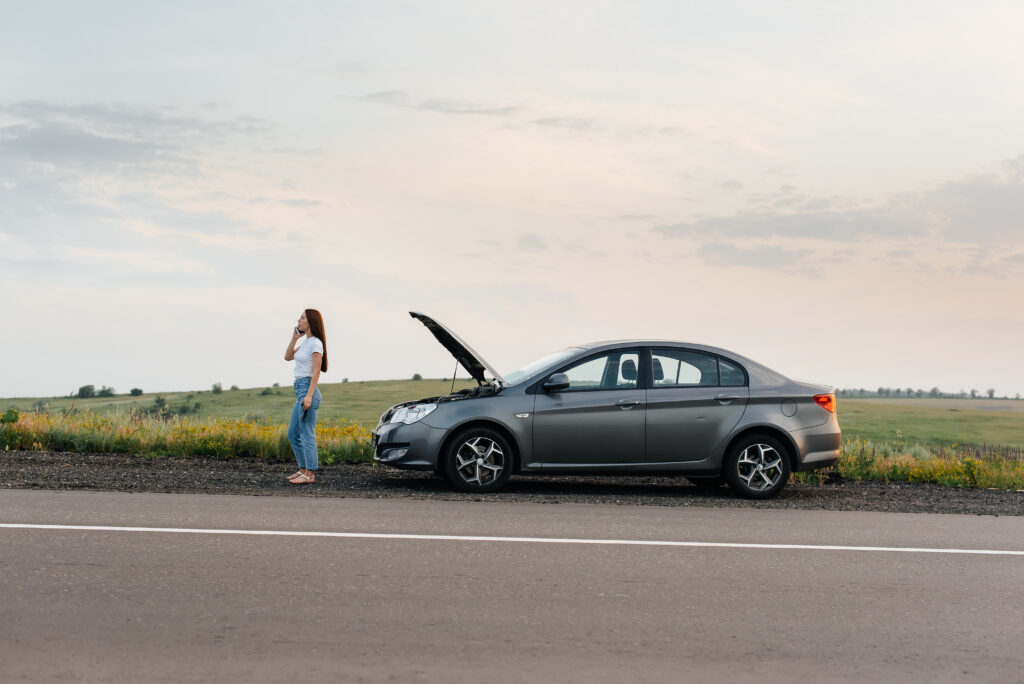
    Move away from traffic if possible, switch on the hazard lights, and arrange towing or roadside assistance. Protecting the engine is important, but personal safety comes first. If you are uncertain whether the car is safe to drive, the cautious choice is to stop and seek professional guidance.

    📝 What to Tell Your Auto Repair Technician

    Clear observations can shorten the diagnostic process. Before your appointment, note:

    • What the sound resembles: squeal, grind, knock, hum, hiss, click, or clunk
    • Where it seems to originate: front, rear, under the hood, or beneath the cabin
    • Whether it occurs during startup, braking, turning, accelerating, shifting, or idling
    • Whether it changes with engine speed or road speed
    • Whether the engine is cold or fully warmed up
    • Any warning lights, odors, leaks, vibration, or performance changes

    A short phone recording may help document an intermittent noise, but never hold a phone or place yourself near moving traffic or moving engine components to capture it. The technician will still need to reproduce and inspect the symptom safely.

    🔧 Why Professional Diagnosis Matters

    Many vehicle sounds overlap. A hum that seems like a wheel bearing may actually come from a tire. A belt squeal may be caused by a failing tensioner. A clunk blamed on a strut may originate from a mount or control-arm bushing. Replacing the most obvious part without testing can waste money and leave the real problem unresolved.

    At 10 Degrees Automotive, the goal of diagnosis is to connect the sound with its operating conditions, inspect the relevant systems, and recommend repairs based on evidence. Modern vehicles combine mechanical, hydraulic, electrical, and computer-controlled components, so an accurate evaluation may involve a road test, visual inspection, lift inspection, scan data, pressure testing, or other targeted procedures.

    📞 Schedule Auto Noise Diagnosis in Corona

    Your car should not have to become undrivable before it receives attention. Strange sounds are valuable warnings, and acting early may help you avoid a breakdown, protect related components, and make a better-informed repair decision.

    If you hear grinding brakes, engine knocking, suspension clunks, bearing hum, belt squeal, exhaust rattles, or another unfamiliar noise, contact 10 Degrees Automotive in Corona. Call 951.414.9423 to schedule an inspection and let an experienced technician determine what your vehicle is trying to tell you.

  • 🔍 How Often Should You Have Your Vehicle Inspected?

    By 10 Degrees Automotive | Corona | 951.414.9423

    How Often Should You Have Your Vehicle Inspected?

    Most drivers understand the importance of oil changes and tire rotations, but many are less certain about complete vehicle inspections. Should your car be inspected every few months, once a year, or only when something feels wrong? The answer depends on your vehicle, mileage, driving habits, and service history—but waiting for a breakdown is rarely the best strategy.

    A professional vehicle inspection gives you a clearer picture of your car’s current condition. It can uncover worn brakes, leaking fluids, aging belts, weak batteries, damaged tires, and other developing concerns before they become roadside emergencies or expensive repairs.

    At 10 Degrees Automotive in Corona, we help drivers build inspection schedules around their actual vehicles and driving needs. If you are unsure when your car was last thoroughly checked, call 951.414.9423 to schedule an appointment.

    📅 Is There One Inspection Schedule for Every Vehicle?

    There is no universal schedule that applies perfectly to every car. A newer commuter vehicle with low mileage may have different needs than an older SUV used for towing, a work truck driven daily, or a car that spends most of its time in stop-and-go traffic.

    As a practical guideline, many drivers benefit from a general vehicle inspection at least once a year. However, more frequent checks may be appropriate when a vehicle accumulates mileage quickly, operates under demanding conditions, has an incomplete maintenance history, or has recently shown warning signs.

    It is also wise to have important systems checked during routine service visits. Oil changes and tire rotations create convenient opportunities to inspect fluid levels, belts, hoses, brakes, tires, lights, and visible undercarriage components. Your owner’s manual should remain the primary reference for manufacturer-required services.

    🚗 Consider an Inspection Every 6 to 12 Months

    For many drivers, scheduling a car inspection every six to twelve months is a sensible starting point. The appropriate interval depends on mileage and use rather than the calendar alone.

    A driver who travels 20,000 miles in a year exposes the vehicle to much more wear than someone who drives 5,000 miles. At the same time, low-mileage vehicles are not maintenance-free. Batteries discharge, tires age, fluids absorb moisture, seals deteriorate, and rodents or environmental exposure can cause problems while a car sits.

    An inspection every six months may make sense if you:

    • Drive long distances for work
    • Spend significant time in traffic
    • Tow trailers or carry heavy loads
    • Own a high-mileage or older vehicle
    • Take frequent mountain or desert trips
    • Have experienced recurring mechanical issues
    • Depend on one vehicle for daily transportation

    An annual inspection may be sufficient for some well-maintained, lightly driven vehicles, provided the manufacturer schedule and routine service requirements are still followed.

    🛢️ Use Routine Maintenance Visits as Inspection Opportunities

    You do not always need a separate appointment to monitor basic vehicle condition. A trusted repair shop can perform targeted checks when your vehicle is already in for routine automotive maintenance.

    During an oil change, for example, a technician may be able to spot fluid leaks, worn belts, damaged hoses, tire concerns, or undercarriage issues. During a tire rotation, brake components and suspension parts may be more accessible for inspection. These observations help create a continuous record of wear instead of relying on a single yearly snapshot.

    Ask what is included with each service. A quick visual check is not the same as a comprehensive inspection, and not every shop follows the same process. Understanding the scope helps you know which systems have been evaluated and which may still need attention.

    🛑 Brakes May Need More Frequent Attention

    Brake wear is affected by vehicle weight, driving style, traffic, terrain, and component quality. A driver who frequently encounters stop-and-go traffic may wear brake pads much faster than someone who travels mostly on open highways.

    For that reason, brake inspections are often recommended during tire rotations or regular maintenance appointments. Technicians can look at pad thickness, rotor condition, brake-fluid concerns, leaks, and other visible components.

    Do not wait for a scheduled inspection if you notice:

    • Grinding or persistent squealing
    • Vibration while braking
    • A soft or unusually firm pedal
    • Pulling to one side
    • Longer stopping distances
    • A brake or ABS warning light

    Changes in braking performance deserve prompt attention because they can affect safety and increase repair costs if worn components begin damaging related parts.

    🛞 Inspect Tires Regularly Between Shop Visits

    Tires should be checked more often than once or twice a year. Drivers can perform basic visual checks and monitor pressure at home, while professional inspections can evaluate tread depth, aging, punctures, uneven wear, and alignment-related patterns.

    Check tire pressure when the tires are cold and use the specification on the driver’s-door label or in the owner’s manual. The number molded into the tire sidewall represents the tire’s maximum pressure, not necessarily the correct pressure for your vehicle.

    Schedule a professional tire inspection if you notice cracks, bulges, repeated air loss, vibration, pulling, or unusual tread wear. Regular rotations also create opportunities to identify issues before a tire becomes unsafe or wears out prematurely.

    🌡️ Corona Heat Can Increase the Need for Inspections

    Southern California heat can be demanding on batteries, cooling systems, rubber components, and tires. High underhood temperatures may accelerate battery deterioration, while aging hoses and cooling-system leaks can contribute to overheating.

    Before the hottest part of the year, consider having the following checked:

    • Battery condition and charging performance
    • Coolant level and condition
    • Radiator and coolant hoses
    • Cooling fans and visible leaks
    • Tire pressure and tread condition
    • Air-conditioning performance

    A seasonal summer vehicle inspection can be particularly valuable before a long road trip or heavy driving period. Catching a weak battery or small coolant leak at the shop is far easier than handling a no-start or overheating vehicle during extreme heat.

    🧳 Schedule an Inspection Before a Road Trip

    If you are preparing for a long drive, schedule a pre-trip vehicle inspection early enough to address any findings. Do not wait until the evening before departure, especially if the vehicle has not been serviced recently.

    A pre-trip inspection may include tires, brakes, battery, fluids, belts, hoses, lights, wipers, and the cooling system. The exact checklist should reflect the distance, terrain, weather, vehicle condition, and whether you will be towing or carrying additional weight.

    No inspection can guarantee that a mechanical issue will never occur, but reviewing critical systems can reduce avoidable surprises and give you greater confidence on the road.

    🚨 Warning Signs Mean You Should Not Wait

    Inspection schedules are preventive guidelines—not reasons to postpone service when symptoms appear. Your vehicle should be evaluated promptly when it begins behaving differently.

    Contact a professional if you notice:

    • A new dashboard warning light
    • Fluid spots beneath the vehicle
    • Unusual noises, odors, or vibration
    • Difficulty starting
    • Reduced fuel economy without an obvious cause
    • Steering or handling changes
    • Engine overheating
    • Smoke or steam
    • Hesitation, stalling, or loss of power

    These symptoms may have several possible causes. Professional automotive diagnostics can help identify the affected system and determine which testing or repairs are appropriate. Continuing to drive with a serious warning may increase damage or create a safety concern.

    🔧 Older and High-Mileage Vehicles Need Closer Monitoring

    As vehicles age, rubber parts harden, seals can begin to leak, suspension components wear, electrical connections corrode, and previously replaced parts may reach the end of their service life. This does not mean an older vehicle is automatically unreliable. It means consistent monitoring becomes increasingly important.

    Drivers of older or high-mileage vehicles may benefit from inspections every six months or at major service intervals. A technician can help track gradual changes and distinguish between normal wear, repairs that should be completed soon, and items that can be monitored.

    Keeping detailed records is especially helpful. If the same seepage, noise, or worn component is noted at multiple visits, the history helps show whether the condition is stable or getting worse.

    📋 What Should a Comprehensive Vehicle Inspection Include?

    The scope of a comprehensive vehicle inspection varies by shop and vehicle, so ask what is included. A thorough evaluation may cover:

    • Engine oil and visible leaks
    • Coolant and cooling-system components
    • Brake pads, rotors, hoses, and fluid
    • Tire pressure, tread, and wear patterns
    • Battery, starter, and charging system
    • Belts and hoses
    • Steering and suspension components
    • Exterior lights and windshield wipers
    • Transmission and driveline fluids, where serviceable
    • Exhaust components
    • Air and cabin filters
    • Dashboard warning lights and maintenance reminders

    Some systems may require additional testing beyond a visual inspection. A scan, pressure test, road test, electrical diagnosis, or component disassembly may be needed when a symptom or warning light is present.

    💰 Inspections Help You Plan Repairs and Maintenance

    One of the greatest benefits of routine inspections is the ability to plan. When you know that tires are approaching replacement, brake pads are wearing, or a battery is weakening, you can budget for service instead of being surprised.

    A useful inspection report should separate findings by urgency. Safety concerns and conditions that could cause immediate damage should receive priority. Maintenance that is due soon can be scheduled, while minor items may simply need monitoring.

    This approach makes preventive vehicle maintenance more manageable. It also gives you an opportunity to ask questions and understand why a recommendation was made before authorizing work.

    ✅ Create a Schedule Based on Time, Mileage, and Use

    The simplest inspection plan combines three factors:

    1. Time: Schedule a general inspection every six to twelve months, depending on the vehicle.
    2. Mileage: Follow manufacturer service intervals and inspect frequently used vehicles more often.
    3. Conditions: Add checks before trips, seasonal heat, towing, or other demanding use.

    This flexible approach is more effective than relying on one fixed rule. It helps account for the difference between a lightly driven weekend car and a daily commuter that spends hours on the road.

    📞 Schedule a Vehicle Inspection in Corona

    If it has been more than a year since your vehicle received a thorough inspection—or if you cannot remember the last one—now is a good time to establish a baseline. You do not need to wait for a warning light, breakdown, or strange noise.

    Trust 10 Degrees Automotive in Corona for professional vehicle inspections and preventive maintenance. We can evaluate your car’s current condition, explain what we find, and help you prioritize recommended service according to safety, urgency, and your vehicle’s requirements.

    Call 951.414.9423 today to schedule your inspection with 10 Degrees Automotive. Consistent checkups can help you avoid preventable damage, prepare for future maintenance, and drive with greater confidence.

  • 🚗 Preventive Car Maintenance: The Key to Avoiding Expensive Repairs

    By 10 Degrees Automotive | Corona | 951.414.9423

    Preventive Car Maintenance: The Key to Avoiding Expensive Repairs

    Most major automotive problems do not appear without warning. Long before an engine overheats, a transmission struggles, or a vehicle refuses to start, there are often small signs that maintenance is overdue. The challenge is that these early warnings can be easy to overlook—especially when your car still seems to run normally.

    That is why preventive car maintenance is one of the smartest investments a vehicle owner can make. Routine inspections and timely service help uncover minor concerns before they develop into major failures. They can also improve reliability, protect performance, support fuel efficiency, and help extend the useful life of your vehicle.

    At 10 Degrees Automotive in Corona, we help drivers take a proactive approach to vehicle care. Whether you need an oil change, fluid inspection, brake service, tire check, or a more complete maintenance evaluation, call 951.414.9423 to schedule an appointment.

    🔧 What Is Preventive Car Maintenance?

    Preventive maintenance is the routine care performed to keep a vehicle operating safely and efficiently. Instead of waiting for something to break, technicians inspect, test, replace, and service components according to the vehicle manufacturer’s recommendations and the car’s actual condition.

    A good vehicle maintenance plan may include:

    • Engine oil and filter changes
    • Fluid-level and fluid-condition checks
    • Brake inspections
    • Tire-pressure and tread checks
    • Battery and charging-system tests
    • Belt and hose inspections
    • Air-filter and cabin-filter replacement
    • Cooling-system service
    • Spark plug replacement
    • Wheel alignment and suspension checks

    The correct schedule depends on the vehicle’s year, make, model, mileage, engine, service history, and driving conditions. Your owner’s manual is the starting point, but a professional inspection can reveal whether a component needs attention sooner.

    💰 Small Services Can Help Prevent Large Repair Bills

    It is tempting to postpone maintenance when a vehicle appears to be working correctly. However, many systems depend on inexpensive fluids, filters, seals, and wearable components. When one of those items is neglected, it may place additional stress on much more costly parts.

    For example, old or insufficient engine oil may not lubricate and cool internal components effectively. A worn belt can fail and leave the vehicle disabled. Low coolant or a cooling-system leak may lead to overheating. Brake pads that wear too far can damage rotors and other braking components.

    Routine automotive maintenance cannot prevent every unexpected repair, but it can substantially reduce avoidable damage. Finding a small leak, weak battery, worn hose, or thinning brake pad early gives you more options. You may be able to schedule the work at a convenient time instead of dealing with a breakdown, tow, and urgent repair.

    🛢️ Keep Up With Oil and Filter Changes

    Engine oil lubricates moving parts, helps manage heat, suspends contaminants, and reduces internal friction. Over time, oil becomes contaminated and its protective qualities decline. The filter also collects debris and eventually becomes less effective.

    Following the recommended oil change interval is fundamental to engine care. The proper interval varies by vehicle and oil specification, so avoid relying on a universal mileage rule. Short trips, frequent idling, stop-and-go traffic, heavy loads, towing, and high temperatures may also affect the appropriate service schedule.

    During an oil service, it is also useful to look for leaks, unusual oil consumption, and changes in oil condition. Addressing these concerns early may help protect the engine from accelerated wear. If you are unsure when your vehicle is due, contact 10 Degrees Automotive at 951.414.9423.

    🌡️ Protect the Cooling System From Overheating

    Corona drivers know how demanding hot weather can be on a vehicle. The cooling system must regulate engine temperature even during summer heat, traffic, and extended driving. Coolant, the radiator, water pump, thermostat, hoses, reservoir, and cooling fans all play important roles.

    A small coolant leak can gradually lower the system level until the engine begins running too hot. A weak hose may burst, and contaminated or deteriorated coolant may not provide the protection the system needs.

    Warning signs of a possible cooling system problem include:

    • A rising temperature gauge
    • Coolant beneath the vehicle
    • A sweet odor near the engine
    • Steam from under the hood
    • Frequent need to add coolant
    • A dashboard temperature warning

    Never continue driving an overheating vehicle if it can be stopped safely. Severe overheating can cause extensive engine damage. A preventive cooling-system inspection can identify leaks and deteriorated components before the vehicle reaches that point.

    🛑 Do Not Wait for Brake Problems to Become Emergencies

    Brake components wear gradually, which means a driver can become accustomed to changes in braking feel. Routine brake inspections help measure wear and identify problems before stopping performance is compromised or related components are damaged.

    Possible warning signs include squealing, grinding, vibration, pulling, a soft brake pedal, longer stopping distances, or an illuminated brake warning light. Some noises can have several causes, so an inspection is the safest way to determine what is happening.

    Replacing worn brake pads at the appropriate time can help protect the rotors. Checking brake fluid and inspecting hydraulic components may also reveal contamination or leaks. Because brakes are essential to vehicle safety, unusual symptoms deserve prompt professional attention.

    🔋 Test the Battery Before It Leaves You Stranded

    Automotive batteries have a limited service life, and heat can accelerate internal deterioration. A battery may continue starting the vehicle until its remaining capacity becomes too low—sometimes with little notice.

    A car battery test can evaluate battery condition and help determine whether the charging system is operating properly. Slow cranking, dim lights, electrical irregularities, corrosion, or repeated jump-starts are reasons to schedule an inspection. The issue may involve the battery, alternator, starter, cables, or another electrical component.

    Testing these systems proactively is usually far more convenient than discovering a no-start condition before work, school, or an important appointment.

    🛞 Tires Affect Safety, Comfort, and Efficiency

    Your tires are the vehicle’s connection to the road. Proper inflation, adequate tread, rotation, balancing, and wheel alignment all influence handling and tire life.

    Underinflated tires may run hotter and wear unevenly. Overinflation can reduce the contact patch and contribute to irregular wear. Misalignment may cause pulling, an off-center steering wheel, or rapid wear along one edge of a tire.

    Check tire pressure when the tires are cold and follow the specification on the vehicle’s tire-information label—not the maximum pressure molded into the tire sidewall. Periodic tire maintenance can help improve predictable handling and identify damage before it becomes a roadside problem.

    💧 Fluids Are the Lifeblood of Your Vehicle

    Modern vehicles rely on several fluids to lubricate, cool, clean, transmit pressure, and protect components. Depending on the vehicle, these may include engine oil, coolant, brake fluid, transmission fluid, power-steering fluid, differential fluid, transfer-case fluid, and windshield-washer fluid.

    Fluid level is only part of the story. Condition, contamination, odor, and the presence of leaks also matter. A fluid that looks acceptable to an untrained eye may still be overdue based on time, mileage, or manufacturer requirements.

    Routine fluid inspections allow technicians to look for seepage, damaged seals, worn hoses, and changes that may point to a developing problem. Always use fluids that meet the specifications for your particular vehicle.

    🚨 Pay Attention to Dashboard Warning Lights

    Warning lights are part of the vehicle’s early-alert system. A check-engine light, battery light, oil-pressure warning, brake warning, temperature warning, or tire-pressure light should not be ignored.

    Some lights indicate a maintenance reminder, while others signal a problem that could become serious. A flashing check-engine light, oil-pressure warning, or overheating warning may require immediate action. Continuing to drive without understanding the warning could increase damage or create a safety risk.

    Professional vehicle diagnostics can retrieve fault information and guide further testing. A trouble code identifies the system where a fault was detected; it does not always identify the failed part by itself. Proper diagnosis helps avoid replacing components based on guesswork.

    📅 Build a Maintenance Schedule That Fits Your Vehicle

    The best maintenance plan is specific, consistent, and documented. Begin with the manufacturer’s schedule, then account for how you actually use the vehicle. Severe-service conditions may include repeated short trips, extensive idling, dusty environments, frequent stop-and-go driving, towing, or operating in extreme heat.

    Keep records of services, inspection results, mileage, and recommended follow-up work. These records make it easier to plan expenses, prevent duplicate work, and demonstrate that the vehicle has been cared for if you decide to sell it.

    A practical schedule should cover:

    1. Items due by mileage or time
    2. Wear items that require periodic inspection
    3. Repairs that should be handled soon
    4. Longer-term services you can budget for

    If your vehicle’s history is incomplete, a comprehensive inspection can establish a baseline. From there, you can prioritize safety and reliability without trying to perform every possible service at once.

    ✅ The Benefits Go Beyond Avoiding Repairs

    Preventive maintenance is often discussed as a way to save money, but the benefits are broader. A well-maintained vehicle may deliver more dependable starting, smoother operation, consistent braking, more predictable handling, and better comfort. It can also reduce the likelihood of missing work or disrupting family plans because of an avoidable breakdown.

    Maintenance provides information, too. Knowing the present condition of your brakes, tires, fluids, battery, and belts helps you make informed decisions. Instead of being surprised by several problems at once, you can plan and prioritize repairs based on safety, urgency, and budget.

    📞 Schedule Preventive Car Maintenance in Corona

    Waiting for a dashboard warning, unusual noise, fluid leak, or breakdown can turn a manageable service into a much larger repair. A proactive inspection helps you understand what your vehicle needs now, what can wait, and what should be monitored.

    Trust 10 Degrees Automotive in Corona for attentive, professional preventive car maintenance. Our team can evaluate your vehicle, explain any findings, and help you develop a service plan based on its condition and manufacturer recommendations.

    Call 951.414.9423 today to schedule your next maintenance appointment. Whether your vehicle is due for routine service or you simply want greater confidence before your next trip, 10 Degrees Automotive is ready to help keep you moving.

  • 🔋 How Long Does a Car Battery Last?

    By 10 Degrees Automotive | Corona | 951.414.9423

    Technician testing a vehicle’s 12-volt battery and charging system during preventive automotive maintenance

    Your car battery may start the engine hundreds or thousands of times without attracting much attention. Then, one morning, you turn the key or press the start button and hear only a slow crank, rapid clicking, or nothing at all.

    Most conventional car batteries last approximately three to five years, but that range is only a general estimate. Climate, driving habits, battery type, electrical demand, charging-system performance, installation quality, and vehicle use can all shorten or extend battery life.

    In Southern California, high temperatures can accelerate internal battery deterioration, making preventive testing especially valuable. A battery may appear to operate normally until its remaining capacity becomes too low to start the engine reliably.

    If your battery is aging or your vehicle is becoming difficult to start, contact 10 Degrees Automotive in Corona at 951.414.9423 for professional battery and charging-system testing.

    ⚡ What Does a Car Battery Do?

    The 12-volt battery supplies the electrical power needed to operate the starter motor and start the engine. It also powers vehicle electronics when the engine is off and helps stabilize voltage within the electrical system.

    The battery supports:

    • The starter motor
    • Engine-control electronics
    • Lights and accessories
    • Security systems
    • Door locks
    • Infotainment systems
    • Memory functions
    • Safety modules
    • Other electrical components

    After the engine starts, the alternator supplies most of the vehicle’s electrical power while replenishing the battery.

    The battery and charging system must work together. A healthy battery cannot remain charged if the alternator is failing, and a new alternator may not restore a battery that has already been deeply discharged or damaged.

    📅 The Typical Three-to-Five-Year Range

    Many 12-volt automotive batteries provide about three to five years of service. Some fail sooner, while others continue working longer.

    Battery age alone cannot confirm whether replacement is necessary. A three-year-old battery may still test well, while a newer battery may be weakened by heat, repeated discharge, vibration, or an electrical problem.

    The best approach is to combine:

    • Battery age
    • Starting behavior
    • Visual inspection
    • Battery-test results
    • Charging-system performance
    • Driving conditions
    • Maintenance history

    Once a battery enters the later part of its expected service life, periodic testing can help reduce the chance of an unexpected no-start condition.

    ☀️ Heat Can Shorten Battery Life

    Many drivers associate battery trouble with cold weather because a weak battery may struggle to start a cold engine. However, heat is a major cause of battery deterioration.

    High temperatures can:

    • Accelerate chemical reactions
    • Increase internal corrosion
    • Promote water loss in serviceable designs
    • Damage internal components
    • Increase self-discharge
    • Shorten overall service life

    Corona’s warm climate and hot engine compartments can place significant stress on a battery.

    Parking in shade or a garage may reduce some heat exposure, but the battery will still experience high temperatures while the engine operates.

    Routine car battery testing in Corona can identify declining capacity before the battery fails.

    🚗 Short Trips Can Leave the Battery Undercharged

    Starting the engine requires a large burst of electrical energy. The alternator replenishes that energy while the engine runs.

    If most trips last only a few minutes, the charging system may not have enough time to restore the battery fully—especially when headlights, climate control, heated accessories, and electronic systems are operating.

    Repeated undercharging may lead to:

    • Reduced battery capacity
    • Sulfation in lead-acid batteries
    • Slow starting
    • Shorter service life
    • More frequent jump-starts

    Occasional longer drives may help when the vehicle and charging system are operating normally, but driving is not a guaranteed repair for a weak or damaged battery.

    If the battery repeatedly loses charge, professional testing should determine whether the cause is the battery, alternator, parasitic electrical draw, or another problem.

    🅿️ Long Periods of Inactivity Affect Batteries

    A vehicle continues using a small amount of electricity while parked. Security systems, keyless-entry receivers, clocks, computers, and memory circuits may remain active.

    If a vehicle sits for weeks or months, this normal draw can discharge the battery. Battery self-discharge also continues during storage.

    A deeply discharged battery may not recover fully, especially if it remains discharged for a long period.

    For vehicles driven infrequently:

    • Start with a fully charged battery
    • Follow manufacturer storage guidance
    • Consider an appropriate battery maintainer
    • Avoid using an unregulated charger
    • Inspect the battery before returning the vehicle to service

    Starting the engine briefly without driving may not replace the energy used during startup.

    🔌 Electrical Draws Can Drain a Healthy Battery

    A battery that repeatedly goes dead may not be defective. An electrical component could remain active after the vehicle is turned off.

    Possible causes of a parasitic battery drain include:

    • Interior or cargo lights
    • Faulty modules
    • Aftermarket accessories
    • Defective relays
    • Wiring problems
    • Dash cameras
    • Audio equipment
    • Charging adapters
    • Keyless-entry activity
    • Components that do not enter sleep mode

    Diagnosing an electrical draw requires accurate testing because many modern vehicles remain awake for a period after shutdown.

    Simply replacing the battery may provide temporary relief without correcting the source of the drain.

    ⚙️ Alternator Problems Can Mimic Battery Failure

    The alternator charges the battery and supplies electricity while the engine runs. If it cannot produce adequate output, the battery may gradually discharge.

    Possible charging-system symptoms include:

    • A battery-shaped dashboard warning
    • Dimming or flickering lights
    • Electrical accessories behaving unpredictably
    • A battery that repeatedly loses charge
    • Slow starting
    • The engine stalling
    • Burning odors or belt noise

    The battery warning light generally indicates a charging-system problem rather than proving that the battery itself is bad.

    A complete test should evaluate the battery, starter, and alternator rather than replacing parts based on symptoms alone.

    🔩 Loose or Corroded Connections Cause Starting Trouble

    Electrical power must travel through the battery terminals and cables. Corrosion, looseness, or damaged cables can increase resistance and interfere with starting and charging.

    Warning signs may include:

    • Clicking when starting
    • Intermittent electrical power
    • Slow cranking
    • Visible corrosion
    • Loose terminals
    • Lights that change brightness
    • A no-start condition

    Corrosion around a terminal does not always mean the battery has failed, but it requires attention. A leaking or damaged battery case may also create terminal corrosion.

    Battery connections should be cleaned and tightened using proper safety procedures. Batteries can release flammable gas and contain corrosive material, so avoid sparks and open flames.

    📳 Vibration Can Damage a Battery

    A battery must be secured by the correct hold-down hardware. Excessive movement can damage internal connections, the case, terminals, or surrounding components.

    Vibration may be caused by:

    • Missing hold-down hardware
    • An incorrect battery size
    • Loose mounting
    • Rough roads
    • Vehicle modifications
    • Damaged battery trays

    A battery should never be able to slide, tip, or bounce within its compartment.

    During an inspection, a technician can verify that the battery is the correct type and size and that it is mounted securely.

    🧪 Different Battery Types Have Different Needs

    Vehicles may use several battery technologies, including:

    • Conventional flooded lead-acid batteries
    • Enhanced flooded batteries
    • Absorbent glass mat batteries
    • Application-specific auxiliary batteries

    Vehicles equipped with automatic stop-start systems often require a specific battery design capable of handling frequent cycling.

    Installing the wrong battery type can affect performance, charging behavior, and service life. The replacement must meet the vehicle’s requirements for:

    • Battery group size
    • Terminal arrangement
    • Cold-cranking capacity
    • Reserve capacity
    • Battery technology
    • Venting
    • Electronic energy-management compatibility

    Do not select a battery based only on physical dimensions or price.

    🚨 Warning Signs Your Battery May Be Failing

    A battery often provides warning signs before it stops working completely.

    Watch for:

    • Slow engine cranking
    • Rapid clicking during a start attempt
    • Intermittent starting
    • Dim lights before the engine starts
    • Electrical resets
    • A swollen or distorted battery case
    • Corrosion around the terminals
    • A sulfur-like odor
    • Frequent need for jump-starts
    • An illuminated battery warning
    • Battery age approaching the expected range

    A rotten-egg or sulfur odor can indicate a battery or charging problem. Avoid sparks, turn off the vehicle if it is safe, and have the system inspected.

    A swollen, cracked, leaking, or frozen battery should not be jump-started.

    🔑 Why Does a Battery Fail Without Warning?

    Battery deterioration can progress gradually while the engine continues to start normally. Starting demands vary with temperature, engine condition, and electrical load.

    A weakened battery may provide enough power under favorable conditions but fail when:

    • The weather changes
    • The vehicle sits overnight
    • Additional accessories are used
    • A short trip leaves it undercharged
    • Internal damage progresses
    • The starter requires more current
    • A loose connection worsens

    Modern vehicles may also start quickly enough that a driver does not notice a gradual reduction in cranking speed.

    Testing measures battery condition more accurately than waiting for obvious symptoms.

    🧰 What Does Professional Battery Testing Include?

    A professional battery evaluation may include:

    • Visual battery inspection
    • Age verification
    • Terminal and cable inspection
    • Open-circuit voltage measurement
    • Conductance or load testing
    • State-of-charge evaluation
    • Charging-system testing
    • Starter-current analysis
    • Voltage-drop testing
    • Parasitic-draw testing when needed

    A discharged battery may need to be charged before it can be tested accurately. A low state of charge does not always mean the battery has permanently failed.

    At 10 Degrees Automotive, we can evaluate the complete starting and charging system to identify the source of the problem.

    🔄 Can Jump-Starting Restore a Weak Battery?

    A jump-start may get the engine running, but it does not repair a worn or internally damaged battery.

    If the battery died because a light was left on and it is otherwise healthy, proper recharging may restore normal operation. If it has lost capacity because of age, heat, or internal damage, the no-start problem may return.

    After a jump-start, do not assume a brief drive will fully recharge a deeply discharged battery. Alternators are designed primarily to maintain charge, and severe charging demand may place additional stress on the system.

    Have the battery tested and properly charged when necessary.

    💻 Some Vehicles Require Battery Registration

    Certain modern vehicles use battery-monitoring or energy-management systems. After installation, the replacement battery may need to be registered, initialized, or programmed.

    This process allows the vehicle to account for:

    • Battery age
    • Battery capacity
    • Battery technology
    • Charging requirements
    • Energy-management strategy

    Failing to follow the correct replacement procedure can affect charging performance and battery life.

    A qualified shop can determine whether your vehicle requires electronic registration or system reset.

    ⚡ What About Hybrid and Electric Vehicles?

    Hybrid and electric vehicles often contain a high-voltage propulsion battery as well as a conventional 12-volt battery.

    The 12-volt battery powers computers, accessories, locks, and control systems. A weak 12-volt battery can prevent the vehicle from becoming ready to drive, even when the high-voltage battery is charged.

    The lifespan, diagnosis, and replacement of a high-voltage battery are very different from those of a conventional starting battery.

    High-voltage systems require specialized training and safety procedures. Never attempt to inspect or repair orange high-voltage cables or components without proper qualifications.

    📅 When Should You Have the Battery Tested?

    Consider testing the battery:

    • During routine maintenance
    • Before summer heat
    • Before a long road trip
    • When starting becomes slower
    • After repeated jump-starts
    • After the vehicle has been stored
    • When the battery warning appears
    • When purchasing a used vehicle
    • When the battery reaches several years of age
    • Before replacing a starter or alternator

    Preventive testing is particularly useful before travel because it can reveal reduced capacity while the battery still starts the vehicle.

    💰 Preventive Testing Can Save Time and Money

    An unexpected battery failure can lead to towing, missed appointments, roadside delays, or unnecessary parts replacement.

    Professional testing can help distinguish between:

    • A discharged battery
    • A worn-out battery
    • A failing alternator
    • A starter problem
    • Corroded cables
    • A parasitic electrical draw
    • A control-system issue

    Accurate diagnosis helps ensure that the correct component is repaired or replaced.

    🔧 Schedule Battery Testing in Corona

    Most car batteries last approximately three to five years, but climate, driving habits, electrical demand, charging performance, and battery type all influence the actual lifespan.

    Do not wait for a complete no-start condition before checking an aging battery. Slow cranking, repeated discharge, corrosion, electrical resets, or a battery warning can all indicate that the system needs attention.

    For car battery testing and replacement in Corona, contact 10 Degrees Automotive. We can test the battery, starter, alternator, cables, and related electrical systems to determine what your vehicle needs.

    Call 951.414.9423 today to schedule an appointment. Let 10 Degrees Automotive help keep your vehicle starting reliably.

  • 🛡️ How Routine Brake Inspections Protect You and Your Passengers

    By 10 Degrees Automotive | Corona | 951.414.9423

    How Routine Brake Inspections Protect You and Your Passengers

    Your vehicle’s braking system works every time you slow for traffic, stop at an intersection, navigate a parking lot, or respond to an unexpected hazard. Because the components wear gradually, a developing brake problem may not be obvious during everyday driving.

    A vehicle can still stop while its brake pads are becoming thin, a caliper is beginning to stick, or a hose is starting to deteriorate. By the time grinding, pulling, smoke, or a soft pedal appears, the problem may have already affected additional components.

    Routine brake inspections help identify wear and damage before braking performance becomes unpredictable. They protect you and your passengers by supporting reliable stopping, balanced braking, proper hydraulic pressure, and the operation of safety systems such as anti-lock brakes.

    To schedule a professional brake inspection, call 10 Degrees Automotive in Corona at 951.414.9423.

    🛑 Why Your Brakes Need Regular Attention

    Braking creates friction and heat. Each stop removes a small amount of friction material from the brake pads or shoes. Rotors and drums also wear, while seals, hoses, fluid, calipers, and hardware age over time.

    The rate of wear depends on:

    • Vehicle weight
    • Driving habits
    • Traffic conditions
    • Brake-component materials
    • Hills and mountain driving
    • Towing or heavy loads
    • Road conditions
    • Vehicle design
    • Maintenance history
    • Mechanical condition

    There is no single brake-service interval that applies to every vehicle. Routine inspections allow maintenance decisions to be based on actual measurements and component condition.

    📏 Brake Inspections Identify Thin Pads Early

    Brake pads are designed to wear and eventually require replacement. However, they should be replaced before the friction material disappears completely.

    If a pad wears down to its metal backing plate, it can grind against the rotor. This may:

    • Reduce braking effectiveness
    • Increase stopping distance
    • Create excessive heat
    • Damage the rotor
    • Damage the caliper
    • Produce loud grinding
    • Increase repair costs

    During a professional brake inspection, a technician measures the remaining pad material and compares the inner and outer pads on both sides.

    Catching thin pads early may allow them to be serviced before they damage the rotors or affect stopping performance.

    💿 Rotor Inspections Help Prevent Vibration

    Brake rotors provide the surfaces against which the pads apply pressure. They must remain within manufacturer specifications and maintain a suitable friction surface.

    A technician may examine the rotors for:

    • Scoring
    • Cracks
    • Corrosion
    • Heat spots
    • Glazing
    • Thickness variation
    • Excessive runout
    • Uneven pad deposits
    • Minimum thickness

    Rotor problems may cause pedal pulsation, steering-wheel vibration, noise, or rough braking. They can also prevent new pads from establishing proper contact.

    Routine measurements help determine whether a rotor remains serviceable, can be resurfaced when appropriate, or requires replacement.

    🔧 Caliper Problems Can Be Found Before They Overheat

    The brake caliper presses the pads against the rotor when you apply the pedal. It must then release enough to allow the wheel to turn without excessive drag.

    A sticking caliper piston or seized slide pin can cause one pad to remain in contact with the rotor.

    Possible results include:

    • Uneven pad wear
    • Pulling to one side
    • Excessive heat
    • A burning odor
    • Smoke
    • Reduced fuel economy
    • Rotor damage
    • Premature brake failure

    A driver may not notice the problem immediately. An inspection can reveal uneven wear, restricted movement, torn boots, corrosion, or heat damage before the brake begins smoking or grinding.

    💧 Hydraulic Inspections Help Protect Pedal Response

    Your brake pedal relies on hydraulic pressure to operate the brakes. The system includes the master cylinder, fluid reservoir, metal lines, flexible hoses, calipers, wheel cylinders, and anti-lock brake components.

    A hydraulic inspection may identify:

    • Low brake fluid
    • Fluid contamination
    • Cracked hoses
    • Corroded lines
    • Wet calipers
    • Leaking wheel cylinders
    • Damaged fittings
    • Master-cylinder concerns
    • Air entering the system

    A small hydraulic leak can grow and reduce pressure. Warning signs may include a soft pedal, a sinking pedal, increased stopping distance, or a red brake-system warning.

    A suspected brake-fluid leak requires immediate attention. If the pedal feels abnormal or the vehicle does not stop normally, do not continue driving.

    🌡️ Brake Fluid Changes With Time and Heat

    Brake fluid is exposed to temperature changes and may absorb moisture over time. Moisture can reduce the fluid’s boiling point and contribute to corrosion inside hydraulic components.

    Under repeated or heavy braking, overheated fluid may produce reduced braking response. This risk can be particularly relevant during:

    • Mountain driving
    • Towing
    • Heavy vehicle loading
    • Frequent hard stops
    • Extended downhill travel
    • Performance driving

    Brake-fluid service requirements vary by vehicle. Some manufacturers specify time or mileage intervals, while others recommend testing or inspection.

    A technician can check the fluid’s level, appearance, maintenance history, and condition, then compare the findings with the manufacturer’s recommendations.

    🔩 Brake Hardware Affects More Than Noise

    Brake pads rely on clips, shims, springs, pins, and other hardware to remain properly positioned and move as designed.

    Worn, damaged, missing, or corroded hardware may cause:

    • Squeaking
    • Clicking
    • Uneven pad wear
    • Brake drag
    • Excessive movement
    • Reduced component life

    Replacing pads without inspecting the hardware can allow a preventable problem to continue.

    Routine brake inspections look beyond the visible pad surface and evaluate the small components that help the system operate smoothly.

    🌀 ABS and Stability Systems Depend on Brake Components

    The anti-lock braking system helps prevent wheel lockup during hard braking. Electronic stability and traction-control systems may also apply individual brakes to help maintain vehicle control.

    These systems rely on components such as:

    • Wheel-speed sensors
    • Sensor wiring
    • Tone rings
    • Hydraulic valves
    • Electronic modules
    • Properly functioning foundation brakes

    An illuminated ABS warning may indicate that anti-lock operation is unavailable. The vehicle may retain conventional braking, but important safety assistance could be reduced.

    Routine inspections can identify damaged wiring, contaminated sensors, cracked tone rings, or stored faults that require diagnosis.

    ↔️ Balanced Braking Helps Keep the Vehicle Straight

    The left and right brakes on an axle should apply with reasonably balanced force. If one side is contaminated, worn, sticking, or hydraulically restricted, the vehicle may pull during braking.

    Brake pull can become dangerous during an emergency stop because the vehicle may move away from its intended path.

    An inspection may reveal:

    • Uneven pad wear
    • A sticking caliper
    • A restricted hose
    • Contaminated friction material
    • Rotor damage
    • Tire problems
    • Steering or suspension wear

    Because alignment and tire concerns can create similar symptoms, a complete evaluation may extend beyond the brake system.

    🚗 Routine Inspections Support Predictable Stopping Distance

    Stopping distance is affected by speed, tire traction, road conditions, vehicle load, driver response, and brake condition.

    Brake inspections cannot control every factor, but they help ensure that the mechanical braking system is prepared to respond as designed.

    The inspection may uncover components that reduce braking effectiveness, such as:

    • Thin pads
    • Glazed friction material
    • Contaminated surfaces
    • Damaged rotors
    • Hydraulic leaks
    • Sticking calipers
    • Poorly adjusted rear brakes
    • Deteriorated hoses

    Predictable brake response matters most when you need to stop suddenly to avoid another vehicle, pedestrian, animal, or road hazard.

    👨‍👩‍👧‍👦 Passenger Safety Depends on Preventive Care

    When you maintain your brakes, you are not only protecting the vehicle. You are protecting every person who rides in it.

    Reliable braking is especially important when transporting:

    • Children
    • Older family members
    • Customers
    • Coworkers
    • Carpool passengers
    • Pets
    • Heavy cargo
    • Trailers

    A sudden brake failure or unstable stop can affect everyone in and around the vehicle.

    Routine inspections provide valuable information about current condition and upcoming service needs, helping you address problems before your passengers are placed at risk.

    👂 Brake Problems Do Not Always Make Noise

    Drivers often wait for squealing or grinding before scheduling brake service. However, not every brake problem creates an obvious sound.

    A caliper may begin sticking without grinding. Brake fluid may absorb moisture without changing pedal feel. A hose may deteriorate internally while appearing normal on the outside. An inner brake pad may wear faster than the outer pad and remain difficult to see.

    That is why the absence of noise does not guarantee that the entire braking system is in good condition.

    Measurements and hands-on inspection provide information that cannot always be obtained from the driver’s seat.

    ⚠️ Warning Signs That Should Not Wait for an Inspection Interval

    Routine inspections are preventive, but certain symptoms require immediate attention.

    Schedule service promptly if you notice:

    • Squeaking or squealing
    • Grinding or scraping
    • Pulling while braking
    • Steering-wheel vibration
    • Brake-pedal pulsation
    • A soft or sinking pedal
    • Increased stopping distance
    • A brake or ABS warning
    • Brake fluid beneath the vehicle
    • A burning smell
    • Smoke near a wheel

    Stop driving if braking ability is significantly reduced, the pedal sinks, fluid is leaking, or smoke appears.

    Call 10 Degrees Automotive at 951.414.9423 if you need help determining the safest next step.

    📅 When Should You Schedule a Brake Inspection?

    The appropriate frequency depends on the vehicle, driving conditions, manufacturer recommendations, and previous inspection results.

    A brake inspection is particularly valuable:

    • During tire rotation
    • Before a long road trip
    • When purchasing a used vehicle
    • Before towing or carrying heavy loads
    • After a brake warning appears
    • When you hear a new noise
    • When the pedal feels different
    • After driving through severe conditions
    • When maintenance history is unknown
    • At the interval recommended by the manufacturer

    Drivers who frequently encounter stop-and-go traffic may need more frequent attention because repeated braking accelerates wear.

    🧰 What Does a Complete Brake Inspection Include?

    The exact procedure varies by vehicle, but a thorough inspection may include:

    • Measuring front and rear pad thickness
    • Inspecting brake shoes when equipped
    • Measuring rotor thickness
    • Examining drums when equipped
    • Checking caliper movement
    • Inspecting brake hardware
    • Looking for fluid leaks
    • Examining hoses and metal lines
    • Checking brake-fluid level and condition
    • Testing the parking brake
    • Checking dashboard warnings
    • Inspecting ABS-related components
    • Performing a controlled road test when appropriate

    The technician should explain what is safe now, what requires immediate service, and what can be monitored for a future visit.

    💰 Inspections Can Help Prevent Larger Repair Bills

    Routine brake inspections do not only improve safety. They may also reduce long-term repair costs.

    Replacing pads before they grind may help preserve the rotors. Correcting a sticking caliper early may prevent heat damage. Repairing a small fluid seep can help avoid hydraulic failure. Replacing damaged hardware may protect new pads from uneven wear.

    Preventive brake care may help protect:

    • Brake pads
    • Rotors
    • Calipers
    • Wheel bearings
    • Brake hoses
    • Hydraulic components
    • Tires
    • Nearby rubber parts

    The cost of an inspection or timely service is generally easier to manage than an emergency repair involving several damaged components.

    📝 Brake Inspections Help You Plan Ahead

    A useful inspection does not always result in immediate repair. It may show that the brakes are currently serviceable but approaching the point at which maintenance should be planned.

    Knowing the approximate condition of the pads and rotors can help you:

    • Budget for future service
    • Schedule repairs conveniently
    • Avoid surprise grinding
    • Prepare for a road trip
    • Track uneven wear
    • Decide when to reinspect

    Maintenance records also give future technicians useful information about how quickly the components are wearing.

    🔍 Why Professional Measurement Matters

    It can be difficult to judge brake condition by looking through the wheel. The outer pad may appear acceptable while the inner pad is nearly worn out. A rotor may look smooth but be below its minimum thickness.

    Professional inspection includes measurements and evaluation of hidden components.

    The goal is not simply to find a worn part. It is to determine:

    • How much service life remains
    • Whether wear is even
    • Why abnormal wear occurred
    • Whether another component is responsible
    • Which repairs are currently necessary
    • Which concerns can be monitored

    Accurate information allows you to make informed decisions about your vehicle.

    🔧 Schedule a Brake Inspection in Corona

    Routine brake inspections protect you and your passengers by identifying worn pads, damaged rotors, sticking calipers, hydraulic leaks, deteriorated hoses, and electronic-system faults before they compromise braking performance.

    Your brakes should respond smoothly, consistently, and predictably. Do not wait for grinding or a dangerous change in pedal response before giving them attention.

    For a professional brake inspection in Corona, contact 10 Degrees Automotive.

    Call 951.414.9423 today to schedule your appointment. Let 10 Degrees Automotive help keep your vehicle—and everyone riding in it—safer on the road.

  • 🛑 Is It Safe to Drive When Your Car Pulls While Braking?

    By 10 Degrees Automotive | Corona | 951.414.9423

     Vehicle pulling to one side during a controlled braking test near a professional automotive repair facility

    A vehicle should slow in a straight, stable, and predictable manner. If it suddenly moves toward the left or right whenever you press the brake pedal, braking force may not be distributed evenly.

    So, is it safe to drive when your car pulls while braking? It should not be considered normal or ignored. Mild pulling may allow you to drive cautiously to a nearby repair facility, but severe pulling, poor braking response, smoke, fluid leakage, or an unusually soft pedal can make the vehicle unsafe to operate.

    The cause may involve the brake pads, calipers, rotors, hydraulic system, tires, alignment, steering, or suspension. A professional inspection is needed to determine which system is responsible.

    If your vehicle pulls during braking, contact 10 Degrees Automotive in Corona at 951.414.9423 to schedule a brake and steering inspection.

    ⚠️ Why Brake Pull Is a Safety Concern

    When one side of the vehicle brakes more effectively than the other, the difference in stopping force can pull the vehicle away from its intended path.

    This can become especially dangerous during:

    • Sudden stops
    • Freeway driving
    • Wet weather
    • Heavy traffic
    • Turns
    • Downhill driving
    • Towing
    • Emergency maneuvers

    A mild pull under gentle braking may become more severe when you apply the pedal firmly. The vehicle may move into another lane, toward a curb, or toward oncoming traffic.

    The condition may also indicate a brake that is dragging when the pedal is released. A dragging brake can generate excessive heat and damage the pad, rotor, caliper, wheel bearing, tire, or nearby components.

    🔍 Does the Car Pull Only When You Brake?

    The timing of the symptom provides an important clue.

    If the vehicle drives straight but pulls only when the brakes are applied, the braking system becomes a primary suspect.

    If it pulls continuously, even without braking, possible causes may include:

    • Uneven tire pressure
    • Tire damage
    • Wheel-alignment problems
    • Worn steering components
    • Worn suspension parts
    • Road crown
    • Brake drag

    A road is sometimes sloped slightly for drainage, which can create a mild drift. However, persistent or strong pulling should still be inspected.

    Tell the technician whether the pull happens constantly, only during braking, or only at certain speeds.

    🔧 A Sticking Brake Caliper

    The brake caliper uses hydraulic pressure to press the pads against the rotor. When you release the pedal, the caliper should allow the pads to move away slightly.

    A sticking piston or seized slide mechanism may keep one brake partially applied. It can also prevent one side from applying with the correct force.

    A sticking brake caliper may cause:

    • Pulling while braking
    • Pulling while driving
    • Uneven pad wear
    • Excessive heat at one wheel
    • A burning odor
    • Smoke
    • Reduced fuel economy
    • Grinding or squealing
    • Vehicle vibration

    The direction of the pull does not always identify which caliper has failed. A brake that applies too strongly can pull toward that side, while a brake that does not apply adequately may allow the vehicle to pull toward the stronger side.

    Professional inspection is necessary to determine what is actually happening.

    🧱 Uneven Brake-Pad Wear

    Brake pads on the same axle should generally wear at similar rates. If one pad or one side wears much faster, the vehicle may develop unequal braking force.

    Uneven wear may result from:

    • A sticking caliper
    • Seized slide pins
    • Damaged hardware
    • A restricted brake hose
    • Improper installation
    • Rotor problems
    • Contamination
    • Misaligned components

    Simply replacing the pads may not solve the problem if another component caused the unusual wear.

    A complete brake inspection should measure the inner and outer pads on both sides and evaluate why any difference exists.

    💿 Brake-Rotor Problems

    Brake rotors provide the surfaces against which the pads apply pressure. Uneven, contaminated, damaged, or overheated rotors can affect braking from side to side.

    Potential rotor problems include:

    • Deep scoring
    • Excessive corrosion
    • Heat spots
    • Thickness variation
    • Cracks
    • Glazing
    • Uneven friction-material deposits
    • A surface contaminated by oil or grease

    Rotor problems may also cause pedal pulsation, steering-wheel vibration, noise, or rough braking.

    A technician can measure rotor thickness and runout, inspect the surfaces, and compare the results with manufacturer specifications.

    💧 A Restricted or Damaged Brake Hose

    Flexible brake hoses carry pressurized brake fluid to the calipers. A hose can deteriorate externally or develop an internal restriction.

    An internally damaged hose may act like a one-way valve. It may allow pressure to apply the brake but prevent the fluid from returning freely when the pedal is released.

    This can create:

    • Brake drag
    • Pulling
    • Excessive wheel heat
    • Rapid pad wear
    • Burning odors
    • Reduced performance

    A hose that expands under pressure or leaks may reduce braking force at that wheel.

    Hydraulic brake problems require careful testing. Never clamp, disconnect, or attempt to repair a brake hose without appropriate knowledge and equipment.

    🛢️ Brake-Fluid Contamination or Leakage

    Brake fluid transfers pedal force to the wheel brakes. Air, moisture, contamination, or a leak can interfere with hydraulic operation.

    A leak may occur at:

    • Brake lines
    • Flexible hoses
    • Calipers
    • Wheel cylinders
    • The master cylinder
    • ABS hydraulic components
    • Fittings and connections

    Warning signs include:

    • A soft or spongy pedal
    • A pedal that sinks
    • A low fluid level
    • A red brake warning light
    • Fluid near a wheel
    • Increased stopping distance

    A suspected brake-fluid leak is an urgent safety concern. Do not drive the vehicle if the pedal feels abnormal or braking performance has changed significantly.

    Have it transported to a qualified repair facility.

    🧪 Contaminated Brake Pads or Rotors

    Oil, grease, brake fluid, and other chemicals can contaminate braking surfaces. A contaminated pad may create less friction than the pad on the opposite side, causing the vehicle to pull.

    Contamination may also produce:

    • Squealing
    • Smoke
    • Unusual odors
    • Reduced braking force
    • Uneven pad deposits
    • Rapid wear

    The source of the contamination must be repaired before affected friction components are serviced.

    Cleaning the visible surface may not restore a brake pad that has absorbed fluid.

    🛞 Uneven Tire Pressure

    Not every braking pull begins with the brakes. A tire with low pressure can change rolling resistance, steering response, and the way the vehicle behaves during a stop.

    Check tire pressure when the tires are cold and inflate them according to the vehicle manufacturer’s specifications, usually listed on a label inside the driver’s door area.

    Do not use the maximum pressure printed on the tire sidewall as the normal operating specification unless the vehicle manufacturer specifically requires it.

    A tire that repeatedly loses pressure may have a puncture, valve problem, wheel damage, or sealing issue.

    📐 Wheel-Alignment Problems

    Incorrect alignment can cause the vehicle to pull during normal driving and may feel more pronounced when weight shifts forward under braking.

    Alignment problems can result from:

    • Pothole impacts
    • Curb strikes
    • Collisions
    • Worn suspension components
    • Bent steering parts
    • Ride-height changes
    • Normal wear

    Signs may include:

    • An off-center steering wheel
    • Uneven tire wear
    • Pulling without braking
    • Poor straight-line stability
    • Steering that feels different

    An alignment should be performed only after worn or damaged steering and suspension parts have been addressed.

    🔩 Worn Steering or Suspension Components

    Braking shifts vehicle weight toward the front. This added load can reveal movement in worn steering or suspension parts.

    Potential causes include:

    • Control-arm bushings
    • Ball joints
    • Tie-rod ends
    • Wheel bearings
    • Strut mounts
    • Shocks and struts
    • Sway-bar components
    • Damaged springs
    • Loose fasteners

    You may also notice clunking, wandering, vibration, uneven tire wear, or instability over bumps.

    A complete inspection may need to include the braking, steering, suspension, tires, and wheel bearings before the cause can be confirmed.

    🛞 Tire Damage or Mismatched Tires

    Tires with different tread depths, sizes, constructions, pressure levels, or traction characteristics may respond differently during braking.

    A damaged tire may also cause instability or pulling.

    Inspect for:

    • Bulges
    • Tread separation
    • Exposed cords
    • Uneven wear
    • Flat spots
    • Punctures
    • Sidewall damage
    • Incorrect tire size

    If a tire is visibly damaged, do not continue driving on it. Arrange safe replacement or towing.

    🌡️ Signs of an Overheating Brake

    A dragging brake creates continuous friction and heat, even when you are not pressing the pedal.

    Warning signs may include:

    • A strong burning odor
    • Smoke near a wheel
    • Pulling that becomes worse while driving
    • Reduced acceleration
    • Unusual brake noise
    • Rapid pad wear
    • Discoloration on the rotor
    • One wheel radiating much more heat

    Do not touch the wheel, caliper, or rotor to check its temperature. These components can cause serious burns.

    If smoke is visible or braking performance has changed, stop driving and arrange professional assistance.

    🚨 When Should You Stop Driving Immediately?

    Stop in a safe location and arrange towing if:

    • The vehicle pulls sharply across the road
    • The brake pedal feels soft or sinks
    • Stopping distance has increased
    • Brake fluid is leaking
    • Smoke appears near a wheel
    • You smell intense burning
    • The red brake warning light is on
    • The steering feels difficult to control
    • Grinding is severe
    • A tire is damaged
    • The vehicle becomes unstable

    Do not continue driving simply because the brakes still stop the car. Partial braking problems can worsen suddenly and behave unpredictably during an emergency stop.

    🧰 How a Professional Inspection Finds the Cause

    Because several systems can create similar symptoms, accurate diagnosis may require more than replacing brake pads or performing an alignment.

    A professional evaluation may include:

    • A controlled road test
    • Tire-pressure measurement
    • Tire and wheel inspection
    • Brake-pad measurements
    • Rotor measurements
    • Caliper operation checks
    • Brake-hose and line inspection
    • Brake-fluid inspection
    • Steering and suspension checks
    • Wheel-bearing inspection
    • Alignment measurements when appropriate
    • A scan for ABS-related faults

    The technician should identify whether the vehicle is experiencing brake pull, tire pull, alignment drift, suspension movement, or a combination of problems.

    💰 Why Early Brake-Pull Repair Can Save Money

    A minor pull may be the first indication of a sticking caliper or uneven pad wear. Continuing to drive can allow the problem to damage additional components.

    For example, a dragging caliper may overheat:

    • The brake pads
    • The rotor
    • The caliper
    • The wheel bearing
    • Brake fluid
    • Nearby rubber components

    Early brake repair may prevent the need to replace parts that were damaged by excessive heat or prolonged friction.

    Prompt service also helps protect your tires from irregular wear and restores predictable vehicle control.

    ✅ What to Tell Your Technician

    Providing specific details can make diagnosis more efficient.

    Note:

    • Which direction the vehicle pulls
    • Whether it happens only when braking
    • Whether the pull changes with speed
    • Whether the pedal vibrates
    • Whether the steering wheel shakes
    • Whether you hear noise
    • Whether you smell something burning
    • Whether recent brake or tire work was performed
    • Whether the vehicle recently struck a pothole or curb
    • Whether a warning light is on

    Do not attempt repeated hard stops to test the condition. A controlled inspection should be performed in a safe environment.

    🔧 Schedule a Brake Inspection in Corona

    A car that pulls while braking may have uneven brake force, a sticking caliper, damaged pads or rotors, a hydraulic restriction, tire trouble, an alignment problem, or worn suspension components.

    Because the symptom can affect your ability to control the vehicle, it deserves prompt professional attention.

    For brake-pull diagnosis and repair in Corona, contact 10 Degrees Automotive. We can inspect the braking, tire, steering, and suspension systems to find the source of the problem.

    Call 951.414.9423 today to schedule your appointment. Let 10 Degrees Automotive help restore straight, stable, and dependable braking.

  • 🛑 Brake Pads vs. Brake Rotors: What’s the Difference?

    By 10 Degrees Automotive | Corona | 951.414.9423

    Brake Pads vs. Brake Rotors: What’s the Difference?

    Brake pads and brake rotors work together every time you slow or stop your vehicle. Because both parts are involved in the same process, drivers sometimes confuse their functions or assume that they always need to be replaced at the same time.

    The difference is straightforward: brake pads create friction, while brake rotors provide the surface against which the pads press. Both are essential, but they have different designs, wear patterns, service requirements, and warning signs.

    Understanding the difference between brake pads and brake rotors can help you recognize braking problems, interpret repair recommendations, and make informed maintenance decisions.

    If your brakes are squeaking, grinding, vibrating, or responding differently, contact 10 Degrees Automotive in Corona at 951.414.9423 to schedule a professional brake inspection.

    ⚙️ How a Disc-Brake System Works

    Most modern vehicles use disc brakes on the front wheels, and many use them on all four wheels. A disc-brake assembly typically includes:

    • A brake rotor
    • A brake caliper
    • Inner and outer brake pads
    • Caliper pistons
    • Slides or guide pins
    • Clips, shims, and related hardware
    • Hydraulic hoses and lines

    When you press the brake pedal, the master cylinder creates hydraulic pressure. That pressure travels through the brake lines and hoses to the calipers.

    The caliper then presses the pads against both sides of the spinning rotor. The resulting friction converts the vehicle’s movement into heat and slows the wheel.

    When you release the pedal, the pads move slightly away from the rotor so the wheel can rotate freely.

    🧱 What Are Brake Pads?

    Brake pads are replaceable friction components positioned inside the caliper. Each pad consists of a metal backing plate and a layer of friction material.

    The friction material is designed to withstand repeated contact, pressure, and heat. However, a small amount wears away during every stop.

    Common categories of brake-pad material include:

    • Organic
    • Semi-metallic
    • Ceramic
    • Application-specific performance compounds

    Each type offers a different balance of braking feel, heat resistance, noise, visible dust, durability, and cost.

    The most expensive brake pad is not automatically the best option for every vehicle. Replacement pads should meet the vehicle manufacturer’s specifications and match the way the vehicle is used.

    💿 What Are Brake Rotors?

    Brake rotors are circular metal discs attached to the wheel hubs. The rotors turn with the wheels, and their flat surfaces provide the area against which the brake pads apply pressure.

    Rotors must:

    • Remain flat and stable
    • Dissipate substantial heat
    • Resist cracking and distortion
    • Maintain an appropriate surface finish
    • Stay above the minimum safe thickness
    • Provide consistent contact with the pads

    Some rotors are solid, while others contain internal cooling passages and are called vented rotors. Certain performance applications use drilled, slotted, or multi-piece designs.

    For most everyday vehicles, the correct rotor design is determined by the manufacturer’s braking-system requirements.

    🔍 The Main Difference Between Pads and Rotors

    The easiest way to remember the difference is:

    • Brake pads are the friction material.
    • Brake rotors are the rotating surfaces the pads grip.

    Brake pads are designed to wear more quickly and are usually replaced more often. Rotors also wear, but their condition depends on thickness, surface quality, heat exposure, corrosion, and how evenly the pads have contacted them.

    The pads and rotors function as a matched pair. A problem with one can damage or shorten the life of the other.

    📉 How Brake Pads Wear

    Each time you brake, a microscopic amount of pad material is lost. Over thousands of stops, the pads become thinner.

    Brake-pad wear is affected by:

    • Stop-and-go traffic
    • Driving habits
    • Vehicle weight
    • Towing and heavy loads
    • Brake-pad material
    • Hills and mountain driving
    • Caliper operation
    • Rotor condition
    • Electronic stability-control activity

    Front and rear pads do not necessarily wear at the same rate. The front brakes often handle a larger share of braking force, but modern electronic systems may cause rear pads to wear more quickly than some drivers expect.

    Brake-pad condition should be determined through measurement and inspection rather than mileage alone.

    🌡️ How Brake Rotors Wear

    Rotors lose a small amount of material as the pads contact them. They also experience repeated heating and cooling cycles.

    Over time, a rotor may develop:

    • Scoring
    • Grooves
    • Corrosion
    • Heat spots
    • Cracks
    • Excessive runout
    • Thickness variation
    • Uneven pad deposits
    • A glazed surface

    Rotor damage may be accelerated when brake pads are allowed to wear down completely. Once the friction material is gone, the metal backing plate can grind directly against the rotor.

    This metal-on-metal contact can create deep grooves, excessive heat, and reduced braking performance.

    👂 Signs Your Brake Pads May Be Worn

    Worn or damaged brake pads may produce several warning signs, including:

    • Squeaking or squealing
    • Grinding or scraping
    • A brake-pad warning light
    • Increased stopping distance
    • Reduced braking response
    • Uneven braking
    • Excessive brake dust
    • Thin visible friction material

    Some pads include a metal wear indicator that creates a high-pitched sound when the material reaches a certain thickness. Others use electronic wear sensors.

    Noise does not always prove that the pads are worn. Moisture, glazing, contamination, vibration, and damaged hardware can also create squealing.

    A professional brake inspection can determine the true cause.

    📳 Signs Your Brake Rotors May Be Damaged

    Rotor problems may cause:

    • Pulsation through the brake pedal
    • Steering-wheel vibration while braking
    • Shaking during stops
    • Grinding
    • Rough braking
    • Visible grooves
    • Blue or dark heat spots
    • Cracks
    • Uneven pad wear

    Drivers often describe rotor problems as “warped brakes.” In many cases, the sensation may be caused by thickness variation, excessive runout, corrosion, or uneven friction-material deposits rather than a rotor that has visibly changed shape.

    Accurate diagnosis requires inspection and measurement.

    🔧 Do Brake Pads and Rotors Always Need Replacement Together?

    Not necessarily.

    If the rotors remain within specification and have an acceptable surface, it may be possible to replace the pads without installing new rotors. However, the decision should be based on measurement and condition rather than appearance alone.

    A technician may evaluate:

    • Rotor thickness
    • Minimum allowable thickness
    • Surface condition
    • Runout
    • Thickness variation
    • Corrosion
    • Heat damage
    • Cracking
    • Previous machining
    • Brake-pedal pulsation

    Installing new pads against severely grooved, damaged, or uneven rotors may lead to noise, poor contact, vibration, and shortened pad life.

    🛠️ Can Brake Rotors Be Resurfaced?

    Some rotors may be resurfaced if they are thick enough and free from disqualifying damage. Resurfacing removes a small amount of metal to restore an appropriate braking surface.

    A rotor should not be machined below its minimum specification. Severely corroded, cracked, overheated, or excessively thin rotors generally require replacement.

    Many modern rotors begin with less excess material than older designs, making replacement more practical in some applications.

    The decision to resurface or replace should consider:

    • Manufacturer requirements
    • Rotor measurements
    • Damage severity
    • Labor and equipment
    • Replacement-part cost
    • Expected service life
    • Vehicle use

    At 10 Degrees Automotive, we can inspect and measure the rotors before recommending the appropriate service.

    ♻️ Why New Pads Need a Proper Rotor Surface

    New brake pads need consistent contact with the rotor to operate smoothly and establish an even transfer layer.

    If the rotor surface is badly grooved, contaminated, glazed, or uneven, the new pads may not contact it correctly. This can contribute to:

    • Brake noise
    • Reduced initial performance
    • Uneven wear
    • Vibration
    • Glazing
    • Shortened pad life

    Proper rotor preparation is an important part of brake service. That may mean resurfacing a serviceable rotor or installing a replacement.

    The pads and rotors should also be bedded or burnished according to the component and vehicle requirements.

    🔩 Calipers and Hardware Matter Too

    Pads and rotors receive most of the attention, but they are not the only components affecting brake performance.

    A sticking caliper, seized slide pin, restricted hose, or damaged clip can create uneven pressure and prevent the pads from releasing correctly.

    This may cause:

    • Rapid pad wear
    • One pad wearing faster than another
    • Rotor overheating
    • Pulling during braking
    • Burning odors
    • Reduced fuel economy
    • Premature rotor damage

    Replacing pads and rotors without correcting a sticking caliper can allow the new components to fail quickly.

    A complete brake repair should evaluate the entire system rather than only the most visibly worn parts.

    🔄 Why Brake Pads Are Replaced in Axle Pairs

    Brake pads should generally be replaced on both wheels of the same axle. This means both front sets or both rear sets are serviced together.

    Replacing pads on only one side can create unequal braking characteristics.

    Rotors are also commonly serviced in axle pairs to maintain consistent surface condition, thickness, and heat capacity from side to side.

    The front and rear axles do not always need service at the same time. Their condition should be evaluated independently.

    ⏱️ Which Part Usually Lasts Longer?

    Brake rotors often last longer than brake pads, but there is no universal replacement interval for either component.

    Their service life depends on:

    • Vehicle design
    • Component quality
    • Driving conditions
    • Braking habits
    • Road salt and moisture exposure
    • Traffic
    • Towing
    • Hills
    • Mechanical condition
    • Previous service

    Some vehicles may use more than one set of pads before the rotors require replacement. On other vehicles, the rotors may need service with every pad replacement.

    Inspection and measurement provide a more reliable answer than mileage estimates.

    💰 Why Timely Brake-Pad Replacement Saves Money

    Brake pads are designed to wear. Rotors are more expensive components that can often be protected through timely maintenance.

    If the pads are replaced before the friction material disappears, the rotors may remain serviceable if they meet all specifications.

    Waiting until the brakes grind can lead to:

    • Deep rotor scoring
    • Excessive heat
    • Caliper damage
    • Damaged hardware
    • Reduced stopping performance
    • A more expensive repair

    Call 10 Degrees Automotive at 951.414.9423 when you first notice brake noise rather than waiting for grinding or poor stopping.

    🚨 When Should You Stop Driving?

    Stop driving and arrange professional assistance if:

    • The brake pedal sinks toward the floor
    • Braking ability is significantly reduced
    • The vehicle pulls sharply while stopping
    • A brake-fluid leak is visible
    • Smoke appears near a wheel
    • Grinding is severe
    • A wheel becomes extremely hot
    • The red brake warning stays on
    • Stopping distance has increased dramatically

    Do not touch a rotor, caliper, or wheel to determine whether it is hot. Brake components can reach temperatures capable of causing serious burns.

    If the vehicle does not feel safe, arrange towing.

    🧰 What Happens During a Brake Inspection?

    A professional inspection may include:

    • Measuring brake-pad thickness
    • Comparing inner and outer pad wear
    • Measuring rotor thickness
    • Checking rotor runout and surface condition
    • Inspecting calipers and slide pins
    • Examining hoses and metal lines
    • Checking brake-fluid level and condition
    • Inspecting clips, shims, and hardware
    • Evaluating parking-brake components
    • Checking warning lights and stored faults

    This process helps determine whether your vehicle needs pads, rotors, caliper service, hydraulic repair, or another solution.

    🔧 Schedule Brake Repair in Corona

    Brake pads and rotors perform different jobs, but neither can stop your vehicle effectively without the other. Pads supply the friction material, while rotors provide the rotating surfaces that the pads grip.

    Timely inspections can identify thin pads before they damage the rotors and can detect rotor problems before vibration or reduced braking becomes severe.

    For brake-pad and brake-rotor service in Corona, contact 10 Degrees Automotive. We can inspect the complete braking system, explain the condition of each component, and recommend the appropriate repair.

    Call 951.414.9423 today to schedule your brake inspection. Let 10 Degrees Automotive help keep your vehicle stopping smoothly, quietly, and reliably.