Category: 10 Degrees Automotive

  • 🔋 How Hot Weather Affects Your Car Battery

    By 10 Degrees Automotive | Corona | 951.414.9423

    How Hot Weather Affects Your Car Battery

    When drivers think about weather-related battery problems, cold winter mornings often come to mind. But hot weather can also be tough on your car battery, especially during long stretches of Southern California heat. High temperatures can accelerate chemical activity and internal deterioration, potentially shortening battery life and contributing to unexpected starting problems. 10 Degrees Automotive in Corona can inspect your vehicle’s battery and charging system to help identify weakness before you’re stuck with a car that won’t start. If you’ve noticed slow cranking, repeated jump-starts, or other electrical problems, call 951.414.9423 to schedule an inspection.

    ☀️ Heat Can Be Tough on Automotive Batteries

    A conventional automotive battery operates through chemical reactions that allow it to store and release electrical energy.

    Temperature affects those reactions.

    Higher temperatures can accelerate chemical activity inside the battery. While that may sound beneficial, prolonged heat can also accelerate internal deterioration.

    Under-hood temperatures can become particularly high after driving on a hot summer day.

    Over time, repeated exposure to heat can contribute to battery aging and reduced performance.

    This is one reason battery condition deserves attention before and during the hottest months of the year.

    🌡️ Why Southern California Heat Matters

    Southern California drivers routinely experience high summer temperatures, and parked vehicles can sit in direct sunlight for hours.

    Your battery is already operating in a demanding under-hood environment.

    Add summer heat, freeway driving, traffic, air-conditioning use, and normal electrical demands, and an older or marginal battery may become more likely to reveal its weaknesses.

    Heat doesn’t mean every battery will suddenly fail.

    Instead, it can contribute to the gradual deterioration that eventually leaves a battery unable to deliver sufficient power when the starter needs it.

    That’s why summer battery testing can be valuable, especially for an older battery.

    🧪 What Happens Inside a Battery During Hot Weather?

    Automotive lead-acid batteries contain electrolyte and internal plates that participate in the chemical processes needed to store and release electrical energy.

    Elevated temperatures can accelerate chemical reactions and contribute to internal degradation.

    Heat can also contribute to fluid loss in serviceable battery designs and increased deterioration of internal components.

    Over time, this can reduce the battery’s ability to perform as intended.

    The driver may not notice anything immediately.

    A battery can continue starting the vehicle until its available performance declines enough that the first obvious symptom appears.

    Unfortunately, that first symptom might be a vehicle that suddenly refuses to start.

    🔑 Slow Cranking Can Be an Early Warning

    One of the most useful warning signs is a change in how quickly your engine cranks.

    Drivers become accustomed to the normal starting sound of their vehicles.

    If the engine suddenly seems to turn over more slowly before starting, pay attention.

    Slow engine cranking can indicate that the battery isn’t delivering adequate starting power.

    However, it isn’t proof that the battery is defective.

    Poor battery connections, starter problems, charging-system faults, and other electrical issues can produce similar symptoms.

    Having the battery and starting system tested is more reliable than diagnosing the problem from sound alone.

    🔊 Clicking When Starting May Point to Low Battery Power

    Another common symptom is clicking when you turn the key or press the start button.

    You might hear rapid clicks while the engine fails to crank normally.

    A discharged or weak battery is one possible cause because there may not be enough available electrical power to operate the starter correctly.

    But battery-terminal connections and other starting-system problems can also produce clicking.

    Don’t automatically purchase a battery simply because the car clicks.

    Battery testing and electrical diagnosis can help determine whether the battery is actually failing or whether another component is responsible.

    💡 Dim Lights Can Provide Another Clue

    If your headlights or interior lights appear unusually dim, low system voltage may be involved.

    This can be especially noticeable when the engine isn’t running.

    You may also notice electronics behaving inconsistently, dashboard displays resetting, or other unusual electrical symptoms.

    These problems don’t automatically mean the battery has been damaged by heat.

    The charging system, wiring, connections, or other electrical components may be responsible.

    However, when dim lighting occurs together with slow starting or repeated battery problems, it’s a good reason to have the vehicle inspected.

    🔄 Repeated Jump-Starts Aren’t Normal

    Anyone can accidentally leave a light on and end up needing a jump-start.

    The concern begins when jump-starting becomes a routine.

    If your vehicle repeatedly needs outside power to start, something isn’t working correctly.

    A deteriorated battery may no longer hold an adequate charge.

    Alternatively, the alternator may not be charging correctly, or an electrical component could be draining the battery while the vehicle is parked.

    Repeatedly jump-starting the vehicle doesn’t solve the underlying problem.

    A battery that keeps dying should be tested along with the relevant charging and electrical systems.

    ⚡ Hot Weather Can Expose an Aging Battery

    A battery that’s already approaching the end of its useful service life may be less capable of tolerating demanding conditions.

    Summer heat doesn’t necessarily create the entire problem overnight.

    Instead, it can contribute to ongoing deterioration of a battery that has already experienced years of starts, charging cycles, vibration, and temperature changes.

    This is why battery age is useful information.

    If you know the battery has been installed for several years, pay closer attention to changes in starting performance.

    Battery life varies considerably, so testing actual condition is more useful than assuming every battery should last an exact number of years.

    📅 How Long Should a Car Battery Last?

    There isn’t one lifespan that applies to every vehicle and every battery.

    Car battery life depends on many factors, including battery construction, climate, vehicle electrical demands, driving patterns, maintenance, charging-system condition, and how frequently the vehicle is driven.

    A battery exposed to demanding conditions may deteriorate differently from the same type of battery in another vehicle.

    Rather than relying entirely on age, consider age together with battery testing and vehicle symptoms.

    As the battery gets older, periodic testing becomes increasingly useful.

    🚘 Short Trips Can Add to Battery Challenges

    Starting an engine requires substantial electrical energy.

    Once the engine is running, the charging system works to replenish the battery.

    If you regularly take very short trips, the vehicle may have less operating time to restore energy used during startup, particularly when electrical demands are high.

    That doesn’t mean short trips automatically damage the battery.

    However, frequent short-distance driving can be one factor affecting the battery’s state of charge.

    Combine an older battery, hot weather, frequent starts, and limited driving time, and the battery may have a more difficult job.

    🅿️ Leaving a Car Parked Can Also Affect the Battery

    Vehicles continue to use small amounts of electrical power even when turned off.

    Electronic modules, security systems, clocks, memory functions, and other equipment can require electricity while the vehicle is parked.

    If a car sits unused for an extended period, the battery can gradually lose charge.

    A weak or aging battery may be particularly susceptible to this.

    If your vehicle is driven infrequently during the summer, pay attention to how it starts after sitting.

    Repeated discharge after parking may also indicate an excessive parasitic electrical draw, which should be diagnosed rather than blamed automatically on the battery.

    ⚡ The Alternator Is Part of the Battery Story

    A battery doesn’t work independently.

    After the engine starts, the alternator and charging system help supply electrical power and maintain battery charge.

    If the alternator isn’t operating properly, even a relatively healthy battery can eventually become discharged.

    This can create confusion because the obvious symptom is a dead battery.

    A driver replaces the battery, only to experience another no-start condition later.

    If a battery repeatedly loses charge, charging-system testing can help determine whether the alternator or another component is contributing to the problem.

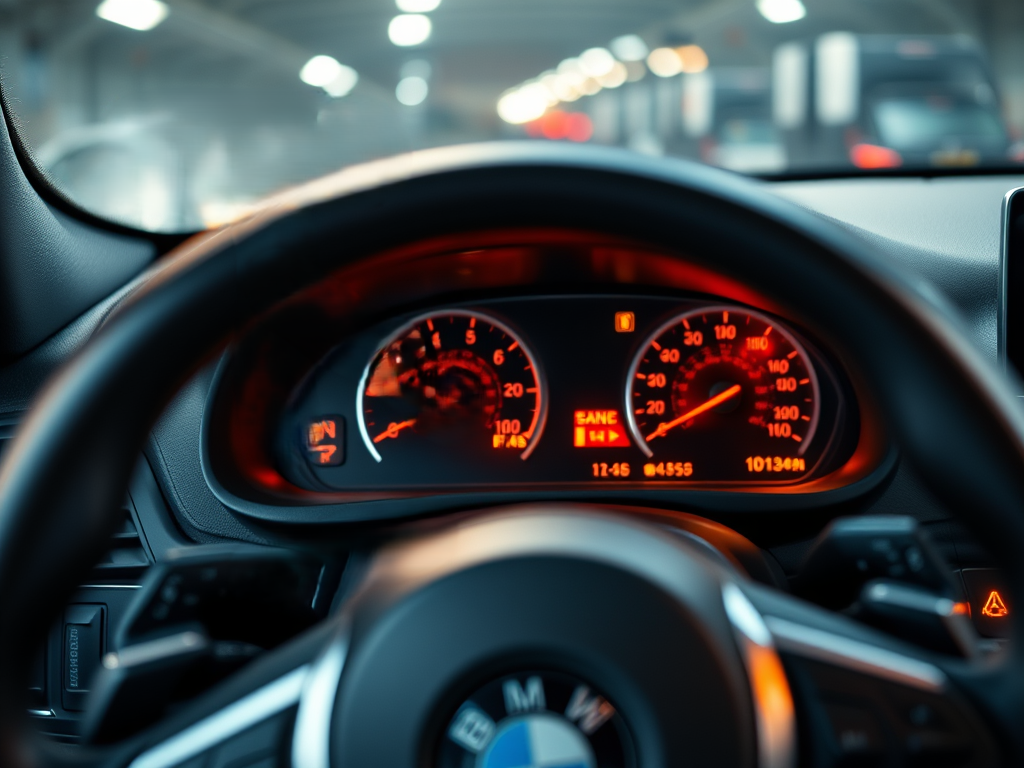
    🚨 Pay Attention to the Battery Warning Light

    The battery-shaped warning light on your dashboard doesn’t simply mean that the battery needs replacement.

    It generally indicates a problem with the vehicle’s charging system.

    An alternator problem is one possibility, but wiring, electrical connections, control systems, or belt-related issues on applicable vehicles can also be involved.

    If the light illuminates while driving, the battery may not be receiving the charging support it needs.

    Eventually, available electrical energy can become depleted.

    A charging-system warning light deserves prompt attention.

    🔌 Check Battery Terminals and Connections

    Heat isn’t the only issue that can affect battery performance.

    The terminals and cables need to provide solid electrical connections.

    Corrosion, looseness, damaged cables, or poor grounds can interfere with the flow of electrical current.

    A battery may test adequately but still struggle to start the engine if the electrical connections are compromised.

    If you notice corrosion around the terminals, have the battery and connections inspected.

    Don’t assume cleaning visible corrosion is always the complete solution.

    The condition of the cables, terminals, battery, and charging system should be considered together.

    👀 Look for Physical Battery Damage

    Take visible battery damage seriously.

    A battery case that appears swollen, cracked, leaking, or otherwise deformed needs professional attention.

    Excessive heat, internal battery problems, charging faults, or other conditions may contribute to physical damage.

    Avoid unnecessary contact with a leaking or damaged battery.

    Automotive batteries contain corrosive material and can present safety hazards.

    A visibly compromised battery shouldn’t be treated as merely an inconvenience that can wait until the next scheduled maintenance visit.

    👃 Don’t Ignore Unusual Odors

    An unusual odor coming from the engine compartment can have many possible causes, and battery trouble is one of them.

    If you notice a strange smell along with battery swelling, overheating, charging problems, or other electrical symptoms, have the vehicle inspected.

    Don’t attempt to open or disassemble the battery.

    Battery problems can involve corrosive chemicals and potentially hazardous conditions.

    Professional evaluation is the safer approach when physical battery damage is suspected.

    🧰 Why Battery Testing Before a Road Trip Makes Sense

    Summer is a popular time for road trips.

    If you’re preparing to drive through desert areas, mountains, or hundreds of miles of freeway, discovering a weak battery before departure is much more convenient than discovering it at a gas station or hotel.

    A pre-trip battery test can be particularly worthwhile if the battery is older or you’ve noticed changes in starting performance.

    A broader pre-trip inspection may also include tires, brakes, cooling-system components, fluids, belts, hoses, and air-conditioning performance.

    The goal is to identify obvious maintenance concerns while you’re still close to home.

    ❄️ Air Conditioning Doesn’t Run Directly From the Battery Alone

    Drivers sometimes assume heavy air-conditioning use simply “drains the battery.”

    The relationship is more complicated.

    When the engine is running, the alternator supplies electrical power to the vehicle’s systems, including electrical loads associated with climate-control operation.

    The AC compressor itself may be mechanically or electrically driven depending on vehicle design.

    Higher electrical demand means the charging system needs to function properly.

    If the battery or charging system is already marginal, additional electrical demands may make existing weaknesses more noticeable.

    The important point is to consider the battery and charging system together.

    🔥 A Hot Engine Compartment Makes Battery Location Important

    Vehicle manufacturers position batteries in different locations.

    Many are located under the hood, while others may be placed elsewhere in the vehicle.

    An under-hood battery operates near an engine that produces substantial heat.

    Vehicle design accounts for operating conditions, but repeated exposure to elevated temperatures still contributes to the demanding environment in which batteries work.

    This reinforces the importance of using the correct battery type and specification for the vehicle.

    Battery replacement shouldn’t be based solely on finding something that physically fits in the tray.

    🔋 Use the Correct Replacement Battery

    When replacement becomes necessary, battery specifications matter.

    Vehicles can require specific battery sizes, terminal configurations, capacities, and technologies.

    Some modern vehicles with start-stop systems or sophisticated electrical equipment may require particular battery types.

    Installing an inappropriate battery can lead to performance or compatibility problems.

    Certain vehicles may also require battery registration, initialization, or other procedures after replacement.

    The correct approach depends on the vehicle.

    A professional can help ensure the replacement battery meets the vehicle manufacturer’s requirements.

    🧪 Why Testing Is Better Than Guessing

    Symptoms provide clues, but testing provides more useful information.

    If the engine cranks slowly, the battery might be weak—but the starter or electrical connections could also be involved.

    If the battery repeatedly dies, it might be deteriorated—but the alternator or an electrical draw could be responsible.

    If the charging warning appears, the alternator may be involved—but other charging-system components should also be considered.

    A proper battery and charging-system diagnosis helps separate the symptom from the cause.

    That can prevent unnecessary replacement of a battery that wasn’t actually responsible for the problem.

    🛑 Don’t Wait Until the Battery Is Completely Dead

    A vehicle that starts reluctantly is already giving you useful information.

    Don’t wait until it refuses to start at all.

    If the engine cranks slower than normal, electrical components behave strangely, the battery requires repeated jump-starts, or you’ve noticed other warning signs, schedule testing.

    Preventive inspection is especially useful before periods of extreme heat or long-distance travel.

    A battery problem is inconvenient anywhere, but it becomes particularly unpleasant when you’re stranded in a parking lot during a hot afternoon.

    🚙 Protect Your Car Battery During Hot Southern California Weather

    Hot weather can contribute to accelerated battery deterioration, making summer an important time to pay attention to starting performance and overall electrical-system health. Slow cranking, clicking, repeated jump-starts, dim lights, charging warnings, corrosion, physical battery damage, and recurring discharge are all reasons to have your vehicle checked. Testing the battery along with the starting and charging systems can help determine whether you’re dealing with an aging battery or another electrical problem. For professional car battery testing and auto repair in Corona, contact 10 Degrees Automotive at 951.414.9423 to schedule an inspection and prepare your vehicle for Southern California’s hottest driving conditions.

  • 🛢️ How Often Does Your Car Really Need an Oil Change?

    By 10 Degrees Automotive | Corona | 951.414.9423

    How Often Does Your Car Really Need an Oil Change?

    For decades, drivers were told to change their oil every 3,000 miles. That familiar rule was easy to remember, but it is not automatically the correct schedule for every modern vehicle. Today’s engines, lubricants, driving conditions, and manufacturer recommendations vary widely. Some vehicles require service at relatively short intervals, while others can safely travel much farther between changes when operated under the right conditions.

    So, how often does your car need an oil change? The most accurate answer comes from your owner’s manual, the vehicle manufacturer’s maintenance schedule, the type of oil specified for the engine, and the way you actually drive. Mileage matters, but time, temperature, trip length, engine condition, and operating demands matter too.

    Ignoring oil service can lead to sludge, accelerated wear, reduced efficiency, overheating, and expensive engine damage. Changing oil unnecessarily, however, wastes money and resources. The goal is not to follow an outdated slogan or stretch the interval as far as possible. The goal is to use the correct oil and replace it at an interval that protects your specific engine.

    🔧 What Engine Oil Actually Does

    Engine oil performs several essential jobs at the same time. It creates a protective film between moving parts, helps control friction, carries heat away from critical areas, suspends contaminants, and assists with cleaning deposits from internal surfaces. It also supports hydraulic components and variable valve timing systems in many modern engines.

    Oil does not remain in perfect condition forever. Heat, combustion byproducts, moisture, fuel dilution, dirt, and repeated use gradually reduce its ability to protect the engine. Additives designed to clean, control acidity, and maintain viscosity also become depleted. The oil filter captures many particles, but it has a limited capacity and cannot reverse chemical degradation.

    Regular engine oil and filter changes remove contaminated lubricant and replenish the protective additive package. This relatively simple maintenance service can make a major difference in engine reliability and longevity.

    📖 Start With the Manufacturer’s Maintenance Schedule

    Your vehicle’s manufacturer designed and tested the engine, so its maintenance schedule should be the starting point. Look in the owner’s manual, maintenance booklet, or official vehicle information for the recommended oil specification and service interval.

    Many schedules provide separate guidance for normal and severe operation. Do not assume “severe” means racing, towing every day, or driving through a desert. In automotive maintenance, severe service often includes ordinary habits such as:

    • Frequent trips of only a few miles
    • Extensive stop-and-go traffic
    • Long periods of idling
    • Regular driving in very hot, dusty, or cold conditions
    • Towing, carrying heavy loads, or climbing steep grades
    • Repeated use at low speeds
    • Commercial, delivery, rideshare, or fleet operation

    A vehicle driven mostly on steady highway trips may place different demands on its oil than one used for short errands around Corona. If your routine fits the severe-service description in your manual, the manufacturer may recommend a shorter interval.

    🔢 Is the 3,000-Mile Oil Change Rule Still Valid?

    The 3,000-mile oil change is not universally required for modern vehicles. Improvements in engine design, oil chemistry, filtration, and electronic monitoring have allowed many manufacturers to specify longer intervals. Still, that does not mean 3,000 miles is always wrong.

    An older engine, a vehicle operating under demanding conditions, or a car with a specific manufacturer schedule may need relatively frequent service. Engine problems such as fuel dilution, coolant contamination, excessive oil consumption, or sludge can also affect oil condition. The right interval should be based on documented requirements and actual vehicle use—not a blanket number applied to every car.

    Be cautious with generic advice that promises every vehicle can go a particular distance. Two cars of the same model can have different needs if one is driven on long freeway trips and the other makes repeated short journeys that never allow the engine to reach full operating temperature.

    ⏱️ Mileage Is Only Half the Story

    Oil service schedules commonly include both mileage and time, with service due when either limit is reached first. This matters for vehicles that are driven infrequently. Oil can accumulate moisture and contaminants even when the odometer barely moves, especially when the engine is started for short periods and never fully warms up.

    A low-mileage commuter, weekend vehicle, or second car should therefore not go indefinitely without service. Check the time-based requirement in the maintenance schedule. A car driven only a few thousand miles per year may still need an annual or otherwise time-based oil change, depending on the manufacturer.

    Calendar reminders and service records are useful because an oil-life display may be reset accidentally or a windshield sticker may fade. Record both the date and mileage after every service.

    🧠 How Reliable Is an Oil-Life Monitor?

    Many newer vehicles use an oil-life monitoring system. Some basic systems count mileage and time, while more advanced versions estimate oil deterioration using factors such as engine temperature, operating time, speed, load, starts, and trip patterns.

    An oil-life monitor can be a valuable guide when the correct oil is used and the system is reset properly after service. It does not physically sample the oil, however, and it cannot detect every mechanical problem. A coolant leak, abnormal oil consumption, wrong lubricant, or internal engine fault may require attention before the display reaches its normal service threshold.

    Do not ignore a low oil-pressure warning because the oil-life display shows remaining life. Oil life and oil level are different measurements. Many vehicles do not automatically warn the driver that the oil level is slightly low, so periodic manual checks remain important.

    🧪 Does Synthetic Oil Last Longer?

    Synthetic motor oil is engineered to perform consistently across a broad range of temperatures and often resists oxidation and breakdown better than conventional oil. Many modern engines require a full-synthetic or synthetic-blend product that meets a precise viscosity grade and industry or manufacturer standard.

    Synthetic oil may support a longer manufacturer-approved interval, but it does not create permission to ignore the maintenance schedule. The engine still produces contaminants, the filter still has a limited capacity, and operating conditions still affect oil life. A premium oil cannot correct a coolant leak, worn piston rings, or another mechanical problem.

    Choose oil by specification rather than by a vague “better” label. The viscosity printed on the cap is useful, but some manufacturers require additional approvals or performance standards. Using an incorrect oil can affect lubrication, emissions equipment, fuel economy, and variable valve timing operation.

    🚦 How Your Driving Habits Change the Interval

    Short-trip driving can be harder on oil than many motorists realize. When an engine does not remain at operating temperature long enough, moisture and fuel may not evaporate effectively. Repeated cold starts also create periods when lubrication and clearances are not yet at their ideal operating state.

    Stop-and-go traffic adds operating time without adding many miles. The engine may run for an hour while the odometer records only a modest distance. Hot weather, air-conditioning use, hills, and heavy loads can add further demand. These factors are especially relevant to Southern California drivers who regularly experience congestion and high seasonal temperatures.

    Long highway trips are generally easier on oil because the engine operates steadily at full temperature. Even then, drivers must follow the correct time and mileage limits, maintain the oil level, and account for towing or high-load use.

    ⚠️ Signs Your Vehicle May Need Attention Before Its Next Change

    An oil-change interval is a maintenance target, not a guarantee that nothing can go wrong between services. Arrange an inspection if you notice:

    • An oil-pressure or oil-level warning light
    • A burning-oil smell or visible smoke
    • Fresh oil spots beneath the vehicle
    • Unusual ticking, tapping, or knocking
    • Oil that drops repeatedly between checks
    • Engine overheating or an unexplained temperature change
    • Reduced performance accompanied by warning lights
    • Milky residue or other signs of possible fluid contamination

    If the red oil-pressure warning light illuminates while driving, safely pull over and turn off the engine as soon as possible. That warning can indicate inadequate oil pressure, and continued operation may cause severe damage. Adding oil is not always the solution; the system needs proper evaluation.

    Dark oil alone does not necessarily prove that it is overdue. Detergent oil is designed to suspend contaminants, so it may darken during normal use. A qualified technician considers the service history, mileage, time, condition, level, and manufacturer requirements rather than judging solely by color.

    📏 Check the Oil Level Between Services

    Even a vehicle with a long approved service interval can lose or consume oil between changes. Some engines use a measurable amount during normal operation, while others develop leaks at seals, gaskets, filters, drain plugs, or related components.

    Consult the owner’s manual for the correct checking procedure. In general, park on level ground, follow the recommended engine temperature and waiting period, remove and wipe the dipstick, reinsert it fully, and check again. Some vehicles use an electronic level display instead of a conventional dipstick.

    Never overfill the crankcase. Too much oil can foam, raise crankcase pressure, or interfere with engine operation. If the level is low, add only the manufacturer-specified product in small increments and investigate recurring loss.

    🧰 What a Proper Oil Change Should Include

    A professional oil change service involves more than draining old fluid. The technician should use the correct quantity and specification of oil, install the appropriate filter, inspect the drain plug and sealing washer, check for visible leaks, and reset the maintenance monitor when applicable.

    It is also an opportunity for a basic visual inspection. Tire condition, fluid leaks, belts, hoses, filters, and other accessible components may reveal developing problems. This does not replace a comprehensive vehicle inspection, but it can help identify concerns before they become emergencies.

    Keep the invoice or service record. Documentation helps you follow the correct schedule, supports warranty or resale records, and prevents confusion about which oil was used.

    ❌ Common Oil-Change Mistakes to Avoid

    Drivers can protect their engines by avoiding a few common errors:

    • Waiting for a warning light instead of following the maintenance schedule
    • Assuming every car uses the same interval
    • Choosing oil only by price or viscosity without checking required standards
    • Ignoring the time limit because annual mileage is low
    • Resetting the oil-life monitor without completing the service
    • Extending the interval simply because synthetic oil was installed
    • Forgetting to check the level between changes
    • Dismissing leaks or recurring oil consumption

    Another mistake is switching to unusually thick oil in an attempt to quiet engine noise or reduce consumption without professional guidance. Modern engines rely on precise oil flow through small passages, hydraulic tensioners, and variable valve timing components. Use the grade and specification approved for the vehicle unless a qualified repair professional recommends otherwise for a documented reason.

    🌡️ Oil Changes and Corona Driving Conditions

    Corona drivers may face heat, traffic, commuting, hills, and frequent short trips. None of these automatically creates a universal local interval, but together they can place a vehicle closer to the severe-service category described by its manufacturer.

    The most practical approach is to compare your real driving routine with the conditions listed in the manual. If you are unsure which schedule applies, a technician can review your vehicle, mileage, age, maintenance history, and operating pattern. That conversation is far more useful than relying on a generic online number.

    📅 A Practical Oil-Change Plan

    Use this simple process to establish a dependable schedule:

    1. Find the manufacturer’s normal and severe-service intervals.
    2. Confirm the required viscosity and performance specification.
    3. Decide honestly which driving category matches your routine.
    4. Follow the oil-life monitor when the manufacturer instructs you to use it.
    5. Observe both the mileage and time limits.
    6. Check the oil level regularly and before long trips.
    7. Investigate warning lights, leaks, noises, or unusual consumption promptly.
    8. Record every service date, mileage, oil type, and filter replacement.

    This plan provides flexibility without gambling with engine health. It also helps prevent both unnecessary early service and risky overextended intervals.

    📞 Schedule an Oil Change in Corona

    There is no single mileage number that fits every engine and every driver. The right schedule reflects your manufacturer’s requirements, the oil installed, the age and condition of the vehicle, and the demands of your daily driving.

    For help reviewing your maintenance schedule or arranging an oil change in Corona, call 10 Degrees Automotive at 951.414.9423. The correct oil, filter, and interval can help keep your engine protected without relying on outdated rules. If your service reminder is on, your records are unclear, or you have noticed a leak or change in engine sound, schedule a visit before the issue grows.

  • 🔍 How Often Should You Have Your Vehicle Inspected?

    By 10 Degrees Automotive | Corona | 951.414.9423

    How Often Should You Have Your Vehicle Inspected?

    Most drivers understand the importance of oil changes and tire rotations, but many are less certain about complete vehicle inspections. Should your car be inspected every few months, once a year, or only when something feels wrong? The answer depends on your vehicle, mileage, driving habits, and service history—but waiting for a breakdown is rarely the best strategy.

    A professional vehicle inspection gives you a clearer picture of your car’s current condition. It can uncover worn brakes, leaking fluids, aging belts, weak batteries, damaged tires, and other developing concerns before they become roadside emergencies or expensive repairs.

    At 10 Degrees Automotive in Corona, we help drivers build inspection schedules around their actual vehicles and driving needs. If you are unsure when your car was last thoroughly checked, call 951.414.9423 to schedule an appointment.

    📅 Is There One Inspection Schedule for Every Vehicle?

    There is no universal schedule that applies perfectly to every car. A newer commuter vehicle with low mileage may have different needs than an older SUV used for towing, a work truck driven daily, or a car that spends most of its time in stop-and-go traffic.

    As a practical guideline, many drivers benefit from a general vehicle inspection at least once a year. However, more frequent checks may be appropriate when a vehicle accumulates mileage quickly, operates under demanding conditions, has an incomplete maintenance history, or has recently shown warning signs.

    It is also wise to have important systems checked during routine service visits. Oil changes and tire rotations create convenient opportunities to inspect fluid levels, belts, hoses, brakes, tires, lights, and visible undercarriage components. Your owner’s manual should remain the primary reference for manufacturer-required services.

    🚗 Consider an Inspection Every 6 to 12 Months

    For many drivers, scheduling a car inspection every six to twelve months is a sensible starting point. The appropriate interval depends on mileage and use rather than the calendar alone.

    A driver who travels 20,000 miles in a year exposes the vehicle to much more wear than someone who drives 5,000 miles. At the same time, low-mileage vehicles are not maintenance-free. Batteries discharge, tires age, fluids absorb moisture, seals deteriorate, and rodents or environmental exposure can cause problems while a car sits.

    An inspection every six months may make sense if you:

    • Drive long distances for work
    • Spend significant time in traffic
    • Tow trailers or carry heavy loads
    • Own a high-mileage or older vehicle
    • Take frequent mountain or desert trips
    • Have experienced recurring mechanical issues
    • Depend on one vehicle for daily transportation

    An annual inspection may be sufficient for some well-maintained, lightly driven vehicles, provided the manufacturer schedule and routine service requirements are still followed.

    🛢️ Use Routine Maintenance Visits as Inspection Opportunities

    You do not always need a separate appointment to monitor basic vehicle condition. A trusted repair shop can perform targeted checks when your vehicle is already in for routine automotive maintenance.

    During an oil change, for example, a technician may be able to spot fluid leaks, worn belts, damaged hoses, tire concerns, or undercarriage issues. During a tire rotation, brake components and suspension parts may be more accessible for inspection. These observations help create a continuous record of wear instead of relying on a single yearly snapshot.

    Ask what is included with each service. A quick visual check is not the same as a comprehensive inspection, and not every shop follows the same process. Understanding the scope helps you know which systems have been evaluated and which may still need attention.

    🛑 Brakes May Need More Frequent Attention

    Brake wear is affected by vehicle weight, driving style, traffic, terrain, and component quality. A driver who frequently encounters stop-and-go traffic may wear brake pads much faster than someone who travels mostly on open highways.

    For that reason, brake inspections are often recommended during tire rotations or regular maintenance appointments. Technicians can look at pad thickness, rotor condition, brake-fluid concerns, leaks, and other visible components.

    Do not wait for a scheduled inspection if you notice:

    • Grinding or persistent squealing
    • Vibration while braking
    • A soft or unusually firm pedal
    • Pulling to one side
    • Longer stopping distances
    • A brake or ABS warning light

    Changes in braking performance deserve prompt attention because they can affect safety and increase repair costs if worn components begin damaging related parts.

    🛞 Inspect Tires Regularly Between Shop Visits

    Tires should be checked more often than once or twice a year. Drivers can perform basic visual checks and monitor pressure at home, while professional inspections can evaluate tread depth, aging, punctures, uneven wear, and alignment-related patterns.

    Check tire pressure when the tires are cold and use the specification on the driver’s-door label or in the owner’s manual. The number molded into the tire sidewall represents the tire’s maximum pressure, not necessarily the correct pressure for your vehicle.

    Schedule a professional tire inspection if you notice cracks, bulges, repeated air loss, vibration, pulling, or unusual tread wear. Regular rotations also create opportunities to identify issues before a tire becomes unsafe or wears out prematurely.

    🌡️ Corona Heat Can Increase the Need for Inspections

    Southern California heat can be demanding on batteries, cooling systems, rubber components, and tires. High underhood temperatures may accelerate battery deterioration, while aging hoses and cooling-system leaks can contribute to overheating.

    Before the hottest part of the year, consider having the following checked:

    • Battery condition and charging performance
    • Coolant level and condition
    • Radiator and coolant hoses
    • Cooling fans and visible leaks
    • Tire pressure and tread condition
    • Air-conditioning performance

    A seasonal summer vehicle inspection can be particularly valuable before a long road trip or heavy driving period. Catching a weak battery or small coolant leak at the shop is far easier than handling a no-start or overheating vehicle during extreme heat.

    🧳 Schedule an Inspection Before a Road Trip

    If you are preparing for a long drive, schedule a pre-trip vehicle inspection early enough to address any findings. Do not wait until the evening before departure, especially if the vehicle has not been serviced recently.

    A pre-trip inspection may include tires, brakes, battery, fluids, belts, hoses, lights, wipers, and the cooling system. The exact checklist should reflect the distance, terrain, weather, vehicle condition, and whether you will be towing or carrying additional weight.

    No inspection can guarantee that a mechanical issue will never occur, but reviewing critical systems can reduce avoidable surprises and give you greater confidence on the road.

    🚨 Warning Signs Mean You Should Not Wait

    Inspection schedules are preventive guidelines—not reasons to postpone service when symptoms appear. Your vehicle should be evaluated promptly when it begins behaving differently.

    Contact a professional if you notice:

    • A new dashboard warning light
    • Fluid spots beneath the vehicle
    • Unusual noises, odors, or vibration
    • Difficulty starting
    • Reduced fuel economy without an obvious cause
    • Steering or handling changes
    • Engine overheating
    • Smoke or steam
    • Hesitation, stalling, or loss of power

    These symptoms may have several possible causes. Professional automotive diagnostics can help identify the affected system and determine which testing or repairs are appropriate. Continuing to drive with a serious warning may increase damage or create a safety concern.

    🔧 Older and High-Mileage Vehicles Need Closer Monitoring

    As vehicles age, rubber parts harden, seals can begin to leak, suspension components wear, electrical connections corrode, and previously replaced parts may reach the end of their service life. This does not mean an older vehicle is automatically unreliable. It means consistent monitoring becomes increasingly important.

    Drivers of older or high-mileage vehicles may benefit from inspections every six months or at major service intervals. A technician can help track gradual changes and distinguish between normal wear, repairs that should be completed soon, and items that can be monitored.

    Keeping detailed records is especially helpful. If the same seepage, noise, or worn component is noted at multiple visits, the history helps show whether the condition is stable or getting worse.

    📋 What Should a Comprehensive Vehicle Inspection Include?

    The scope of a comprehensive vehicle inspection varies by shop and vehicle, so ask what is included. A thorough evaluation may cover:

    • Engine oil and visible leaks
    • Coolant and cooling-system components
    • Brake pads, rotors, hoses, and fluid
    • Tire pressure, tread, and wear patterns
    • Battery, starter, and charging system
    • Belts and hoses
    • Steering and suspension components
    • Exterior lights and windshield wipers
    • Transmission and driveline fluids, where serviceable
    • Exhaust components
    • Air and cabin filters
    • Dashboard warning lights and maintenance reminders

    Some systems may require additional testing beyond a visual inspection. A scan, pressure test, road test, electrical diagnosis, or component disassembly may be needed when a symptom or warning light is present.

    💰 Inspections Help You Plan Repairs and Maintenance

    One of the greatest benefits of routine inspections is the ability to plan. When you know that tires are approaching replacement, brake pads are wearing, or a battery is weakening, you can budget for service instead of being surprised.

    A useful inspection report should separate findings by urgency. Safety concerns and conditions that could cause immediate damage should receive priority. Maintenance that is due soon can be scheduled, while minor items may simply need monitoring.

    This approach makes preventive vehicle maintenance more manageable. It also gives you an opportunity to ask questions and understand why a recommendation was made before authorizing work.

    ✅ Create a Schedule Based on Time, Mileage, and Use

    The simplest inspection plan combines three factors:

    1. Time: Schedule a general inspection every six to twelve months, depending on the vehicle.
    2. Mileage: Follow manufacturer service intervals and inspect frequently used vehicles more often.
    3. Conditions: Add checks before trips, seasonal heat, towing, or other demanding use.

    This flexible approach is more effective than relying on one fixed rule. It helps account for the difference between a lightly driven weekend car and a daily commuter that spends hours on the road.

    📞 Schedule a Vehicle Inspection in Corona

    If it has been more than a year since your vehicle received a thorough inspection—or if you cannot remember the last one—now is a good time to establish a baseline. You do not need to wait for a warning light, breakdown, or strange noise.

    Trust 10 Degrees Automotive in Corona for professional vehicle inspections and preventive maintenance. We can evaluate your car’s current condition, explain what we find, and help you prioritize recommended service according to safety, urgency, and your vehicle’s requirements.

    Call 951.414.9423 today to schedule your inspection with 10 Degrees Automotive. Consistent checkups can help you avoid preventable damage, prepare for future maintenance, and drive with greater confidence.

  • 🌍 Volkswagen Repair & Maintenance Specialist in Yorba Linda & Anaheim Hills

    By 10 Degrees Automotive | Serving Yorba Linda & Anaheim Hills | Call 951.414.9423

    Volkswagen Repair & Maintenance Specialist in Yorba Linda & Anaheim Hills

    Volkswagen has built a reputation for combining German engineering, innovative technology, fuel efficiency, and enjoyable driving dynamics. From the Jetta and Passat to the Tiguan, Atlas, Golf GTI, and ID.4, Volkswagen vehicles offer a unique blend of practicality and performance that appeals to drivers of all ages.

    Like all European vehicles, Volkswagens require specialized maintenance and repairs to ensure long-term reliability and performance. Working with an experienced European automotive specialist can help protect your investment while keeping your vehicle operating as designed.

    If you’re searching for trusted Volkswagen repair and maintenance in Yorba Linda and Anaheim Hills, 10 Degrees Automotive provides expert diagnostics, factory maintenance, and repair services tailored specifically for Volkswagen owners.

    🚗 Why Volkswagen Vehicles Need Specialized Service

    Volkswagen vehicles are engineered differently than many domestic and Asian vehicles. Their advanced technology and precision-engineered systems require technicians who understand European automotive design.

    Modern Volkswagen models commonly feature:

    • Turbocharged TSI engines
    • Direct fuel injection systems
    • DSG transmissions
    • Advanced driver-assistance features
    • Sophisticated electronic control modules
    • Performance-oriented suspension systems

    Routine maintenance and accurate diagnostics are essential to keeping these systems operating properly.

    🔧 Factory Scheduled Volkswagen Maintenance

    Preventive maintenance is one of the most effective ways to avoid unexpected breakdowns and expensive repairs.

    Routine maintenance helps:

    • Improve reliability
    • Extend vehicle lifespan
    • Enhance fuel economy
    • Maintain performance
    • Protect resale value

    Synthetic Oil Changes

    Most Volkswagen vehicles require premium synthetic oil designed to protect turbocharged engines.

    Benefits include:

    • Reduced engine wear
    • Better fuel efficiency
    • Improved performance
    • Enhanced engine longevity

    Following recommended oil service intervals helps prevent costly engine issues.

    Brake Service & Inspections

    Volkswagen vehicles are known for responsive braking performance.

    Routine brake services include:

    • Brake pad replacement
    • Rotor inspections
    • Brake fluid service
    • Brake system diagnostics

    Regular inspections help maintain safe stopping power and extend component life.

    Tire Services & Alignments

    Proper tire maintenance improves:

    • Ride quality
    • Handling
    • Tire lifespan
    • Fuel efficiency

    Wheel alignments help ensure even tire wear and optimal vehicle performance.

    Fluid Maintenance

    Routine fluid services may include:

    • Coolant replacement
    • Transmission fluid service
    • Brake fluid replacement
    • Differential fluid service

    Maintaining fluid condition helps protect critical vehicle systems.

    ⚠️ Common Volkswagen Repairs

    While Volkswagen vehicles are known for quality engineering, certain repairs become more common as mileage increases.

    Water Pump Failures

    Many Volkswagen models may experience water pump wear over time.

    Common symptoms include:

    • Coolant leaks
    • Overheating
    • Low coolant warnings
    • Temperature fluctuations

    Early diagnosis can help prevent engine damage.

    Carbon Buildup Cleaning

    Many Volkswagen engines utilize direct fuel injection technology.

    Over time, carbon deposits can accumulate on intake valves.

    Potential symptoms include:

    • Rough idle
    • Reduced power
    • Poor fuel economy
    • Check engine lights

    Professional cleaning services help restore performance and efficiency.

    Ignition Coil & Spark Plug Replacement

    Ignition system components naturally wear with use.

    Signs of ignition problems may include:

    • Engine misfires
    • Rough operation
    • Reduced acceleration
    • Check engine lights

    Routine maintenance helps prevent larger engine performance issues.

    Turbocharger Diagnostics

    Volkswagen turbocharged engines deliver excellent performance and efficiency.

    Our technicians diagnose:

    • Boost pressure issues
    • Turbocharger performance concerns
    • Air intake system problems
    • Related engine management faults

    Prompt diagnostics help maintain performance and reliability.

    ⚙️ DSG Transmission Service

    Many Volkswagen models utilize DSG (Direct Shift Gearbox) transmissions.

    These advanced transmissions provide:

    • Fast gear changes
    • Improved efficiency
    • Enhanced performance

    However, they require routine maintenance to remain reliable.

    DSG services may include:

    • Fluid replacement
    • Filter replacement
    • Diagnostic testing
    • Performance evaluations

    Regular maintenance helps maximize transmission lifespan.

    🔍 Advanced Volkswagen Diagnostics

    Modern Volkswagen vehicles contain sophisticated electronic systems that require professional diagnostic equipment.

    At 10 Degrees Automotive, we diagnose:

    Check Engine Lights

    We identify and repair engine management and emissions-related issues.

    Electrical Problems

    Our team diagnoses:

    • Battery concerns
    • Charging system faults
    • Sensor failures
    • Module communication issues

    Drivetrain Concerns

    We evaluate:

    • Transmission performance
    • AWD systems
    • Driveline vibrations
    • Differential operation

    Cooling System Issues

    Our diagnostics help identify leaks, component failures, and performance concerns before major damage occurs.

    ⚡ Volkswagen ID.4 & EV Services

    As Volkswagen expands its electric vehicle lineup, specialized knowledge becomes increasingly important.

    Our team provides maintenance and diagnostics for:

    • Volkswagen ID.4
    • Hybrid Volkswagen models
    • EV-related systems

    We stay current with evolving vehicle technology to better serve our customers.

    🚘 Volkswagen Models We Service

    We provide maintenance and repair services for:

    • Volkswagen Jetta
    • Volkswagen Passat
    • Volkswagen Golf
    • Volkswagen Golf GTI
    • Volkswagen Tiguan
    • Volkswagen Atlas
    • Volkswagen Taos
    • Volkswagen Arteon
    • Volkswagen ID.4

    Whether you drive a commuter sedan, family SUV, or performance-oriented model, we can help keep your Volkswagen running at its best.

    🌟 Why Choose 10 Degrees Automotive?

    Volkswagen owners throughout Yorba Linda and Anaheim Hills trust 10 Degrees Automotive because we understand the maintenance needs of European vehicles.

    European Vehicle Specialists

    We have extensive experience servicing Volkswagen and other European brands.

    Advanced Diagnostic Equipment

    Our professional tools allow us to accurately identify vehicle issues and recommend effective repairs.

    Honest Recommendations

    We explain findings clearly and help customers make informed decisions.

    Personalized Service

    Every customer receives attentive service and clear communication throughout the repair process.

    Convenient Local Alternative

    Enjoy expert Volkswagen service close to home without relying solely on dealership repair facilities.

    📍 Serving Volkswagen Owners in Yorba Linda & Anaheim Hills

    We proudly serve drivers throughout:

    • Yorba Linda
    • Anaheim Hills
    • Orange
    • Brea
    • Placentia
    • Corona
    • Surrounding Orange County communities

    Whether your Volkswagen needs routine maintenance, diagnostics, transmission service, or major repairs, our team is ready to help.

    🔑 Protect Your Volkswagen Investment

    Volkswagen vehicles are designed to provide years of dependable performance when properly maintained.

    Routine maintenance helps preserve:

    • Reliability
    • Fuel economy
    • Performance
    • Safety
    • Resale value

    Working with an experienced Volkswagen specialist helps maximize your vehicle’s lifespan and overall ownership experience.

    📞 Schedule Volkswagen Service Today

    When you need trusted Volkswagen repair and maintenance in Yorba Linda and Anaheim Hills, turn to the professionals at 10 Degrees Automotive.

    From oil changes and factory maintenance to diagnostics and complex repairs, we provide the specialized service your Volkswagen deserves.

    Call 10 Degrees Automotive Today: 951.414.9423

    Let our team help keep your Volkswagen performing with the reliability, efficiency, and German engineering excellence that make Volkswagen one of the world’s most respected automotive brands.

  • ❄️ BMW, Audi & Mercedes Cooling System Repair in Yorba Linda & Anaheim Hills

    By 10 Degrees Automotive | Serving Yorba Linda & Anaheim Hills | Call 951.414.9423

    BMW, Audi & Mercedes Cooling System Repair in Yorba Linda & Anaheim Hills

    Your vehicle’s cooling system plays a critical role in protecting the engine from overheating and maintaining optimal operating temperatures. For luxury European vehicles like BMW, Audi, and Mercedes-Benz, the cooling system is especially important because these vehicles are engineered with high-performance engines, turbochargers, and advanced technology that generate significant heat.

    Unfortunately, cooling system failures are among the most common repairs European vehicle owners encounter. Components such as water pumps, thermostats, radiators, expansion tanks, and coolant hoses naturally wear over time and can fail without warning.

    If you’re looking for trusted BMW, Audi, and Mercedes cooling system repair in Yorba Linda and Anaheim Hills, 10 Degrees Automotive provides expert diagnostics, maintenance, and repairs designed specifically for European vehicles.

    🚗 Why Your Cooling System Matters

    The cooling system regulates engine temperature and prevents overheating.

    Key components include:

    • Radiator
    • Water pump
    • Thermostat
    • Coolant reservoir
    • Cooling fans
    • Hoses and connectors
    • Temperature sensors

    Together, these components circulate coolant through the engine to absorb and dissipate heat.

    When one component fails, the entire system can be affected.

    ⚠️ Common Signs of Cooling System Problems

    Cooling system issues often develop gradually before becoming major repairs.

    Recognizing early warning signs can help prevent engine damage.

    Engine Running Hot

    One of the most obvious symptoms is an elevated temperature gauge.

    If your vehicle begins running hotter than normal, immediate inspection is recommended.

    Coolant Leaks

    Coolant leaks may appear as:

    • Green fluid
    • Orange fluid
    • Pink fluid
    • Blue fluid

    underneath your vehicle.

    Ignoring coolant leaks can eventually lead to overheating.

    Low Coolant Warnings

    Many BMW, Audi, and Mercedes models display dashboard alerts when coolant levels become low.

    Repeated low coolant warnings often indicate an underlying leak.

    Sweet Smell from the Engine Bay

    Coolant has a distinctive sweet odor.

    A noticeable coolant smell may indicate:

    • Hose leaks
    • Reservoir cracks
    • Radiator issues
    • Water pump failures

    Steam from the Hood

    Steam is often a sign of significant coolant loss or overheating.

    If steam is visible, stop driving and have the vehicle inspected immediately.

    🔧 Common BMW Cooling System Repairs

    BMW vehicles are known for exceptional performance, but cooling system maintenance is critical.

    Common BMW cooling system services include:

    Water Pump Replacement

    Electric water pumps commonly found in modern BMW models can fail as mileage increases.

    Symptoms may include:

    • Overheating
    • Check engine lights
    • Cooling system warnings

    Thermostat Replacement

    A faulty thermostat can prevent proper coolant circulation.

    This may result in:

    • Temperature fluctuations
    • Poor engine performance
    • Reduced fuel efficiency

    Expansion Tank Replacement

    BMW coolant reservoirs may develop cracks over time due to heat cycles and age.

    Prompt replacement helps prevent coolant loss and overheating.

    🏁 Common Audi Cooling System Repairs

    Audi vehicles often utilize sophisticated cooling systems designed to support turbocharged engines.

    Common Audi repairs include:

    Water Pump Leaks

    Water pumps are one of the most common cooling system concerns on many Audi models.

    Thermostat Housing Repairs

    Plastic thermostat housings can become brittle and develop leaks over time.

    Coolant Leak Diagnostics

    Audi cooling systems contain numerous hoses, fittings, and components that require professional inspection when leaks occur.

    Early repairs help prevent larger engine issues.

    ⭐ Common Mercedes-Benz Cooling System Repairs

    Mercedes-Benz vehicles are engineered for luxury and performance, but cooling system maintenance remains essential.

    Common services include:

    Radiator Replacement

    Radiators may eventually develop leaks due to age or corrosion.

    Water Pump Service

    Proper coolant circulation depends on a functioning water pump.

    Coolant Reservoir Repairs

    Expansion tanks and associated components may require replacement as vehicles age.

    Cooling Fan Diagnostics

    Electric cooling fans help maintain proper engine temperatures, especially during stop-and-go traffic.

    🔍 Why Professional Cooling System Diagnostics Matter

    Cooling system problems are not always obvious.

    A low coolant warning could be caused by:

    • Hose leaks
    • Water pump failures
    • Radiator damage
    • Reservoir cracks
    • Internal engine issues

    At 10 Degrees Automotive, we perform comprehensive cooling system diagnostics to identify the root cause of the problem.

    Our process may include:

    • Pressure testing
    • Leak detection
    • Temperature analysis
    • Visual inspections
    • Computer diagnostics

    Accurate diagnosis helps prevent unnecessary repairs and ensures long-term reliability.

    🛠️ Preventing Overheating & Engine Damage

    Overheating is one of the most serious automotive issues because it can cause extensive engine damage.

    Potential consequences include:

    • Blown head gaskets
    • Cylinder head damage
    • Engine block damage
    • Turbocharger damage
    • Costly engine repairs

    Routine cooling system maintenance is significantly less expensive than major engine repairs.

    🚘 Cooling System Maintenance Services

    Preventive maintenance helps reduce the likelihood of unexpected failures.

    Recommended services may include:

    Coolant Flushes

    Fresh coolant helps:

    • Improve heat transfer
    • Reduce corrosion
    • Protect cooling system components

    Hose Inspections

    Rubber hoses naturally deteriorate over time and should be inspected regularly.

    Pressure Testing

    Pressure testing helps identify leaks before they become major problems.

    Component Inspections

    Routine inspections help identify worn water pumps, thermostats, and reservoirs before failure occurs.

    🌟 Why Choose 10 Degrees Automotive?

    European vehicle owners throughout Yorba Linda and Anaheim Hills trust 10 Degrees Automotive because we understand the unique maintenance requirements of BMW, Audi, and Mercedes vehicles.

    European Vehicle Specialists

    We specialize in servicing and repairing luxury European vehicles.

    Advanced Diagnostic Equipment

    Our tools allow us to accurately diagnose cooling system concerns.

    Experienced Technicians

    Our team understands common cooling system failures and effective repair strategies.

    Honest Recommendations

    We explain findings clearly and help customers make informed decisions.

    Personalized Customer Service

    Every customer receives attentive care and individualized support.

    📍 Serving BMW, Audi & Mercedes Owners in Yorba Linda & Anaheim Hills

    We proudly provide cooling system repair services throughout:

    • Yorba Linda
    • Anaheim Hills
    • Orange
    • Brea
    • Placentia
    • Corona
    • Surrounding Orange County communities

    Whether your vehicle has a coolant leak, overheating issue, or cooling system warning light, our team is ready to help.

    🔑 Don’t Ignore Cooling System Problems

    Cooling system issues rarely resolve themselves.

    Addressing problems early can help prevent:

    • Overheating
    • Engine damage
    • Unexpected breakdowns
    • Expensive repairs

    Proactive maintenance is one of the best ways to protect your luxury vehicle investment.

    📞 Schedule Cooling System Service Today

    If your BMW, Audi, or Mercedes is experiencing coolant leaks, overheating, or warning lights, trust the experts at 10 Degrees Automotive.

    We provide professional cooling system repair services in Yorba Linda and Anaheim Hills designed to keep your vehicle operating safely and reliably.

    Call 10 Degrees Automotive Today: 951.414.9423

    Let our experienced technicians diagnose the problem, perform the necessary repairs, and help protect your vehicle from costly engine damage.


  • 🚘 MINI Cooper Repair & Maintenance Specialist in Yorba Linda & Anaheim Hills

    By 10 Degrees Automotive | Serving Yorba Linda & Anaheim Hills | Call 951.414.9423

    MINI Cooper Repair & Maintenance Specialist in Yorba Linda & Anaheim Hills

    MINI Cooper vehicles are known for their unique styling, sporty handling, impressive fuel efficiency, and unmistakable personality. While these compact European vehicles are fun to drive, they also require specialized maintenance and repairs to remain reliable and perform at their best.

    Whether you drive a MINI Cooper Hardtop, Countryman, Clubman, Convertible, or John Cooper Works model, working with an experienced European automotive specialist can help protect your investment and keep your MINI running smoothly for years to come.

    If you’re searching for trusted MINI Cooper repair and maintenance in Yorba Linda and Anaheim Hills, 10 Degrees Automotive provides expert diagnostics, preventative maintenance, and repair services specifically designed for MINI vehicles.

    🚗 Why MINI Cooper Vehicles Need Specialized Service

    Although MINI is part of the BMW family, MINI vehicles feature unique engineering, compact packaging, and specialized components that require technicians familiar with European automotive systems.

    Modern MINI vehicles include:

    • Turbocharged engines
    • Advanced electronics
    • Direct fuel injection systems
    • Sophisticated suspension components
    • Computer-controlled engine management systems
    • Performance-oriented drivetrains

    Proper maintenance and accurate diagnostics are essential for maximizing reliability and driving enjoyment.

    🔧 Factory Scheduled MINI Maintenance

    Routine maintenance is the foundation of long-term vehicle reliability.

    Following factory-recommended maintenance intervals helps:

    • Improve performance
    • Reduce repair costs
    • Increase fuel efficiency
    • Extend vehicle lifespan
    • Protect resale value

    Synthetic Oil Changes

    MINI engines rely on premium synthetic oil to protect internal engine components and turbochargers.

    Routine oil service helps:

    • Reduce wear
    • Improve efficiency
    • Protect engine performance
    • Extend engine life

    Maintaining proper oil quality is especially important for turbocharged MINI models.

    Brake Inspections & Service

    MINI vehicles are designed for responsive handling and sporty driving characteristics.

    Brake services may include:

    • Brake pad replacement
    • Rotor inspections
    • Brake fluid service
    • Brake system diagnostics

    Regular inspections help ensure safe stopping performance.

    Tire Rotations & Wheel Alignments

    MINI vehicles are known for their go-kart-like handling.

    Proper tire maintenance helps preserve:

    • Steering response
    • Ride quality
    • Tire longevity
    • Fuel economy

    Wheel alignments are particularly important for maintaining handling precision.

    Fluid Maintenance

    Routine fluid inspections help protect major vehicle systems.

    Services may include:

    • Coolant replacement
    • Brake fluid service
    • Transmission fluid service
    • Differential fluid inspections

    Proper fluid maintenance helps prevent unnecessary wear and expensive repairs.

    ⚠️ Common MINI Cooper Repairs

    Like any European vehicle, MINI models may develop certain issues as mileage increases.

    Timing Chain Problems

    Some MINI engines have experienced timing chain wear or tensioner-related concerns.

    Potential warning signs include:

    • Engine rattling noises
    • Check engine lights
    • Performance issues
    • Rough operation

    Early diagnosis can help prevent extensive engine damage.

    Cooling System Repairs

    MINI cooling systems play a critical role in maintaining proper engine temperatures.

    Common services include:

    • Water pump replacement
    • Thermostat replacement
    • Coolant leak repairs
    • Radiator inspections

    Prompt repairs help prevent overheating and engine damage.

    Carbon Buildup Cleaning

    Many modern MINI engines utilize direct fuel injection technology.

    Over time, carbon deposits may accumulate on intake valves and affect performance.

    Symptoms may include:

    • Rough idle
    • Reduced power
    • Fuel economy concerns
    • Check engine lights

    Professional cleaning services can help restore performance and drivability.

    Turbocharger Diagnostics

    Turbocharged MINI engines provide excellent performance but require proper maintenance.

    Our technicians diagnose:

    • Boost pressure issues
    • Turbocharger performance concerns
    • Air intake system faults
    • Related engine management issues

    🔍 Advanced MINI Diagnostic Services

    Modern MINI vehicles rely heavily on electronic systems and onboard computers.

    At 10 Degrees Automotive, we diagnose:

    Check Engine Lights

    We identify the root cause of warning lights and performance concerns.

    Electrical Problems

    Our team diagnoses:

    • Battery issues
    • Charging system concerns
    • Sensor failures
    • Module communication faults

    Engine Performance Issues

    We evaluate:

    • Fuel delivery systems
    • Ignition systems
    • Air intake systems
    • Emissions-related concerns

    Suspension & Steering Problems

    MINI vehicles are known for responsive handling, making suspension health particularly important.

    Our diagnostic process helps identify worn or failing components accurately.

    🏁 MINI Performance & Reliability

    MINI owners choose these vehicles because they are fun, efficient, and engaging to drive.

    Routine maintenance helps preserve:

    • Fuel economy
    • Engine performance
    • Reliability
    • Handling precision
    • Vehicle value

    Preventive service is often the best way to reduce long-term ownership costs.

    🚘 MINI Models We Service

    Our team services all major MINI Cooper models, including:

    • MINI Hardtop
    • MINI Convertible
    • MINI Clubman
    • MINI Countryman
    • MINI John Cooper Works (JCW)
    • MINI Electric Models

    Whether your MINI is a daily driver or weekend performance vehicle, we can help keep it operating at its best.

    🌟 Why Choose 10 Degrees Automotive?

    MINI owners throughout Yorba Linda and Anaheim Hills trust 10 Degrees Automotive because we provide specialized European vehicle expertise.

    European Vehicle Specialists

    We understand the unique maintenance and repair requirements of MINI Cooper vehicles.

    Advanced Diagnostic Equipment

    Our professional tools allow us to accurately diagnose modern MINI systems.

    Honest Recommendations

    We explain repair needs clearly and help customers make informed decisions.

    Personalized Service

    Every customer receives individual attention and exceptional care.

    Convenient Local Alternative

    Enjoy professional MINI service close to home without relying exclusively on dealership repair facilities.

    📍 Serving MINI Owners in Yorba Linda & Anaheim Hills

    We proudly provide MINI Cooper maintenance and repair services throughout:

    • Yorba Linda
    • Anaheim Hills
    • Orange
    • Brea
    • Placentia
    • Corona
    • Surrounding Orange County communities

    Whether your vehicle needs routine maintenance, diagnostics, cooling system repairs, or engine service, our experienced team is ready to help.

    🔑 Protect Your MINI Investment

    MINI vehicles deliver a unique combination of efficiency, style, and driving enjoyment.

    Routine maintenance and professional repairs help protect:

    • Vehicle performance
    • Reliability
    • Resale value
    • Fuel economy
    • Long-term ownership satisfaction

    Partnering with an experienced MINI specialist can help maximize the lifespan and dependability of your vehicle.

    📞 Schedule MINI Cooper Service Today

    When you need trusted MINI Cooper repair and maintenance in Yorba Linda and Anaheim Hills, choose the experienced team at 10 Degrees Automotive.

    From factory maintenance and diagnostics to timing chain inspections and cooling system repairs, we provide the expert service your MINI deserves.

    Call 10 Degrees Automotive Today: 951.414.9423

    Let our team help keep your MINI Cooper performing with the fun, efficiency, and reliability that make it one of the most distinctive vehicles on the road.

  • 🚙 Land Rover & Range Rover Repair Specialist in Yorba Linda & Anaheim Hills

    By 10 Degrees Automotive | Serving Yorba Linda & Anaheim Hills | Call 951.414.9423

    Land Rover & Range Rover Repair Specialist in Yorba Linda & Anaheim Hills

    Land Rover and Range Rover vehicles are known for their luxurious interiors, advanced technology, off-road capability, and premium driving experience. Whether you’re driving a Range Rover Sport, Defender, Discovery, Velar, Evoque, or full-size Range Rover, proper maintenance and expert repairs are essential to keeping your vehicle reliable and performing at its best.

    Because these luxury SUVs incorporate sophisticated electronics, advanced suspension systems, turbocharged engines, and complex drivetrain components, they require specialized knowledge and diagnostic equipment.

    If you’re searching for a trusted Land Rover and Range Rover repair specialist in Yorba Linda and Anaheim Hills, 10 Degrees Automotive provides expert diagnostics, maintenance, and repair services tailored to these premium British vehicles.

    🚗 Why Land Rover & Range Rover Vehicles Require Specialized Service

    Land Rover vehicles are engineered differently than most SUVs on the road today.

    Many models feature:

    • Advanced Terrain Response® systems
    • Air suspension technology
    • Turbocharged and supercharged engines
    • Four-wheel-drive systems
    • Sophisticated electronics
    • Luxury comfort features
    • Advanced driver assistance systems

    These complex systems require technicians who understand the unique engineering behind Land Rover and Range Rover vehicles.

    At 10 Degrees Automotive, we provide professional service designed specifically for luxury European SUVs.

    🔧 Land Rover Factory Scheduled Maintenance

    Routine maintenance is critical for maximizing reliability and reducing the likelihood of expensive repairs.

    Regular maintenance services include:

    Synthetic Oil Changes

    Land Rover engines depend on high-quality synthetic oil to protect critical engine components.

    Benefits include:

    • Reduced engine wear
    • Improved fuel efficiency
    • Better performance
    • Longer engine life

    Routine oil service is one of the most important maintenance investments you can make.

    Brake Service

    Land Rover and Range Rover vehicles are heavier than many passenger vehicles and place additional demands on braking systems.

    Brake maintenance may include:

    • Brake pad replacement
    • Rotor inspections
    • Brake fluid service
    • Brake system diagnostics

    Regular inspections help maintain safe stopping performance.

    Tire Rotations & Alignments

    Proper tire maintenance improves:

    • Ride quality
    • Tire longevity
    • Fuel efficiency
    • Handling performance

    Alignment inspections are especially important for vehicles equipped with advanced suspension systems.

    Fluid Services

    Routine fluid maintenance helps protect:

    • Engine components
    • Transmissions
    • Transfer cases
    • Differentials
    • Cooling systems

    Proper fluid condition is essential for long-term reliability.

    ⚠️ Common Land Rover & Range Rover Problems

    While Land Rover vehicles deliver exceptional luxury and capability, some systems require attention as mileage increases.

    Air Suspension Problems

    One of the most common repairs involves the air suspension system.

    Symptoms may include:

    • Uneven ride height
    • Suspension warning lights
    • Vehicle leaning when parked
    • Compressor issues

    Prompt diagnosis can often prevent additional component failures.

    Cooling System Repairs

    Cooling systems play a vital role in protecting Land Rover engines.

    Common services include:

    • Water pump replacement
    • Thermostat replacement
    • Coolant leak repairs
    • Radiator inspections

    Addressing cooling system concerns early helps prevent overheating.

    Electrical System Diagnostics

    Modern Land Rover vehicles rely heavily on electronics and computer-controlled systems.

    We diagnose:

    • Dashboard warning lights
    • Module communication issues
    • Battery concerns
    • Charging system faults
    • Sensor failures

    Accurate diagnostics are essential when dealing with advanced electronics.

    Oil Leak Repairs

    As vehicles age, seals and gaskets may begin to leak.

    Common leak sources include:

    • Valve cover gaskets
    • Oil cooler assemblies
    • Timing cover seals
    • Engine gaskets

    Repairing leaks early helps prevent more significant issues.

    🏁 Range Rover Suspension Repair Experts

    Luxury ride quality is one of the defining features of a Range Rover.

    Air suspension systems provide:

    • Adjustable ride height
    • Improved comfort
    • Enhanced off-road capability
    • Better vehicle control

    However, suspension components naturally wear over time.

    Our technicians inspect and repair:

    • Air springs
    • Compressors
    • Height sensors
    • Suspension modules
    • Control arms
    • Bushings

    Maintaining suspension performance helps preserve the comfort and driving experience Range Rover owners expect.

    🔍 Advanced Land Rover Diagnostics

    Today’s Land Rover vehicles contain dozens of onboard computers that monitor nearly every vehicle system.

    At 10 Degrees Automotive, we perform diagnostics for:

    Check Engine Lights

    We identify the root cause of warning lights and performance concerns.

    Suspension Warnings

    Our team diagnoses electronic suspension faults and ride control issues.

    Drivetrain Problems

    We evaluate transfer case systems, differentials, and four-wheel-drive components.

    Electrical Concerns

    We troubleshoot complex electrical issues that may affect vehicle operation and reliability.

    Advanced diagnostic equipment helps ensure accurate repairs and reduces unnecessary parts replacement.

    🚘 Models We Service

    Our team services a wide range of Land Rover and Range Rover models, including:

    • Range Rover
    • Range Rover Sport
    • Range Rover Velar
    • Range Rover Evoque
    • Land Rover Defender
    • Land Rover Discovery
    • Discovery Sport

    Whether your vehicle is new or has accumulated significant mileage, we can help keep it operating properly.

    🌟 Why Choose 10 Degrees Automotive?

    Land Rover owners throughout Yorba Linda and Anaheim Hills trust 10 Degrees Automotive because we understand the complexities of luxury European vehicles.

    European Vehicle Expertise

    We specialize in servicing premium European brands and understand their maintenance requirements.

    Advanced Diagnostic Technology

    Our professional diagnostic equipment allows us to accurately identify issues and recommend effective solutions.

    Honest Recommendations

    We explain repair options clearly and help customers make informed decisions.

    Personalized Customer Service

    Every customer receives individualized attention and clear communication.

    Convenient Local Alternative

    Enjoy expert Land Rover service without relying exclusively on dealership repair facilities.

    📍 Serving Land Rover Owners in Yorba Linda & Anaheim Hills

    We proudly provide Land Rover and Range Rover repair services throughout:

    • Yorba Linda
    • Anaheim Hills
    • Orange
    • Brea
    • Placentia
    • Corona
    • Surrounding Orange County communities

    Whether you need routine maintenance, suspension repairs, diagnostics, or major service, our experienced team is ready to help.

    🔑 Protect Your Land Rover Investment

    Land Rover and Range Rover vehicles represent a significant investment in luxury, technology, and performance.

    Routine maintenance and timely repairs help protect:

    • Vehicle value
    • Reliability
    • Comfort
    • Performance
    • Long-term ownership satisfaction

    Working with an experienced Land Rover specialist can help maximize the lifespan and dependability of your vehicle.

    📞 Schedule Land Rover Service Today

    When you need a trusted Land Rover and Range Rover repair specialist in Yorba Linda and Anaheim Hills, trust the experienced team at 10 Degrees Automotive.

    From factory maintenance and diagnostics to suspension repairs and electrical troubleshooting, we provide the expert service your vehicle deserves.

    Call 10 Degrees Automotive Today: 951.414.9423

    Let our team help keep your Land Rover or Range Rover performing with the luxury, capability, and reliability that made you choose it in the first place.

  • 🔧 Factory Scheduled Maintenance for BMW, Audi & Mercedes in Yorba Linda & Anaheim Hills

    By 10 Degrees Automotive | Serving Yorba Linda & Anaheim Hills | Call 951.414.9423

    Factory Scheduled Maintenance for BMW, Audi & Mercedes in Yorba Linda & Anaheim Hills

    Owning a BMW, Audi, or Mercedes-Benz means enjoying world-class engineering, advanced technology, and exceptional driving performance. However, maintaining these luxury vehicles requires more than simply changing the oil when it’s convenient. Following factory-recommended maintenance schedules is one of the best ways to protect your investment, maximize reliability, and avoid costly repairs.

    Many expensive automotive problems can be prevented through routine maintenance performed at the proper intervals. Whether you drive a BMW X5, Audi Q7, Mercedes-Benz GLE, or any other luxury European vehicle, staying current with factory maintenance helps ensure years of dependable performance.

    If you’re looking for professional factory scheduled maintenance for BMW, Audi, and Mercedes in Yorba Linda and Anaheim Hills, 10 Degrees Automotive provides expert service tailored specifically to European luxury vehicles.

    🚗 What Is Factory Scheduled Maintenance?

    Factory scheduled maintenance refers to the inspections, fluid services, adjustments, and replacement items recommended by the vehicle manufacturer at specific mileage or time intervals.

    These maintenance schedules are designed to:

    • Maximize vehicle reliability
    • Improve performance
    • Protect critical components
    • Maintain fuel efficiency
    • Reduce long-term ownership costs
    • Extend vehicle lifespan

    Skipping maintenance can increase wear on expensive systems and may lead to avoidable repairs.

    ⚙️ Why Factory Maintenance Matters for European Vehicles

    BMW, Audi, and Mercedes-Benz vehicles feature advanced engineering that often requires more specialized maintenance than conventional vehicles.

    These vehicles commonly include:

    • Turbocharged engines
    • Advanced transmissions
    • Sophisticated cooling systems
    • Electronic suspension systems
    • Complex onboard computers
    • High-performance braking systems

    Routine inspections allow technicians to identify wear before it develops into larger problems.

    🔍 Common Factory Maintenance Services

    While maintenance schedules vary by model and year, several services are commonly recommended throughout ownership.

    Synthetic Oil & Filter Changes

    Premium synthetic oil protects critical engine components and helps maintain performance.

    Routine oil service helps:

    • Reduce engine wear
    • Improve fuel efficiency
    • Protect turbochargers
    • Extend engine life

    European vehicles rely heavily on proper lubrication, making oil changes one of the most important maintenance services.

    Brake Inspections

    Brake systems should be inspected regularly for safety and performance.

    Inspections typically include:

    • Brake pad thickness
    • Rotor condition
    • Brake fluid condition
    • Caliper operation

    Addressing brake wear early often prevents more costly repairs later.

    Tire Inspections & Alignments

    Proper tire maintenance contributes to:

    • Better handling
    • Improved ride comfort
    • Increased tire lifespan
    • Enhanced safety

    Wheel alignments help ensure even tire wear and optimal vehicle performance.

    Fluid Services

    Routine fluid inspections help protect major vehicle systems.

    Common services include:

    • Coolant replacement
    • Brake fluid service
    • Transmission fluid service
    • Differential fluid service
    • Transfer case fluid service

    Fresh fluids help reduce wear and maintain system efficiency.

    🚘 BMW Scheduled Maintenance

    BMW vehicles are engineered for performance and precision.

    Common BMW maintenance services include:

    Oil Service

    BMW engines depend on manufacturer-approved synthetic oils to protect internal components and turbochargers.

    Cooling System Inspections

    Cooling system components should be inspected regularly to identify leaks and wear before overheating occurs.

    Brake Service

    BMW’s performance-oriented braking systems require routine inspections and maintenance.

    Suspension Inspections

    Suspension components such as bushings, control arms, and shocks should be evaluated periodically for wear.

    Proper maintenance helps preserve the responsive driving characteristics BMW owners expect.

    🏁 Audi Scheduled Maintenance

    Audi vehicles combine luxury with advanced engineering and technology.

    Routine Audi maintenance often includes:

    Engine Oil Service

    Maintaining proper oil quality is essential for Audi’s turbocharged engines.

    Quattro System Inspections

    Audi’s all-wheel-drive systems benefit from periodic inspections and fluid services.

    Brake System Maintenance

    Brake inspections help maintain stopping performance and safety.

    Carbon Buildup Monitoring

    Certain Audi engines may develop carbon deposits over time, making periodic inspections valuable for maintaining performance.

    Following maintenance recommendations helps keep Audi vehicles performing at their best.

    ⭐ Mercedes-Benz Scheduled Maintenance

    Mercedes-Benz vehicles are known for luxury, comfort, and innovation.

    Routine maintenance commonly includes:

    Synthetic Oil Service

    Regular oil changes help protect advanced Mercedes powertrains.

    Brake Fluid Service

    Mercedes-Benz recommends routine brake fluid maintenance to help maintain braking performance.

    Suspension System Inspections

    Vehicles equipped with air suspension systems benefit from regular inspections to identify potential concerns early.

    Electronic System Checks

    Mercedes vehicles utilize numerous onboard computers that should be evaluated during scheduled maintenance visits.

    Proactive service helps preserve reliability and luxury vehicle performance.

    ⚠️ The Cost of Skipping Maintenance

    Many drivers postpone maintenance because their vehicle seems to be operating normally.

    Unfortunately, problems often develop gradually.

    Neglected maintenance can lead to:

    • Engine damage
    • Cooling system failures
    • Transmission problems
    • Excessive brake wear
    • Reduced fuel economy
    • Unexpected breakdowns

    Preventive maintenance is almost always less expensive than major repairs.

    🔧 More Than Just Oil Changes

    Factory maintenance involves much more than replacing engine oil.

    At 10 Degrees Automotive, scheduled maintenance visits may include:

    • Comprehensive inspections
    • Diagnostic scans
    • Fluid condition evaluations
    • Brake inspections
    • Tire assessments
    • Battery testing
    • Cooling system checks

    These services help identify potential issues before they become expensive problems.

    🌟 Why Choose 10 Degrees Automotive?

    Luxury vehicle owners throughout Yorba Linda and Anaheim Hills trust 10 Degrees Automotive because we understand the unique maintenance requirements of European vehicles.

    European Vehicle Specialists

    We specialize in servicing BMW, Audi, Mercedes-Benz, Porsche, Volkswagen, MINI, and other European brands.

    Advanced Diagnostic Equipment

    Our professional diagnostic tools allow us to evaluate sophisticated vehicle systems accurately.

    Experienced Technicians

    Our team understands manufacturer maintenance requirements and best practices.

    Honest Recommendations

    We explain service needs clearly and prioritize customer education.

    Personalized Customer Care

    Every customer receives attentive service and individualized support.

    📍 Serving BMW, Audi & Mercedes Owners in Yorba Linda & Anaheim Hills

    We proudly provide factory maintenance services throughout:

    • Yorba Linda
    • Anaheim Hills
    • Orange
    • Brea
    • Placentia
    • Corona
    • Surrounding Orange County communities

    Whether your vehicle is due for routine service or a major maintenance interval, our team is ready to help.

    🔑 Protect Your Luxury Vehicle Investment

    Your BMW, Audi, or Mercedes-Benz represents a significant investment.

    Following factory maintenance schedules helps preserve:

    • Reliability
    • Performance
    • Safety
    • Fuel efficiency
    • Vehicle value

    Routine maintenance is one of the smartest investments you can make in your vehicle’s long-term health.

    📞 Schedule Factory Maintenance Today

    When it’s time for factory scheduled maintenance, trust the European vehicle specialists at 10 Degrees Automotive.

    We provide professional BMW, Audi, and Mercedes maintenance services in Yorba Linda and Anaheim Hills designed to keep your vehicle operating at peak performance.

    Call 10 Degrees Automotive Today: 951.414.9423

    Let our experienced team help protect your investment and keep your luxury vehicle performing the way it was engineered to perform.

  • 🛢️ Oil Change Services for European Cars in Yorba Linda & Anaheim Hills

    By 10 Degrees Automotive | Serving Yorba Linda & Anaheim Hills | Call 951.414.9423

    Oil Change Services for European Cars in Yorba Linda & Anaheim Hills

    Regular oil changes are one of the most important maintenance services for any vehicle, but they are especially critical for European automobiles. Brands like BMW, Mercedes-Benz, Audi, Porsche, Volkswagen, and MINI utilize highly engineered engines that rely on premium synthetic oils and strict maintenance schedules to maintain performance, efficiency, and longevity.

    Skipping oil changes or using the wrong oil can lead to premature wear, reduced fuel economy, and expensive engine repairs.

    If you’re searching for professional oil change services for European cars in Yorba Linda and Anaheim Hills, 10 Degrees Automotive provides expert maintenance designed specifically for luxury and performance vehicles.

    🚗 Why Oil Changes Are So Important for European Vehicles

    European manufacturers design engines with tighter tolerances, advanced turbocharging systems, and sophisticated emissions controls.

    Engine oil serves several critical functions:

    • Lubricates moving engine components
    • Reduces friction and wear
    • Removes contaminants
    • Helps regulate engine temperatures
    • Protects internal engine parts from corrosion

    As oil ages, it gradually loses its protective properties and becomes contaminated with dirt, fuel deposits, and combustion byproducts.

    Routine oil changes help keep your engine operating efficiently and reliably.

    ⚙️ Why European Cars Require Specialized Oil Service

    Not all motor oils are created equal.

    European manufacturers often require specific oil formulations that meet strict performance standards.

    Using the wrong oil may result in:

    • Reduced engine protection
    • Increased wear
    • Poor fuel economy
    • Turbocharger damage
    • Potential warranty concerns

    At 10 Degrees Automotive, we use high-quality oils and filters designed to meet the requirements of European luxury and performance vehicles.

    🔧 Vehicles We Service

    Our technicians provide oil change services for:

    BMW

    BMW engines often require manufacturer-approved synthetic oils designed to protect high-performance and turbocharged engines.

    Mercedes-Benz

    Mercedes vehicles utilize sophisticated engine systems that benefit from premium synthetic lubrication and routine maintenance.

    Audi

    Audi engines, particularly turbocharged models, depend on clean oil to maintain performance and reliability.

    Porsche

    Performance-focused Porsche engines require proper lubrication to protect critical engine components under demanding driving conditions.

    Volkswagen

    Routine oil service helps maintain fuel efficiency, performance, and engine longevity across Volkswagen models.

    MINI

    MINI vehicles utilize advanced engines that benefit from consistent maintenance and quality oil service.

    🚨 Signs Your Vehicle May Need an Oil Change

    While following manufacturer maintenance intervals is important, your vehicle may also show signs that service is needed.

    Oil Change Reminder Light

    Many modern vehicles monitor oil life and display maintenance reminders when service is due.

    Increased Engine Noise

    Old or degraded oil may provide less protection, leading to increased engine noise or rough operation.

    Reduced Fuel Economy

    Poor lubrication can increase engine resistance and negatively affect fuel efficiency.

    Dark or Dirty Oil

    Oil naturally darkens over time, but excessively dirty oil may indicate that service is overdue.

    Burning Oil Smell

    An unusual oil odor may indicate contamination, leaks, or overheating issues.

    If you notice any of these symptoms, scheduling an inspection is recommended.

    🏁 Benefits of Routine Oil Changes

    Consistent oil service provides several long-term advantages.

    Improved Engine Life

    Fresh oil reduces wear and helps protect internal engine components.

    Better Fuel Efficiency

    Proper lubrication helps engines operate more efficiently.

    Enhanced Performance

    Clean oil supports smoother operation and more consistent engine performance.

    Reduced Repair Costs

    Preventive maintenance often costs significantly less than major engine repairs.

    Greater Reliability

    Routine oil service helps reduce the likelihood of unexpected breakdowns and costly failures.

    🔍 More Than Just an Oil Change

    At 10 Degrees Automotive, every oil service includes a professional inspection designed to help identify potential concerns before they become major repairs.

    During your service, we may inspect:

    • Fluid levels
    • Belts and hoses
    • Tire condition
    • Battery condition
    • Brake components
    • Visible leaks
    • Filters

    These inspections help keep your vehicle safe and reliable between maintenance visits.

    🚘 Synthetic Oil vs. Conventional Oil

    Most European vehicles require full synthetic oil because it offers superior performance under demanding operating conditions.

    Benefits of Synthetic Oil

    • Better temperature resistance
    • Improved engine protection
    • Longer service life
    • Enhanced performance
    • Reduced engine deposits

    Synthetic oils are particularly beneficial for turbocharged and high-performance engines commonly found in European vehicles.

    ⚡ Turbocharged Engines Need Extra Protection

    Many modern European vehicles utilize turbochargers to increase power while improving efficiency.

    Turbochargers operate at extremely high temperatures and rely heavily on clean, high-quality oil for lubrication and cooling.

    Routine oil service helps:

    • Protect turbocharger components
    • Reduce heat-related wear
    • Maintain performance
    • Extend engine life

    Delaying oil changes on turbocharged vehicles can lead to expensive repairs.

    🌟 Why Choose 10 Degrees Automotive?

    European vehicle owners throughout Yorba Linda and Anaheim Hills trust 10 Degrees Automotive because we understand the unique maintenance requirements of luxury and performance automobiles.

    European Vehicle Specialists

    We focus on servicing European brands and understand their specific maintenance needs.

    Premium Oils & Filters

    We use high-quality products designed to meet manufacturer specifications.

    Experienced Technicians

    Our team has extensive experience servicing BMW, Audi, Mercedes-Benz, Porsche, Volkswagen, and MINI vehicles.

    Honest Recommendations

    We provide clear communication and maintenance recommendations based on your vehicle’s condition.

    Personalized Customer Care

    Every customer receives attentive service and individualized support.

    📍 Serving European Vehicle Owners in Yorba Linda & Anaheim Hills

    We proudly provide oil change services for drivers throughout:

    • Yorba Linda
    • Anaheim Hills
    • Orange
    • Brea
    • Placentia
    • Corona
    • Surrounding Orange County communities

    Whether you drive a luxury sedan, SUV, sports car, or performance vehicle, we are here to help keep it running at its best.

    🔑 Protect Your Engine with Routine Maintenance

    Oil changes remain one of the most affordable and effective ways to protect your vehicle.

    Routine service helps preserve:

    • Engine performance
    • Fuel efficiency
    • Reliability
    • Vehicle value
    • Long-term ownership satisfaction

    Investing in preventive maintenance today can help you avoid costly repairs tomorrow.

    📞 Schedule Your Oil Change Today

    If your BMW, Mercedes-Benz, Audi, Porsche, Volkswagen, or MINI is due for service, trust the experts at 10 Degrees Automotive.

    We provide professional oil change services for European cars in Yorba Linda and Anaheim Hills designed to protect your investment and keep your vehicle performing at its best.

    Call 10 Degrees Automotive Today: 951.414.9423

    Experience the difference specialized European vehicle maintenance can make for your car’s performance, reliability, and longevity.

  • 🔍 Engine Diagnostic Services for Luxury Vehicles in Yorba Linda & Anaheim Hills

    By 10 Degrees Automotive | Serving Yorba Linda & Anaheim Hills | Call 951.414.9423

    Engine Diagnostic Services for Luxury Vehicles in Yorba Linda & Anaheim Hills

    Luxury vehicles are engineered with advanced technology, sophisticated electronics, and high-performance powertrains designed to deliver an exceptional driving experience. When something goes wrong, accurate diagnostics become critical. Modern luxury vehicles can contain dozens of control modules and thousands of data points that must be properly analyzed to identify the root cause of a problem.

    Whether your vehicle has a check engine light, performance issue, electrical fault, or unusual warning message, professional diagnostics can save time, money, and frustration.

    If you’re searching for trusted engine diagnostic services for luxury vehicles in Yorba Linda and Anaheim Hills, 10 Degrees Automotive provides advanced diagnostic testing and expert troubleshooting for European, Asian, and domestic luxury vehicles.

    🚗 Why Luxury Vehicles Require Advanced Diagnostics

    Today’s luxury vehicles are more sophisticated than ever before.

    Manufacturers such as:

    • BMW
    • Mercedes-Benz
    • Audi
    • Porsche
    • Lexus
    • Acura
    • Tesla
    • Land Rover

    utilize complex onboard computer systems that constantly monitor engine performance, emissions systems, fuel delivery, electrical components, safety systems, and drivetrain operation.

    When a problem develops, simply replacing parts based on a warning code can lead to unnecessary expenses and unresolved issues.

    Professional diagnostics help identify the actual source of the problem before repairs begin.

    ⚠️ Common Signs Your Vehicle Needs Diagnostics

    Luxury vehicles often provide warning signs before major failures occur.

    Check Engine Light

    The most obvious indication is an illuminated check engine light.

    Potential causes include:

    • Sensor failures
    • Ignition system issues
    • Fuel system problems
    • Emissions system faults
    • Engine performance concerns

    Professional testing helps determine the exact cause.

    Reduced Performance

    If your vehicle feels sluggish or unresponsive, diagnostics may reveal:

    • Turbocharger issues
    • Fuel delivery problems
    • Air intake concerns
    • Ignition faults
    • Engine management system errors

    Poor Fuel Economy

    A sudden drop in fuel efficiency may indicate:

    • Faulty oxygen sensors
    • Mass airflow sensor issues
    • Fuel system problems
    • Engine management concerns

    Identifying the source early can restore efficiency and performance.

    Warning Messages & Dashboard Alerts

    Modern luxury vehicles often display detailed warning messages when issues occur.

    Examples include:

    • Drivetrain malfunction warnings
    • Suspension warnings
    • Transmission alerts
    • Emissions system notifications
    • Electrical system faults

    Advanced diagnostic equipment helps interpret these alerts accurately.

    Rough Idle or Engine Misfires

    Engine misfires can be caused by:

    • Ignition coil failures
    • Spark plug wear
    • Fuel injector issues
    • Vacuum leaks
    • Engine management faults

    Prompt diagnosis helps prevent more extensive damage.

    ⚙️ What Makes Engine Diagnostics So Important?

    Many drivers assume a warning light automatically identifies a failed component.

    In reality, diagnostic trouble codes often indicate only the system where a problem exists.

    For example, a code related to an oxygen sensor could actually be caused by:

    • Exhaust leaks
    • Vacuum leaks
    • Fuel mixture problems
    • Wiring issues
    • Sensor failures

    Replacing parts without proper testing can quickly become expensive and ineffective.

    Professional diagnostics focus on finding the root cause rather than guessing.

    🔧 Our Diagnostic Process

    At 10 Degrees Automotive, we utilize a systematic diagnostic approach to accurately identify vehicle issues.

    Computer System Analysis

    We connect professional diagnostic equipment to retrieve fault codes, freeze-frame data, and live operating information.

    System Testing

    Our technicians analyze data and perform tests on affected systems.

    This may include evaluating:

    • Fuel pressure
    • Sensor performance
    • Electrical circuits
    • Ignition components
    • Engine operation

    Visual Inspection

    We inspect components associated with the fault to identify signs of wear, leaks, damage, or failure.

    Root Cause Verification

    Before recommending repairs, we confirm the source of the problem to ensure accurate results.

    This approach helps eliminate unnecessary repairs and provides customers with confidence in the diagnostic process.

    🚘 Common Diagnostic Services We Perform

    Check Engine Light Diagnostics

    We identify and resolve:

    • Emissions faults
    • Fuel system issues
    • Ignition problems
    • Sensor failures
    • Engine performance concerns

    Electrical System Diagnostics

    Modern luxury vehicles contain extensive electronic systems.

    We diagnose:

    • Battery concerns
    • Charging system faults
    • Communication errors
    • Module failures
    • Sensor issues

    Drivetrain Diagnostics

    Our team identifies issues involving:

    • Transmission performance
    • Driveline vibrations
    • AWD systems
    • Differential concerns

    Suspension System Diagnostics

    Luxury vehicles often feature advanced suspension systems requiring specialized troubleshooting.

    We diagnose:

    • Air suspension issues
    • Electronic suspension faults
    • Ride quality concerns
    • Steering performance problems

    🏁 Specialized Diagnostics for European Vehicles

    European vehicles often require manufacturer-specific knowledge and equipment.

    We provide diagnostic services for:

    BMW

    • Drivetrain malfunction warnings
    • Engine performance issues
    • Electrical faults

    Mercedes-Benz

    • Engine management diagnostics
    • Suspension system warnings
    • Electronic system troubleshooting

    Audi

    • EPC warning lights
    • Quattro system diagnostics
    • Turbocharger performance issues

    Porsche

    • Performance system diagnostics
    • Engine management testing
    • Cooling system evaluations

    Volkswagen & MINI

    • Electrical system diagnostics
    • Engine troubleshooting
    • Emissions system testing

    ⚡ Tesla & EV Diagnostics

    Electric vehicles introduce a completely different set of diagnostic requirements.

    At 10 Degrees Automotive, we help diagnose:

    • Charging system concerns
    • Electrical faults
    • Performance warnings
    • Battery-related issues
    • Climate control system problems

    As EV ownership continues to grow, specialized diagnostic expertise becomes increasingly important.

    🌟 Why Choose 10 Degrees Automotive for Diagnostics?

    Drivers throughout Yorba Linda and Anaheim Hills trust us because we focus on accurate answers—not guesswork.

    Advanced Diagnostic Equipment

    We utilize professional-grade technology capable of communicating with modern luxury vehicle systems.

    Experienced Technicians

    Our team has extensive experience diagnosing complex automotive issues.

    Honest Recommendations

    We explain findings clearly and recommend only necessary repairs.

    Efficient Problem Solving

    Accurate diagnostics help reduce unnecessary parts replacement and save customers money.

    Personalized Service

    Every customer receives direct communication and individualized attention throughout the process.

    📍 Serving Luxury Vehicle Owners in Yorba Linda & Anaheim Hills

    We proudly provide engine diagnostic services throughout:

    • Yorba Linda
    • Anaheim Hills
    • Orange
    • Brea
    • Placentia
    • Corona
    • Surrounding Orange County communities

    Whether your vehicle has a warning light, performance issue, or mysterious electrical concern, our team is ready to help.

    🔑 Accurate Diagnostics Save Time & Money

    Replacing parts based on assumptions can become costly.

    Professional diagnostics help:

    • Identify the true source of problems
    • Prevent unnecessary repairs
    • Improve vehicle reliability
    • Restore performance
    • Reduce downtime

    Accurate testing is often the fastest path to an effective repair.

    📞 Schedule Diagnostic Testing Today

    If your luxury vehicle is displaying warning lights, performance issues, or unusual symptoms, don’t wait for the problem to worsen.

    Trust the experienced technicians at 10 Degrees Automotive for professional engine diagnostic services in Yorba Linda and Anaheim Hills.

    Call 10 Degrees Automotive Today: 951.414.9423

    We’ll identify the issue, explain the findings, and help you make informed decisions about your vehicle’s repair needs.