Category: mechanic Corona

  • 🛞 How Often Should You Rotate Your Tires?

    By 10 Degrees Automotive | Corona and Surrounding Areas | 951.414.9423

    How Often Should You Rotate Your Tires?

    Your tires are among the most important safety components on your vehicle, providing the traction, stability, and control needed for everyday driving. Yet one of the simplest ways to protect your tires and extend their useful life is often overlooked: regular tire rotation. Whether you’re commuting along the 91 Freeway, traveling Interstate 15, or driving around Corona, maintaining even tire wear can help improve vehicle performance and reduce unnecessary replacement costs. At 10 Degrees Automotive, we help drivers throughout Corona and surrounding areas stay on top of essential tire maintenance services. If you’re wondering how often to rotate your tires, call 951.414.9423 to schedule a professional tire rotation service and keep your vehicle driving safely and smoothly.

    🔄 What Is a Tire Rotation, and Why Is It Important?

    A tire rotation involves moving your vehicle’s tires from one wheel position to another according to a recommended pattern.

    Depending on your vehicle’s drivetrain, tire type, and wheel configuration, the tires may move from front to rear, side to side, or in a combination of these directions.

    The purpose is to help distribute tire wear more evenly.

    Your tires don’t all wear at the same rate because each wheel position experiences different forces during acceleration, braking, steering, and cornering.

    For example, the front tires on many vehicles handle steering and a substantial portion of braking forces, which can contribute to faster wear.

    Rotating the tires at appropriate intervals helps balance these differences.

    Benefits of Regular Tire Rotation

    • Promotes more even tread wear
    • Helps maximize tire service life
    • Supports consistent traction and handling
    • May reduce premature tire replacement expenses
    • Provides opportunities to identify tire damage
    • Helps maintain balanced vehicle performance
    • May support compliance with tire manufacturer warranty requirements

    Although rotation cannot correct every tire problem, it remains an important part of preventative vehicle maintenance.

    📅 How Often Should You Rotate Your Tires?

    For many passenger vehicles, a common guideline is to schedule a tire rotation every 5,000 to 7,500 miles.

    However, the correct interval depends on your vehicle manufacturer’s recommendations, tire specifications, drivetrain, and driving conditions.

    Some vehicles require shorter intervals, while others may have different maintenance schedules.

    General Tire Rotation Guidelines

    Vehicle TypeGeneral Rotation Considerations
    Front-wheel driveOften every 5,000–7,500 miles
    Rear-wheel driveOften every 5,000–7,500 miles
    All-wheel driveFollow manufacturer guidance closely
    Four-wheel-drive trucksDepends on tire configuration and use
    Electric vehiclesFollow vehicle-specific recommendations
    Performance vehiclesTire sizes and directional designs may restrict rotation

    These are general guidelines rather than universal requirements.

    Always prioritize the maintenance schedule in your owner’s manual and the tire manufacturer’s instructions.

    If you drive frequently in stop-and-go traffic, make sharp turns, carry heavy loads, or travel on rough roads, more frequent tire inspections may be beneficial.

    🚗 Why Do Front and Rear Tires Wear Differently?

    Tire wear depends on how vehicle weight and driving forces are distributed.

    Front and rear tires perform different tasks depending on the vehicle’s design.

    Front-Wheel-Drive Vehicles

    On a front-wheel-drive vehicle, the front tires handle steering, engine power delivery, and much of the braking load.

    Because they perform several demanding functions, the front tires may wear more quickly than the rear tires.

    Rear-Wheel-Drive Vehicles

    On a rear-wheel-drive vehicle, the rear tires transfer engine power to the road, while the front tires handle steering.

    Different wear patterns can develop between the front and rear axles.

    All-Wheel-Drive Vehicles

    All-wheel-drive vehicles distribute power among multiple wheels, depending on the system.

    Uneven tire wear can create differences in tire rolling circumference.

    On certain AWD systems, excessive differences in tire circumference can place additional stress on drivetrain components.

    This makes proper tire matching, inflation, tread depth monitoring, and rotation particularly important.

    Electric Vehicles

    Electric vehicles may place significant demands on their tires because of vehicle weight and immediate torque delivery.

    Regenerative braking and vehicle-specific suspension characteristics can also influence wear patterns.

    Regular inspection and rotation according to manufacturer recommendations help manage these conditions.

    ⚠️ Signs Your Tires May Need Rotation

    Although mileage is the best starting point for scheduling tire rotation service, several warning signs may indicate uneven wear.

    🛞 Uneven Tire Tread Wear

    If the front tires appear more worn than the rear tires, rotation may help distribute future wear more evenly.

    However, severe or irregular wear may require additional diagnosis.

    🔊 Increased Tire Noise

    Uneven tread patterns can sometimes produce humming or road noise.

    A rotation may change the noise pattern, but persistent noise could indicate tire damage, wheel bearing problems, or suspension issues.

    🚘 Changes in Vehicle Handling

    Uneven tire wear can affect traction and handling characteristics.

    If your vehicle feels unstable, pulls to one side, or responds differently during turns, have the tires and related components inspected.

    📏 Noticeable Tread Depth Differences

    Significant differences in tread depth between tire positions may indicate that rotations have been delayed.

    A technician can measure tread depth and determine whether rotation is appropriate.

    📋 Missed Maintenance Intervals

    If you can’t remember your last tire rotation, checking your service records and inspecting the tires is a good idea.

    Don’t wait for severe tire wear before scheduling maintenance. Preventative rotation works best when performed consistently.

    🔧 What Tire Rotation Pattern Is Best?

    Not every vehicle uses the same rotation pattern.

    The appropriate pattern depends on drivetrain layout, tire construction, wheel sizes, and manufacturer requirements.

    🔄 Forward Cross Pattern

    <text weight=”medium”>Commonly used for certain front-wheel-drive vehicles with matching, non-directional tires.</text>

    The rear tires move forward to opposite sides, while the front tires move straight back.

    🔀 Rearward Cross Pattern

    <text weight=”medium”>Commonly used for certain rear-wheel-drive and four-wheel-drive vehicles.</text>

    The front tires move rearward to opposite sides, while the rear tires move straight forward.

    ↔️ Front-to-Rear Pattern

    <text weight=”medium”>Often used with directional tires when front and rear tire sizes match.</text>

    Tires remain on the same side of the vehicle and move between the front and rear axles.

    ❌ When Rotation May Be Restricted

    Some vehicles have staggered wheel setups, meaning the front and rear tires are different sizes.

    Other vehicles use directional tires that must rotate in a specified direction.

    These configurations may limit or prevent conventional tire rotation.

    A qualified technician can identify the correct pattern for your specific vehicle.

    🛞 Can Tire Rotation Extend the Life of Your Tires?

    Yes. Regular tire rotation can help extend tire life by reducing differences in wear between wheel positions.

    When tires wear unevenly, one or two may reach their replacement limit before the others.

    Consistent rotation can help distribute wear more evenly across the set.

    However, rotation doesn’t reverse existing tread wear or repair damaged tires.

    Tire longevity also depends on:

    • Tire quality and construction
    • Driving habits
    • Road conditions
    • Tire inflation pressure
    • Wheel alignment
    • Suspension condition
    • Vehicle load
    • Climate and temperature exposure

    Proper rotation works best when combined with other preventative tire maintenance services.

    ⚖️ Tire Rotation vs. Wheel Alignment: What’s the Difference?

    Drivers sometimes confuse tire rotation with wheel alignment, but these services serve different purposes.

    ServicePurpose
    Tire rotationChanges tire positions to distribute wear
    Wheel alignmentAdjusts wheel angles to manufacturer specifications
    Wheel balancingCorrects uneven weight distribution in a wheel-and-tire assembly
    Tire pressure adjustmentMaintains manufacturer-recommended inflation

    When Do You Need Wheel Alignment?

    A wheel alignment may be necessary if your vehicle:

    • Pulls to one side
    • Has uneven tire wear
    • Has a crooked steering wheel while traveling straight
    • Recently experienced a significant pothole impact
    • Has undergone certain suspension repairs

    Rotating tires will not correct alignment-related wear.

    If the underlying alignment problem remains, the tires may continue wearing unevenly even after rotation.

    💨 Why Proper Tire Pressure Matters

    Maintaining the correct tire pressure is just as important as rotating your tires.

    Underinflated tires can generate excessive heat, increase rolling resistance, and wear unevenly.

    Overinflated tires may also develop abnormal wear patterns and affect ride comfort.

    How Often Should You Check Tire Pressure?

    Check tire pressure at least once a month and before longer trips.

    Measure pressure when the tires are cold, using the recommended inflation pressure listed on the vehicle’s tire information placard or in the owner’s manual.

    Do not use the maximum pressure printed on the tire sidewall as the routine inflation target unless the vehicle manufacturer specifically directs it.

    Proper inflation helps support:

    • Consistent tire contact with the road
    • Predictable vehicle handling
    • Efficient tire performance
    • Reduced abnormal tread wear
    • Tire longevity

    A tire rotation appointment is also an excellent opportunity to inspect inflation pressures and tire condition.

    🚦 Does Driving Style Affect Tire Rotation Frequency?

    Yes. Driving habits and road conditions can influence how quickly tires wear.

    Aggressive Acceleration

    Rapid acceleration can increase tire wear, particularly on driven wheels.

    Hard Braking

    Frequent aggressive braking places additional forces on tire tread.

    Sharp Cornering

    Taking turns at higher speeds increases lateral forces and may contribute to uneven shoulder wear.

    Heavy Loads

    Carrying heavy cargo or towing can increase demands on tires and suspension components.

    Stop-and-Go Traffic

    Frequent acceleration, braking, and turning during city driving can influence tire wear patterns.

    Drivers who regularly experience demanding conditions may benefit from more frequent inspections and careful adherence to manufacturer maintenance schedules.

    🧰 What Happens During a Professional Tire Rotation?

    A professional tire rotation service involves more than simply moving tires between positions.

    Depending on the vehicle and service requested, a technician may perform several important checks.

    1. Inspect tire condition: Look for cuts, punctures, bulges, cracking, and unusual wear.
    2. Measure tread depth: Compare tire wear between positions.
    3. Check tire pressure: Adjust inflation to appropriate manufacturer specifications.
    4. Identify tire configuration: Determine whether tires are directional, staggered, or otherwise restricted.
    5. Select the proper rotation pattern: Follow vehicle and tire manufacturer recommendations.
    6. Rotate the tires: Move eligible wheels to their designated positions.
    7. Torque wheel fasteners: Tighten lug nuts or bolts according to manufacturer specifications.
    8. Check tire monitoring requirements: Perform any applicable tire pressure monitoring system relearn or position update.
    9. Review findings: Identify potential alignment, suspension, or tire replacement concerns.

    A professional inspection may reveal problems that aren’t obvious during everyday driving.

    💰 How Much Does Tire Rotation Cost?

    Tire rotation is generally one of the more affordable preventative automotive maintenance services.

    The cost depends on the vehicle, wheel configuration, labor requirements, and whether additional services are included.

    Some tire maintenance packages combine rotation with inspections or other routine services.

    Factors that can affect pricing include:

    • Vehicle size and configuration
    • Wheel and tire specifications
    • Tire pressure monitoring requirements
    • Special wheel hardware
    • Additional inspection or maintenance needs

    Although tire rotation involves an upfront maintenance expense, preventing premature uneven wear can help reduce long-term tire replacement costs.

    The best approach is to follow the recommended service schedule rather than waiting until the tires show severe wear.

    ❓ What Happens If You Never Rotate Your Tires?

    Skipping tire rotations doesn’t guarantee immediate tire failure, but it can contribute to uneven wear and shortened tire life.

    Potential consequences include:

    • Front or rear tires wearing out prematurely
    • Reduced consistency in traction
    • Increased road noise from irregular wear
    • More frequent tire replacement
    • Difficulty maintaining balanced tire wear
    • Potential tire warranty complications
    • Greater tread depth differences on AWD vehicles

    Tires with substantially different tread depths may also affect vehicle handling and, in certain drivetrain configurations, mechanical components.

    Once tread wear becomes severe, rotating the tires may no longer be an appropriate solution.

    In some cases, tire replacement is necessary.

    🌡️ How Southern California Driving Conditions Affect Tires

    Drivers throughout Corona and surrounding areas experience a combination of warm temperatures, freeway commuting, busy intersections, and changing road conditions.

    Hot pavement can increase tire operating temperatures, particularly when tires are underinflated or overloaded.

    Frequent commuting also adds mileage quickly, making it easy to overlook routine maintenance intervals.

    Whether you’re driving through Corona, Norco, Eastvale, or Riverside, consistent tire inspections help identify developing problems.

    Drivers who spend considerable time on the 91 Freeway or Interstate 15 may accumulate enough mileage to need rotations several times per year.

    Keeping track of mileage and service history makes it easier to schedule maintenance before uneven wear becomes significant.

    🛡️ Additional Ways to Extend Tire Life

    Tire rotation is important, but it should be part of a broader tire care routine.

    📏 Monitor Tread Depth

    Check tread depth regularly.

    In many jurisdictions, 2/32 of an inch is the legal minimum tread depth for passenger vehicle tires, but wet-weather traction can deteriorate significantly before that point.

    Replacement may be advisable earlier depending on conditions and tire performance.

    🔧 Maintain Proper Alignment

    Misaligned wheels can cause rapid and uneven tire wear.

    Have alignment checked when symptoms appear or after significant impacts.

    💨 Maintain Correct Inflation

    Check tire pressures monthly and adjust them according to manufacturer recommendations.

    🚗 Drive Smoothly

    Gradual acceleration, controlled braking, and moderate cornering can help reduce unnecessary tire wear.

    🛞 Inspect Tires for Damage

    Look for cuts, bulges, embedded objects, cracking, and unusual wear patterns.

    📋 Keep Maintenance Records

    Record tire rotations, tire purchases, and related maintenance services.

    This helps you track service intervals and may be useful for applicable tire warranties.

    📍 Tire Rotation Service in Corona and Surrounding Areas

    Drivers throughout Corona, Norco, Eastvale, Riverside, and surrounding communities rely on dependable tires for daily transportation.

    From busy freeway commutes to neighborhood errands and weekend road trips, proper tire maintenance contributes to vehicle safety and performance.

    Whether you drive a sedan, SUV, pickup truck, or another passenger vehicle, keeping your tires properly inflated and regularly inspected helps protect your investment.

    A professional tire maintenance inspection can identify uneven tread wear, potential alignment problems, and other conditions that may affect tire longevity.

    Consistent maintenance is one of the simplest ways to reduce avoidable tire expenses and keep your vehicle operating smoothly.

    ❓ Frequently Asked Questions About Tire Rotation

    Is rotating tires every 5,000 miles too often?

    For many vehicles, 5,000 miles falls within a commonly recommended rotation interval. However, the manufacturer’s schedule should always take priority.

    Can I rotate my tires every time I get an oil change?

    Yes, if your oil change interval aligns with your vehicle’s recommended tire rotation schedule. Vehicles with longer oil change intervals may need tire rotations between oil services.

    Do all-wheel-drive vehicles need tire rotation?

    Yes, many AWD vehicles benefit from regular tire rotation. Maintaining similar tread depths and rolling circumferences can be particularly important for certain AWD systems.

    Do new tires need to be rotated?

    Yes. New tires should generally enter a regular rotation schedule according to vehicle and tire manufacturer recommendations.

    Can tire rotation fix uneven tire wear?

    Rotation can help manage future wear, but it cannot restore worn tread or correct underlying alignment, inflation, or suspension problems.

    Do directional tires need rotation?

    Yes, when the tire and wheel configuration permits it. Directional tires commonly rotate front to rear on the same side of the vehicle.

    How long does a tire rotation take?

    The time varies depending on the vehicle, equipment, and additional inspections. Many straightforward tire rotations can be completed relatively quickly.

    Should I rotate tires before a long road trip?

    If your vehicle is due for rotation, scheduling the service before a long trip is a good idea. A tire inspection can also help identify damage, low tread depth, or inflation concerns.

    📞 Keep Your Tires Wearing Evenly and Your Vehicle Driving Smoothly

    Regular tire rotation is a simple but valuable way to help extend tire life, maintain consistent handling, and reduce premature replacement costs. By following the recommended tire rotation interval and combining rotations with proper inflation, alignment checks, and routine inspections, you can help protect your tires through thousands of miles of everyday driving. At 10 Degrees Automotive, we help drivers throughout Corona and surrounding areas stay current with essential preventative vehicle maintenance and tire care services. Call 951.414.9423 today to schedule your next tire rotation service and keep your vehicle ready for the road ahead.
  • ⚡ Common Automotive Electrical Problems Explained

    By 10 Degrees Automotive | Corona and Surrounding Areas | 951.414.9423

    Common Automotive Electrical Problems Explained

    Modern vehicles depend on sophisticated electrical systems to start, operate safely, and power everything from headlights and climate controls to advanced safety features and onboard computers. When something goes wrong, the symptoms can range from a dead battery or flickering dashboard lights to intermittent starting problems and unexpected engine performance issues. At 10 Degrees Automotive, we help drivers throughout Corona and surrounding areas understand and resolve automotive electrical problems through accurate diagnostics and dependable repairs. Whether you’re experiencing a car electrical system malfunction, a recurring dead battery, or unusual dashboard warnings, call 951.414.9423 to schedule professional automotive electrical diagnostics and identify the source of the problem.

    🔌 Understanding Your Vehicle’s Electrical System

    Your vehicle’s electrical system is a network of components that generate, store, distribute, and control electrical power.

    In most conventional gasoline-powered vehicles, the battery provides the energy needed to start the engine, while the alternator generates electricity once the engine is running.

    Wiring, fuses, relays, sensors, and electronic control modules distribute and regulate that electricity throughout the vehicle.

    Important electrical components include:

    • Battery: Stores electrical energy and supplies starting power.
    • Alternator: Generates electricity and maintains battery charge while the engine runs.
    • Starter motor: Cranks the engine during startup.
    • Fuses and relays: Protect and control electrical circuits.
    • Wiring harnesses: Carry electrical power and signals.
    • Sensors: Monitor operating conditions and send information to vehicle computers.
    • Electronic control modules: Manage engine operation, safety systems, and other functions.
    • Ground connections: Complete electrical circuits and provide return paths for current.

    When any of these components fails, the effects may extend beyond a single accessory.

    That’s why identifying the actual cause of an electrical problem is essential before replacing parts.

    🔋 1. Dead or Weak Car Battery

    A dead car battery is one of the most common automotive electrical problems.

    Your battery provides the electrical energy required to start most conventional vehicles and supports electrical systems when the engine is off.

    Over time, batteries lose capacity because of age, temperature exposure, vibration, and repeated discharge cycles.

    Signs of a Weak or Failing Battery

    • Slow engine cranking
    • Clicking when turning the ignition key
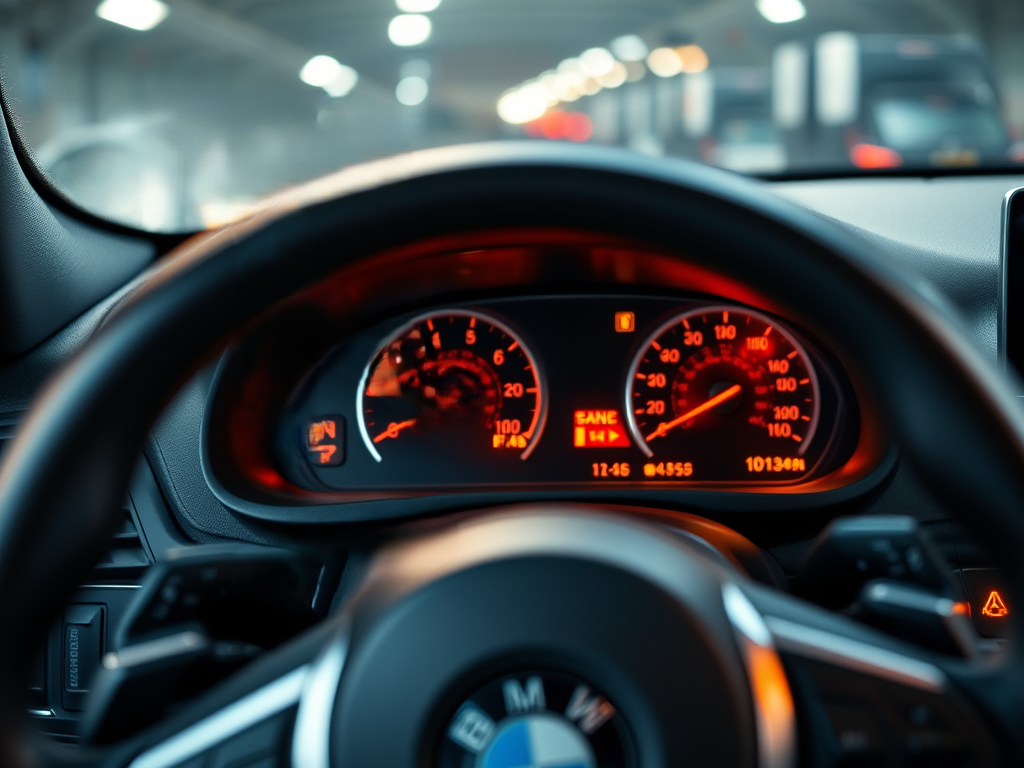
    • Dashboard lights dimming during startup
    • Frequent need for jump-starts
    • Electrical accessories operating poorly with the engine off
    • Difficulty starting after the vehicle sits overnight

    A discharged battery doesn’t always mean the battery itself is defective.

    The problem could involve a failing alternator, an electrical drain, or poor battery connections.

    How Is a Battery Problem Diagnosed?

    A professional car battery test evaluates battery condition and its ability to deliver electrical power.

    The technician may also inspect battery terminals, check the charging system, and investigate abnormal electrical drains.

    Replacing the battery without identifying the cause of repeated discharge may only provide a temporary solution.

    ⚙️ 2. Failing Alternator or Charging System Problems

    The alternator supplies electrical power while the engine operates and helps maintain the battery’s charge.

    If the alternator begins to fail, the vehicle may rely increasingly on stored battery energy.

    Eventually, the battery can become too discharged to support essential electrical systems.

    Common Signs of Alternator Problems

    • Battery warning light illuminating
    • Headlights dimming or flickering
    • Electrical accessories behaving unpredictably
    • Repeated battery discharge
    • Unusual whining or grinding noises
    • Engine stalling because of insufficient electrical power

    Charging problems may also originate from a slipping drive belt, damaged wiring, poor grounds, or voltage regulation faults.

    A complete charging system inspection helps determine whether the alternator needs replacement or another component is responsible.

    🚗 3. Starter Motor Problems

    The starter motor uses electrical energy from the battery to turn the engine during startup.

    When the starter or its control circuit malfunctions, the engine may fail to crank.

    Symptoms of a Bad Starter

    • A single click when attempting to start
    • Intermittent no-crank conditions
    • No response when turning the key or pressing the start button
    • Grinding noises during startup
    • An engine that won’t crank despite adequate battery power

    However, similar symptoms can result from a weak battery, damaged cables, faulty relays, ignition switch problems, or starting authorization issues.

    Why Proper Starter Testing Matters

    Replacing the starter won’t solve a problem caused by poor electrical connections or insufficient battery voltage.

    A technician can test the starting circuit, evaluate voltage drop, and determine whether the starter motor is receiving the correct electrical supply and commands.

    Accurate starting system diagnostics can prevent unnecessary repairs and reduce the risk of future no-start problems.

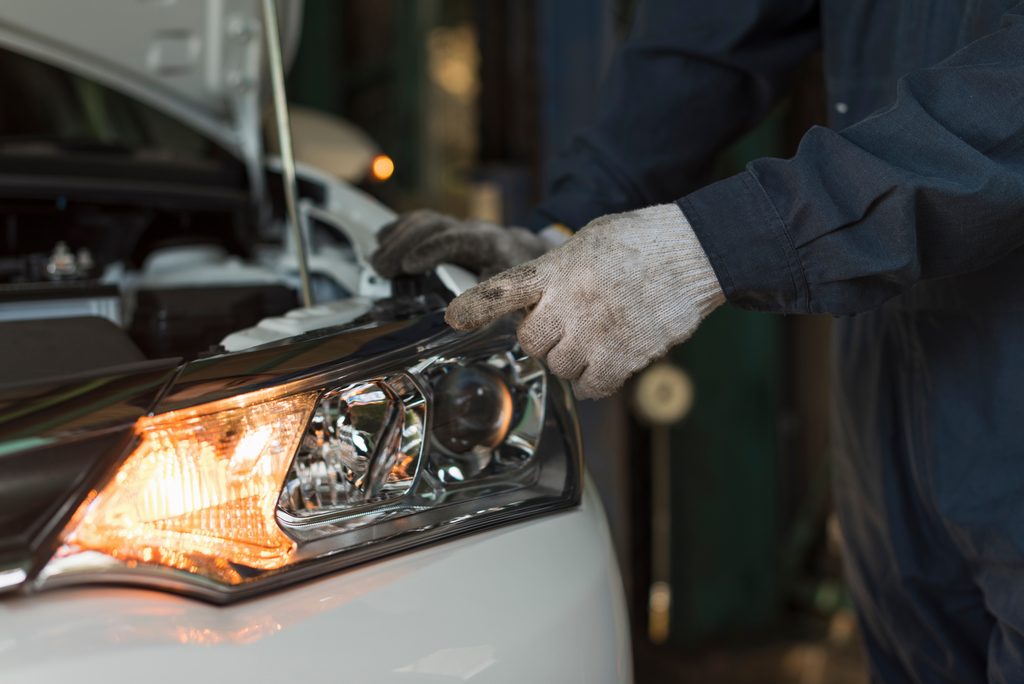
    💡 4. Flickering or Dimming Headlights

    Headlights depend on stable electrical power and properly functioning lighting circuits.

    If your headlights flicker while driving, the cause may involve the charging system, wiring, electrical grounds, or lighting components.

    Possible Causes of Dimming Headlights

    • Failing alternator
    • Weak battery
    • Loose electrical connections
    • Corroded grounding points
    • Damaged headlight wiring
    • Faulty lighting control modules
    • Worn bulbs or deteriorating headlight components

    You may notice headlights changing brightness when the engine idles or when accessories such as the air conditioner and rear defroster operate.

    While some vehicles may experience slight brightness changes as electrical loads fluctuate, significant or persistent dimming deserves attention.

    A professional automotive electrical inspection can identify whether the problem originates in the headlights or the vehicle’s power supply.

    🔥 5. Blown Fuses and Faulty Relays

    Fuses and relays play important roles in protecting and controlling automotive electrical circuits.

    A fuse is designed to interrupt electrical current when a circuit experiences excessive current.

    Relays allow lower-power control circuits to operate higher-current electrical components.

    Signs of Fuse or Relay Problems

    • Power windows stop working.
    • Interior lights fail.
    • A blower motor doesn’t operate.
    • Certain electrical accessories lose power.
    • A fuel pump or another controlled component doesn’t activate.
    • An electrical feature works intermittently.

    Why Does a Fuse Keep Blowing?

    A repeatedly blown fuse may indicate a short circuit, overloaded circuit, damaged wiring, or malfunctioning component.

    Simply replacing the fuse without addressing the cause can result in repeated failures.

    Never install a higher-amperage fuse than the vehicle manufacturer specifies. Doing so can allow excessive current to damage wiring and potentially create a fire hazard.

    Professional testing helps locate the underlying fault and restore proper circuit protection.

    🔌 6. Damaged Wiring and Poor Electrical Connections

    Modern vehicles contain extensive wiring harnesses connecting electronic systems throughout the vehicle.

    These wires and connectors are exposed to vibration, temperature changes, moisture, and environmental contamination.

    Over time, wiring may become damaged or connections may loosen.

    Common Causes of Automotive Wiring Problems

    • Corrosion
    • Heat damage
    • Road debris
    • Rodent activity
    • Water intrusion
    • Improper aftermarket accessory installation
    • Previous collision damage
    • Normal wear and vibration

    Symptoms of Damaged Vehicle Wiring

    • Intermittent electrical failures
    • Accessories working only occasionally
    • Dashboard warning lights
    • Unexplained battery drain
    • Headlight flickering
    • Blown fuses
    • Sensors reporting incorrect information

    Because wiring problems can affect multiple systems, they often require systematic electrical testing.

    Technicians may use wiring diagrams, multimeters, circuit testing equipment, and voltage drop measurements to locate the fault.

    🧠 7. Faulty Sensors and Electronic Control Modules

    Today’s vehicles rely on numerous sensors and electronic control modules to manage performance, emissions, safety, and comfort.

    Sensors monitor conditions such as engine temperature, airflow, oxygen content, wheel speed, and throttle position.

    Electronic control modules interpret this information and command various vehicle systems.

    When a sensor or module malfunctions, the vehicle may display warning lights or experience performance problems.

    Possible Symptoms

    • Check engine light illumination
    • Rough engine idle
    • Poor fuel economy
    • Reduced engine performance
    • Transmission shifting concerns
    • ABS or traction control warnings
    • Intermittent electronic accessory failures

    However, a diagnostic trouble code doesn’t automatically prove that the component named in the code is defective.

    For example, a sensor-related code may result from damaged wiring, a vacuum leak, or another mechanical issue.

    Professional computerized vehicle diagnostics help determine whether the problem involves the sensor, wiring, module, or another related system.

    🔋 8. Parasitic Battery Drain

    Have you ever parked your vehicle overnight only to discover that the battery is dead the next morning?

    A parasitic battery drain may be responsible.

    Vehicles normally consume a small amount of electricity while parked to maintain functions such as security systems, memory settings, and certain electronic modules.

    However, excessive current draw can discharge the battery over time.

    Common Causes of Excessive Battery Drain

    • Interior lights remaining on
    • Faulty electronic modules
    • Malfunctioning relays
    • Improperly installed aftermarket accessories
    • Defective switches
    • Wiring faults
    • Modules that fail to enter sleep mode

    How Is Parasitic Drain Diagnosed?

    A technician may measure electrical current after the vehicle’s electronic systems have entered their normal sleep state.

    Testing individual circuits helps narrow down the source of excessive power consumption.

    Because modern vehicles may take time to enter sleep mode, accurate testing requires following appropriate procedures.

    Identifying and repairing the source of the drain can help prevent repeated battery replacement.

    🚘 9. Power Window and Door Lock Malfunctions

    Power windows and electronic door locks depend on switches, motors, wiring, control modules, and electrical connections.

    When these components fail, everyday convenience features may stop working.

    Common Power Window Problems

    • A window won’t move up or down.
    • A window operates slowly.
    • The motor makes noise but the glass doesn’t move.
    • The window works intermittently.
    • One switch works while another doesn’t.

    Possible causes include a failed window motor, damaged regulator, defective switch, or wiring issue.

    Common Power Door Lock Problems

    • One door fails to lock or unlock.
    • Remote locking works inconsistently.
    • Door locks activate unexpectedly.
    • A door lock actuator makes unusual noises.

    These symptoms may involve door lock actuators, wiring, switches, or electronic control modules.

    Professional diagnosis helps determine whether the problem is electrical, mechanical, or a combination of both.

    🌡️ 10. Climate Control Electrical Problems

    Your vehicle’s heating and air conditioning systems also depend on electrical components.

    Blower motors, control modules, sensors, switches, and actuators regulate cabin airflow and temperature.

    When these components malfunction, the system may stop working correctly.

    Signs of Climate Control Electrical Issues

    • Blower fan doesn’t operate.
    • Fan works only at certain speeds.
    • Air conditioning turns on and off unexpectedly.
    • Temperature controls don’t respond.
    • Air blows from the wrong vents.
    • Clicking noises occur behind the dashboard.

    A failed blower motor, resistor or control module, electrical connection, or blend door actuator may be responsible.

    However, warm air from the vents can also result from refrigerant or mechanical AC problems.

    Accurate automotive electrical diagnostics help distinguish between electrical faults and other climate control issues.

    🚨 11. Dashboard Warning Lights and Instrument Cluster Problems

    Dashboard warning lights are designed to alert drivers to potential vehicle problems.

    However, electrical faults can sometimes cause multiple warning lights to illuminate simultaneously.

    Common Warning Signs

    • Battery warning light
    • Check engine light
    • ABS warning light
    • Traction control warning
    • Airbag system warning
    • Instrument cluster flickering
    • Gauges displaying inconsistent readings

    A low-voltage condition can sometimes affect several electronic systems at once.

    However, multiple warning lights may also indicate separate mechanical or electronic problems.

    A diagnostic scan can retrieve relevant trouble codes, while additional testing helps identify the underlying cause.

    Warning lights should be investigated rather than automatically attributed to a bad battery or alternator.

    🔍 How Professional Automotive Electrical Diagnostics Work

    Electrical problems can be challenging because many different components can produce similar symptoms.

    A systematic diagnostic process helps identify the root cause.

    Depending on the vehicle and concern, technicians may perform the following steps:

    1. Review the symptoms: Determine when and how the electrical problem occurs.
    2. Inspect the battery: Evaluate condition, charge level, and terminal connections.
    3. Test the charging system: Check alternator operation and electrical output.
    4. Evaluate the starting system: Inspect starter operation and related circuits.
    5. Retrieve diagnostic trouble codes: Identify information stored by vehicle control modules.
    6. Inspect fuses and relays: Verify proper circuit protection and switching.
    7. Perform voltage drop testing: Locate excessive electrical resistance.
    8. Inspect wiring and grounds: Identify corrosion, damage, or loose connections.
    9. Test affected components: Confirm whether individual motors, sensors, or modules operate correctly.
    10. Verify the repair: Confirm that the original problem has been resolved.

    This approach helps reduce guesswork and unnecessary parts replacement.

    💰 How Much Does Automotive Electrical Repair Cost?

    The cost of car electrical repair depends on the type of problem, vehicle design, parts required, and diagnostic time.

    Some repairs involve relatively simple components, while others require extensive circuit tracing or replacement of sophisticated electronic modules.

    Electrical ProblemPotential Repair
    Weak batteryBattery replacement
    Failing alternatorAlternator repair or replacement
    Starter failureStarter replacement
    Blown fuseCircuit diagnosis and appropriate fuse replacement
    Damaged wiringWiring or connector repair
    Parasitic battery drainLocate and correct excessive current draw
    Faulty sensorSensor or related circuit repair
    Power window failureSwitch, motor, regulator, or wiring repair
    Climate control malfunctionElectrical component or actuator repair
    Control module issueModule diagnosis, programming, or replacement

    Actual costs depend on the vehicle and confirmed cause.

    A professional estimate should explain the diagnostic findings, recommended repairs, and any additional work needed to restore reliable operation.

    🛡️ How to Prevent Common Car Electrical Problems

    While not every electrical failure can be prevented, routine maintenance can help reduce the risk of unexpected problems.

    🔋 Maintain Your Battery

    Have your battery tested when starting performance changes or the battery shows signs of deterioration.

    ⚡ Address Charging System Warnings

    Don’t ignore battery warning lights, flickering headlights, or repeated battery discharge.

    🔧 Inspect Belts and Connections

    Worn drive belts, loose terminals, and corroded grounds can contribute to electrical malfunctions.

    💧 Prevent Water Intrusion

    Damaged weather seals and clogged drains can allow moisture to reach wiring and electronic modules.

    🔌 Use Properly Installed Accessories

    Aftermarket audio systems, lighting, and other accessories should be installed using appropriate wiring, circuit protection, and manufacturer-compatible components.

    🚗 Respond to Small Problems Early

    Intermittent electrical issues often become more difficult to diagnose if ignored until complete failure occurs.

    Prompt inspection can help prevent inconvenient breakdowns.

    📍 Automotive Electrical Repair in Corona and Surrounding Areas

    Drivers throughout Corona, Norco, Eastvale, Riverside, and surrounding communities rely on their vehicles for daily commuting, family transportation, and weekend travel.

    Electrical problems can disrupt those routines without much warning.

    A vehicle that starts normally one day may refuse to start the next because of a weak battery, charging failure, or electrical drain.

    Similarly, flickering lights, malfunctioning accessories, or unexpected warning messages may indicate developing electrical concerns.

    Professional automotive electrical troubleshooting can help identify these problems before they cause more significant inconvenience.

    Whether you’re dealing with a simple electrical connection issue or a complex electronic system malfunction, understanding the cause is essential for choosing an effective repair.

    ❓ Frequently Asked Questions About Automotive Electrical Problems

    What are the most common electrical problems in cars?

    Common issues include weak batteries, failing alternators, starter problems, blown fuses, damaged wiring, faulty sensors, poor electrical grounds, and parasitic battery drains.

    How do I know if my car has an electrical problem?

    Warning signs may include intermittent starting, dimming headlights, flickering dashboard lights, malfunctioning accessories, repeated battery discharge, and unusual warning messages.

    Can a bad alternator cause multiple electrical problems?

    Yes. A failing alternator can create insufficient or unstable electrical power, affecting multiple vehicle systems.

    Why does my car battery keep dying even after replacement?

    Possible causes include an excessive parasitic drain, charging system failure, poor electrical connections, or a defective replacement battery.

    Can a blown fuse cause my car not to start?

    Yes. Depending on the affected circuit, a blown fuse may interrupt power to essential starting, ignition, or fuel system components.

    Are automotive electrical problems expensive to repair?

    Costs vary widely. Some repairs are straightforward, while complex wiring faults or electronic module failures can require more extensive labor and parts.

    Can I drive with an electrical system warning light?

    It depends on the warning and symptoms. Charging system failures can lead to stalling, while faults affecting critical safety systems may make continued driving unsafe. Have serious warnings evaluated promptly.

    📞 Get Reliable Automotive Electrical Diagnostics and Repair

    Your vehicle’s electrical system supports nearly every aspect of modern driving, from starting the engine to operating essential safety and convenience features. When electrical problems develop, accurate diagnosis is the key to avoiding unnecessary repairs and preventing unexpected breakdowns. At 10 Degrees Automotive, we help drivers throughout Corona and surrounding areas identify automotive electrical problems, troubleshoot battery and charging system issues, and address malfunctioning electrical components. Call 951.414.9423 today to schedule professional automotive electrical diagnostics and take the next step toward dependable vehicle performance.

  • 💡 Why Do My Headlights Dim While Driving?

    By 10 Degrees Automotive | Corona and Surrounding Areas | 951.414.9423

    Why Do My Headlights Dim While Driving?

    Driving at night requires clear visibility, and your headlights play a critical role in keeping you and other motorists safe. If you’ve noticed your headlights dimming while driving, flickering when you accelerate, or becoming noticeably weaker when your air conditioner or other electrical accessories are running, your vehicle may be experiencing an electrical or charging system problem. At 10 Degrees Automotive, we help drivers throughout Corona and surrounding areas identify the causes of dim headlights and restore dependable vehicle lighting. Whether the problem involves a failing alternator, weak battery, damaged wiring, or another electrical component, call 951.414.9423 to schedule professional automotive electrical diagnostics before a minor issue becomes a major inconvenience.

    🚗 Why Are My Car’s Headlights Getting Dimmer?

    Your vehicle’s headlights depend on a consistent electrical power supply to operate properly.

    In most conventional gasoline-powered vehicles, the battery supplies electricity during starting, while the alternator generates electrical power once the engine is running.

    The vehicle’s charging system helps maintain the electrical supply needed for headlights, dashboard instruments, engine controls, and accessories.

    When electrical voltage becomes insufficient or unstable, some types of headlights may dim or flicker.

    However, not every lighting problem originates from the alternator or battery.

    Damaged wiring, corroded connections, aging bulbs, faulty switches, and modern lighting control systems can also contribute to poor headlight performance.

    Understanding the possible causes is the first step toward choosing the correct repair.

    ⚡ 1. A Failing Alternator Is Affecting Electrical Power

    One of the most common reasons for headlights dimming while driving is a problem with the vehicle’s alternator or charging system.

    The alternator generates electrical energy while the engine operates.

    If it cannot supply enough power to meet the vehicle’s electrical demands, voltage may drop and certain lighting systems may become noticeably dimmer.

    Signs of Alternator-Related Headlight Problems

    • Headlights dimming when the engine idles
    • Lights changing brightness when accelerating
    • Dashboard lights flickering
    • Battery warning light illuminating
    • Electrical accessories operating inconsistently
    • Repeated dead battery problems

    A failing alternator can eventually cause the battery to discharge while driving.

    If the vehicle depends on that remaining battery power, it may stall once the available electrical energy becomes insufficient.

    How Is the Alternator Tested?

    Professional alternator testing may include measuring charging voltage, evaluating electrical output under load, inspecting the drive belt, and checking charging system connections.

    Modern vehicles may use computer-controlled charging strategies, so voltage readings must be interpreted according to the manufacturer’s specifications.

    Replacing the alternator without proper testing can result in unnecessary expenses if another component is responsible.

    🔋 2. Your Car Battery Is Weak or Failing

    Although the alternator provides most electrical power while a conventional engine is running, the battery also helps stabilize the vehicle’s electrical system.

    A weak or deteriorating battery may contribute to voltage fluctuations, especially during changes in electrical demand.

    Common Signs of a Weak Battery

    • Slow engine cranking
    • Clicking when attempting to start
    • Frequent jump-starts
    • Headlights appearing weak with the engine off
    • Electrical accessories behaving unpredictably
    • Difficulty starting after the vehicle sits overnight

    However, a weak battery is not always the direct cause of headlights dimming while driving.

    The charging system, electrical connections, and lighting circuits must also be evaluated.

    A professional car battery test can help determine whether the battery is healthy, discharged, or nearing the end of its useful service life.

    🔌 3. Loose or Corroded Battery Connections

    Your vehicle relies on secure electrical connections to transfer power efficiently.

    Battery terminals, grounding points, and charging system cables can become loose, corroded, or damaged over time.

    These conditions may create excessive electrical resistance, interfering with power delivery.

    Warning Signs of Connection Problems

    • Intermittent headlight flickering
    • Electrical accessories working inconsistently
    • Difficulty starting the engine
    • Visible corrosion around battery terminals
    • Lights changing brightness when electrical loads change

    Corrosion often appears as a white, blue, or greenish buildup around battery connections.

    Loose or damaged grounding connections can also produce unusual electrical symptoms.

    Why Electrical Grounds Matter

    The vehicle’s electrical system depends on properly functioning ground connections to complete circuits.

    When a ground connection becomes corroded or loose, current may not flow as intended.

    This can cause headlight flickering, intermittent lighting failures, or other electrical malfunctions.

    Professional electrical system diagnostics can identify excessive resistance through voltage drop testing and connection inspections.

    🛞 4. A Worn or Slipping Serpentine Belt

    On many conventional vehicles, the alternator is driven by a serpentine belt connected to the engine.

    If that belt becomes worn, loose, contaminated, or damaged, it may slip and prevent the alternator from operating effectively.

    Reduced alternator output can affect electrical system performance and contribute to dim headlights.

    Symptoms of a Belt-Related Problem

    • Squealing noises from the engine compartment
    • Headlights dimming at certain engine speeds
    • Battery charging warnings
    • Visible belt cracking or fraying
    • Intermittent charging problems

    A failing belt tensioner or damaged pulley can create similar problems.

    Depending on vehicle design, the serpentine belt may also drive other important accessories.

    If the belt fails completely, the vehicle may lose charging capability and, on some engines, coolant circulation.

    A damaged or slipping drive belt should be inspected promptly to help prevent additional mechanical and electrical problems.

    💡 5. Aging or Worn-Out Headlight Bulbs

    Sometimes the problem isn’t electrical power delivery at all.

    Headlight bulbs can gradually lose brightness as they age.

    Traditional halogen bulbs may become less effective over time, while HID and LED lighting systems can experience different types of component deterioration.

    Signs Your Headlight Bulbs May Be Wearing Out

    • One headlight is noticeably dimmer than the other.
    • Light output has gradually decreased.
    • The headlights appear discolored.
    • A bulb works intermittently.
    • One bulb has stopped working entirely.

    If only one headlight is dim, the issue may involve that specific bulb, socket, wiring connection, or lighting module.

    When both headlights dim simultaneously, a shared power supply or control problem becomes more likely.

    Should Both Headlight Bulbs Be Replaced Together?

    For many vehicles using replaceable halogen bulbs, replacing bulbs in pairs can help maintain consistent brightness and color.

    However, modern LED headlight assemblies may require different repair procedures.

    The appropriate solution depends on your vehicle’s lighting design.

    🔧 6. Damaged Headlight Wiring or Connectors

    Headlight wiring carries electrical power from the vehicle’s electrical system to the lighting components.

    Over time, wiring and connectors can become damaged by:

    • Heat exposure
    • Moisture intrusion
    • Road vibration
    • Corrosion
    • Previous improper repairs
    • Physical damage
    • Rodent activity

    Damaged wiring may cause intermittent electrical contact, increased resistance, or complete circuit failure.

    What Does a Wiring Problem Look Like?

    You might notice headlights flickering when driving over bumps, one headlight operating intermittently, or lighting that changes unexpectedly.

    In some cases, a damaged connector may show discoloration or signs of overheating.

    A technician can inspect the circuit, test voltage and ground integrity, and locate wiring faults.

    Repairing the affected connection or circuit may restore normal lighting without requiring expensive component replacement.

    ⚙️ 7. A Faulty Voltage Regulator

    The voltage regulator helps control alternator output so the vehicle’s electrical system receives appropriate charging voltage.

    In many vehicles, voltage regulation is integrated into the alternator or managed through electronic control systems.

    When regulation fails, the electrical supply may become unstable.

    Symptoms of Voltage Regulation Problems

    • Headlights repeatedly becoming brighter and dimmer
    • Battery charging warnings
    • Electrical accessories behaving unpredictably
    • Battery overcharging or undercharging
    • Abnormal charging system voltage readings

    Excessive voltage can potentially damage the battery and sensitive electronic components.

    Insufficient voltage can cause electrical systems to malfunction or shut down.

    Because modern charging systems vary, accurate testing is essential before concluding that the regulator is defective.

    🌬️ 8. Electrical Demand From the AC, Heater, or Other Accessories

    Have you noticed your headlights dim when the AC turns on or when you activate the rear defroster?

    Electrical accessories increase demand on the vehicle’s charging system.

    Common high-demand accessories include:

    • Air conditioning blower motors
    • Rear window defrosters
    • Heated seats
    • Electric cooling fans
    • Audio amplifiers
    • Windshield wipers
    • Power steering systems on certain vehicles

    A brief, slight change in brightness may occur in some vehicles as electrical loads change.

    However, significant dimming, persistent flickering, or repeated voltage drops may indicate a charging system or connection problem.

    A professional inspection can determine whether the behavior is normal for your vehicle or a symptom of an underlying issue.

    🚦 9. Headlights Dim When Idling at a Stoplight

    Drivers sometimes notice that their headlights become dimmer while waiting at a traffic signal.

    When the engine idles, the alternator generally rotates more slowly than it does at higher engine speeds.

    On some vehicles, electrical output at idle may be lower, particularly when multiple accessories are operating.

    Modern charging systems are designed to manage these conditions, but problems can develop when components wear or electrical demand becomes excessive.

    Potential causes include:

    • Reduced alternator output
    • Weak battery condition
    • Poor electrical grounds
    • Belt slippage
    • Excessive accessory demand
    • Charging system control issues

    If your headlights become noticeably brighter every time you accelerate, the charging system should be evaluated.

    Persistent headlight dimming at idle should not automatically be considered normal, especially when accompanied by other electrical symptoms.

    🌙 10. Cloudy Headlight Lenses Are Reducing Visibility

    Not every complaint about dim headlights involves the electrical system.

    Many vehicles develop cloudy, yellowed, or oxidized headlight lenses after years of exposure to sunlight and environmental conditions.

    The outer plastic lens can become hazy, reducing the amount and quality of light reaching the roadway.

    Signs of Oxidized Headlight Lenses

    • Yellow or cloudy headlight covers
    • Poor nighttime visibility
    • Reduced beam clarity
    • Headlights that appear weak despite functioning bulbs
    • Uneven or scattered light patterns

    Professional headlight restoration may improve light transmission when surface oxidation is the primary problem.

    However, severely damaged lenses or internal headlight deterioration may require replacement.

    Proper headlight aim is also important for maximizing visibility without creating excessive glare for other drivers.

    🔍 How Professional Headlight and Electrical Diagnostics Work

    When headlights dim unexpectedly, accurate diagnosis helps identify whether the issue involves the lighting system itself or the vehicle’s electrical supply.

    A comprehensive automotive electrical inspection may include several steps.

    Step 1: Inspect the Battery

    A technician evaluates battery condition, state of charge, and electrical connections.

    Step 2: Test the Alternator

    Charging voltage and current are checked under appropriate operating conditions.

    Step 3: Evaluate Electrical Loads

    The technician may operate accessories to determine how the charging system responds to increased demand.

    Step 4: Inspect Wiring and Grounds

    Electrical connections are checked for corrosion, looseness, and excessive resistance.

    Step 5: Examine Headlight Components

    Bulbs, sockets, connectors, lenses, and control modules are inspected as appropriate.

    Step 6: Check the Drive Belt

    The alternator belt, tensioner, and pulleys are evaluated for wear or malfunction.

    Step 7: Identify the Root Cause

    After testing, the technician can recommend repairs based on actual findings rather than assumptions.

    Proper electrical diagnostics can prevent unnecessary battery, alternator, or headlight replacement.

    💰 How Much Does It Cost to Fix Dim Headlights?

    The cost of repairing dim car headlights depends on the cause.

    Some problems may require relatively simple maintenance, while others involve more extensive electrical repairs.

    Potential ProblemPossible Repair
    Worn headlight bulbsBulb replacement
    Cloudy lensesHeadlight restoration or replacement
    Corroded battery terminalsConnection cleaning or repair
    Weak batteryBattery replacement if testing confirms failure
    Failing alternatorAlternator repair or replacement
    Damaged wiringElectrical circuit repair
    Worn serpentine beltBelt or tensioner replacement
    Faulty lighting moduleModule diagnosis, repair, or replacement

    Repair costs vary based on vehicle make, model, parts availability, and labor requirements.

    Modern LED and adaptive headlight systems may be more complex and expensive to service than traditional halogen lighting systems.

    A professional inspection helps establish which repair is actually necessary.

    ⚠️ Is It Safe to Drive With Dimming Headlights?

    Driving with significantly dim or flickering headlights can be dangerous, especially at night.

    Reduced illumination limits your ability to see pedestrians, road hazards, curves, and other vehicles.

    Headlight dimming can also signal a broader charging system problem.

    If the alternator stops supplying sufficient electricity, the vehicle may eventually stall.

    What Should You Do if Your Headlights Suddenly Dim?

    1. Stay alert and reduce speed as conditions allow.
    2. Avoid unnecessary electrical loads if doing so is safe.
    3. Watch for battery or charging system warning lights.
    4. Pull over in a safe location if visibility becomes inadequate.
    5. Arrange professional assistance if the problem is severe or persistent.

    If your headlights become too dim to safely illuminate the road, do not continue driving at night.

    Never ignore major electrical warning signs simply because the vehicle still starts and runs.

    🛡️ How to Prevent Headlight and Charging System Problems

    Routine maintenance can help protect your vehicle’s electrical system and reduce the likelihood of unexpected lighting failures.

    🔋 Test Your Battery Periodically

    Battery condition can deteriorate gradually.

    Testing becomes particularly useful when starting performance changes or the battery approaches the end of its expected service life.

    ⚡ Inspect the Charging System

    If you notice flickering lights, repeated battery discharge, or charging warnings, have the alternator and related components evaluated.

    🔌 Keep Electrical Connections in Good Condition

    Corroded terminals and loose grounds can interfere with electrical performance.

    Address connection problems before they affect multiple systems.

    💡 Maintain Your Headlights

    Inspect headlight bulbs, lenses, and lighting operation regularly.

    Replace failed bulbs promptly and address severely oxidized lenses.

    🔧 Follow Recommended Belt Maintenance

    A worn serpentine belt can affect alternator performance and other engine accessories.

    Follow manufacturer maintenance recommendations and investigate unusual belt noises.

    📍 Headlight and Electrical System Repair in Corona and Surrounding Areas

    Drivers throughout Corona, Norco, Eastvale, Riverside, and surrounding communities rely on dependable vehicle lighting for early morning commutes, evening travel, and nighttime freeway driving.

    Whether you’re navigating busy city streets or traveling along Interstate 15 or the 91 Freeway, properly functioning headlights are essential for safe visibility.

    A headlight problem may be caused by something as straightforward as an aging bulb or as complex as an intermittent charging system failure.

    Professional car electrical diagnostics can help distinguish between these possibilities.

    If your headlights dim while idling, flicker while driving, or change brightness when accessories are operating, having the system inspected can help prevent more serious problems.

    ❓ Frequently Asked Questions About Dimming Headlights

    Why do my headlights dim when I accelerate?

    Changes in headlight brightness during acceleration may indicate charging system voltage fluctuations, belt-related problems, or electrical connection issues. Testing is needed to determine whether the behavior is normal or abnormal.

    Can a bad battery cause headlights to dim while driving?

    Yes, a weak battery can contribute to electrical instability. However, because the alternator generally supplies electrical power while a conventional engine runs, the charging system should also be tested.

    Why do my headlights flicker when I turn on the air conditioner?

    The air conditioning system can increase electrical demand through blower motors, cooling fans, and other components. Significant flickering may indicate a charging system or wiring problem.

    Does dimming headlights always mean the alternator is bad?

    No. Battery problems, poor grounds, damaged wiring, aging bulbs, and lighting control faults can produce similar symptoms.

    Can I fix dim headlights by replacing the bulbs?

    If the bulbs are worn or deteriorating, replacement may improve brightness. However, new bulbs won’t correct an underlying electrical supply problem.

    Why is one headlight dimmer than the other?

    A single dim headlight may indicate a deteriorating bulb, damaged connector, poor ground, faulty driver module, or lens-related problem.

    Can dim headlights cause my car to stall?

    Dim headlights themselves don’t cause an engine to stall. However, if the dimming results from a failing charging system, the vehicle may eventually lose enough electrical power to stop running.

    📞 Restore Bright, Reliable Headlights and Drive With Confidence

    Your headlights are essential for safe driving, and unexpected dimming should never be overlooked. Whether the cause is a failing alternator, weak battery, corroded electrical connection, worn headlight bulb, or another automotive electrical problem, identifying the source early can help prevent inconvenient breakdowns and costly repairs. At 10 Degrees Automotive, we help drivers throughout Corona and surrounding areas diagnose dimming headlights and address vehicle charging and lighting system concerns. Call 951.414.9423 today to schedule a professional electrical system inspection and keep your vehicle’s headlights shining brightly when you need them most.

  • ❄️ Why Is My Car’s Air Conditioner Blowing Warm Air?

    By 10 Degrees Automotive | Corona and Surrounding Areas | 951.414.9423

    Why Is My Car’s Air Conditioner Blowing Warm Air?

    When temperatures climb in Southern California, a properly functioning car air conditioning system is essential for staying comfortable behind the wheel. Whether you’re commuting through Corona, traveling along the 91 Freeway, or running errands around town, discovering that your car AC is blowing warm air can quickly turn an ordinary drive into an uncomfortable experience. At 10 Degrees Automotive, we help drivers throughout Corona and surrounding areas identify the causes of automotive air conditioning problems and find reliable solutions. If your vehicle’s air conditioner isn’t cooling properly, call 951.414.9423 to schedule a professional car AC inspection and get your comfort back.

    🌡️ Why Your Car’s Air Conditioner Stops Blowing Cold Air

    Your vehicle’s air conditioning system relies on several components working together to remove heat and humidity from the cabin.

    The system circulates refrigerant through a series of components, including the compressor, condenser, expansion device, and evaporator. As refrigerant moves through the system, it absorbs heat from inside the vehicle and releases that heat outside.

    When any part of this process fails, your AC may begin blowing warm air, cooling inconsistently, or stopping altogether.

    Understanding the most common causes can help you recognize problems before they lead to more expensive repairs.

    🧊 1. Low Refrigerant Levels or an AC Refrigerant Leak

    One of the most common reasons a car AC blows warm air is insufficient refrigerant.

    Refrigerant is the substance responsible for transferring heat through your vehicle’s air conditioning system. Without the correct amount, the system cannot cool the cabin effectively.

    Unlike gasoline, refrigerant is not normally consumed during operation. If refrigerant levels are low, a leak or previous improper servicing may be responsible.

    Signs of Low AC Refrigerant

    • Air conditioning gradually becomes less effective.
    • Vents blow cool air instead of cold air.
    • Cooling performance changes depending on driving conditions.
    • The AC compressor may not engage.
    • Oily residue appears around refrigerant connections or components.

    How Is a Refrigerant Leak Repaired?

    A technician may use electronic leak detection equipment, ultraviolet dye when appropriate, or other approved testing methods to locate the leak.

    Once the problem is identified, the damaged component or connection can be repaired or replaced.

    The system must then be evacuated and charged with the correct refrigerant type and quantity according to manufacturer specifications.

    Important: Simply adding refrigerant without identifying the underlying problem may provide only temporary relief. Overcharging the system can also cause damage.

    ⚙️ 2. A Failing Air Conditioning Compressor

    The AC compressor is a critical component of your vehicle’s air conditioning system.

    It circulates refrigerant and creates the pressure conditions necessary for effective cooling.

    If the compressor fails, refrigerant may not circulate properly, resulting in little or no cold air.

    Common Symptoms of AC Compressor Problems

    • Warm air blowing from the vents
    • Unusual clicking, grinding, or squealing noises
    • Intermittent cooling
    • Compressor clutch engagement problems on equipped vehicles
    • Visible refrigerant or oil leaks near the compressor

    Some modern vehicles use variable-displacement compressors or electrically driven compressors, so symptoms and diagnostic procedures can vary.

    Does a Bad AC Compressor Always Need Replacement?

    Not necessarily.

    Sometimes the issue involves an electrical connection, relay, sensor, control valve, or another related component rather than a mechanically failed compressor.

    A thorough automotive AC diagnostic inspection can help determine whether the compressor itself requires replacement.

    🔥 3. A Blocked or Damaged AC Condenser

    The AC condenser is generally located near the front of the vehicle, where airflow helps release heat from the refrigerant.

    Over time, road debris, dirt, insects, and other contaminants can accumulate around the condenser.

    Physical damage from road debris can also create refrigerant leaks.

    Signs of Condenser Problems

    A condenser problem may cause:

    • Weak cooling performance
    • Air conditioning that becomes warmer while idling
    • Higher-than-normal AC system pressures
    • Refrigerant leaks
    • Cooling that improves or changes at highway speeds

    Because the condenser depends on airflow, cooling fan problems can produce similar symptoms.

    A professional inspection can determine whether the condenser needs cleaning, repair, or replacement.

    🌬️ 4. Cooling Fan Problems

    Your vehicle’s cooling fans help move air across the condenser, especially when the vehicle is stopped or traveling slowly.

    If a cooling fan stops working, heat may build up in the air conditioning system.

    This can cause your car AC to blow warm air at idle while performing better at highway speeds.

    What Causes Cooling Fans to Stop Working?

    Potential causes include:

    • Failed cooling fan motors
    • Damaged wiring
    • Blown fuses
    • Faulty relays
    • Temperature sensor problems
    • Fan control module failures

    Cooling fan issues may also contribute to engine overheating, making prompt diagnosis especially important.

    If your temperature gauge rises abnormally while the AC is running, turn off the air conditioning and have the vehicle inspected.

    🔌 5. Electrical Problems in the AC System

    Modern automotive air conditioning systems depend on numerous electrical components.

    Sensors, switches, modules, wiring, and control circuits help regulate compressor operation, fan speed, and cabin temperature.

    When one of these components fails, the system may stop producing cold air even if its major mechanical components are still functional.

    Common Electrical AC Problems

    Blown fuses: A failed fuse can interrupt power to important AC components.

    Faulty relays: Relays control electrical circuits on many vehicles, including compressor and cooling fan circuits.

    Damaged wiring: Corrosion, loose connectors, or broken wires may prevent proper operation.

    Pressure sensor problems: Incorrect refrigerant pressure readings can cause the system to disable compressor operation.

    Climate control module issues: Electronic control failures can interfere with temperature regulation.

    Because electrical symptoms can resemble mechanical failures, accurate testing is essential before replacing expensive parts.

    🚘 6. A Malfunctioning Blend Door Actuator

    Sometimes the air conditioning system produces cold air, but that air never reaches the cabin at the desired temperature.

    This can happen when a blend door actuator fails.

    The blend door regulates how air passes through the heating and cooling sections of the vehicle’s climate control system.

    If the door becomes stuck in the heating position, warm air may continue flowing through the vents even when the temperature control is set to cold.

    Signs of a Faulty Blend Door Actuator

    • Warm air from one side of the dashboard
    • Clicking or tapping noises behind the dashboard
    • Temperature controls that don’t respond properly
    • Inconsistent air temperatures
    • Cold air from some vents but warm air from others

    Vehicles equipped with dual-zone climate control systems may experience different temperatures on the driver and passenger sides.

    Replacing or recalibrating the actuator may restore normal operation, depending on the cause.

    🧼 7. A Dirty Cabin Air Filter or Restricted Airflow

    Your vehicle’s cabin air filter helps trap dust, pollen, and other airborne particles before they enter the passenger compartment.

    As the filter collects debris, airflow can become restricted.

    A severely clogged filter can make the air conditioning feel weak, even when the refrigeration system is working properly.

    Symptoms of a Clogged Cabin Air Filter

    • Reduced airflow from dashboard vents
    • Musty or unpleasant odors
    • Increased dust inside the vehicle
    • Weak defroster performance
    • Longer cabin cooling times

    Replacing a dirty cabin air filter is generally a relatively simple maintenance service.

    However, if the air is blowing strongly but remains warm, the problem is more likely related to another AC component.

    💧 8. A Faulty Expansion Valve or Refrigerant Metering Device

    Your air conditioning system uses an expansion valve, orifice tube, or another metering device to control refrigerant flow into the evaporator.

    If this component becomes blocked or malfunctions, refrigerant may not flow at the proper rate.

    Possible symptoms include:

    • Inconsistent cooling
    • Warm air from the vents
    • Abnormal refrigerant pressure readings
    • Evaporator icing
    • Cooling that stops after the system has been running

    Diagnosing these problems requires specialized equipment and an understanding of refrigerant pressures and temperatures.

    A qualified technician can determine whether the metering device is responsible or whether another issue is creating similar symptoms.

    🧊 9. A Frozen AC Evaporator

    Your vehicle’s evaporator absorbs heat from cabin air.

    Under certain conditions, moisture on the evaporator can freeze, restricting airflow and reducing cooling performance.

    This may happen because of:

    • Restricted airflow
    • Low refrigerant charge
    • Faulty evaporator temperature sensors
    • Blower motor problems
    • Improper refrigerant control

    A common symptom is air conditioning that initially works well but gradually becomes weaker during a longer drive.

    After the system is turned off and the ice melts, cooling may temporarily return.

    Because several problems can cause evaporator icing, identifying the underlying issue is necessary for a lasting repair.

    ☀️ 10. Extreme Heat and Excessive Cabin Temperatures

    Corona summers can place significant demands on automotive air conditioning systems.

    When a vehicle sits in direct sunlight, interior temperatures can rise far above the outside air temperature.

    Your air conditioner must remove that accumulated heat before the cabin becomes comfortable.

    This means cooling may take longer during extremely hot weather.

    However, a properly functioning AC system should still produce noticeably cooler air once operating conditions stabilize.

    If the vents continue blowing warm air after several minutes of driving, a mechanical or electrical problem may be present.

    🔍 How Professional Car AC Diagnostics Work

    When your vehicle air conditioner isn’t cooling, replacing parts based on symptoms alone can become expensive.

    A systematic diagnostic process helps identify the actual problem.

    Depending on the vehicle and symptoms, technicians may perform the following checks:

    1. Inspect the AC system: Examine visible components, hoses, connections, and the condenser for damage or leaks.
    2. Measure vent temperatures: Determine whether the system is producing adequate cooling.
    3. Check refrigerant pressures: Evaluate system operation using appropriate service equipment.
    4. Test compressor operation: Confirm whether the compressor is receiving the correct commands and operating properly.
    5. Inspect cooling fans: Verify that condenser airflow is sufficient.
    6. Evaluate electrical controls: Check sensors, fuses, wiring, and climate control components.
    7. Perform leak detection: Locate refrigerant leaks when low charge is suspected.
    8. Recommend necessary repairs: Explain the findings and available repair options.

    A comprehensive car AC diagnostic service can help prevent unnecessary component replacement and reduce the chance of recurring problems.

    💰 How Much Does Car AC Repair Cost?

    The cost of automotive air conditioning repair depends on the specific problem, vehicle design, refrigerant type, and labor involved.

    A cabin air filter replacement or minor electrical repair may be relatively inexpensive.

    A compressor replacement, evaporator repair, or extensive refrigerant leak repair may require substantially more labor and parts.

    Several factors influence the final estimate:

    • Vehicle make, model, and year
    • Type of refrigerant required
    • Accessibility of damaged components
    • Replacement part availability
    • Extent of refrigerant leakage
    • Additional repairs needed for reliable operation

    The best way to understand your repair cost is to have the system professionally inspected and diagnosed.

    Accurate diagnosis helps you avoid paying for parts or services your vehicle doesn’t actually need.

    🛡️ How to Keep Your Car’s AC Working Properly

    Preventative maintenance can help improve cooling performance and reduce the likelihood of unexpected air conditioning problems.

    🌬️ Replace Your Cabin Air Filter

    Follow your vehicle manufacturer’s recommendations and inspect the filter more frequently if you drive in dusty conditions.

    🔧 Address Cooling Problems Early

    If your AC starts taking longer to cool or produces inconsistent temperatures, schedule an inspection before the issue becomes more severe.

    🚗 Keep the Condenser Area Clear

    Debris around the front grille and condenser can restrict airflow.

    Have excessive buildup inspected and cleaned using methods appropriate for your vehicle.

    ❄️ Operate the AC Periodically

    Running the air conditioner periodically, when conditions and manufacturer recommendations allow, can help keep the system operating and make it easier to notice developing problems.

    🧰 Avoid DIY Refrigerant Overcharging

    Refrigerant systems require precise charge quantities and specialized equipment.

    Adding the wrong refrigerant or too much refrigerant can reduce cooling performance and potentially damage components.

    Professional servicing also helps ensure refrigerant is handled safely and in accordance with applicable regulations.

    📍 Reliable Car AC Service for Corona and Surrounding Areas

    Drivers throughout Corona, Norco, Eastvale, Riverside, and surrounding communities depend on comfortable, reliable transportation.

    A malfunctioning air conditioner can make commuting, family trips, and everyday driving especially uncomfortable during Southern California’s warmer months.

    Whether your AC stopped cooling suddenly, gradually lost performance, or only blows cold air while driving, the symptoms can provide useful clues.

    Professional car AC troubleshooting helps identify the source of the problem and determine the most appropriate repair.

    Rather than assuming your vehicle simply needs more refrigerant, having the complete system evaluated can save time, money, and frustration.

    ❓ Frequently Asked Questions About Car Air Conditioning Problems

    Why is my car AC blowing hot air all of a sudden?

    Sudden cooling failure may result from an electrical issue, compressor problem, refrigerant leak, or climate control malfunction. Proper testing is needed to identify the cause.

    Why does my AC blow cold air while driving but warm air when stopped?

    This symptom often suggests insufficient airflow across the condenser, potentially caused by a malfunctioning cooling fan. Other refrigerant system problems can produce similar symptoms.

    Can I drive with my car AC not working?

    In many cases, a vehicle can still be driven safely when the air conditioning isn’t functioning. However, if the issue involves engine overheating, a damaged drive belt, or another related mechanical problem, continued driving may be unsafe.

    Does my car AC need refrigerant every year?

    No. Automotive air conditioning systems are designed to retain refrigerant. If your system regularly needs additional refrigerant, it should be inspected for leaks.

    Why is my AC cold on one side and warm on the other?

    This can indicate a blend door actuator problem, a dual-zone climate control malfunction, or another airflow or refrigerant-related issue.

    Will replacing my cabin air filter make my AC colder?

    Replacing a clogged filter can improve airflow and help the cabin cool more effectively. However, it won’t correct a refrigerant leak, failed compressor, or other refrigeration system problem.

    How often should my car’s air conditioning be inspected?

    Have the system inspected when you notice reduced cooling, unusual noises, odors, or other symptoms. Checking AC performance during routine maintenance can also help identify developing problems.

    📞 Get Your Car’s Air Conditioning Blowing Cold Again

    Don’t let a malfunctioning air conditioner make every drive uncomfortable. Whether the problem involves a refrigerant leak, AC compressor failure, faulty cooling fan, electrical issue, or another component, accurate diagnosis is the first step toward restoring reliable cooling. At 10 Degrees Automotive, we help drivers throughout Corona and surrounding areas understand their car air conditioning repair options and keep their vehicles comfortable through every season. Call 951.414.9423 today to schedule a professional automotive AC inspection and enjoy cooler, more comfortable driving again.

  • ⚡ What Does an Alternator Do, and How Do You Know It’s Failing?

    By 10 Degrees Automotive | Corona and Surrounding Areas | 951.414.9423

    What Does an Alternator Do, and How Do You Know It’s Failing?

    Your vehicle relies on a dependable electrical system to start, run, and power everything from your headlights to your dashboard electronics. One of the most important components of that system is the alternator. When an alternator begins to fail, you may notice dimming headlights, electrical malfunctions, a warning light on your dashboard, or even a vehicle that suddenly stalls. At 10 Degrees Automotive, we help drivers throughout Corona and surrounding areas identify alternator problems before they leave them stranded. If you’re experiencing signs of a failing alternator, call 951.414.9423 to schedule professional alternator testing and determine whether your vehicle needs an alternator repair or replacement.

    🔋 What Does an Alternator Actually Do?

    The alternator is a critical component of your vehicle’s charging system. Its primary job is to generate electrical power while your engine is running.

    Most conventional gasoline-powered vehicles use a belt-driven alternator that converts mechanical energy from the engine into electrical energy.

    This electricity powers essential vehicle systems while helping maintain the battery’s charge.

    Your alternator supports electrical components such as:

    • Headlights and exterior lighting
    • Dashboard instruments
    • Engine control modules
    • Fuel injection systems
    • Ignition components
    • Climate control systems
    • Audio and infotainment equipment
    • Power windows and accessories
    • Battery charging

    Without a properly functioning alternator, your vehicle must rely on the energy stored in its battery.

    Once that stored energy becomes insufficient, important electrical systems can stop operating, potentially causing the engine to stall.

    Although hybrid and electric vehicles may use different charging arrangements, conventional vehicles depend heavily on the alternator for reliable electrical operation.

    ⚙️ How Does a Car Alternator Work?

    Understanding how an alternator operates can help explain why its failure creates so many different symptoms.

    When your engine runs, a drive belt typically turns the alternator’s pulley.

    Inside the alternator, a rotating magnetic field induces alternating electrical current in stationary windings.

    A rectifier converts that alternating current into direct current that the vehicle’s electrical system can use.

    A voltage regulator helps control the alternator’s output to maintain appropriate charging conditions.

    The process generally involves four steps:

    1. Engine rotation: The engine turns the alternator pulley through a drive belt.
    2. Electricity generation: Internal magnetic and electrical components generate alternating current.
    3. Current conversion: The rectifier converts alternating current into direct current.
    4. Voltage regulation: The charging system adjusts electrical output to meet vehicle demands.

    Modern vehicles may also use computer-controlled charging systems that adjust alternator operation according to battery condition, driving demands, and other factors.

    When any critical part of this process malfunctions, the vehicle may experience charging system problems.

    🚨 1. The Battery Warning Light Comes On

    One of the most recognizable signs of a bad alternator is an illuminated battery-shaped warning light on the dashboard.

    Many drivers assume this light always means the battery itself is defective.

    However, the warning light often indicates a problem with the vehicle’s charging system.

    Possible causes include:

    • A failing alternator
    • Loose or damaged electrical connections
    • A worn or broken drive belt
    • Charging system wiring problems
    • Voltage regulation issues
    • Battery-related faults

    The light may illuminate continuously or appear intermittently.

    Important: If your battery warning light comes on while driving, your vehicle may be operating primarily on stored battery power. Have the problem evaluated promptly to reduce the risk of an unexpected breakdown.

    💡 2. Your Headlights Become Dim or Flicker

    Another common symptom of alternator failure is inconsistent headlight brightness.

    Because the alternator supplies electricity while the engine runs, inadequate or unstable output can affect lighting performance.

    You might notice:

    • Headlights dimming at idle
    • Lights flickering unexpectedly
    • Dashboard lights becoming unusually faint
    • Interior lighting changing brightness
    • Lights becoming brighter when engine speed increases

    These symptoms may become more noticeable when several electrical accessories are operating simultaneously.

    For example, using your headlights, air conditioner, and rear defroster can increase the demand on the charging system.

    A healthy system should manage normal electrical loads within its designed operating range.

    If your lights frequently dim or flicker, professional alternator diagnostics can help identify the cause.

    🚗 3. Your Car Has Trouble Starting

    A weak or failing alternator can eventually create starting problems.

    Although the battery supplies the high electrical current needed to start most conventional vehicles, the alternator replenishes battery energy while the engine operates.

    If the alternator isn’t charging properly, the battery may gradually lose its charge.

    You may experience:

    • Slow engine cranking
    • Repeated clicking when turning the key
    • Intermittent no-start conditions
    • A vehicle that needs frequent jump-starts
    • A battery that repeatedly becomes discharged

    However, hard starting doesn’t automatically mean the alternator is bad.

    A worn battery, corroded terminals, faulty starter, or electrical drain can produce similar symptoms.

    Testing the battery, starter, and charging system together is the most reliable way to determine the actual problem.

    🔊 4. You Hear Unusual Noises From the Engine

    A failing alternator may produce abnormal mechanical noises.

    Internal bearings, pulleys, and other moving components can wear over time.

    Common warning sounds include:

    Grinding: May indicate worn or damaged alternator bearings.

    Whining: Can result from certain alternator or belt-drive problems.

    Squealing: May indicate belt slippage, improper tension, or pulley-related issues.

    Rattling: Could be associated with a damaged pulley or other loose components.

    Not every noise near the alternator originates from the alternator itself.

    Belt tensioners, idler pulleys, and other engine accessories can create similar sounds.

    A professional inspection can help identify the source before unnecessary parts are replaced.

    🔌 5. Electrical Accessories Start Malfunctioning

    Your alternator provides electrical power to numerous systems throughout the vehicle.

    When charging voltage becomes insufficient or unstable, electronic accessories may behave unpredictably.

    Potential symptoms include:

    • Power windows operating slowly
    • Radio or infotainment systems restarting
    • Dashboard displays flickering
    • Climate control blower performance changing
    • Heated seats functioning inconsistently
    • Electronic accessories temporarily shutting off

    Modern vehicles rely on sensitive electronic control modules, making stable electrical power especially important.

    However, electrical malfunctions can also result from wiring faults, poor grounds, or failing electronic components.

    Accurate vehicle electrical system diagnostics can help distinguish an alternator problem from other electrical failures.

    ⚠️ 6. Your Engine Stalls While Driving

    One of the more serious consequences of alternator failure is an unexpected engine stall.

    Many modern gasoline engines require continuous electrical power for fuel injection, ignition, sensors, and computer controls.

    If the alternator stops charging, the battery temporarily supplies the needed electricity.

    Eventually, battery voltage may fall below the level required for reliable engine operation.

    At that point, the vehicle may stall and refuse to restart.

    This situation can be particularly dangerous on busy roads and freeways.

    If you notice charging system warnings, severe electrical problems, or repeated stalling, arrange for professional assistance rather than continuing to drive.

    👃 7. You Notice a Burning Rubber or Electrical Smell

    An unusual burning smell under the hood can sometimes indicate a charging system problem.

    Potential causes include:

    • An overheated alternator
    • A slipping or damaged drive belt
    • Overheated electrical connections
    • Damaged wiring insulation
    • Internal alternator electrical faults

    A burning rubber smell may suggest friction or belt slippage.

    A hot electrical odor could indicate overheated wiring or components.

    Because these symptoms may present a fire risk, they should never be ignored.

    If you notice smoke or a strong burning smell, stop driving as soon as it is safe and have the vehicle inspected.

    🔋 Alternator vs. Battery: How Can You Tell Which One Is Bad?

    One of the most common questions drivers ask is whether their vehicle needs a new battery or alternator.

    The two components work together, but they perform different functions.

    ComponentPrimary Function
    BatteryStores electrical energy and supplies power for starting
    AlternatorGenerates electrical power while the engine runs and maintains battery charge
    StarterUses electrical energy to crank the engine

    Signs That May Point Toward a Weak Battery

    • Slow cranking after the vehicle sits overnight
    • Difficulty starting in extreme temperatures
    • A battery that fails a professional load or conductance test
    • Reduced battery capacity due to age or deterioration

    Signs That May Point Toward a Failing Alternator

    • Battery warning light while driving
    • Electrical accessories malfunctioning with the engine running
    • Battery repeatedly losing charge despite being healthy
    • Charging voltage or current outside manufacturer specifications
    • Engine stalling after the battery becomes discharged

    The symptoms can overlap considerably.

    The best way to distinguish a bad battery from a bad alternator is to test the complete starting and charging system.

    🧰 What Causes an Alternator to Fail?

    Alternators are designed to provide years of service, but they contain electrical and mechanical components that can eventually wear out.

    🔩 Worn Bearings

    Alternator bearings allow the internal rotor to spin smoothly.

    As bearings deteriorate, they may generate noise, vibration, or excessive friction.

    ⚡ Failed Voltage Regulator

    A malfunctioning voltage regulator may cause undercharging or overcharging.

    Either condition can create electrical problems and potentially damage the battery or other components.

    🔧 Damaged Diodes

    The alternator’s rectifier uses diodes to convert alternating current into direct current.

    Failed diodes can reduce charging performance or create excessive electrical ripple.

    🛞 Belt or Pulley Problems

    A loose, worn, contaminated, or damaged drive belt can prevent the alternator from operating correctly.

    A failed pulley or belt tensioner can also affect alternator performance.

    💧 Heat and Contamination

    Excessive engine compartment heat, oil leaks, coolant contamination, and moisture exposure can contribute to premature alternator damage.

    🔌 Corroded Electrical Connections

    Loose battery cables, damaged grounds, and corroded charging system connections may interfere with electrical output.

    Sometimes correcting these connection problems restores proper charging without requiring alternator replacement.

    📏 How Long Does an Alternator Usually Last?

    Many alternators last approximately 80,000 to 150,000 miles, although actual lifespan varies significantly.

    Some fail earlier, while others continue working well beyond that range.

    Several factors affect alternator longevity:

    • Vehicle design and electrical demands
    • Driving conditions
    • Engine compartment temperatures
    • Belt and pulley condition
    • Battery health
    • Exposure to moisture or contamination
    • Quality of replacement components

    High mileage alone doesn’t mean your alternator needs replacement.

    A properly functioning alternator generally doesn’t need to be replaced simply because it has reached a particular mileage.

    Testing is a better approach than replacing parts based solely on age.

    🔍 How Is a Bad Alternator Diagnosed?

    Professional alternator testing involves more than simply checking whether the battery has enough power to start the engine.

    A comprehensive inspection may include:

    1. Battery condition testing: Evaluate battery health and state of charge.
    2. Charging voltage testing: Measure system voltage under appropriate operating conditions.
    3. Charging current evaluation: Determine whether the alternator supplies sufficient current when required.
    4. Drive belt inspection: Check belt condition, tension, and pulley operation.
    5. Electrical connection inspection: Look for corrosion, loose terminals, and damaged wiring.
    6. Voltage drop testing: Identify excessive resistance in charging system cables and grounds.
    7. Electrical ripple testing: Evaluate possible rectifier or diode problems when indicated.
    8. Computer system checks: Inspect charging-related diagnostic trouble codes and control commands on applicable vehicles.

    On many conventional vehicles, charging voltage may commonly be around 13.5 to 14.8 volts under certain conditions.

    However, modern computer-controlled systems can operate outside this range intentionally, so voltage readings must be interpreted according to manufacturer specifications and operating conditions.

    A single voltage measurement is not always enough to confirm an alternator failure.

    💰 How Much Does Alternator Replacement Cost?

    The cost of alternator replacement varies depending on the vehicle, parts required, and labor involved.

    Factors that influence the estimate include:

    • Vehicle make and model
    • Alternator location and accessibility
    • Original equipment or aftermarket part selection
    • New or remanufactured alternator availability
    • Labor time required
    • Condition of the battery and drive belt
    • Additional electrical repairs

    Some vehicles have easily accessible alternators, while others require the removal of surrounding components.

    A professional estimate should explain the recommended work and whether related parts require attention.

    Replacing a functioning alternator won’t resolve a problem caused by a damaged battery cable, failing battery, or another electrical fault.

    That’s why accurate diagnosis is essential before authorizing repairs.

    🚦 Can You Drive With a Bad Alternator?

    Driving with a confirmed failing alternator is not recommended.

    Your vehicle may continue running temporarily using the battery’s remaining energy, but there is no reliable way to predict how long it will operate.

    Battery condition, electrical demand, vehicle design, and the severity of the charging failure all affect how quickly the vehicle may stop running.

    A vehicle with a failing alternator can experience:

    • Sudden engine stalling
    • Loss of electrical accessories
    • Inoperative or dim headlights
    • Electronic system warnings
    • A complete no-start condition

    If your charging system warning light illuminates while driving, safely pull over and seek assistance.

    Avoid attempting to test an alternator by disconnecting the battery while the engine is running. This outdated method can create dangerous voltage spikes and potentially damage modern vehicle electronics.

    🛡️ How to Help Your Alternator Last Longer

    Although alternators eventually wear out, preventative maintenance can help reduce avoidable charging system problems.

    🔋 Keep Your Battery in Good Condition

    A deteriorating battery can place additional demands on the charging system.

    Have the battery tested when starting performance changes or electrical symptoms develop.

    🔧 Inspect the Drive Belt

    A damaged or slipping belt can affect alternator performance and may also interfere with other engine accessories.

    Follow the manufacturer’s recommended inspection and replacement intervals.

    💧 Address Fluid Leaks

    Oil or coolant leaks near the alternator can damage electrical components and shorten service life.

    Repairing leaks promptly can help protect nearby components.

    ⚡ Maintain Clean Electrical Connections

    Corroded battery terminals and damaged electrical connections can cause voltage drops and charging problems.

    Routine inspections help identify these issues before they become more serious.

    🚗 Respond to Warning Lights Promptly

    A charging system warning light is an early indication that something may be wrong.

    Addressing the issue quickly can help prevent a roadside breakdown and potential damage to other components.

    📍 Alternator Repair and Electrical Diagnostics in Corona and Surrounding Areas

    Drivers throughout Corona, Norco, Eastvale, Riverside, and surrounding communities depend on reliable vehicles for commuting, school transportation, errands, and family activities.

    A failing alternator can create unexpected disruptions, especially when the problem develops during a long drive or heavy traffic.

    Whether your vehicle has dim headlights, a recurring dead battery, unusual engine noises, or a dashboard charging warning, the symptoms deserve professional attention.

    A complete automotive charging system inspection can help identify whether the problem involves the alternator, battery, wiring, drive belt, or another electrical component.

    Finding the correct cause helps reduce unnecessary repairs and improves long-term reliability.

    ❓ Frequently Asked Questions About Alternator Problems

    Can a bad alternator drain a new battery?

    Yes. If the alternator doesn’t recharge the battery properly, even a new battery can become discharged. Certain alternator faults can also contribute to battery drain while the vehicle is parked.

    Will a car start with a bad alternator?

    Sometimes. If the battery still has sufficient charge, the vehicle may start and run temporarily. However, it may stall once the available electrical energy becomes insufficient.

    Can a bad alternator cause the check engine light to come on?

    Yes. Charging system problems can affect electronic controls and may trigger diagnostic trouble codes or warning lights. However, a check engine light can have many unrelated causes.

    Does an alternator fail suddenly or gradually?

    Both are possible. Some alternators gradually lose performance, while others fail unexpectedly because of internal electrical or mechanical problems.

    Should I replace my battery when replacing the alternator?

    Not automatically. The battery should be tested to determine whether it is still healthy. If it passes testing and can hold an adequate charge, replacement may not be necessary.

    Can a loose belt cause alternator problems?

    Yes. A slipping or damaged belt may prevent the alternator from generating sufficient electrical power. Inspecting the belt-drive system is an important part of charging system diagnosis.

    How long does alternator replacement take?

    Replacement time varies by vehicle design and accessibility. Some installations are relatively straightforward, while others require substantial disassembly.

    📞 Don’t Let a Failing Alternator Leave You Stranded

    Your vehicle’s alternator plays an essential role in keeping the battery charged and the electrical system operating reliably. Ignoring warning signs such as dim headlights, repeated dead batteries, unusual noises, or charging system warning lights can lead to unexpected breakdowns and additional expenses. At 10 Degrees Automotive, we help drivers throughout Corona and surrounding areas identify alternator problems through professional diagnostics and determine the most appropriate repair options. Call 951.414.9423 today to schedule alternator testing, address electrical concerns, and keep your vehicle running dependably.

  • 🔧 Engine Repair or Engine Replacement: How Do You Decide?

    By 10 Degrees Automotive | Corona and Surrounding Areas | 951.414.9423

    Engine Repair or Engine Replacement: How Do You Decide?

    When your vehicle starts experiencing serious engine trouble, one of the biggest questions you’ll face is whether to repair the existing engine or replace it entirely. It’s a decision that can significantly impact your wallet, your vehicle’s reliability, and its long-term performance. At 10 Degrees Automotive, we help drivers throughout Corona and surrounding areas make informed decisions about engine repair and engine replacement. If you’re dealing with unusual engine noises, excessive oil consumption, overheating, or a complete engine failure, call 951.414.9423 to schedule a professional evaluation and determine the best path forward.

    🚗 Understanding the Difference Between Engine Repair and Engine Replacement

    Before deciding which option is right for your vehicle, it’s important to understand what each service involves.

    Engine repair focuses on identifying and fixing specific problems within your existing engine. Depending on the issue, repairs might involve replacing worn components, fixing leaks, repairing the cylinder head, or addressing damaged internal parts.

    Engine replacement, on the other hand, involves removing the existing engine and installing another engine. Replacement options may include a new, remanufactured, rebuilt, or used engine, depending on availability, compatibility, and budget.

    Both approaches have advantages, but the right decision depends on the severity of the damage, your vehicle’s condition, and the overall cost.

    ⚠️ Common Signs Your Engine Needs Professional Attention

    Recognizing engine problems early can sometimes prevent a relatively minor issue from turning into a major mechanical failure.

    🔊 Knocking, Tapping, or Grinding Noises

    Unusual sounds coming from your engine may indicate worn bearings, lubrication problems, or damaged internal components.

    A persistent knocking noise can be especially concerning because it may signal significant internal wear.

    🌡️ Frequent Engine Overheating

    An overheating engine can suffer serious damage if the problem isn’t addressed promptly.

    Possible causes include:

    • Coolant leaks
    • Malfunctioning thermostats
    • Failed water pumps
    • Radiator problems
    • Cooling fan failures
    • Damaged head gaskets

    If your temperature gauge rises into the danger zone, safely stop driving and have the vehicle inspected.

    💨 Excessive Exhaust Smoke

    Different exhaust smoke colors can provide clues about potential problems.

    Blue smoke may indicate that the engine is burning oil.

    White smoke that persists after warm-up may indicate coolant entering the combustion chambers.

    Black smoke often points toward an overly rich fuel mixture or another combustion-related problem.

    These symptoms require proper diagnosis before deciding whether an engine needs major repairs.

    🛢️ Excessive Oil Consumption

    If you’re constantly adding engine oil between scheduled maintenance intervals, your vehicle may have worn piston rings, valve seals, or other internal problems.

    Oil leaks can also cause significant oil loss, so determining where the oil is going is essential.

    🚨 Check Engine Light and Reduced Performance

    A check engine light combined with rough idling, misfires, reduced power, or poor fuel economy can indicate an engine-related issue.

    However, not every check engine light means you need major engine repair. Problems involving sensors, ignition components, or the fuel system can produce similar symptoms.

    A thorough diagnostic inspection helps avoid unnecessary repairs.

    🔩 When Is Engine Repair the Better Option?

    In many situations, repairing your existing engine is the most practical and economical choice.

    1. The Damage Is Limited to Specific Components

    When a problem affects only one or a few components, replacing those parts may restore reliable operation without requiring an entire engine replacement.

    Examples include:

    • Valve cover gasket leaks
    • Timing chain or belt problems
    • Certain cylinder head issues
    • Water pump failures
    • Ignition system problems
    • Minor oil leaks

    Some of these repairs can be extensive, but they may still cost substantially less than replacing the engine.

    2. The Engine Is Otherwise in Good Condition

    An engine with healthy compression, proper oil pressure, and minimal internal wear may be a strong candidate for repair.

    This is especially true when the vehicle has been maintained regularly and the current problem is isolated.

    3. The Repair Cost Is Reasonable

    If the estimated repair cost is significantly lower than the price of replacement, repairing the engine may provide better value.

    However, the lowest initial cost isn’t always the best long-term choice. Consider whether additional problems are likely to develop soon.

    4. You Want to Preserve the Original Engine

    Keeping the original engine can be desirable, especially for certain classic, collectible, or specialty vehicles.

    For everyday drivers, retaining a known, well-maintained engine can also offer peace of mind.

    🔄 When Does Engine Replacement Make More Sense?

    Sometimes, the extent of engine damage makes replacement the more practical solution.

    1. Severe Internal Engine Damage

    A failed connecting rod, severely damaged crankshaft, cracked engine block, or extensive internal damage can make repairs expensive and complicated.

    When several major internal components are damaged, engine replacement may be more economical than rebuilding the existing engine.

    2. Repeated Major Engine Problems

    If your vehicle has experienced multiple significant engine failures, continuing to invest in repairs may not be the best financial decision.

    A replacement engine could provide a more comprehensive solution, provided the rest of the vehicle is in good condition.

    3. Repair Costs Approach Replacement Costs

    Suppose an extensive engine repair estimate is $5,000 while a suitable replacement engine installation is estimated at $6,500.

    Although the repair is initially less expensive, replacement may offer better long-term value depending on the engine’s condition, replacement quality, and warranty coverage.

    These figures are hypothetical examples, not actual service estimates.

    4. The Engine Has Extensive Wear

    High mileage alone doesn’t mean an engine must be replaced. Many well-maintained engines operate reliably for hundreds of thousands of miles.

    However, severe cylinder wear, low compression across multiple cylinders, and significant oil consumption can make replacement worth considering.

    💰 Comparing Engine Repair and Engine Replacement Costs

    Cost is often the deciding factor for vehicle owners in Corona and surrounding areas.

    Here’s how the two options generally compare.

    FactorEngine RepairEngine Replacement
    Initial costOften lower for isolated problemsGenerally higher
    Labor involvedDepends on repair complexityExtensive removal and installation
    DowntimeMinor repairs may be quickerDepends on engine availability
    ReliabilityDepends on overall engine conditionDepends on replacement engine quality
    WarrantyVaries by repair and partsVaries by engine supplier and installer
    Long-term valueStrong for healthy enginesCan be better for severely damaged engines

    A professional estimate should consider more than the engine itself.

    Additional expenses may include fluids, gaskets, hoses, mounts, cooling system repairs, and other components needed to complete the job properly.

    The goal isn’t simply to choose the cheapest option. It’s to choose the repair strategy that provides the best combination of safety, reliability, and value.

    🧰 What Types of Replacement Engines Are Available?

    If engine replacement is recommended, you’ll generally have several options.

    🆕 New Engine

    A new engine uses new components and may offer excellent longevity, but it can be expensive and may not be available for every vehicle.

    ♻️ Remanufactured Engine

    A remanufactured engine is restored through a controlled process that typically includes inspection, machining, and replacement of worn components to meet specified standards.

    It may offer a strong balance of reliability and cost, depending on the supplier.

    🔧 Rebuilt Engine

    A rebuilt engine is disassembled and repaired using new or reconditioned components as needed.

    Quality can vary depending on the rebuilding process, workmanship, and parts used.

    🚙 Used Engine

    A used engine is removed from another vehicle and installed as a replacement.

    Although this option can be less expensive initially, its remaining lifespan and maintenance history may be uncertain.

    Before selecting a replacement engine, ask about mileage, compatibility, testing, warranty terms, and installation requirements.

    📊 Should You Replace the Engine or Buy Another Vehicle?

    There’s another important question to consider: Is your current vehicle worth keeping?

    Replacing an engine can be a smart investment when the rest of the vehicle is mechanically sound.

    However, an expensive engine replacement may be harder to justify when the vehicle also needs major transmission work, suspension repairs, or other costly services.

    Consider these factors:

    • Vehicle value: What is your car worth in its current condition and after repairs?
    • Overall condition: Are the transmission, brakes, suspension, and electrical systems reliable?
    • Maintenance history: Has the vehicle received consistent preventative maintenance?
    • Ownership plans: Do you intend to keep the vehicle for several more years?
    • Replacement vehicle cost: How much would it cost to purchase another dependable vehicle?

    For some drivers, installing a replacement engine is considerably more affordable than purchasing another vehicle.

    For others, putting that money toward a newer vehicle may make better financial sense.

    🔍 Why Accurate Engine Diagnostics Matter

    One of the most important steps in deciding between engine repair and engine replacement is identifying the actual cause of the problem.

    A vehicle that runs poorly or won’t start doesn’t necessarily have a failed engine.

    Fuel delivery problems, ignition failures, sensor malfunctions, electrical issues, and cooling system problems can mimic serious engine damage.

    Depending on the symptoms, a professional diagnostic process may include:

    1. Retrieving diagnostic trouble codes.
    2. Performing a visual inspection for leaks and damage.
    3. Checking engine compression.
    4. Conducting a cylinder leak-down test.
    5. Evaluating oil pressure and lubrication.
    6. Inspecting the cooling system.
    7. Assessing internal engine condition when necessary.

    These tests help determine whether the engine can be repaired economically or whether replacement is the better solution.

    A proper diagnosis can prevent unnecessary engine replacement and potentially save thousands of dollars.

    🛡️ How Preventative Maintenance Can Extend Engine Life

    Whether you choose repair or replacement, proper maintenance is essential for protecting your investment.

    🛢️ Follow Recommended Oil Change Intervals

    Clean engine oil lubricates internal components, reduces friction, and helps control heat.

    Use the oil grade and maintenance intervals recommended by your vehicle manufacturer.

    🌡️ Maintain the Cooling System

    Regular cooling system inspections can help prevent overheating and related engine damage.

    Address coolant leaks, worn hoses, and temperature-related warning signs promptly.

    🔧 Address Small Problems Early

    A minor oil leak or cooling system issue can eventually contribute to significant engine damage.

    Early repairs are often much less expensive than major engine work.

    🚗 Avoid Driving With Serious Warning Signs

    Continuing to drive with low oil pressure, severe overheating, or loud engine knocking can turn a repairable problem into a catastrophic failure.

    If your vehicle displays these symptoms, stop driving when safe and arrange for professional assistance.

    📍 Engine Repair and Replacement for Corona and Surrounding Communities

    Drivers throughout Corona, Norco, Eastvale, Riverside, and surrounding areas rely on their vehicles for commuting, family transportation, and everyday responsibilities.

    Engine trouble can interrupt those routines and create unexpected expenses.

    Whether you drive a sedan, SUV, pickup truck, or another passenger vehicle, understanding the available repair options helps you make confident decisions.

    A knowledgeable automotive technician can evaluate the symptoms, explain the extent of the damage, and compare realistic repair and replacement options.

    The best solution should reflect your vehicle’s condition, your budget, and how long you plan to keep driving it.

    ❓ Frequently Asked Questions About Engine Repair and Replacement

    Is it cheaper to repair an engine or replace it?

    Repairing an engine is usually less expensive when the problem is limited to a few components. Severe internal damage, however, can make replacement more cost-effective.

    How long does an engine replacement take?

    The timeline depends on the vehicle, engine availability, installation complexity, and whether additional repairs are necessary. A repair shop can provide a more accurate estimate after evaluating the vehicle.

    Can an engine be repaired after overheating?

    Sometimes. Minor overheating may cause little or no permanent damage, while severe overheating can damage head gaskets, cylinder heads, pistons, or the engine block. Testing is necessary to determine the extent of the damage.

    Is a remanufactured engine as good as a new engine?

    A high-quality remanufactured engine can provide reliable service, but performance and longevity depend on the remanufacturing standards, installation quality, maintenance, and warranty terms.

    Does replacing an engine reset the vehicle’s mileage?

    No. The vehicle’s odometer continues to reflect the vehicle’s total mileage, even after an engine replacement.

    Can I keep driving with a knocking engine?

    Driving with significant engine knocking can cause additional internal damage. Have the vehicle evaluated promptly, and avoid operating it if the noise is severe or accompanied by low oil pressure or overheating.

    📞 Make the Right Decision for Your Vehicle’s Engine

    Choosing between engine repair and engine replacement doesn’t have to be overwhelming. The right decision starts with accurate diagnostics, a clear understanding of repair costs, and an honest assessment of your vehicle’s overall condition. Whether your engine needs a targeted repair or a complete replacement, 10 Degrees Automotive is ready to help drivers throughout Corona and surrounding areas explore their options. Call 951.414.9423 today to schedule an engine evaluation and take the next step toward restoring your vehicle’s performance, reliability, and dependability.

  • ❄️ Why Is My Car’s Air Conditioner Blowing Warm Air? Common Causes and Solutions

    By 10 Degrees Automotive | Corona | 951.414.9423

    Why Is My Car’s Air Conditioner Blowing Warm Air? Common Causes and Solutions

    There is nothing more frustrating than turning on your vehicle’s air conditioner during a hot Southern California day, only to feel warm air coming through the vents. Your car’s air conditioning system is designed to keep the cabin comfortable, but several mechanical, electrical, and refrigerant-related problems can interfere with its performance. Whether your car AC is blowing warm air, cooling intermittently, or failing to produce cold air altogether, identifying the underlying cause is essential. At 10 Degrees Automotive in Corona, drivers can receive professional car air conditioning diagnostics, automotive AC repair, and dependable vehicle climate control services to restore cooling performance. If your air conditioner is no longer keeping you comfortable, call 951.414.9423 to schedule an inspection and get your vehicle ready for the road.

    🌡️ Why Is My Car AC Blowing Warm Air Instead of Cold?

    Your vehicle’s air conditioning system relies on several components working together to remove heat and humidity from the cabin.

    Unlike a home air conditioner, your vehicle’s AC system must operate under constantly changing conditions, including engine speed, outdoor temperature, and driving demands.

    The system uses refrigerant to absorb heat from the passenger compartment and release it outside the vehicle.

    Important components include:

    • AC compressor: Circulates refrigerant through the system.
    • Condenser: Releases heat from the refrigerant to outside air.
    • Evaporator: Absorbs heat from cabin air.
    • Expansion valve or orifice tube: Controls refrigerant flow and pressure.
    • Blower motor: Moves air through the ventilation system.
    • Cooling fans: Help remove heat from the condenser.
    • Refrigerant lines and seals: Contain refrigerant within the system.

    When one or more of these components malfunction, the system may lose its ability to cool the cabin effectively.

    Understanding the most common causes of warm air from car AC vents can help you recognize when professional service is necessary.

    💧 1. Low Refrigerant Levels or Refrigerant Leaks

    One of the most common reasons a car air conditioner stops blowing cold air is insufficient refrigerant.

    Refrigerant circulates through the air conditioning system, absorbing heat from inside the vehicle and releasing it outside.

    Unlike engine oil, refrigerant is not intended to be consumed during normal operation.

    If refrigerant levels become low, the system may have a leak.

    Signs of Low AC Refrigerant

    Common symptoms include:

    • Air conditioning gradually becoming less effective
    • Cool air turning warm during operation
    • AC compressor cycling abnormally
    • Reduced cooling performance on hot days
    • Air conditioning failing to cool altogether

    Refrigerant can escape through damaged hoses, deteriorated seals, leaking condensers, or other system components.

    Simply adding refrigerant without identifying the leak may provide only temporary relief.

    A professional automotive AC leak inspection can help locate the problem and determine the appropriate repair.

    After the leak is corrected, the system should be evacuated and recharged with the manufacturer-specified refrigerant quantity.

    ⚙️ 2. Failing AC Compressor

    The AC compressor is a critical component of your vehicle’s air conditioning system.

    It circulates refrigerant and creates the pressure conditions needed for effective cooling.

    When the compressor malfunctions, the air conditioning system may struggle to produce cold air.

    Symptoms of a Bad AC Compressor

    • Warm air coming from the vents
    • Unusual noises when the AC is activated
    • Intermittent cooling performance
    • AC system failing to operate
    • Reduced cooling efficiency
    • Visible damage or leaks around compressor components

    Some compressors use electromagnetic clutches, while others operate with variable displacement controls.

    A compressor that does not engage or operate correctly may have an electrical, mechanical, or refrigerant pressure-related problem.

    Because several faults can prevent compressor operation, AC compressor diagnostics should be performed before replacing the component.

    Replacing a compressor unnecessarily can result in expensive repairs without solving the actual cooling problem.

    🌬️ 3. Dirty or Blocked AC Condenser

    Your vehicle’s AC condenser is typically located near the front of the vehicle, where it can release heat from the refrigerant into the surrounding air.

    When the condenser becomes obstructed or damaged, the air conditioning system may struggle to dissipate heat.

    Common causes of condenser problems include:

    • Road debris collecting between cooling components
    • Bent or damaged condenser fins
    • Corrosion or physical damage
    • Refrigerant leaks
    • Restricted airflow

    A condenser that cannot release heat effectively may cause elevated refrigerant pressures and reduced cooling performance.

    Why Your AC May Blow Warm Air at Stoplights

    Condenser airflow becomes particularly important when the vehicle is stationary.

    While driving, air naturally moves through the front grille and across the condenser.

    At a stoplight, cooling fans must provide sufficient airflow.

    If the condenser is obstructed or the cooling fans malfunction, your car AC may blow warm air while idling but cool better when driving.

    A professional inspection can determine whether condenser cleaning, fan repair, or another service is necessary.

    🔋 4. Electrical Problems or Blown Fuses

    Modern automotive air conditioning systems depend on electrical components to control compressor operation, cooling fans, sensors, and climate settings.

    An electrical malfunction can prevent the AC system from operating correctly.

    Possible electrical problems include:

    • Blown fuses
    • Faulty relays
    • Damaged wiring
    • Loose electrical connections
    • Malfunctioning pressure sensors
    • Faulty climate control modules
    • Compressor control circuit problems

    In some vehicles, the engine computer may temporarily disable air conditioning under certain operating conditions.

    Electrical issues can cause intermittent cooling, complete AC failure, or unpredictable system operation.

    A professional automotive electrical diagnostic inspection can help identify the source of the malfunction.

    Replacing fuses repeatedly without determining why they fail may allow an electrical problem to continue.

    🚗 5. Malfunctioning Radiator or Condenser Cooling Fans

    Your vehicle’s cooling fans play an important role in maintaining both engine temperature and air conditioning performance.

    When the vehicle is stopped or moving slowly, these fans help pull air across the condenser.

    If a fan fails, refrigerant pressures may rise and cooling performance may decrease.

    Common Cooling Fan Warning Signs

    • AC blows cold while driving but warm when stopped
    • Engine temperature rises during idling
    • Air conditioning performance decreases in traffic
    • Cooling fans fail to operate when commanded
    • AC system shuts off intermittently

    Possible causes include failed fan motors, relays, wiring, sensors, or electronic fan controls.

    Because cooling fan problems may also contribute to engine overheating, they should be addressed promptly.

    Cooling fan diagnostics can determine whether the issue originates in the fan assembly or its control system.

    🎛️ 6. Faulty Blend Door Actuator

    Your vehicle’s climate control system uses internal doors to direct airflow and regulate cabin temperature.

    A blend door actuator controls a door that mixes or selects heated and cooled airflow.

    If the actuator fails or the door becomes stuck, warm air may enter the cabin even when the air conditioning system itself is functioning.

    Signs of Blend Door Problems

    • Warm air despite the temperature setting being on cold
    • Clicking noises behind the dashboard
    • Temperature settings not responding correctly
    • One side of the cabin blowing warm while the other blows cold
    • Inconsistent cabin temperature

    Dual-zone climate control vehicles may experience different temperatures between the driver and passenger sides.

    A malfunctioning actuator, damaged door, or climate control calibration problem may be responsible.

    Professional climate control system diagnostics can help determine whether the problem involves the dashboard airflow controls rather than the refrigerant system.

    🧊 7. Clogged Cabin Air Filter

    The cabin air filter helps remove dust, pollen, and airborne particles from the air entering your vehicle’s passenger compartment.

    Over time, the filter can become clogged with dirt and debris.

    A severely restricted cabin air filter can reduce airflow through the ventilation system, making the AC feel less effective.

    Symptoms of a Dirty Cabin Air Filter

    • Weak airflow from dashboard vents
    • Musty odors when the ventilation system operates
    • Excessive dust inside the cabin
    • Reduced heating or cooling airflow
    • Increased window fogging in some conditions

    A dirty cabin air filter typically causes weak airflow rather than directly causing the AC to produce warm air.

    However, reduced airflow can make the passenger compartment take longer to cool.

    Regular cabin air filter replacement helps maintain ventilation performance and cabin comfort.

    🌡️ 8. Faulty AC Pressure Sensors or Temperature Sensors

    Modern vehicles use sensors to monitor refrigerant pressure, evaporator temperature, and other operating conditions.

    These sensors help the vehicle computer control the air conditioning system safely and efficiently.

    If a sensor provides inaccurate information, the system may shut down the compressor or operate incorrectly.

    Potential symptoms include:

    • Intermittent cold air
    • AC compressor not operating
    • Cooling that stops unexpectedly
    • Incorrect cabin temperature regulation
    • Air conditioning warning messages in some vehicles

    A malfunctioning AC pressure sensor may cause the system to disable cooling even when refrigerant pressure is within an acceptable range.

    Professional diagnostic equipment can help evaluate sensor readings and determine whether the problem is electrical or mechanical.

    🔧 9. Expansion Valve or Refrigerant Flow Problems

    The expansion valve or orifice tube regulates refrigerant flow into the evaporator.

    This component helps create the pressure drop necessary for refrigerant to absorb heat effectively.

    If refrigerant flow becomes restricted or improperly controlled, the system may not cool as intended.

    Possible symptoms include:

    • Inconsistent cooling
    • Warm air from the vents
    • Abnormal refrigerant pressure readings
    • Frost or ice forming in certain areas
    • AC performance changing unexpectedly

    Refrigerant flow problems can also result from contamination, moisture, or internal component failures.

    Accurate car AC system diagnostics are important because several different faults can produce similar pressure readings and cooling symptoms.

    🚦 10. Why Does My Car AC Blow Warm Air When Idling?

    If your air conditioner works well on the freeway but blows warm air while stopped in traffic, the issue may involve condenser airflow or system performance at low engine speeds.

    Potential causes include:

    • Malfunctioning cooling fans
    • Restricted condenser airflow
    • Low refrigerant charge
    • Compressor performance problems
    • Excessive refrigerant pressures

    This problem can become especially noticeable during hot Corona summers when outside temperatures are high.

    A properly operating automotive air conditioning system should generally provide cooling while the vehicle is idling, although cooling capacity may vary with conditions.

    If the air suddenly becomes warm whenever you stop, professional inspection is recommended.

    ☀️ Why Does My Car AC Blow Cold Air at First, Then Warm Air?

    Some air conditioning problems appear only after the system has been operating for several minutes.

    You may notice that the AC initially cools the cabin but gradually begins blowing warm air.

    Possible causes include:

    • Intermittent compressor operation
    • Faulty temperature or pressure sensors
    • Evaporator icing
    • Cooling fan problems
    • Refrigerant charge issues
    • Electrical components failing when hot

    Evaporator icing can occur when airflow or temperature regulation problems allow ice to accumulate on the evaporator.

    As ice builds up, airflow and cooling performance may decrease.

    Once the ice melts, the system may temporarily operate normally again.

    Because these problems can be intermittent, technicians may need to test the system under the same conditions that produce the symptoms.

    ⚠️ Is It Safe to Drive With a Broken Car Air Conditioner?

    In many cases, a malfunctioning air conditioner does not prevent a vehicle from being driven safely.

    However, some AC-related problems can affect other vehicle systems.

    For example:

    • A failed cooling fan may contribute to engine overheating.
    • A seized compressor pulley or damaged drive belt may affect other belt-driven accessories.
    • Electrical shorts may interfere with related vehicle circuits.
    • Extreme cabin heat may create discomfort and increase the risk of heat-related illness.

    If the engine temperature rises, the drive belt becomes damaged, or you notice smoke or unusual mechanical noises, stop driving when safe and seek professional assistance.

    Even when the vehicle remains drivable, repairing the automotive air conditioning system helps maintain comfort and dependable climate control.

    🔍 How Do Mechanics Diagnose Car AC Problems?

    Accurately diagnosing an air conditioning problem requires more than simply checking whether cold air comes from the vents.

    A professional car AC inspection may involve several tests.

    ❄️ Vent Temperature Testing

    Technicians measure the temperature of air leaving the vents and compare system performance under appropriate operating conditions.

    💧 Refrigerant Pressure Evaluation

    High-side and low-side refrigerant pressures can provide useful information about system operation.

    Pressure readings must be interpreted alongside ambient temperature, compressor operation, and other conditions.

    🔎 Refrigerant Leak Detection

    Specialized equipment may be used to locate refrigerant leaks in hoses, seals, condensers, evaporators, and other components.

    ⚡ Electrical System Testing

    Technicians may inspect compressor controls, fuses, relays, sensors, and cooling fan circuits.

    🌬️ Airflow and Climate Control Inspection

    Cabin air filters, blower operation, blend doors, and dashboard controls may be evaluated.

    🛠️ Component Performance Testing

    Additional testing may be necessary to determine whether the compressor, expansion device, or another component is malfunctioning.

    The goal of professional automotive AC diagnostics is to identify the actual cause of the cooling problem before recommending repairs.

    💰 How Much Does It Cost to Fix a Car AC That Blows Warm Air?

    The cost of car air conditioning repair depends on the underlying problem, vehicle design, refrigerant type, and labor requirements.

    Some issues, such as replacing a clogged cabin air filter or repairing a simple electrical connection, may be relatively straightforward.

    Other problems can require more extensive repairs, including:

    • AC compressor replacement
    • Condenser replacement
    • Refrigerant leak repairs
    • Evaporator replacement
    • Cooling fan repairs
    • Climate control actuator replacement

    Certain repairs may involve removing dashboard components or other major assemblies, increasing labor requirements.

    Modern vehicles may also use different refrigerants, such as R-134a or R-1234yf, which require compatible service equipment and procedures.

    Because several problems can produce warm air, professional diagnosis helps prevent unnecessary component replacement.

    🛡️ How to Keep Your Car AC Working Properly

    Routine automotive air conditioning maintenance can help identify developing problems and support reliable cooling performance.

    Run Your AC Periodically

    Operating the air conditioning system periodically, when appropriate for your vehicle, can help reveal problems before hot weather arrives.

    Replace the Cabin Air Filter

    Follow manufacturer recommendations and replace the cabin air filter when it becomes restricted.

    Keep the Condenser Area Clear

    Leaves, dirt, and road debris can restrict airflow through the condenser.

    Have excessive debris removed carefully to avoid damaging delicate condenser fins.

    Address Weak Cooling Early

    A gradual decrease in cooling performance may indicate a refrigerant leak or another developing issue.

    Monitor Cooling Fan Operation

    If your AC becomes warm at stoplights or the engine temperature rises during idling, have the cooling system inspected.

    Schedule Professional AC Inspections

    Periodic inspections can help identify leaks, damaged components, and performance problems before they lead to complete cooling failure.

    Unlike engine oil, AC refrigerant does not require routine replacement solely because of age. Refrigerant service should follow manufacturer recommendations and be performed when testing or repairs indicate it is necessary.

    ❓ Frequently Asked Questions About Car AC Problems

    Why Is My Car AC Running but Not Cooling?

    Your blower motor may still push air through the vents even when the refrigeration system is not operating correctly. Low refrigerant, compressor problems, electrical faults, or blend door issues can cause this condition.

    Can Low Refrigerant Cause Warm Air?

    Yes. Insufficient refrigerant can prevent the system from absorbing and transferring heat effectively. Low refrigerant often indicates a leak that should be located and repaired.

    Why Does My AC Only Work While Driving?

    A malfunctioning condenser cooling fan or restricted airflow may cause the system to cool better at higher vehicle speeds than while idling.

    Will Adding Refrigerant Fix My Car AC?

    Adding refrigerant may temporarily improve cooling if the system is undercharged, but it will not repair a leak or resolve other mechanical problems. Incorrect refrigerant quantities can also damage system performance.

    Can a Bad Cabin Air Filter Cause Warm Air?

    A clogged cabin air filter primarily restricts airflow. It may make the cabin feel less cool, but it is generally not the direct cause of warm air from an otherwise functioning refrigeration system.

    How Often Should My Car AC Be Serviced?

    There is no universal AC recharge interval for every vehicle. Follow manufacturer recommendations and schedule an inspection when cooling performance decreases or unusual symptoms appear.

    Why Is One Side of My Car Blowing Hot Air?

    In vehicles with dual-zone climate control, a malfunctioning blend door actuator or temperature control issue may cause one side to blow warmer air than the other. Refrigerant-related issues can also cause uneven cooling in some systems.

    📍 Professional Car Air Conditioning Repair in Corona

    Driving through Corona during warm weather can quickly become uncomfortable when your vehicle’s air conditioning stops working.

    Whether you’re commuting, running errands, or traveling on the freeway, a dependable climate control system helps keep you and your passengers comfortable.

    Professional auto AC repair in Corona can help identify problems involving refrigerant leaks, compressor operation, cooling fans, electrical controls, and airflow components.

    If your vehicle is experiencing warm air from AC vents, weak air conditioning, intermittent cooling, or AC compressor problems, a thorough diagnostic inspection can determine the appropriate next steps.

    Addressing cooling problems early may help prevent additional damage and restore reliable air conditioning performance before the hottest days arrive.

    ❄️ Schedule Your Car AC Inspection Today!

    Don’t spend another hot day driving with an air conditioner that won’t keep you cool. Whether your car AC is blowing warm air, cooling only while driving, making unusual noises, or failing to cool the cabin, professional diagnostics can help identify the problem and restore dependable performance. Trust 10 Degrees Automotive in Corona for professional automotive air conditioning repair, AC system diagnostics, and reliable vehicle maintenance services. Call 951.414.9423 today to schedule your car AC inspection and enjoy a cooler, more comfortable driving experience!

  • 🔧 How Regular Maintenance Can Extend the Life of Your Engine

    How Regular Maintenance Can Extend the Life of Your Engine

    By 10 Degrees Automotive | Corona | 951.414.9423

    Your vehicle’s engine is one of its most valuable and complex components, and keeping it in excellent condition is essential for long-term reliability, performance, and efficiency. While modern engines are designed to last for many years, neglecting routine service can lead to premature wear, expensive repairs, and unexpected breakdowns. Regular engine maintenance helps protect critical internal components, improve vehicle performance, and reduce the likelihood of major mechanical problems. At 10 Degrees Automotive in Corona, drivers can receive professional preventive automotive maintenance, engine inspections, and dependable auto repair services designed to keep their vehicles running smoothly. Whether your car needs an oil change, cooling system inspection, or scheduled maintenance, call 951.414.9423 to help protect your investment and extend your engine’s lifespan.

    🚗 Why Regular Engine Maintenance Matters

    Your engine contains hundreds of moving parts that must work together under extreme temperatures and pressures.

    Components such as pistons, crankshafts, camshafts, valves, bearings, and timing mechanisms depend on proper lubrication, cooling, and precise operation.

    Without routine vehicle maintenance, normal wear can accelerate, increasing the risk of mechanical failure.

    Following a consistent maintenance schedule provides several important benefits:

    • Longer engine life by reducing unnecessary component wear
    • Improved fuel efficiency through proper engine operation
    • Better engine performance and smoother acceleration
    • Reduced risk of unexpected breakdowns
    • Lower long-term repair expenses by addressing developing problems early
    • Improved vehicle reliability for everyday driving
    • Better resale value when supported by documented maintenance records

    Although maintenance cannot prevent every mechanical failure, it significantly improves your chances of keeping your engine dependable for many years.

    🛢️ 1. Regular Oil Changes Protect Internal Engine Components

    One of the most important ways to extend engine life is by following the manufacturer’s recommended engine oil change intervals.

    Engine oil performs several essential functions, including lubricating moving parts, reducing friction, helping control heat, and carrying contaminants toward the oil filter.

    Over time, engine oil can degrade due to heat, oxidation, contamination, and normal operation.

    When oil loses its protective properties, internal engine components may experience increased friction and wear.

    What Happens When You Skip Oil Changes?

    Neglecting oil changes can contribute to:

    • Excessive engine friction
    • Sludge and deposit buildup
    • Accelerated bearing and camshaft wear
    • Reduced lubrication effectiveness
    • Increased engine operating temperatures
    • Premature internal component damage

    Severe oil neglect can eventually lead to catastrophic engine failure.

    How Often Should You Change Your Oil?

    The correct oil change schedule depends on your vehicle’s manufacturer, engine design, oil specification, and driving conditions.

    Many modern vehicles have recommended intervals ranging from approximately 5,000 to 10,000 miles, but some require shorter or longer intervals.

    Frequent short trips, extreme temperatures, towing, and heavy stop-and-go driving may require more frequent service.

    Always follow your owner’s manual and use the recommended oil viscosity and specification.

    Consistent oil and filter changes are among the most effective ways to protect your engine from premature wear.

    🌡️ 2. Cooling System Maintenance Prevents Engine Overheating

    Your engine generates tremendous heat during normal operation.

    The engine cooling system helps maintain appropriate operating temperatures and protects critical components from heat-related damage.

    Important cooling system components include:

    • Radiator
    • Water pump
    • Thermostat
    • Cooling fans
    • Radiator hoses
    • Coolant reservoir
    • Engine coolant

    When any of these components fail, the engine may overheat.

    Why Engine Overheating Is Dangerous

    Excessive engine temperatures can cause serious mechanical damage, including:

    • Warped cylinder heads
    • Blown head gaskets
    • Damaged engine seals
    • Internal component distortion
    • Severe engine failure

    Regular cooling system inspections help identify coolant leaks, deteriorating hoses, and malfunctioning components before they cause major problems.

    Coolant should also be replaced according to manufacturer recommendations because its corrosion protection and other properties can deteriorate over time.

    Never open a radiator cap while the engine is hot.

    If your temperature gauge rises into the danger zone, pull over safely and shut off the engine.

    ⚡ 3. Spark Plug Maintenance Supports Efficient Combustion

    Your engine relies on properly functioning spark plugs to ignite the air-fuel mixture inside its cylinders.

    As spark plugs wear, ignition performance can deteriorate, potentially causing incomplete combustion and engine misfires.

    Common signs of worn spark plugs include:

    • Rough engine idling
    • Hesitation during acceleration
    • Reduced fuel efficiency
    • Difficulty starting
    • Engine misfires
    • Sluggish performance

    Repeated misfires can place additional stress on engine components and may damage the catalytic converter.

    When Should Spark Plugs Be Replaced?

    Spark plug replacement intervals vary significantly depending on the engine and plug design.

    Some spark plugs require replacement relatively frequently, while long-life plugs may have recommended service intervals approaching or exceeding 100,000 miles.

    Following the correct schedule helps maintain dependable ignition performance and reduces the risk of preventable drivability problems.

    🌬️ 4. Replacing Engine Air Filters Helps Maintain Proper Airflow

    Your engine requires a steady supply of clean air for combustion.

    The engine air filter prevents dust, dirt, and other airborne contaminants from entering the intake system.

    Over time, the filter collects debris and may become restricted.

    A severely clogged air filter can interfere with airflow and contribute to reduced engine performance.

    Benefits of Air Filter Maintenance

    • Helps protect internal engine components from airborne contaminants
    • Maintains proper intake airflow
    • Supports consistent engine performance
    • Reduces the likelihood of intake restrictions
    • Helps maintain normal combustion conditions

    Driving in dusty environments may require more frequent air filter inspections.

    A clean air filter is especially important for protecting the engine from abrasive particles that could otherwise contribute to internal wear.

    Regular engine air filter replacement is a relatively simple maintenance task that supports long-term engine health.

    ⛽ 5. Fuel System Maintenance Helps Protect Engine Performance

    Your vehicle’s fuel system delivers the correct amount of gasoline to the engine for efficient combustion.

    Key components may include the fuel pump, fuel injectors, fuel pressure controls, and fuel filtration systems.

    When fuel delivery becomes inconsistent, the engine may experience hesitation, rough idling, misfires, or reduced performance.

    Signs of Fuel System Problems

    • Difficulty starting
    • Poor acceleration
    • Engine hesitation
    • Rough idling
    • Reduced fuel economy
    • Engine stalling

    Using fuel that meets manufacturer specifications and addressing fuel delivery problems promptly can help maintain reliable operation.

    Some vehicles may benefit from targeted fuel injector cleaning, but routine chemical cleaning is not necessary for every engine.

    Professional diagnostics can determine whether fuel system service is appropriate.

    🔍 6. Routine Inspections Catch Problems Before They Become Serious

    Many major engine problems begin with relatively small warning signs.

    A minor oil leak, deteriorating coolant hose, or unusual engine noise may not initially affect everyday driving.

    However, ignoring these symptoms can allow the underlying condition to worsen.

    Regular vehicle inspections can help identify:

    • Engine oil leaks
    • Coolant leaks
    • Worn belts and hoses
    • Damaged electrical connections
    • Unusual engine noises
    • Fluid contamination
    • Cooling system problems
    • Developing mechanical wear

    Finding these problems early may prevent more extensive damage.

    For example, repairing a coolant leak before the engine overheats may help avoid expensive head gasket or cylinder head repairs.

    Preventive automotive maintenance focuses on identifying and correcting developing issues before they cause major failures.

    ⚙️ 7. Timing Belt and Timing Chain Maintenance Protects Your Engine

    Your engine’s timing system coordinates the movement of the crankshaft and camshaft to ensure that valves open and close at the correct time.

    Depending on the engine design, this system may use a timing belt or timing chain.

    Timing Belt Maintenance

    Timing belts generally have manufacturer-specified replacement intervals.

    If a timing belt breaks on an interference engine, pistons may contact valves, potentially causing severe internal damage.

    Replacing the timing belt according to the recommended schedule can help prevent this type of failure.

    Timing Chain Maintenance

    Timing chains are generally designed for longer service life and may not have a fixed replacement interval.

    However, chains, guides, and tensioners can still wear or develop problems.

    Warning signs may include rattling noises, engine performance issues, or timing-related diagnostic trouble codes.

    Following manufacturer maintenance requirements and addressing unusual engine noises promptly helps protect the timing system.

    💻 8. Addressing Check Engine Lights Can Prevent Additional Damage

    Modern vehicles use sophisticated onboard computers to monitor engine performance, emissions, and other operating systems.

    When the computer detects a malfunction, it may illuminate the check engine light.

    Although some warning lights indicate relatively minor issues, others can signal problems that may damage the engine or emissions system if ignored.

    Common causes include:

    • Engine misfires
    • Faulty oxygen sensors
    • Fuel system problems
    • Air intake issues
    • Ignition system malfunctions
    • Emissions control problems

    A flashing check engine light may indicate a severe misfire capable of damaging the catalytic converter.

    If the light flashes, reduce engine load, stop driving as soon as safely possible, and arrange for professional assistance.

    Computerized engine diagnostics help identify the cause of warning lights so repairs can be performed before problems escalate.

    🚘 9. Proper Driving Habits Can Help Extend Engine Life

    Maintenance is essential, but everyday driving habits also influence long-term engine wear.

    Aggressive acceleration, repeated overheating, and operating an engine with low oil levels can contribute to unnecessary stress.

    Practice Smooth Acceleration

    Gradual acceleration reduces sudden engine load and supports smoother operation.

    Avoid Excessive Engine Idling

    Extended unnecessary idling consumes fuel and adds operating hours without adding mileage.

    Allow the Engine to Warm Up Naturally

    Modern engines generally do not require prolonged idling before driving.

    After starting a cold engine, driving gently until normal operating temperature is reached is typically preferable to extended warm-up idling.

    Avoid Ignoring Unusual Sounds

    Knocking, rattling, ticking, or grinding noises may indicate developing mechanical problems.

    Check Fluid Levels Regularly

    Maintaining proper engine oil and coolant levels helps protect essential systems.

    Combining responsible driving habits with regular engine maintenance can help reduce avoidable wear.

    🔋 10. Battery and Charging System Maintenance Supports Engine Reliability

    Although the battery and alternator are electrical components, they play an important role in overall engine operation.

    Modern engines rely on stable electrical power for fuel injection, ignition, sensors, and computer controls.

    A weak charging system can cause starting difficulties, electrical malfunctions, and, in severe cases, engine shutdown.

    Common warning signs include:

    • Slow engine cranking
    • Battery warning light
    • Dim headlights
    • Intermittent electrical problems
    • Difficulty starting
    • Unexpected engine stalling

    Regular battery and alternator testing can help identify electrical problems before they leave you stranded.

    Inspecting battery terminals and electrical connections also helps maintain reliable power delivery.

    📅 Recommended Engine Maintenance Checklist

    A consistent maintenance routine helps protect engine components and maintain vehicle reliability.

    The following checklist provides general guidance. Always prioritize your vehicle manufacturer’s specific maintenance schedule.

    Maintenance ServiceGeneral Recommendation
    Engine oil and filterFollow manufacturer mileage and time intervals
    Engine air filterInspect during routine service; replace as needed
    Spark plugsReplace at manufacturer-specified intervals
    Engine coolantInspect regularly; replace at specified intervals
    Timing beltReplace according to manufacturer schedule, if equipped
    Belts and hosesInspect during routine maintenance
    Battery and charging systemTest periodically and when symptoms appear
    Fuel systemInspect or service when indicated by symptoms or maintenance requirements
    Engine warning lightsDiagnose promptly
    Fluid leaksInspect and repair as soon as practical

    Keeping detailed service records can also help you track maintenance history and avoid missing important services.

    💰 How Regular Maintenance Can Save You Money

    Some drivers postpone routine maintenance because their vehicles appear to be running normally.

    However, preventive engine maintenance can often cost significantly less than repairing damage caused by neglected service.

    Consider the potential consequences of overlooking basic maintenance:

    • Skipping oil changes may contribute to expensive internal engine damage.
    • Ignoring coolant leaks can lead to overheating and major repairs.
    • Neglecting timing belt replacement can cause catastrophic damage in certain engines.
    • Driving with severe misfires may damage the catalytic converter.
    • Ignoring fluid leaks can allow lubrication or cooling problems to worsen.

    Not every repair is preventable, but following a consistent maintenance schedule can reduce the likelihood of avoidable failures.

    Regular service also helps maintain dependable performance, which can reduce the inconvenience and expense of unexpected breakdowns.

    🛣️ Can Regular Maintenance Help Your Engine Last 200,000 Miles?

    Many modern engines are capable of reaching 200,000 miles or more when properly maintained, although actual longevity depends on engine design, driving conditions, manufacturing quality, and other factors.

    High-mileage engine maintenance becomes especially important as components experience years of normal wear.

    For vehicles approaching or exceeding 100,000 miles, important considerations include:

    • Staying current with oil changes
    • Monitoring oil consumption
    • Inspecting the cooling system
    • Addressing leaks promptly
    • Following spark plug replacement schedules
    • Inspecting timing components where applicable
    • Monitoring unusual noises or performance changes
    • Keeping up with manufacturer-recommended services

    There is no guaranteed mileage that every engine will achieve.

    However, consistent maintenance gives your engine a better opportunity to deliver reliable service over the long term.

    ❓ Frequently Asked Questions About Engine Maintenance

    How Often Should I Have My Engine Inspected?

    A general inspection during scheduled maintenance visits is a practical approach. Additional inspections may be necessary if you notice leaks, warning lights, unusual noises, or changes in performance.

    Does Regular Maintenance Really Extend Engine Life?

    Yes. Routine engine maintenance helps reduce preventable wear, maintain proper lubrication and cooling, and identify developing problems before they cause extensive damage.

    What Is the Most Important Engine Maintenance Service?

    Regular oil changes are among the most important services because proper lubrication protects critical internal components. Cooling system maintenance and other manufacturer-required services are also essential.

    Can Skipping One Oil Change Damage My Engine?

    Missing an oil change does not automatically cause engine failure, but extending service intervals beyond manufacturer recommendations can increase the risk of oil degradation, contamination, and accelerated wear.

    Is Engine Maintenance More Important for Older Vehicles?

    Maintenance is important at every vehicle age. Older and higher-mileage vehicles may require closer monitoring because seals, hoses, gaskets, and other components can deteriorate over time.

    Should I Follow Mileage or Time-Based Maintenance Intervals?

    Follow whichever limit your manufacturer specifies first. Some services are required after a certain number of miles or months, even when the vehicle is driven infrequently.

    📍 Professional Preventive Automotive Maintenance in Corona

    For drivers throughout Corona, keeping a vehicle dependable means staying ahead of potential mechanical problems.

    Regular automotive maintenance in Corona can help protect your engine from unnecessary wear while maintaining reliable everyday performance.

    Whether your vehicle is relatively new or has accumulated significant mileage, following the appropriate maintenance schedule is one of the best ways to support long-term reliability.

    Services such as oil changes, cooling system inspections, spark plug replacement, engine diagnostics, and scheduled vehicle maintenance all contribute to maintaining proper engine operation.

    Taking a proactive approach to vehicle care can help reduce unexpected repair expenses and give you greater confidence on the road.

    🚗 Schedule Your Engine Maintenance Service Today!

    Your engine works hard every time you drive, and protecting it starts with consistent, professional care. Don’t wait for a warning light, overheating problem, or unexpected breakdown before giving your vehicle the attention it deserves. Trust 10 Degrees Automotive in Corona for dependable preventive automotive maintenance, engine inspections, oil change services, and professional auto repair. Whether you want to protect a newer vehicle or extend the life of a high-mileage engine, regular maintenance can make a meaningful difference. Call 951.414.9423 today to schedule your engine maintenance service and help keep your vehicle running smoothly, efficiently, and reliably for years to come!

  • 🚗 Why Is My Car Hesitating When I Accelerate? Common Causes and Solutions

    By 10 Degrees Automotive | Corona | 951.414.9423

    Why Is My Car Hesitating When I Accelerate? Common Causes and Solutions

    When you press the gas pedal, you expect your vehicle to respond smoothly and accelerate without hesitation. However, if your car stumbles, jerks, sputters, or briefly loses power when accelerating, it could indicate an underlying mechanical or electrical problem. Car hesitation when accelerating can result from fuel delivery issues, ignition system failures, dirty engine components, or malfunctioning sensors. At 10 Degrees Automotive in Corona, drivers can receive professional engine diagnostics, fuel system inspections, and dependable auto repair services to identify and resolve these frustrating performance problems. If your vehicle is hesitating, struggling to accelerate, or experiencing sudden power loss, call 951.414.9423 to schedule an inspection before the issue becomes more serious.

    🔧 What Does It Mean When Your Car Hesitates During Acceleration?

    Engine hesitation occurs when your vehicle does not respond immediately or consistently after you press the accelerator.

    Instead of delivering smooth power, the engine may briefly stumble, sputter, or struggle to increase speed.

    Some drivers describe the sensation as a momentary loss of power, while others experience jerking or surging during acceleration.

    Common symptoms include:

    • Delayed acceleration after pressing the gas pedal
    • Engine sputtering when accelerating from a stop
    • Jerking or bucking while gaining speed
    • Sudden loss of engine power during acceleration
    • Rough engine performance under load
    • Engine RPM fluctuations while driving
    • Check engine light illuminating during acceleration

    These symptoms may occur when the engine is cold, after the vehicle warms up, or only under certain driving conditions.

    Because several vehicle systems work together to produce smooth acceleration, identifying the exact cause requires careful diagnosis.

    ⛽ 1. Dirty or Clogged Fuel Injectors

    One common cause of car hesitation when accelerating is a problem with the fuel injection system.

    Fuel injectors deliver carefully measured amounts of fuel into the engine to support proper combustion.

    Over time, deposits can develop around injector openings, potentially affecting fuel delivery and spray patterns.

    When the engine does not receive the correct amount of fuel, acceleration may become inconsistent.

    Signs of Fuel Injector Problems

    • Hesitation when pressing the accelerator
    • Rough engine idle
    • Reduced fuel efficiency
    • Engine misfires
    • Difficulty starting
    • Inconsistent engine performance

    Dirty fuel injectors do not always require replacement. Depending on their condition, professional cleaning or other service may help restore proper operation.

    However, fuel injector cleaning should only be recommended after testing confirms a fuel delivery concern.

    ⚡ 2. Worn Spark Plugs or Failing Ignition Coils

    Your vehicle’s ignition system is responsible for producing the spark that ignites the air-fuel mixture inside the engine.

    When ignition components begin to wear out, the engine may struggle to maintain consistent combustion, especially during acceleration.

    Worn Spark Plugs

    Spark plugs experience normal wear over time.

    As their electrodes deteriorate, the ignition system may have difficulty generating a reliable spark under certain operating conditions.

    Possible symptoms include:

    • Engine hesitation during acceleration
    • Rough idling
    • Reduced fuel economy
    • Difficulty starting
    • Engine misfires under load

    Failing Ignition Coils

    Ignition coils supply the high voltage needed to fire the spark plugs.

    A failing coil may cause intermittent misfires, particularly when the engine is under increased demand.

    Drivers may notice shaking, jerking, or hesitation when accelerating uphill or merging onto a freeway.

    Regular spark plug replacement according to manufacturer recommendations can help maintain reliable engine performance.

    🌬️ 3. Dirty Mass Airflow Sensor

    The mass airflow sensor, commonly called the MAF sensor, measures the amount of air entering the engine.

    The engine computer uses this information to calculate the appropriate amount of fuel needed for combustion.

    If the sensor becomes contaminated or provides inaccurate readings, the engine may receive an incorrect air-fuel mixture.

    Symptoms of a Faulty MAF Sensor

    • Hesitation when accelerating
    • Engine stumbling after pressing the gas pedal
    • Rough idle
    • Reduced engine performance
    • Poor fuel economy
    • Check engine light activation

    A contaminated sensor may sometimes be cleaned using an appropriate procedure, while a defective sensor may require replacement.

    Professional engine sensor diagnostics can determine whether the MAF sensor is responsible for the hesitation or whether another component is causing similar symptoms.

    🚘 4. Failing Fuel Pump or Low Fuel Pressure

    Your engine needs a steady supply of fuel at the correct pressure to operate properly.

    The fuel pump moves fuel from the tank to the engine, while other fuel system components help maintain proper delivery.

    If the fuel pump weakens or fuel pressure becomes insufficient, the engine may struggle to respond during acceleration.

    Warning Signs of Fuel Pressure Problems

    • Hesitation during heavy acceleration
    • Loss of power when climbing hills
    • Engine sputtering at higher speeds
    • Difficulty starting
    • Intermittent engine stalling
    • Poor performance under load

    A failing fuel pump may continue operating intermittently before eventually stopping altogether.

    Fuel delivery restrictions, faulty pressure regulators, or other system problems may create similar symptoms.

    A professional fuel pressure test can help determine whether the fuel system is supplying the engine correctly.

    🛠️ 5. Dirty Throttle Body or Throttle Control Problems

    The throttle body regulates airflow entering the engine based on accelerator demand.

    In many modern vehicles, an electronic throttle control system manages throttle plate movement.

    Carbon deposits can accumulate around the throttle plate and affect airflow, particularly at idle and low throttle openings.

    Common Throttle Body Symptoms

    • Delayed response when pressing the gas pedal
    • Rough or unstable idle
    • Hesitation when accelerating from a stop
    • Engine stalling at intersections
    • Inconsistent throttle response

    Electronic throttle control problems may also produce warning lights or reduced engine power.

    A throttle body inspection can determine whether cleaning, electrical testing, or component repair is necessary.

    Not every hesitation problem requires throttle body cleaning, so proper diagnosis remains important.

    🔍 6. Clogged Air Filter or Air Intake Restrictions

    Your engine needs a consistent supply of clean air to maintain efficient combustion.

    A severely restricted engine air filter can reduce airflow and contribute to poor performance.

    Air intake problems may also result from damaged intake tubing, loose connections, or other restrictions.

    Potential symptoms include:

    • Sluggish acceleration
    • Reduced engine power
    • Poor performance at higher engine speeds
    • Unusual intake noises
    • Increased fuel consumption in some conditions

    Replacing a dirty air filter according to the manufacturer’s maintenance schedule helps protect engine components and maintain proper airflow.

    However, a mildly dirty filter is unlikely to cause severe hesitation on its own.

    If the problem continues after routine maintenance, additional engine performance diagnostics may be necessary.

    ⚙️ 7. Transmission Problems That Feel Like Engine Hesitation

    Sometimes, what feels like engine hesitation during acceleration is actually a transmission-related problem.

    Your transmission transfers engine power to the wheels and selects the appropriate gear ratio for driving conditions.

    When the transmission slips or responds slowly, the vehicle may struggle to accelerate even though the engine is producing power.

    Signs of Transmission-Related Hesitation

    • Engine RPM rises without a matching increase in speed
    • Delayed engagement when shifting into Drive
    • Jerking during gear changes
    • Unusual shifting behavior
    • Hesitation when accelerating from a stop
    • Shuddering during acceleration

    Possible causes include low transmission fluid, hydraulic pressure problems, electronic control faults, or worn internal components.

    Because transmission slipping and engine hesitation can feel similar, a professional inspection is important for distinguishing between them.

    💨 8. Vacuum Leaks and Air-Fuel Mixture Problems

    Modern engines rely on carefully controlled airflow and fuel delivery.

    A vacuum leak allows unmetered air to enter the engine, potentially disrupting the air-fuel mixture.

    Common causes include:

    • Cracked vacuum hoses
    • Damaged intake manifold gaskets
    • Loose air intake connections
    • Faulty positive crankcase ventilation components
    • Deteriorated rubber seals

    Vacuum leaks can cause rough idling, hesitation, lean-running conditions, and sometimes engine stalling.

    Some leaks produce a noticeable hissing sound from the engine compartment.

    A professional intake system inspection or smoke test can help locate leaks that may not be visible during a basic inspection.

    🧠 9. Faulty Engine Sensors or Computer Control Issues

    Modern vehicles use numerous sensors to monitor engine operation and adjust performance.

    When a sensor sends incorrect information, the engine computer may make inappropriate adjustments to fuel delivery, ignition timing, or throttle operation.

    Sensors that may contribute to acceleration problems include:

    • Throttle position sensor
    • Mass airflow sensor
    • Manifold absolute pressure sensor
    • Crankshaft position sensor
    • Camshaft position sensor
    • Oxygen sensors

    Not every sensor malfunction produces immediate or obvious symptoms.

    Some problems appear only at certain engine temperatures, speeds, or throttle positions.

    A professional computerized engine diagnostic scan can help identify fault codes and abnormal sensor readings.

    However, trouble codes identify areas requiring investigation rather than automatically proving that a particular sensor needs replacement.

    🚨 10. Exhaust Restrictions or Catalytic Converter Problems

    Your vehicle’s exhaust system allows combustion gases to exit the engine.

    A severely restricted exhaust system can interfere with engine breathing and reduce power.

    One possible cause is a damaged or internally restricted catalytic converter.

    Symptoms of Exhaust Restrictions

    • Weak acceleration
    • Significant loss of power at higher engine speeds
    • Engine struggling under heavy loads
    • Excessive exhaust heat
    • Unusual exhaust noises
    • Check engine light illumination

    Catalytic converter problems can sometimes develop after prolonged engine misfires or other combustion-related issues.

    Replacing a converter without correcting the underlying cause may result in repeated failure.

    A comprehensive exhaust system diagnostic inspection can help determine whether an exhaust restriction is contributing to poor acceleration.

    🚦 Why Does My Car Hesitate When Accelerating From a Stop?

    If your vehicle hesitates primarily when leaving a stoplight or intersection, the problem may be related to low-speed engine operation or initial throttle response.

    Potential causes include:

    • Dirty throttle body
    • Fuel injector problems
    • Incorrect airflow sensor readings
    • Ignition system misfires
    • Vacuum leaks
    • Delayed transmission engagement

    These issues can become especially noticeable during stop-and-go driving.

    A vehicle may idle normally but hesitate when the engine suddenly needs additional fuel and airflow.

    Because hesitation at intersections can create unsafe driving situations, it is important to address the problem promptly.

    🛣️ Why Does My Car Hesitate When Accelerating Uphill?

    Driving uphill places additional demand on the engine and drivetrain.

    Problems that remain unnoticed during normal cruising may become obvious when the engine works harder.

    Possible causes include:

    • Weak fuel pump
    • Restricted fuel delivery
    • Worn spark plugs
    • Failing ignition coils
    • Transmission slipping
    • Exhaust restrictions

    When the engine is under load, even a relatively small performance problem can become more noticeable.

    If your car struggles to accelerate uphill, avoid repeatedly forcing the engine to work harder until the problem has been diagnosed.

    🌡️ Why Does My Car Hesitate Only When the Engine Is Cold?

    Some vehicles hesitate primarily during the first few minutes after startup.

    Cold engines require different fuel and ignition strategies than fully warmed engines.

    Potential causes include:

    • Incorrect engine coolant temperature readings
    • Fuel delivery problems
    • Ignition system weaknesses
    • Air intake sensor malfunctions
    • Engine management calibration issues

    A brief change in engine behavior during warm-up may be normal for certain vehicles, but repeated stumbling, jerking, or significant power loss should be inspected.

    If hesitation disappears after the engine warms up, provide that information to your technician because it can help narrow down the possible causes.

    ⚠️ Is It Safe to Drive a Car That Hesitates When Accelerating?

    The safety risk depends on the severity and cause of the hesitation.

    Mild hesitation may allow the vehicle to remain drivable temporarily, but unpredictable power loss can become dangerous when merging, passing, or crossing intersections.

    Do not continue driving if you experience:

    • Severe or repeated power loss
    • A flashing check engine light
    • Significant engine shaking
    • Engine stalling while driving
    • Smoke or a strong burning smell
    • Overheating warnings
    • Difficulty maintaining a safe speed

    A flashing check engine light can indicate a severe misfire that may damage the catalytic converter.

    If the vehicle cannot accelerate reliably or safely, pull over when possible and arrange for towing.

    Prompt automotive diagnostics can help prevent additional mechanical damage and reduce the risk of a breakdown.

    🔧 How Do Mechanics Diagnose Acceleration Hesitation?

    Because many different problems can cause similar symptoms, a systematic diagnostic process is essential.

    Professional technicians may perform several tests depending on the vehicle and the symptoms reported.

    💻 Computerized Engine Scanning

    Diagnostic equipment can retrieve stored and pending trouble codes while monitoring live engine data.

    ⛽ Fuel System Testing

    Fuel pressure and delivery tests can identify problems involving the fuel pump, injectors, and related components.

    ⚡ Ignition System Inspection

    Spark plugs, ignition coils, and electrical connections may be inspected for signs of wear or malfunction.

    🌬️ Air Intake Evaluation

    Technicians may examine the throttle body, airflow sensors, intake hoses, and vacuum system.

    🚗 Road Testing

    When safe, a controlled road test can help reproduce hesitation under specific driving conditions.

    ⚙️ Transmission Evaluation

    If the symptoms suggest slipping or delayed gear engagement, transmission operation may also require inspection.

    The goal of professional engine diagnostics is to identify the actual cause of the hesitation rather than replacing components unnecessarily.

    💰 How Much Does It Cost to Fix Acceleration Hesitation?

    The cost of repairing car acceleration problems depends on the underlying cause, vehicle design, labor requirements, and replacement parts.

    Some problems may involve relatively straightforward maintenance or repairs, such as replacing worn spark plugs or correcting an air intake issue.

    Other conditions may require more extensive work involving fuel pumps, electronic components, transmission systems, or exhaust components.

    Because the same symptoms can have many causes, an accurate diagnosis is the best starting point.

    Replacing parts based solely on symptoms can increase repair costs without resolving the underlying issue.

    Professional testing helps vehicle owners understand the necessary repairs and make informed maintenance decisions.

    🛡️ How to Prevent Engine Hesitation and Poor Acceleration

    Although not every mechanical failure can be prevented, routine vehicle maintenance can reduce the likelihood of certain engine performance problems.

    Follow Recommended Maintenance Intervals

    Replace spark plugs, filters, and other service components according to your vehicle manufacturer’s recommendations.

    Address Check Engine Lights Early

    A warning light may indicate a developing problem that could eventually affect acceleration and engine reliability.

    Maintain Your Fuel System

    Use the correct fuel grade recommended by your manufacturer and address fuel delivery concerns promptly.

    Inspect Air Intake Components

    Damaged intake hoses, loose connections, and restricted filters can interfere with proper engine operation.

    Pay Attention to Early Symptoms

    Small changes in acceleration, rough idling, and occasional engine stumbling may be early signs of a developing problem.

    Schedule Professional Vehicle Inspections

    Routine inspections can help identify worn components, leaks, electrical problems, and maintenance needs before they become more serious.

    Consistent preventive automotive maintenance supports dependable performance and helps reduce the risk of unexpected breakdowns.

    ❓ Frequently Asked Questions About Car Hesitation

    Why Does My Car Jerk When I Press the Gas Pedal?

    Jerking during acceleration may result from engine misfires, fuel delivery problems, ignition system faults, or transmission issues. Professional diagnostics can help identify the cause.

    Can Bad Spark Plugs Cause Hesitation?

    Yes. Worn or damaged spark plugs can cause incomplete combustion and misfires, particularly during acceleration or heavy engine loads.

    Will a Dirty Fuel Injector Cause My Car to Hesitate?

    It can. Restricted or malfunctioning injectors may interfere with fuel delivery, resulting in hesitation, rough idling, and inconsistent engine performance.

    Can a Bad Transmission Cause Acceleration Problems?

    Yes. Transmission slipping or delayed engagement can prevent engine power from reaching the wheels effectively, making the vehicle feel sluggish or unresponsive.

    Why Does My Car Hesitate Without a Check Engine Light?

    Some mechanical problems and intermittent electrical faults may not immediately trigger a warning light. A vehicle can experience hesitation even when no diagnostic trouble codes are stored.

    Can Low-Quality Fuel Cause Engine Hesitation?

    Contaminated fuel or fuel that does not meet manufacturer requirements can contribute to poor combustion and drivability problems. However, fuel quality should not be assumed to be the cause without further investigation.

    📍 Professional Engine Diagnostics and Auto Repair in Corona

    Drivers throughout Corona depend on reliable vehicle performance for commuting, errands, family transportation, and everyday travel.

    When your car begins hesitating during acceleration, identifying the problem early can help prevent unexpected breakdowns and more extensive repairs.

    Whether your vehicle experiences engine sputtering, delayed throttle response, rough acceleration, or sudden power loss, professional diagnostic testing can help determine the source.

    From fuel system troubleshooting and ignition system repairs to engine sensor testing and transmission diagnostics, identifying the underlying issue is essential for restoring dependable performance.

    Don’t ignore changes in how your vehicle accelerates. Even intermittent hesitation can signal a developing problem that deserves professional attention.

    🚗 Schedule Your Engine Diagnostic Inspection Today!

    If your vehicle is hesitating when accelerating, jerking when pressing the gas pedal, sputtering under load, or experiencing poor engine performance, don’t wait for the problem to get worse. Trust 10 Degrees Automotive in Corona for professional engine diagnostics, fuel system inspections, and dependable automotive repair services. Our goal is to help you identify the source of your vehicle’s acceleration problems and restore smooth, reliable performance. Call 951.414.9423 today to schedule your automotive diagnostic inspection and get back on the road with confidence!

  • 🚗 Signs Your Transmission May Need Professional Service

    By 10 Degrees Automotive | Corona | 951.414.9423

    Signs Your Transmission May Need Professional Service

    Your vehicle’s transmission is one of its most important mechanical systems, responsible for transferring engine power to the wheels and helping your car accelerate smoothly. When transmission problems develop, they can affect your vehicle’s performance, reliability, and safety. Recognizing the early signs of transmission trouble can help you avoid expensive repairs and unexpected breakdowns. At 10 Degrees Automotive in Corona, drivers can receive professional transmission diagnostics, transmission maintenance, and dependable automotive repair services. If you notice unusual shifting, strange noises, or transmission fluid leaks, call 951.414.9423 to schedule a professional inspection before a minor issue becomes a major problem.

    ⚙️ 1. Delayed or Hesitant Gear Shifting

    One of the most noticeable signs your transmission needs service is a delay when shifting between gears.

    In an automatic transmission, you may notice a pause after shifting from Park into Drive or Reverse. Instead of engaging immediately, the vehicle may hesitate before moving.

    Common symptoms include:

    • Delayed engagement when selecting Drive or Reverse
    • Hesitation when accelerating from a stop
    • Noticeable pauses between gear changes
    • Engine revving before the vehicle begins moving
    • Inconsistent or unpredictable shifting

    These symptoms may indicate low transmission fluid, worn internal components, hydraulic pressure problems, or malfunctioning transmission controls.

    A small delay may initially seem harmless, but continued operation can contribute to additional wear.

    Professional transmission diagnostics can determine whether the problem requires routine maintenance, an electrical repair, or more extensive mechanical service.

    🚨 2. Transmission Slipping While Driving

    Transmission slipping occurs when the transmission fails to maintain the appropriate gear or properly transfer engine power.

    You might press the accelerator and notice that the engine RPM increases without a corresponding increase in vehicle speed.

    Other warning signs include:

    • Sudden increases in engine RPM
    • Unexpected changes in engine speed
    • Weak or inconsistent acceleration
    • Difficulty maintaining speed
    • A sensation that the transmission is slipping out of gear

    Possible causes include worn clutch components, inadequate hydraulic pressure, transmission fluid problems, or internal mechanical wear.

    In vehicles equipped with continuously variable transmissions (CVTs), some changes in engine RPM are normal. However, unusual power loss, shuddering, or inconsistent acceleration still warrants inspection.

    A slipping transmission should never be ignored. Continued driving can generate excessive heat and accelerate internal component damage.

    🔊 3. Grinding, Whining, or Clunking Noises

    Unusual noises are another common indication of transmission problems.

    A properly functioning transmission should operate without excessive grinding, whining, or clunking sounds.

    Different noises may suggest different issues.

    Grinding Noises

    Grinding during gear changes is especially concerning in manual transmissions.

    Possible causes include worn synchronizers, clutch problems, or damaged transmission components.

    Whining or Humming Sounds

    A whining noise that changes with vehicle speed or gear selection may indicate worn bearings, hydraulic pump problems, or other drivetrain issues.

    Clunking During Gear Changes

    A noticeable clunk when shifting into Drive or Reverse may result from transmission problems, worn engine mounts, damaged drivetrain components, or excessive mechanical play.

    Because unusual noises can originate from several systems, a professional drivetrain inspection is essential for identifying the actual source.

    💧 4. Transmission Fluid Leaks

    Your transmission relies on properly specified fluid for lubrication, cooling, and, in many automatic transmissions, hydraulic operation.

    A transmission fluid leak can reduce fluid levels and interfere with normal transmission performance.

    Warning signs include:

    • Red, pink, amber, or brown fluid beneath your vehicle
    • Wet areas around the transmission housing
    • Fluid collecting near transmission cooler lines
    • Shifting problems that gradually worsen
    • Transmission overheating

    Transmission fluid color varies depending on the vehicle and fluid type, so color alone cannot confirm the source of a leak.

    Common leak locations include transmission seals, gaskets, cooler lines, and related fittings.

    Low fluid levels can cause insufficient lubrication, pressure loss, and overheating.

    If you suspect a transmission fluid leak, have the vehicle inspected promptly. Simply adding fluid without repairing the leak may allow the problem to continue.

    🌡️ 5. Burning Smell While Driving

    A burning smell coming from your vehicle may indicate transmission overheating or another mechanical problem.

    Transmission fluid helps dissipate heat generated during operation. When temperatures become excessive, the fluid can deteriorate and lose some of its protective properties.

    Potential causes of overheating include:

    • Low transmission fluid levels
    • Heavy towing or excessive loads
    • Restricted transmission cooling
    • Internal clutch slippage
    • Contaminated or deteriorated fluid
    • Mechanical transmission problems

    A burning odor can also come from engine oil leaks, brakes, or other components, so proper diagnosis is important.

    If you notice a strong burning smell, smoke, or a transmission temperature warning, pull over safely and shut off the vehicle.

    Continuing to drive an overheating transmission may result in extensive internal damage.

    🚦 6. Rough, Hard, or Jerky Gear Changes

    Modern automatic transmissions are designed to provide controlled gear changes.

    Although shifting characteristics vary by vehicle, unusually harsh or jerky shifts may indicate a developing problem.

    You might experience:

    • A sudden jolt during acceleration
    • Hard shifting between lower gears
    • A noticeable thump when slowing down
    • Shuddering during gear changes
    • Unpredictable shifting behavior

    Possible causes include transmission fluid issues, faulty shift solenoids, valve body problems, electronic control malfunctions, or worn internal components.

    Some shifting complaints may also be caused by engine performance problems rather than the transmission itself.

    Professional testing can help distinguish between transmission shifting problems and other mechanical or electronic issues.

    💻 7. Check Engine Light or Transmission Warning Light

    Your vehicle’s onboard computer monitors many systems, including transmission operation.

    When it detects an abnormal condition, it may illuminate the check engine light or a dedicated transmission warning indicator.

    Transmission-related diagnostic trouble codes may involve:

    • Shift solenoid malfunctions
    • Incorrect gear ratios
    • Transmission temperature problems
    • Speed sensor faults
    • Torque converter clutch problems
    • Transmission control communication issues

    A warning light does not automatically mean the transmission needs replacement.

    In some cases, the cause may be an electrical connection, sensor, or control issue.

    However, ignoring warning indicators can allow an underlying problem to worsen.

    A professional computerized transmission diagnostic scan can retrieve fault codes and evaluate relevant operating data.

    🚘 8. Vehicle Hesitates or Refuses to Move

    A particularly serious warning sign occurs when the vehicle struggles to move after being placed into gear.

    You may notice that the engine runs normally, but the vehicle does not respond as expected when you press the accelerator.

    Possible causes include:

    • Severe transmission fluid loss
    • Internal clutch or band failure
    • Hydraulic pressure problems
    • Damaged transmission components
    • Electronic transmission control failures
    • Drivetrain component damage

    In some cases, the vehicle may move in Reverse but not Drive, or vice versa.

    These symptoms require prompt professional attention.

    Do not repeatedly accelerate a vehicle that refuses to engage a gear. Doing so may cause additional damage.

    If your vehicle cannot move safely, arrange for towing rather than attempting to drive it.

    🛞 9. Shaking, Vibrations, or Shuddering

    Unexpected shaking or vibration may also indicate transmission trouble, particularly when the symptoms occur during acceleration or gear changes.

    Drivers may experience:

    • Shuddering during light acceleration
    • Vibrations at certain speeds
    • Jerking when shifting gears
    • A rumbling sensation during steady driving
    • Shaking when the transmission engages

    In automatic transmissions, torque converter clutch problems can sometimes create a shuddering sensation.

    Manual transmission vehicles may experience vibration or chatter from clutch-related problems.

    However, similar symptoms can originate from tires, engine misfires, motor mounts, or other drivetrain components.

    A comprehensive inspection helps identify the correct cause before repairs begin.

    🔄 10. Difficulty Shifting a Manual Transmission

    Vehicles equipped with manual transmissions can develop unique shifting problems.

    If you have difficulty moving the gear selector into position, hear grinding during shifts, or notice changes in clutch engagement, professional service may be necessary.

    Common warning signs include:

    • Difficulty selecting first gear or Reverse
    • Grinding when changing gears
    • A clutch pedal that feels unusually soft or stiff
    • Gears unexpectedly disengaging
    • Clutch slipping during acceleration
    • Changes in the clutch engagement point

    Possible causes include a worn clutch assembly, hydraulic clutch problems, damaged shift linkage, or worn transmission synchronizers.

    Not every manual shifting problem requires transmission replacement.

    Some issues can be corrected by repairing clutch hydraulic components, adjusting linkage where applicable, or replacing worn external parts.

    🛠️ What Happens During a Professional Transmission Inspection?

    When you bring your vehicle in for transmission service, the diagnostic process typically begins with reviewing your symptoms and checking for obvious mechanical or electrical concerns.

    Depending on the vehicle and symptoms, technicians may perform several evaluations.

    🔍 Computerized Diagnostic Testing

    Modern diagnostic equipment can retrieve transmission-related fault codes and monitor operating information such as transmission temperature, gear commands, and sensor readings.

    💧 Transmission Fluid Inspection

    Technicians may inspect fluid condition and level using the manufacturer’s specified procedure.

    Some modern transmissions are sealed and require specialized equipment or temperature-controlled procedures for accurate fluid checks.

    ⚙️ Mechanical and Electrical Inspection

    A thorough inspection may include evaluating wiring, sensors, transmission mounts, shift controls, cooler lines, and related drivetrain components.

    🚗 Controlled Road Testing

    When safe and appropriate, a road test can help reproduce shifting complaints and evaluate transmission operation under normal driving conditions.

    The goal of professional transmission diagnostics is to identify the actual cause of the problem and recommend repairs based on testing rather than guesswork.

    📅 How Often Should You Service Your Transmission?

    The correct transmission maintenance schedule depends on your vehicle’s manufacturer, transmission design, driving conditions, and fluid specifications.

    Some vehicles require relatively frequent transmission fluid changes, while others have much longer recommended intervals.

    Severe driving conditions may require more frequent service, including:

    • Frequent stop-and-go traffic
    • Repeated short trips
    • Driving in extreme temperatures
    • Towing trailers or carrying heavy loads
    • Mountain driving
    • Commercial or heavy-duty vehicle use

    Always follow the manufacturer’s recommendations for your specific vehicle.

    Using the wrong transmission fluid or performing an inappropriate service procedure can cause performance problems and potentially damage internal components.

    A professional automotive technician can help determine the correct transmission fluid service for your vehicle.

    💰 Can Early Transmission Service Save Money?

    In many situations, addressing early transmission warning signs can help prevent more expensive repairs.

    For example, repairing a fluid leak before the transmission runs excessively low on fluid may prevent damage caused by overheating or inadequate lubrication.

    Likewise, diagnosing an electrical fault or shift solenoid problem early may help prevent additional operating issues.

    However, transmission symptoms do not always indicate a simple maintenance problem.

    Some vehicles may require component replacement, internal transmission repairs, or complete transmission replacement.

    The best approach is to have the vehicle properly inspected before deciding on a repair.

    Timely diagnosis helps vehicle owners understand their options and avoid unnecessary expenses.

    ❓ Frequently Asked Questions About Transmission Problems

    Can I Drive With a Slipping Transmission?

    Driving with a slipping transmission is not recommended. Slipping can create excessive heat and cause further internal damage. If the vehicle slips significantly, loses propulsion, or shifts unpredictably, stop driving and arrange for professional assistance.

    Will Changing Transmission Fluid Fix Hard Shifting?

    Sometimes, fluid-related problems contribute to harsh shifting. However, hard transmission shifts can also result from electrical faults, worn components, or hydraulic problems. A fluid change is not guaranteed to resolve the issue.

    Does a Check Engine Light Mean My Transmission Is Failing?

    Not necessarily. The check engine light can illuminate for many reasons, including engine, emissions, and transmission-related faults. Diagnostic testing is needed to identify the cause.

    How Do I Know if I Need Transmission Repair or Replacement?

    The decision depends on the transmission’s condition, the specific failure, repair costs, and parts availability. A professional inspection can help determine whether maintenance, component repair, rebuilding, or replacement is appropriate.

    What Is the Difference Between a Transmission Flush and Fluid Change?

    A transmission fluid change typically involves draining and replacing a portion of the fluid, sometimes along with servicing a filter or pan.

    A transmission flush generally uses equipment to exchange a larger amount of fluid.

    The appropriate procedure depends on the vehicle manufacturer’s recommendations and the condition of the transmission. Not every transmission should receive a machine-assisted flush.

    📍 Professional Transmission Service in Corona

    Drivers throughout Corona rely on dependable transportation for commuting, errands, and daily activities.

    When transmission problems begin affecting your vehicle’s performance, prompt attention can help reduce the risk of unexpected breakdowns.

    Whether your vehicle experiences delayed shifting, slipping gears, unusual noises, or transmission fluid leaks, identifying the cause is essential.

    A professional transmission inspection in Corona can help determine whether your vehicle needs routine maintenance, an electrical repair, or more extensive mechanical work.

    Staying proactive about transmission maintenance also helps protect the long-term performance and reliability of your vehicle.

    🚗 Schedule Your Transmission Inspection Today!

    Don’t wait until a minor shifting problem becomes a major transmission failure. If you’re noticing transmission slipping, rough gear changes, fluid leaks, unusual transmission noises, or delayed acceleration, it’s time to have your vehicle professionally inspected. Trust 10 Degrees Automotive in Corona for reliable transmission diagnostics, automotive maintenance, and professional repair services. Call 951.414.9423 today to schedule your transmission inspection and help keep your vehicle shifting smoothly, performing reliably, and ready for the road ahead!