Tag: wheel alignment Corona

  • 🛑 Is It Safe to Drive When Your Car Pulls While Braking?

    By 10 Degrees Automotive | Corona | 951.414.9423

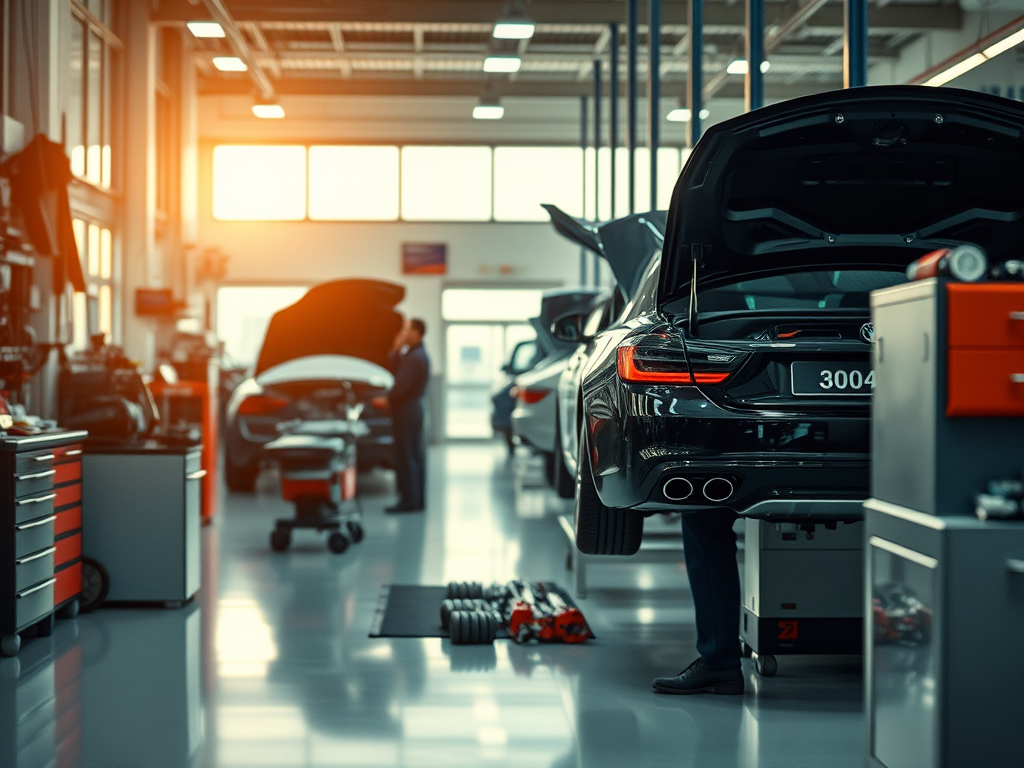
     Vehicle pulling to one side during a controlled braking test near a professional automotive repair facility

    A vehicle should slow in a straight, stable, and predictable manner. If it suddenly moves toward the left or right whenever you press the brake pedal, braking force may not be distributed evenly.

    So, is it safe to drive when your car pulls while braking? It should not be considered normal or ignored. Mild pulling may allow you to drive cautiously to a nearby repair facility, but severe pulling, poor braking response, smoke, fluid leakage, or an unusually soft pedal can make the vehicle unsafe to operate.

    The cause may involve the brake pads, calipers, rotors, hydraulic system, tires, alignment, steering, or suspension. A professional inspection is needed to determine which system is responsible.

    If your vehicle pulls during braking, contact 10 Degrees Automotive in Corona at 951.414.9423 to schedule a brake and steering inspection.

    ⚠️ Why Brake Pull Is a Safety Concern

    When one side of the vehicle brakes more effectively than the other, the difference in stopping force can pull the vehicle away from its intended path.

    This can become especially dangerous during:

    • Sudden stops
    • Freeway driving
    • Wet weather
    • Heavy traffic
    • Turns
    • Downhill driving
    • Towing
    • Emergency maneuvers

    A mild pull under gentle braking may become more severe when you apply the pedal firmly. The vehicle may move into another lane, toward a curb, or toward oncoming traffic.

    The condition may also indicate a brake that is dragging when the pedal is released. A dragging brake can generate excessive heat and damage the pad, rotor, caliper, wheel bearing, tire, or nearby components.

    🔍 Does the Car Pull Only When You Brake?

    The timing of the symptom provides an important clue.

    If the vehicle drives straight but pulls only when the brakes are applied, the braking system becomes a primary suspect.

    If it pulls continuously, even without braking, possible causes may include:

    • Uneven tire pressure
    • Tire damage
    • Wheel-alignment problems
    • Worn steering components
    • Worn suspension parts
    • Road crown
    • Brake drag

    A road is sometimes sloped slightly for drainage, which can create a mild drift. However, persistent or strong pulling should still be inspected.

    Tell the technician whether the pull happens constantly, only during braking, or only at certain speeds.

    🔧 A Sticking Brake Caliper

    The brake caliper uses hydraulic pressure to press the pads against the rotor. When you release the pedal, the caliper should allow the pads to move away slightly.

    A sticking piston or seized slide mechanism may keep one brake partially applied. It can also prevent one side from applying with the correct force.

    A sticking brake caliper may cause:

    • Pulling while braking
    • Pulling while driving
    • Uneven pad wear
    • Excessive heat at one wheel
    • A burning odor
    • Smoke
    • Reduced fuel economy
    • Grinding or squealing
    • Vehicle vibration

    The direction of the pull does not always identify which caliper has failed. A brake that applies too strongly can pull toward that side, while a brake that does not apply adequately may allow the vehicle to pull toward the stronger side.

    Professional inspection is necessary to determine what is actually happening.

    🧱 Uneven Brake-Pad Wear

    Brake pads on the same axle should generally wear at similar rates. If one pad or one side wears much faster, the vehicle may develop unequal braking force.

    Uneven wear may result from:

    • A sticking caliper
    • Seized slide pins
    • Damaged hardware
    • A restricted brake hose
    • Improper installation
    • Rotor problems
    • Contamination
    • Misaligned components

    Simply replacing the pads may not solve the problem if another component caused the unusual wear.

    A complete brake inspection should measure the inner and outer pads on both sides and evaluate why any difference exists.

    💿 Brake-Rotor Problems

    Brake rotors provide the surfaces against which the pads apply pressure. Uneven, contaminated, damaged, or overheated rotors can affect braking from side to side.

    Potential rotor problems include:

    • Deep scoring
    • Excessive corrosion
    • Heat spots
    • Thickness variation
    • Cracks
    • Glazing
    • Uneven friction-material deposits
    • A surface contaminated by oil or grease

    Rotor problems may also cause pedal pulsation, steering-wheel vibration, noise, or rough braking.

    A technician can measure rotor thickness and runout, inspect the surfaces, and compare the results with manufacturer specifications.

    💧 A Restricted or Damaged Brake Hose

    Flexible brake hoses carry pressurized brake fluid to the calipers. A hose can deteriorate externally or develop an internal restriction.

    An internally damaged hose may act like a one-way valve. It may allow pressure to apply the brake but prevent the fluid from returning freely when the pedal is released.

    This can create:

    • Brake drag
    • Pulling
    • Excessive wheel heat
    • Rapid pad wear
    • Burning odors
    • Reduced performance

    A hose that expands under pressure or leaks may reduce braking force at that wheel.

    Hydraulic brake problems require careful testing. Never clamp, disconnect, or attempt to repair a brake hose without appropriate knowledge and equipment.

    🛢️ Brake-Fluid Contamination or Leakage

    Brake fluid transfers pedal force to the wheel brakes. Air, moisture, contamination, or a leak can interfere with hydraulic operation.

    A leak may occur at:

    • Brake lines
    • Flexible hoses
    • Calipers
    • Wheel cylinders
    • The master cylinder
    • ABS hydraulic components
    • Fittings and connections

    Warning signs include:

    • A soft or spongy pedal
    • A pedal that sinks
    • A low fluid level
    • A red brake warning light
    • Fluid near a wheel
    • Increased stopping distance

    A suspected brake-fluid leak is an urgent safety concern. Do not drive the vehicle if the pedal feels abnormal or braking performance has changed significantly.

    Have it transported to a qualified repair facility.

    🧪 Contaminated Brake Pads or Rotors

    Oil, grease, brake fluid, and other chemicals can contaminate braking surfaces. A contaminated pad may create less friction than the pad on the opposite side, causing the vehicle to pull.

    Contamination may also produce:

    • Squealing
    • Smoke
    • Unusual odors
    • Reduced braking force
    • Uneven pad deposits
    • Rapid wear

    The source of the contamination must be repaired before affected friction components are serviced.

    Cleaning the visible surface may not restore a brake pad that has absorbed fluid.

    🛞 Uneven Tire Pressure

    Not every braking pull begins with the brakes. A tire with low pressure can change rolling resistance, steering response, and the way the vehicle behaves during a stop.

    Check tire pressure when the tires are cold and inflate them according to the vehicle manufacturer’s specifications, usually listed on a label inside the driver’s door area.

    Do not use the maximum pressure printed on the tire sidewall as the normal operating specification unless the vehicle manufacturer specifically requires it.

    A tire that repeatedly loses pressure may have a puncture, valve problem, wheel damage, or sealing issue.

    📐 Wheel-Alignment Problems

    Incorrect alignment can cause the vehicle to pull during normal driving and may feel more pronounced when weight shifts forward under braking.

    Alignment problems can result from:

    • Pothole impacts
    • Curb strikes
    • Collisions
    • Worn suspension components
    • Bent steering parts
    • Ride-height changes
    • Normal wear

    Signs may include:

    • An off-center steering wheel
    • Uneven tire wear
    • Pulling without braking
    • Poor straight-line stability
    • Steering that feels different

    An alignment should be performed only after worn or damaged steering and suspension parts have been addressed.

    🔩 Worn Steering or Suspension Components

    Braking shifts vehicle weight toward the front. This added load can reveal movement in worn steering or suspension parts.

    Potential causes include:

    • Control-arm bushings
    • Ball joints
    • Tie-rod ends
    • Wheel bearings
    • Strut mounts
    • Shocks and struts
    • Sway-bar components
    • Damaged springs
    • Loose fasteners

    You may also notice clunking, wandering, vibration, uneven tire wear, or instability over bumps.

    A complete inspection may need to include the braking, steering, suspension, tires, and wheel bearings before the cause can be confirmed.

    🛞 Tire Damage or Mismatched Tires

    Tires with different tread depths, sizes, constructions, pressure levels, or traction characteristics may respond differently during braking.

    A damaged tire may also cause instability or pulling.

    Inspect for:

    • Bulges
    • Tread separation
    • Exposed cords
    • Uneven wear
    • Flat spots
    • Punctures
    • Sidewall damage
    • Incorrect tire size

    If a tire is visibly damaged, do not continue driving on it. Arrange safe replacement or towing.

    🌡️ Signs of an Overheating Brake

    A dragging brake creates continuous friction and heat, even when you are not pressing the pedal.

    Warning signs may include:

    • A strong burning odor
    • Smoke near a wheel
    • Pulling that becomes worse while driving
    • Reduced acceleration
    • Unusual brake noise
    • Rapid pad wear
    • Discoloration on the rotor
    • One wheel radiating much more heat

    Do not touch the wheel, caliper, or rotor to check its temperature. These components can cause serious burns.

    If smoke is visible or braking performance has changed, stop driving and arrange professional assistance.

    🚨 When Should You Stop Driving Immediately?

    Stop in a safe location and arrange towing if:

    • The vehicle pulls sharply across the road
    • The brake pedal feels soft or sinks
    • Stopping distance has increased
    • Brake fluid is leaking
    • Smoke appears near a wheel
    • You smell intense burning
    • The red brake warning light is on
    • The steering feels difficult to control
    • Grinding is severe
    • A tire is damaged
    • The vehicle becomes unstable

    Do not continue driving simply because the brakes still stop the car. Partial braking problems can worsen suddenly and behave unpredictably during an emergency stop.

    🧰 How a Professional Inspection Finds the Cause

    Because several systems can create similar symptoms, accurate diagnosis may require more than replacing brake pads or performing an alignment.

    A professional evaluation may include:

    • A controlled road test
    • Tire-pressure measurement
    • Tire and wheel inspection
    • Brake-pad measurements
    • Rotor measurements
    • Caliper operation checks
    • Brake-hose and line inspection
    • Brake-fluid inspection
    • Steering and suspension checks
    • Wheel-bearing inspection
    • Alignment measurements when appropriate
    • A scan for ABS-related faults

    The technician should identify whether the vehicle is experiencing brake pull, tire pull, alignment drift, suspension movement, or a combination of problems.

    💰 Why Early Brake-Pull Repair Can Save Money

    A minor pull may be the first indication of a sticking caliper or uneven pad wear. Continuing to drive can allow the problem to damage additional components.

    For example, a dragging caliper may overheat:

    • The brake pads
    • The rotor
    • The caliper
    • The wheel bearing
    • Brake fluid
    • Nearby rubber components

    Early brake repair may prevent the need to replace parts that were damaged by excessive heat or prolonged friction.

    Prompt service also helps protect your tires from irregular wear and restores predictable vehicle control.

    ✅ What to Tell Your Technician

    Providing specific details can make diagnosis more efficient.

    Note:

    • Which direction the vehicle pulls
    • Whether it happens only when braking
    • Whether the pull changes with speed
    • Whether the pedal vibrates
    • Whether the steering wheel shakes
    • Whether you hear noise
    • Whether you smell something burning
    • Whether recent brake or tire work was performed
    • Whether the vehicle recently struck a pothole or curb
    • Whether a warning light is on

    Do not attempt repeated hard stops to test the condition. A controlled inspection should be performed in a safe environment.

    🔧 Schedule a Brake Inspection in Corona

    A car that pulls while braking may have uneven brake force, a sticking caliper, damaged pads or rotors, a hydraulic restriction, tire trouble, an alignment problem, or worn suspension components.

    Because the symptom can affect your ability to control the vehicle, it deserves prompt professional attention.

    For brake-pull diagnosis and repair in Corona, contact 10 Degrees Automotive. We can inspect the braking, tire, steering, and suspension systems to find the source of the problem.

    Call 951.414.9423 today to schedule your appointment. Let 10 Degrees Automotive help restore straight, stable, and dependable braking.

  • 🚗 Why Is My Car Shaking While Driving?

    By 10 Degrees Automotive | Corona | 951.414.9423

    Why Is My Car Shaking While Driving?

    A smooth-running vehicle should feel stable and controlled. If your car begins shaking, vibrating, or shuddering while driving, it is often a sign that something needs professional attention.

    The cause may be relatively straightforward, such as a tire that needs balancing. It could also involve damaged wheels, worn suspension components, brake problems, engine trouble, or a failing drivetrain part. The speed and driving conditions under which the vibration occurs can provide important clues, but a proper inspection is necessary to identify the actual problem.

    Ignoring car vibration while driving can allow tires and mechanical components to wear more quickly. In some cases, the condition may also affect steering, braking, or overall vehicle safety.

    If your vehicle is shaking or vibrating, call 10 Degrees Automotive in Corona at 951.414.9423 to schedule a professional inspection.

    🔍 Pay Attention to When the Shaking Happens

    Not all vibrations have the same cause. Before your appointment, note exactly when and where you feel the shaking.

    Consider whether the vibration occurs:

    • At idle
    • While accelerating
    • At a particular speed
    • At freeway speeds
    • When braking
    • During turns
    • While climbing a hill
    • After hitting a pothole
    • Through the steering wheel
    • Through the brake pedal
    • Through the seat or floor

    A steering-wheel vibration may direct attention toward the front tires, wheels, steering, suspension, or brakes. Shaking felt through the seat may be associated with the rear tires, rear suspension, or drivetrain, although these are only general clues.

    The conditions under which the symptom appears can help a technician reproduce and diagnose the concern.

    🛞 Unbalanced Tires Are a Common Cause

    Tires and wheels must rotate with their weight evenly distributed. Small balancing weights are attached to the wheel to compensate for differences in weight around the tire-and-wheel assembly.

    If a weight falls off or the assembly becomes unbalanced, you may notice vibration at certain speeds. It often becomes more obvious during freeway driving and may lessen when the vehicle slows.

    Possible signs of unbalanced tires include:

    • Steering-wheel vibration
    • Shaking that appears within a certain speed range
    • Uneven or cupped tire wear
    • Vibration after installing new tires
    • Shaking after a wheel impact

    Balancing the tires may correct the issue, but the complete assembly should also be inspected for tire damage, bent wheels, improper installation, or other problems.

    📐 Wheel-Alignment Problems Can Affect Stability

    Wheel alignment describes the angles at which the wheels meet the road. Potholes, curbs, collisions, worn suspension parts, and normal use can alter those angles.

    An alignment problem is more likely to cause pulling, an off-center steering wheel, or uneven tire wear than severe vibration by itself. However, the irregular tire wear created by poor alignment can eventually contribute to shaking.

    Signs your vehicle may need wheel alignment service include:

    • Pulling to the left or right
    • An off-center steering wheel
    • Rapid or uneven tread wear
    • Poor straight-line stability
    • Steering that feels unusual
    • Vibration associated with irregular tire wear

    Alignment should be performed only after worn or damaged steering and suspension components have been addressed. Aligning a vehicle with loose parts may not produce a lasting correction.

    ⚠️ Tire Damage Can Create Dangerous Shaking

    A damaged tire can cause vibration even when it is properly balanced. Internal belt separation, sidewall damage, uneven tread, flat spots, and bulges can make the tire roll irregularly.

    Tire damage may result from:

    • Pothole impacts
    • Curb strikes
    • Road debris
    • Underinflation
    • Overloading
    • Age
    • Manufacturing defects
    • Driving on a flat or severely low tire

    A visible bulge, exposed cord, severe crack, or distorted tread can indicate that the tire is no longer safe.

    If the vehicle suddenly begins shaking after an impact or you suspect tire damage, reduce your speed and stop in a safe location. Do not continue driving on a tire that appears structurally damaged.

    Contact 10 Degrees Automotive at 951.414.9423 for help determining the safest next step.

    🔩 Bent or Damaged Wheels May Cause Vibration

    Wheels can bend or crack after striking potholes, curbs, or road debris. Even a small amount of distortion can prevent the wheel from rotating smoothly.

    A bent wheel may cause:

    • Speed-related vibration
    • Air-pressure loss
    • Uneven tire wear
    • Steering-wheel movement
    • Difficulty balancing the tire
    • Visible wobbling

    Not every type of wheel damage is easily visible without placing the vehicle on a lift or using specialized equipment.

    A technician can inspect the wheel, measure runout, and determine whether it is repairable or should be replaced.

    🛑 Brake Problems Can Cause Shaking While Stopping

    If your vehicle shakes primarily when you apply the brakes, the braking system may be responsible.

    Brake rotors experience repeated heating and cooling. Over time, they can develop excessive runout, thickness variation, uneven pad deposits, scoring, or heat damage. When the brake pads contact an irregular rotor surface, you may feel pulsation through the pedal or vibration in the steering wheel.

    Other brake-related causes can include:

    • Sticking brake calipers
    • Uneven brake-pad wear
    • Contaminated brake surfaces
    • Damaged brake hardware
    • Loose components
    • Rear drum problems on equipped vehicles

    Because braking vibration may affect stopping performance, arrange a professional brake inspection rather than assuming the symptom is harmless.

    🔧 Worn Steering or Suspension Components

    The steering and suspension systems connect your vehicle to its wheels and help maintain tire contact with the road. Worn components can create looseness, vibration, noise, or unstable handling.

    Potential sources include:

    • Ball joints
    • Tie-rod ends
    • Control-arm bushings
    • Wheel bearings
    • Shocks and struts
    • Sway-bar links
    • Suspension mounts
    • Steering components

    You may also notice clunking over bumps, wandering, uneven tire wear, excessive bouncing, or loose steering.

    Replacing tires or balancing wheels will not solve a vibration caused by worn suspension parts. A hands-on inspection is necessary to check for looseness and component damage.

    ⚙️ Worn Wheel Bearings

    Wheel bearings allow the wheels to rotate while supporting the vehicle’s weight. As a bearing wears, it may create humming, growling, grinding, looseness, or vibration.

    The sound may change when the vehicle turns because cornering shifts the load from one side to the other. However, bearing symptoms vary, and tire noise can sometimes sound similar.

    A severely worn wheel bearing may affect wheel stability and should receive prompt attention. A technician can inspect for play, listen for abnormal operation, and rule out tire or drivetrain noise.

    🔥 Engine Misfires Can Make the Vehicle Shake

    If the vehicle shakes while stopped, idling, accelerating, or climbing a hill, the engine may not be running smoothly.

    An engine misfire occurs when one or more cylinders fail to produce power correctly. Possible causes include:

    • Worn spark plugs
    • Faulty ignition coils
    • Damaged wiring
    • Fuel-injector problems
    • Vacuum leaks
    • Low compression
    • Fuel-delivery problems
    • Sensor or electrical faults

    Additional symptoms may include a check engine light, hesitation, loss of power, difficult starting, or poor fuel economy.

    A flashing check engine light can indicate a severe misfire that may damage the catalytic converter. Reduce your speed, avoid hard acceleration, and stop driving if the vehicle is shaking severely or losing power.

    Professional diagnostic testing can determine why the misfire is occurring instead of relying on guesswork or unnecessary parts replacement.

    🧱 Damaged Engine or Transmission Mounts

    Engine and transmission mounts secure the powertrain to the vehicle while absorbing vibration. As mounts wear, crack, or collapse, they may allow excessive movement.

    You may notice:

    • Shaking while idling
    • A clunk when shifting into gear
    • Excess vibration during acceleration
    • Movement when starting or stopping
    • Noise from the engine compartment
    • Vibration that changes between park, drive, and reverse

    Mount problems can also place stress on hoses, wiring, exhaust components, and drivetrain connections.

    Because normal engine vibration can resemble a mount problem, the engine’s operating condition should be evaluated along with the mounts.

    🚙 Axle and Drivetrain Problems

    Axles, CV joints, driveshafts, and universal joints transfer power from the transmission to the wheels. Damage or wear in these components may produce vibration that becomes more noticeable during acceleration or at certain speeds.

    Possible drivetrain-related symptoms include:

    • Shaking during acceleration
    • Clicking while turning
    • Clunking when changing direction
    • Vibration through the floor
    • Grease near a wheel from a damaged CV boot
    • Noise that changes with speed or load

    A bent axle or damaged driveshaft may also create significant vibration. These concerns should be inspected promptly because drivetrain components rotate at high speeds and are essential to vehicle operation.

    🌬️ Could a Loose or Damaged Part Be Responsible?

    Sometimes shaking is caused by a loose or damaged component rather than normal wear.

    Examples may include:

    • A loose wheel
    • Missing or improperly tightened lug nuts
    • A damaged underbody panel
    • Loose exhaust components
    • Broken brackets
    • Road debris caught beneath the vehicle
    • Improperly installed replacement parts

    A loose wheel is an urgent safety concern. If the vehicle begins shaking immediately after tire or wheel service, stop as soon as it is safe and have the installation checked.

    Do not continue driving in the hope that a severe vibration will disappear.

    🚨 When Is Car Shaking an Emergency?

    Mild vibration should be inspected, but certain symptoms require immediate action.

    Pull over safely and stop driving if:

    • The shaking begins suddenly and severely
    • The steering becomes difficult to control
    • A tire is flat, bulging, or visibly damaged
    • A wheel appears loose or tilted
    • The vehicle is overheating
    • The oil-pressure warning light appears
    • The check engine light is flashing
    • You smell burning material
    • Smoke is visible
    • Braking ability has changed significantly
    • Loud grinding, banging, or clunking accompanies the vibration

    If the vehicle does not feel safe, arrange towing to a qualified auto repair shop in Corona.

    🧰 Why Professional Diagnosis Matters

    Many problems can create similar vibrations. Replacing tires may not solve a worn wheel bearing. Installing brake rotors will not correct a damaged axle. Replacing engine mounts will not fix an active misfire.

    A professional inspection may include:

    • A road test
    • Tire and wheel inspection
    • Tire-pressure measurement
    • Wheel-balance testing
    • Alignment evaluation
    • Steering and suspension checks
    • Brake inspection
    • Wheel-bearing checks
    • Engine diagnostics
    • Drivetrain inspection

    The goal is to identify where the vibration originates and why it is occurring.

    Providing details about when the shaking began, what speed triggers it, and whether recent service or a road impact occurred can make diagnosis more efficient.

    💰 Addressing Vibration Early Can Save Money

    A small vibration can lead to additional wear if the cause is not corrected.

    An unbalanced tire may develop irregular tread wear. A sticking brake caliper can damage the pads and rotor. A worn suspension component may shorten tire life. An engine misfire can damage emissions equipment. A failed mount may place stress on nearby components.

    Early automotive diagnostics and repair can help:

    • Protect tires and wheels
    • Prevent secondary component damage
    • Maintain predictable handling
    • Reduce the risk of breakdowns
    • Preserve braking performance
    • Avoid larger repair expenses

    Waiting until a minor shake becomes violent often means the underlying problem has progressed.

    🔧 Schedule a Vehicle Inspection in Corona

    A shaking vehicle is not a diagnosis—it is a symptom. The source may involve the tires, wheels, brakes, suspension, steering, engine, mounts, axles, or other drivetrain components.

    Pay attention to when the shaking occurs, but do not rely on guesswork when safety and expensive vehicle parts are involved.

    For professional help with car shaking while driving in Corona, contact 10 Degrees Automotive. We can inspect your vehicle, identify the source of the vibration, and explain the appropriate repair.

    Call 951.414.9423 today to schedule an appointment. Let 10 Degrees Automotive help restore the smooth, stable, and dependable ride your vehicle should provide.

  • 🔧 Keep Your Car Running Strong with 10 Degrees Automotive in Corona, CA

    Keep Your Car Running Strong with 10 Degrees Automotive in Corona, CA

    When it comes to reliable service and honest automotive care, 10 Degrees Automotive is a name you can trust. Drivers across the Inland Empire bring their vehicles to us because we combine professional craftsmanship, transparent communication, and a genuine passion for keeping your car on the road. From daily commuter vehicles to high-performance builds, we treat every job with attention to detail and respect for your time.

    At our shop, diagnostics come first. We don’t guess, and we don’t throw parts at a problem. Our ASE-certified technicians use advanced tools to identify the true cause of any issue—saving you money and preventing unnecessary repairs. Whether your car needs a simple oil change or complex engine troubleshooting, you’ll always receive a clear explanation of what’s wrong, why it matters, and how we’ll fix it.

    📍 1453 W. 6th St., #102, Corona, CA 92882
    📞 951.404.1103


    🚗 Why Drivers Choose 10 Degrees Automotive

    Vehicles break down—life gets busy—and repairs can be stressful. We remove the guesswork. When you walk through our doors, you’re greeted with honesty, professionalism, and straightforward communication. No confusing jargon. No pushy upselling. Just quality work that stands the test of time.

    We specialize in routine maintenance and factory replacement parts . Need brake service, suspension work, battery replacement, or precise engine diagnostics? We’ve seen it, fixed it, and done it right. For performance enthusiasts, we understand horsepower goals, drivability, and aftermarket tuning. Your build should be consistent, safe, and fun—not rushed.


    ⚙️ Commitment, Craftsmanship, and Customer Care

    We take pride in doing things the right way. Every repair is inspected and verified before you pick up your vehicle. If something isn’t urgent, we’ll tell you. If an issue can wait, we’ll tell you. And if something is critical for safety, we’ll make sure you know exactly why. Our goal isn’t just to fix your car—it’s to build a long-term partnership with you as a driver.

    Customers return to 10 Degrees Automotive because they feel respected, informed, and confident. They know we stand behind our work, value their time, and never treat them like “just another invoice.”


    🚘 Ready to Experience Real Automotive Care?

    If you’re searching for an auto shop that values integrity, experience, and long-lasting results, we’re here for you. Visit us in person or contact us today—your vehicle will thank you.

    📍 1453 W. 6th St., #102, Corona, CA 92882
    📞 Call or text: 951.404.1103

  • 🔧 10 Degrees Automotive: Quality, Precision, and Reliability for Every Driver in Corona, CA

    10 Degrees Automotive: Quality, Precision, and Reliability for Every Driver in Corona, CA

    Automotive care isn’t just about fixing what’s broken—it’s about protecting the safety and performance of your vehicle over time. At 10 Degrees Automotive in Corona, CA, we believe every driver deserves honest service, expert craftsmanship, and mechanics who treat their vehicle like it matters. Because it does.

    We’re not here to rush repairs or push services you don’t need. We’re here to diagnose the real issue, walk you through the solution, and get you back on the road with confidence.

    📍 1453 W. 6th St., #102, Corona, CA 92882
    📞 Call or text: 951.404.1103


    🛠️ More Than Just a Mechanic Shop

    At 10 Degrees Automotive, our foundation is built on trust. Many of our customers come to us after experiencing rushed work, unexplained charges, or constant upselling at other shops. We do things differently.

    When your vehicle comes in, we take the time to:

    • Understand your concerns
    • Diagnose the issue accurately
    • Explain every step of the repair
    • Provide fair pricing and transparent timelines

    No surprises. No confusing jargon. Just honest communication and workmanship that speaks for itself.


    🚗 Routine Maintenance You Can Depend On

    Preventive care is the backbone of long-term vehicle health. A well-maintained car doesn’t just run better—it saves you money, improves fuel efficiency, and prevents unexpected breakdowns. Many issues that evolve into expensive repairs begin with early warning signs: slight vibrations, brake squeals, dash lights, decreased acceleration, or temperature changes.

    Our team pays attention to those small signals before they turn into big problems. Whether it’s an oil change, brake service, electrical diagnostics, or fluid inspection, we keep your vehicle functioning at its best. If there’s something you should plan for in the near future, we’ll let you know—never with pressure, but with professional guidance aimed at protecting your investment.


    🔥 For Performance Drivers, We Speak Your Language

    Some shops are intimidated by high-performance vehicles or aftermarket modifications. Not us.

    At 10 Degrees Automotive, we are car enthusiasts too. We understand horsepower goals, track prep, dyno tuning, drivability, and the delicate balance between street comfort and performance. If you’re building a project car, improving handling, or unlocking the potential of your engine, we’re right there with you.

    From exhaust systems and suspension upgrades to engine enhancements and specialty tuning, we help you achieve your build’s vision. Every performance setup is tailored—not rushed, and never generic. Because performance should be engineered, not guessed.


    💡 Real Diagnostics, Real Solutions, No Guesswork

    Modern vehicles are complex. Sensors, electronics, modules, and computers all work together—and when one part fails, it can create a chain reaction. That’s why our ASE-certified technicians rely on proper testing and industry-leading diagnostic equipment rather than trial and error.

    We take a methodical approach:

    • Identify the root cause
    • Repair with purpose
    • Verify system performance
    • Confirm reliability before return

    You get a solution, not a temporary patch.


    🤝 Our Goal: A Long-Term Relationship With Your Vehicle

    When customers find us, they often stay with us for years. Not because we’re the cheapest shop in town—but because we are the most consistent, thorough, and trustworthy. We stand behind our workmanship, installed components, and the service we provide. If something isn’t right, we make it right.

    We also understand that not every repair needs to happen immediately. Sometimes it’s smarter to prioritize safety items first and schedule secondary work later. We’ll guide you on what’s urgent, what’s preventative, and what can wait—so you have control over your decisions.


    🌟 The 10 Degrees Automotive Experience

    From the moment you walk in, you’re greeted with respect and transparency. We know dropping your car off at a shop is stressful—you’re without transportation, you’re uncertain about pricing, and you simply want someone who will tell you the truth.

    You’ll never be treated like “just another invoice.” We take pride in explaining problems in terms you’ll understand, giving accurate timelines, and delivering work that feels worth your trust. That’s why our customers recommend us to friends, coworkers, and family. It’s not just service—it’s service with integrity.


    📍 Visit Us in Corona, CA — Your Car Will Thank You

    If you’re ready for an auto shop that values honesty, craftsmanship, and long-term reliability, we’d be honored to work on your vehicle.

    10 Degrees Automotive
    📍 1453 W. 6th St., #102, Corona, CA 92882
    📞 Call or text: 951.404.1103

    From routine maintenance to complex repairs and performance builds, your vehicle is in skilled hands.
    Schedule your visit today and experience automotive care done right. 🚗✨