By 10 Degrees Automotive | Corona | 951.414.9423
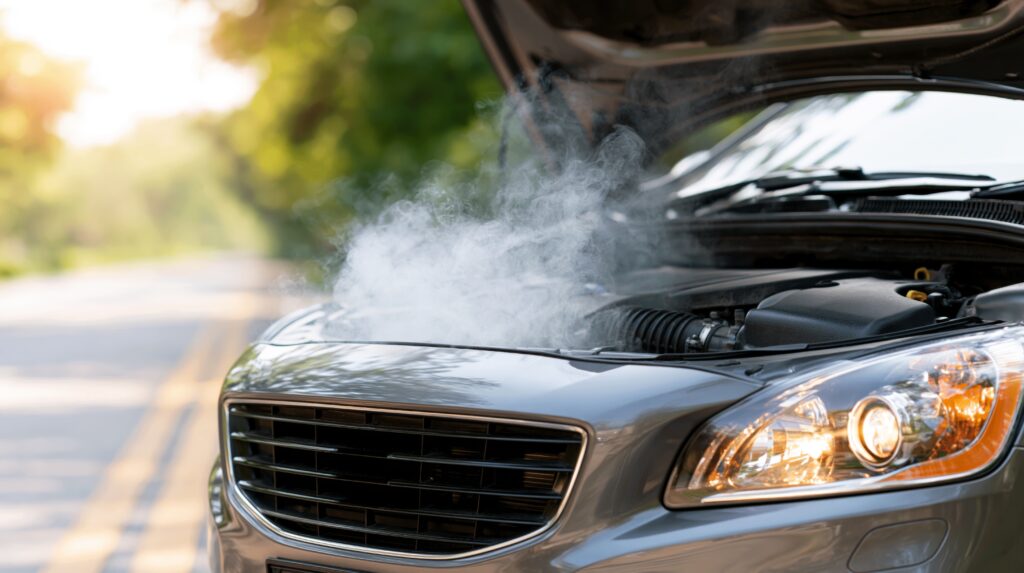
An overheating engine is one automotive problem you should never ignore. When the temperature gauge starts climbing, a warning light appears, or steam begins coming from under the hood, continuing to drive can turn a relatively manageable repair into serious engine damage. At 10 Degrees Automotive in Corona, our experienced automotive technicians can diagnose cooling system and engine temperature problems before they become more expensive. If your vehicle is overheating or running hotter than normal, call 951.414.9423 to have the problem inspected.
Your engine generates a tremendous amount of heat while running. The cooling system is designed to regulate that heat and maintain a safe operating temperature. When something interferes with coolant circulation, airflow, pressure, or heat transfer, the engine temperature can rise rapidly.
Understanding the most common causes of engine overheating can help you recognize trouble early and know when it’s time for professional service.
🌡️ What Causes an Engine to Overheat?
There isn’t one single cause of overheating. Your vehicle’s cooling system contains several components that work together, including the radiator, water pump, thermostat, coolant, hoses, cooling fans, and pressure cap.
A failure anywhere in this system can affect the engine’s ability to control temperature.
Sometimes the cause is relatively straightforward, such as low coolant. Other times, overheating may indicate a failing water pump, clogged radiator, cooling fan problem, or even an internal engine issue.
Because several problems can produce similar symptoms, proper diagnosis is important before replacing parts.
💧 1. Low Coolant Level
One of the most common reasons for an engine to overheat is low engine coolant.
Coolant circulates through passages in the engine, absorbs heat, and carries that heat to the radiator. If the coolant level becomes too low, the cooling system may no longer be able to remove heat efficiently.
Coolant doesn’t normally disappear without a reason. A low level may indicate a leak somewhere in the system.
Potential leak points include:
- Radiator hoses and connections
- Radiator
- Water pump
- Coolant reservoir
- Heater hoses
- Thermostat housing
- Gaskets and seals
You may notice a puddle beneath the vehicle, a sweet smell around the engine compartment, or residue near a leaking component. However, some leaks only occur when the system is hot and pressurized, making them harder to identify without testing.
🔧 2. A Faulty Thermostat
The engine thermostat helps regulate coolant flow between the engine and radiator.
When the engine is cold, the thermostat remains closed so the engine can reach its normal operating temperature efficiently. As the engine warms, the thermostat opens and allows coolant to circulate through the radiator.
If the thermostat becomes stuck closed, coolant circulation may be restricted. Engine temperature can then climb quickly.
A malfunctioning thermostat may cause overheating, unusual temperature fluctuations, or a temperature gauge that behaves differently than normal.
Because thermostat problems can resemble other cooling system failures, an inspection can help determine whether the thermostat is actually responsible.
🚿 3. Water Pump Problems
The water pump is responsible for circulating coolant through the engine and cooling system.
If the pump becomes damaged, worn, or begins leaking, coolant circulation can suffer. Without adequate circulation, heat remains trapped in the engine instead of being carried to the radiator.
Signs of a possible water pump problem can include coolant leaks, overheating, unusual noises from the engine compartment, or excessive play in the pump bearing.
Water pump designs vary by vehicle. Some are driven by an accessory belt, while others may be driven by the timing belt, timing chain, or electrically powered.
This is one reason professional diagnosis matters—the repair procedure can vary considerably depending on the vehicle.
🧊 4. Radiator Problems
Your radiator plays a major role in removing heat from the coolant.
Hot coolant enters the radiator and passes through narrow tubes. Air moving across the radiator fins removes heat before the coolant returns to the engine.
Over time, radiator passages can become restricted internally, while dirt and debris can reduce airflow externally. A damaged or leaking radiator can also cause coolant loss.
A clogged radiator may not dissipate enough heat, especially during demanding driving conditions or hot weather.
An inspection can help determine whether the radiator is leaking, restricted, damaged, or experiencing an airflow problem.
🌀 5. Cooling Fan Failure
If your vehicle tends to overheat while idling or driving slowly but runs cooler at highway speeds, the cooling fan system deserves attention.
At higher speeds, natural airflow moves through the radiator. When the vehicle is stopped or moving slowly, electric cooling fans often provide the airflow necessary to keep temperatures under control.
A fan may stop operating because of a failed motor, relay, fuse, sensor, wiring issue, or control problem.
Depending on the vehicle, multiple fans or variable-speed fan controls may be used. Testing the system can identify why the required airflow isn’t being produced.
🪢 6. Damaged or Collapsed Radiator Hoses
Coolant must travel through several radiator and coolant hoses as it moves through the cooling system.
As hoses age, they can become brittle, cracked, swollen, soft, or internally damaged. A leaking hose causes coolant loss, while a collapsed or restricted hose can interfere with coolant circulation.
Regular cooling system inspections can help identify deteriorated hoses before they fail unexpectedly.
🧯 7. A Bad Radiator or Coolant Reservoir Cap
The cooling system operates under pressure. Maintaining the correct pressure helps increase the coolant’s boiling point and allows the system to function properly at high temperatures.
A damaged radiator cap or coolant reservoir pressure cap may prevent the system from maintaining its intended pressure.
This seemingly small component can sometimes contribute to coolant loss, boiling coolant, or overheating.
Because pressure caps are designed for specific pressure ratings, the correct replacement is important.
⚠️ 8. Head Gasket or Internal Engine Problems
Some overheating problems are more serious.
A damaged head gasket can allow combustion gases to enter the cooling system or coolant to enter areas where it doesn’t belong. In certain cases, repeated overheating can itself contribute to head gasket or cylinder head damage.
Possible signs of an internal engine problem may include persistent overheating, unexplained coolant loss, bubbles in the coolant reservoir, abnormal exhaust, contaminated fluids, or excessive cooling system pressure.
These symptoms don’t automatically mean the head gasket has failed. Specialized testing may be necessary to determine what’s happening internally.
🚨 What Should I Do If My Car Starts Overheating?
If your temperature gauge enters the danger zone or you receive an overheating warning, don’t continue driving as if nothing is wrong.
Turn off the air conditioning and find a safe location to stop the vehicle as soon as practical. If the engine is severely overheating or steam is visible, shut the engine off.
Do not immediately remove a radiator or coolant pressure cap from a hot engine. The cooling system may contain extremely hot coolant under pressure, which can cause serious burns.
Allow the vehicle to cool before inspecting anything.
If the cause isn’t obvious or the vehicle overheats again, having it professionally diagnosed is much safer than continuing to drive and hoping the problem goes away.
💥 Can Driving an Overheating Car Damage the Engine?
Yes. Driving with an overheating engine can cause major damage.
Extreme heat can damage gaskets, warp cylinder heads, affect seals, and harm internal engine components. In severe cases, an overheating event can result in complete engine failure.
The amount of damage depends on how hot the engine becomes, how long it remains overheated, the engine’s design, and the underlying cause.
This is why an overheating warning should be treated seriously.
Stopping early can mean the difference between repairing a cooling system component and dealing with a much more expensive engine repair.
🔍 How Is an Overheating Problem Diagnosed?
A good engine overheating diagnosis involves more than simply adding coolant.
A technician may inspect coolant levels and condition, look for visible leaks, pressure-test the cooling system, check radiator and heater hoses, test fan operation, inspect the thermostat and water pump, and evaluate radiator performance.
Depending on the symptoms, additional testing may be needed for combustion gases, electrical fan controls, temperature sensors, or internal engine problems.
Accurate diagnosis helps prevent unnecessary repairs and ensures the actual cause of the overheating condition is addressed.
🛠️ Can Cooling System Maintenance Prevent Overheating?
Routine cooling system maintenance can reduce the likelihood of many overheating problems.
Coolant deteriorates over time, and different manufacturers specify different coolant types and replacement intervals. Using the correct coolant and maintaining the proper mixture is important for heat transfer, corrosion protection, freeze protection, and overall cooling system performance.
Periodic inspections can also catch small leaks, worn hoses, deteriorated belts, and other developing problems before they leave you stranded.
Following your vehicle manufacturer’s maintenance recommendations is one of the best ways to protect the cooling system.
☀️ Why Overheating Problems Can Become More Noticeable in Corona
Hot weather puts additional demands on an automotive cooling system.
During warm days, the cooling system has less temperature difference between outside air and the heat it is trying to dissipate. Add stop-and-go traffic, air-conditioning use, long drives, steep grades, or towing, and a marginal cooling system may begin showing symptoms.
A vehicle that seems fine under mild conditions can start running hot when temperatures rise.
If you’ve noticed the temperature gauge creeping higher than usual, don’t wait until the vehicle reaches the red zone to investigate.
🚙 Don’t Ignore an Engine That Runs Hot
Your temperature gauge should remain relatively stable once the engine reaches normal operating temperature. If you notice repeated temperature increases, coolant warnings, leaks, steam, unusual smells, or frequent coolant loss, the vehicle should be inspected.
Overheating is a symptom, not a diagnosis. Finding the underlying problem early can help protect your engine and reduce the chance of being stranded.
📞 Engine Overheating Repair in Corona
An overheating engine needs attention before excessive heat causes additional damage. Whether the problem is related to low coolant, a coolant leak, thermostat failure, radiator trouble, cooling fans, a water pump, or another cooling system component, identifying the cause quickly can help protect your vehicle.
If your car is overheating, losing coolant, or running hotter than normal, contact 10 Degrees Automotive in Corona for professional diagnosis and automotive repair. Call 951.414.9423 today to schedule an inspection and get your cooling system checked before a small problem becomes a major engine repair.