
Tag: vehicle air conditioning service

  • ❄️ Why Is My Car’s Air Conditioner Blowing Warm Air?

    By 10 Degrees Automotive | Corona and Surrounding Areas | 951.414.9423
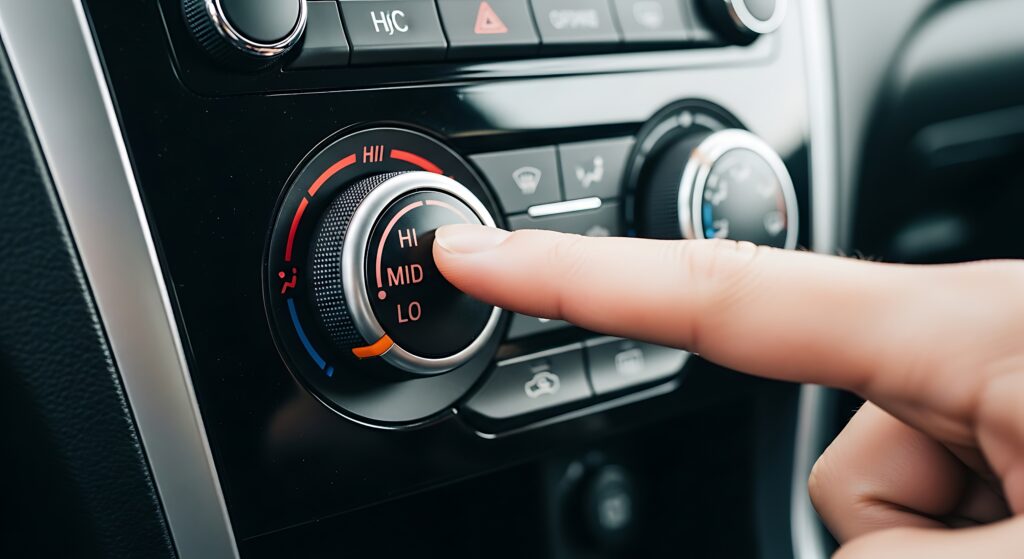
    Why Is My Car’s Air Conditioner Blowing Warm Air?

    When temperatures climb in Southern California, a properly functioning car air conditioning system is essential for staying comfortable behind the wheel. Whether you’re commuting through Corona, traveling along the 91 Freeway, or running errands around town, discovering that your car AC is blowing warm air can quickly turn an ordinary drive into an uncomfortable experience. At 10 Degrees Automotive, we help drivers throughout Corona and surrounding areas identify the causes of automotive air conditioning problems and find reliable solutions. If your vehicle’s air conditioner isn’t cooling properly, call 951.414.9423 to schedule a professional car AC inspection and get your comfort back.

    🌑️ Why Your Car’s Air Conditioner Stops Blowing Cold Air

    Your vehicle’s air conditioning system relies on several components working together to remove heat and humidity from the cabin.

    The system circulates refrigerant through a series of components, including the compressor, condenser, expansion device, and evaporator. As refrigerant moves through the system, it absorbs heat from inside the vehicle and releases that heat outside.

    When any part of this process fails, your AC may begin blowing warm air, cooling inconsistently, or stopping altogether.

    Understanding the most common causes can help you recognize problems before they lead to more expensive repairs.

    🧊 1. Low Refrigerant Levels or an AC Refrigerant Leak

    One of the most common reasons a car AC blows warm air is insufficient refrigerant.

    Refrigerant is the substance responsible for transferring heat through your vehicle’s air conditioning system. Without the correct amount, the system cannot cool the cabin effectively.

    Unlike gasoline, refrigerant is not normally consumed during operation. If refrigerant levels are low, a leak or previous improper servicing may be responsible.

    Signs of Low AC Refrigerant

    • Air conditioning gradually becomes less effective.
    • Vents blow cool air instead of cold air.
    • Cooling performance changes depending on driving conditions.
    • The AC compressor may not engage.
    • Oily residue appears around refrigerant connections or components.

    How Is a Refrigerant Leak Repaired?

    A technician may use electronic leak detection equipment, ultraviolet dye when appropriate, or other approved testing methods to locate the leak.

    Once the problem is identified, the damaged component or connection can be repaired or replaced.

    The system must then be evacuated and charged with the correct refrigerant type and quantity according to manufacturer specifications.

    Important: Simply adding refrigerant without identifying the underlying problem may provide only temporary relief. Overcharging the system can also cause damage.

    βš™οΈ 2. A Failing Air Conditioning Compressor

    The AC compressor is a critical component of your vehicle’s air conditioning system.

    It circulates refrigerant and creates the pressure conditions necessary for effective cooling.

    If the compressor fails, refrigerant may not circulate properly, resulting in little or no cold air.

    Common Symptoms of AC Compressor Problems

    • Warm air blowing from the vents
    • Unusual clicking, grinding, or squealing noises
    • Intermittent cooling
    • Compressor clutch engagement problems on equipped vehicles
    • Visible refrigerant or oil leaks near the compressor

    Some modern vehicles use variable-displacement compressors or electrically driven compressors, so symptoms and diagnostic procedures can vary.

    Does a Bad AC Compressor Always Need Replacement?

    Not necessarily.

    Sometimes the issue involves an electrical connection, relay, sensor, control valve, or another related component rather than a mechanically failed compressor.

    A thorough automotive AC diagnostic inspection can help determine whether the compressor itself requires replacement.

    πŸ”₯ 3. A Blocked or Damaged AC Condenser

    The AC condenser is generally located near the front of the vehicle, where airflow helps release heat from the refrigerant.

    Over time, road debris, dirt, insects, and other contaminants can accumulate around the condenser.

    Physical damage from road debris can also create refrigerant leaks.

    Signs of Condenser Problems

    A condenser problem may cause:

    • Weak cooling performance
    • Air conditioning that becomes warmer while idling
    • Higher-than-normal AC system pressures
    • Refrigerant leaks
    • Cooling that improves or changes at highway speeds

    Because the condenser depends on airflow, cooling fan problems can produce similar symptoms.

    A professional inspection can determine whether the condenser needs cleaning, repair, or replacement.

    🌬️ 4. Cooling Fan Problems

    Your vehicle’s cooling fans help move air across the condenser, especially when the vehicle is stopped or traveling slowly.

    If a cooling fan stops working, heat may build up in the air conditioning system.

    This can cause your car AC to blow warm air at idle while performing better at highway speeds.

    What Causes Cooling Fans to Stop Working?

    Potential causes include:

    • Failed cooling fan motors
    • Damaged wiring
    • Blown fuses
    • Faulty relays
    • Temperature sensor problems
    • Fan control module failures

    Cooling fan issues may also contribute to engine overheating, making prompt diagnosis especially important.

    If your temperature gauge rises abnormally while the AC is running, turn off the air conditioning and have the vehicle inspected.

    πŸ”Œ 5. Electrical Problems in the AC System

    Modern automotive air conditioning systems depend on numerous electrical components.

    Sensors, switches, modules, wiring, and control circuits help regulate compressor operation, fan speed, and cabin temperature.

    When one of these components fails, the system may stop producing cold air even if its major mechanical components are still functional.

    Common Electrical AC Problems

    Blown fuses: A failed fuse can interrupt power to important AC components.

    Faulty relays: Relays control electrical circuits on many vehicles, including compressor and cooling fan circuits.

    Damaged wiring: Corrosion, loose connectors, or broken wires may prevent proper operation.

    Pressure sensor problems: Incorrect refrigerant pressure readings can cause the system to disable compressor operation.

    Climate control module issues: Electronic control failures can interfere with temperature regulation.

    Because electrical symptoms can resemble mechanical failures, accurate testing is essential before replacing expensive parts.

    🚘 6. A Malfunctioning Blend Door Actuator

    Sometimes the air conditioning system produces cold air, but that air never reaches the cabin at the desired temperature.

    This can happen when a blend door actuator fails.

    The blend door regulates how air passes through the heating and cooling sections of the vehicle’s climate control system.

    If the door becomes stuck in the heating position, warm air may continue flowing through the vents even when the temperature control is set to cold.

    Signs of a Faulty Blend Door Actuator

    • Warm air from one side of the dashboard
    • Clicking or tapping noises behind the dashboard
    • Temperature controls that don’t respond properly
    • Inconsistent air temperatures
    • Cold air from some vents but warm air from others

    Vehicles equipped with dual-zone climate control systems may experience different temperatures on the driver and passenger sides.

    Replacing or recalibrating the actuator may restore normal operation, depending on the cause.

    🧼 7. A Dirty Cabin Air Filter or Restricted Airflow

    Your vehicle’s cabin air filter helps trap dust, pollen, and other airborne particles before they enter the passenger compartment.

    As the filter collects debris, airflow can become restricted.

    A severely clogged filter can make the air conditioning feel weak, even when the refrigeration system is working properly.

    Symptoms of a Clogged Cabin Air Filter

    • Reduced airflow from dashboard vents
    • Musty or unpleasant odors
    • Increased dust inside the vehicle
    • Weak defroster performance
    • Longer cabin cooling times

    Replacing a dirty cabin air filter is generally a relatively simple maintenance service.

    However, if the air is blowing strongly but remains warm, the problem is more likely related to another AC component.

    πŸ’§ 8. A Faulty Expansion Valve or Refrigerant Metering Device

    Your air conditioning system uses an expansion valve, orifice tube, or another metering device to control refrigerant flow into the evaporator.

    If this component becomes blocked or malfunctions, refrigerant may not flow at the proper rate.

    Possible symptoms include:

    • Inconsistent cooling
    • Warm air from the vents
    • Abnormal refrigerant pressure readings
    • Evaporator icing
    • Cooling that stops after the system has been running

    Diagnosing these problems requires specialized equipment and an understanding of refrigerant pressures and temperatures.

    A qualified technician can determine whether the metering device is responsible or whether another issue is creating similar symptoms.

    🧊 9. A Frozen AC Evaporator

    Your vehicle’s evaporator absorbs heat from cabin air.

    Under certain conditions, moisture on the evaporator can freeze, restricting airflow and reducing cooling performance.

    This may happen because of:

    • Restricted airflow
    • Low refrigerant charge
    • Faulty evaporator temperature sensors
    • Blower motor problems
    • Improper refrigerant control

    A common symptom is air conditioning that initially works well but gradually becomes weaker during a longer drive.

    After the system is turned off and the ice melts, cooling may temporarily return.

    Because several problems can cause evaporator icing, identifying the underlying issue is necessary for a lasting repair.

    β˜€οΈ 10. Extreme Heat and Excessive Cabin Temperatures

    Corona summers can place significant demands on automotive air conditioning systems.

    When a vehicle sits in direct sunlight, interior temperatures can rise far above the outside air temperature.

    Your air conditioner must remove that accumulated heat before the cabin becomes comfortable.

    This means cooling may take longer during extremely hot weather.

    However, a properly functioning AC system should still produce noticeably cooler air once operating conditions stabilize.

    If the vents continue blowing warm air after several minutes of driving, a mechanical or electrical problem may be present.

    πŸ” How Professional Car AC Diagnostics Work

    When your vehicle air conditioner isn’t cooling, replacing parts based on symptoms alone can become expensive.

    A systematic diagnostic process helps identify the actual problem.

    Depending on the vehicle and symptoms, technicians may perform the following checks:

    1. Inspect the AC system: Examine visible components, hoses, connections, and the condenser for damage or leaks.
    2. Measure vent temperatures: Determine whether the system is producing adequate cooling.
    3. Check refrigerant pressures: Evaluate system operation using appropriate service equipment.
    4. Test compressor operation: Confirm whether the compressor is receiving the correct commands and operating properly.
    5. Inspect cooling fans: Verify that condenser airflow is sufficient.
    6. Evaluate electrical controls: Check sensors, fuses, wiring, and climate control components.
    7. Perform leak detection: Locate refrigerant leaks when low charge is suspected.
    8. Recommend necessary repairs: Explain the findings and available repair options.

    A comprehensive car AC diagnostic service can help prevent unnecessary component replacement and reduce the chance of recurring problems.

    πŸ’° How Much Does Car AC Repair Cost?

    The cost of automotive air conditioning repair depends on the specific problem, vehicle design, refrigerant type, and labor involved.

    A cabin air filter replacement or minor electrical repair may be relatively inexpensive.

    A compressor replacement, evaporator repair, or extensive refrigerant leak repair may require substantially more labor and parts.

    Several factors influence the final estimate:

    • Vehicle make, model, and year
    • Type of refrigerant required
    • Accessibility of damaged components
    • Replacement part availability
    • Extent of refrigerant leakage
    • Additional repairs needed for reliable operation

    The best way to understand your repair cost is to have the system professionally inspected and diagnosed.

    Accurate diagnosis helps you avoid paying for parts or services your vehicle doesn’t actually need.

    πŸ›‘οΈ How to Keep Your Car’s AC Working Properly

    Preventative maintenance can help improve cooling performance and reduce the likelihood of unexpected air conditioning problems.

    🌬️ Replace Your Cabin Air Filter

    Follow your vehicle manufacturer’s recommendations and inspect the filter more frequently if you drive in dusty conditions.

    πŸ”§ Address Cooling Problems Early

    If your AC starts taking longer to cool or produces inconsistent temperatures, schedule an inspection before the issue becomes more severe.

    πŸš— Keep the Condenser Area Clear

    Debris around the front grille and condenser can restrict airflow.

    Have excessive buildup inspected and cleaned using methods appropriate for your vehicle.

    ❄️ Operate the AC Periodically

    Running the air conditioner periodically, when conditions and manufacturer recommendations allow, can help keep the system operating and make it easier to notice developing problems.

    🧰 Avoid DIY Refrigerant Overcharging

    Refrigerant systems require precise charge quantities and specialized equipment.

    Adding the wrong refrigerant or too much refrigerant can reduce cooling performance and potentially damage components.

    Professional servicing also helps ensure refrigerant is handled safely and in accordance with applicable regulations.

    πŸ“ Reliable Car AC Service for Corona and Surrounding Areas

    Drivers throughout Corona, Norco, Eastvale, Riverside, and surrounding communities depend on comfortable, reliable transportation.

    A malfunctioning air conditioner can make commuting, family trips, and everyday driving especially uncomfortable during Southern California’s warmer months.

    Whether your AC stopped cooling suddenly, gradually lost performance, or only blows cold air while driving, the symptoms can provide useful clues.

    Professional car AC troubleshooting helps identify the source of the problem and determine the most appropriate repair.

    Rather than assuming your vehicle simply needs more refrigerant, having the complete system evaluated can save time, money, and frustration.

    ❓ Frequently Asked Questions About Car Air Conditioning Problems

    Why is my car AC blowing hot air all of a sudden?

    Sudden cooling failure may result from an electrical issue, compressor problem, refrigerant leak, or climate control malfunction. Proper testing is needed to identify the cause.

    Why does my AC blow cold air while driving but warm air when stopped?

    This symptom often suggests insufficient airflow across the condenser, potentially caused by a malfunctioning cooling fan. Other refrigerant system problems can produce similar symptoms.

    Can I drive with my car AC not working?

    In many cases, a vehicle can still be driven safely when the air conditioning isn’t functioning. However, if the issue involves engine overheating, a damaged drive belt, or another related mechanical problem, continued driving may be unsafe.

    Does my car AC need refrigerant every year?

    No. Automotive air conditioning systems are designed to retain refrigerant. If your system regularly needs additional refrigerant, it should be inspected for leaks.

    Why is my AC cold on one side and warm on the other?

    This can indicate a blend door actuator problem, a dual-zone climate control malfunction, or another airflow or refrigerant-related issue.

    Will replacing my cabin air filter make my AC colder?

    Replacing a clogged filter can improve airflow and help the cabin cool more effectively. However, it won’t correct a refrigerant leak, failed compressor, or other refrigeration system problem.

    How often should my car’s air conditioning be inspected?

    Have the system inspected when you notice reduced cooling, unusual noises, odors, or other symptoms. Checking AC performance during routine maintenance can also help identify developing problems.

    πŸ“ž Get Your Car’s Air Conditioning Blowing Cold Again

    Don’t let a malfunctioning air conditioner make every drive uncomfortable. Whether the problem involves a refrigerant leak, AC compressor failure, faulty cooling fan, electrical issue, or another component, accurate diagnosis is the first step toward restoring reliable cooling. At 10 Degrees Automotive, we help drivers throughout Corona and surrounding areas understand their car air conditioning repair options and keep their vehicles comfortable through every season. Call 951.414.9423 today to schedule a professional automotive AC inspection and enjoy cooler, more comfortable driving again.

  • ❄️ Why Is My Car’s Air Conditioner Blowing Warm Air? Common Causes and Solutions

    By 10 Degrees Automotive | Corona | 951.414.9423

    Why Is My Car’s Air Conditioner Blowing Warm Air? Common Causes and Solutions

    There is nothing more frustrating than turning on your vehicle’s air conditioner during a hot Southern California day, only to feel warm air coming through the vents. Your car’s air conditioning system is designed to keep the cabin comfortable, but several mechanical, electrical, and refrigerant-related problems can interfere with its performance. Whether your car AC is blowing warm air, cooling intermittently, or failing to produce cold air altogether, identifying the underlying cause is essential. At 10 Degrees Automotive in Corona, drivers can receive professional car air conditioning diagnostics, automotive AC repair, and dependable vehicle climate control services to restore cooling performance. If your air conditioner is no longer keeping you comfortable, call 951.414.9423 to schedule an inspection and get your vehicle ready for the road.

    🌑️ Why Is My Car AC Blowing Warm Air Instead of Cold?

    Your vehicle’s air conditioning system relies on several components working together to remove heat and humidity from the cabin.

    Unlike a home air conditioner, your vehicle’s AC system must operate under constantly changing conditions, including engine speed, outdoor temperature, and driving demands.

    The system uses refrigerant to absorb heat from the passenger compartment and release it outside the vehicle.

    Important components include:

    • AC compressor: Circulates refrigerant through the system.
    • Condenser: Releases heat from the refrigerant to outside air.
    • Evaporator: Absorbs heat from cabin air.
    • Expansion valve or orifice tube: Controls refrigerant flow and pressure.
    • Blower motor: Moves air through the ventilation system.
    • Cooling fans: Help remove heat from the condenser.
    • Refrigerant lines and seals: Contain refrigerant within the system.

    When one or more of these components malfunction, the system may lose its ability to cool the cabin effectively.

    Understanding the most common causes of warm air from car AC vents can help you recognize when professional service is necessary.

    πŸ’§ 1. Low Refrigerant Levels or Refrigerant Leaks

    One of the most common reasons a car air conditioner stops blowing cold air is insufficient refrigerant.

    Refrigerant circulates through the air conditioning system, absorbing heat from inside the vehicle and releasing it outside.

    Unlike engine oil, refrigerant is not intended to be consumed during normal operation.

    If refrigerant levels become low, the system may have a leak.

    Signs of Low AC Refrigerant

    Common symptoms include:

    • Air conditioning gradually becoming less effective
    • Cool air turning warm during operation
    • AC compressor cycling abnormally
    • Reduced cooling performance on hot days
    • Air conditioning failing to cool altogether

    Refrigerant can escape through damaged hoses, deteriorated seals, leaking condensers, or other system components.

    Simply adding refrigerant without identifying the leak may provide only temporary relief.

    A professional automotive AC leak inspection can help locate the problem and determine the appropriate repair.

    After the leak is corrected, the system should be evacuated and recharged with the manufacturer-specified refrigerant quantity.

    βš™οΈ 2. Failing AC Compressor

    The AC compressor is a critical component of your vehicle’s air conditioning system.

    It circulates refrigerant and creates the pressure conditions needed for effective cooling.

    When the compressor malfunctions, the air conditioning system may struggle to produce cold air.

    Symptoms of a Bad AC Compressor

    • Warm air coming from the vents
    • Unusual noises when the AC is activated
    • Intermittent cooling performance
    • AC system failing to operate
    • Reduced cooling efficiency
    • Visible damage or leaks around compressor components

    Some compressors use electromagnetic clutches, while others operate with variable displacement controls.

    A compressor that does not engage or operate correctly may have an electrical, mechanical, or refrigerant pressure-related problem.

    Because several faults can prevent compressor operation, AC compressor diagnostics should be performed before replacing the component.

    Replacing a compressor unnecessarily can result in expensive repairs without solving the actual cooling problem.

    🌬️ 3. Dirty or Blocked AC Condenser

    Your vehicle’s AC condenser is typically located near the front of the vehicle, where it can release heat from the refrigerant into the surrounding air.

    When the condenser becomes obstructed or damaged, the air conditioning system may struggle to dissipate heat.

    Common causes of condenser problems include:

    • Road debris collecting between cooling components
    • Bent or damaged condenser fins
    • Corrosion or physical damage
    • Refrigerant leaks
    • Restricted airflow

    A condenser that cannot release heat effectively may cause elevated refrigerant pressures and reduced cooling performance.

    Why Your AC May Blow Warm Air at Stoplights

    Condenser airflow becomes particularly important when the vehicle is stationary.

    While driving, air naturally moves through the front grille and across the condenser.

    At a stoplight, cooling fans must provide sufficient airflow.

    If the condenser is obstructed or the cooling fans malfunction, your car AC may blow warm air while idling but cool better when driving.

    A professional inspection can determine whether condenser cleaning, fan repair, or another service is necessary.

    πŸ”‹ 4. Electrical Problems or Blown Fuses

    Modern automotive air conditioning systems depend on electrical components to control compressor operation, cooling fans, sensors, and climate settings.

    An electrical malfunction can prevent the AC system from operating correctly.

    Possible electrical problems include:

    • Blown fuses
    • Faulty relays
    • Damaged wiring
    • Loose electrical connections
    • Malfunctioning pressure sensors
    • Faulty climate control modules
    • Compressor control circuit problems

    In some vehicles, the engine computer may temporarily disable air conditioning under certain operating conditions.

    Electrical issues can cause intermittent cooling, complete AC failure, or unpredictable system operation.

    A professional automotive electrical diagnostic inspection can help identify the source of the malfunction.

    Replacing fuses repeatedly without determining why they fail may allow an electrical problem to continue.

    πŸš— 5. Malfunctioning Radiator or Condenser Cooling Fans

    Your vehicle’s cooling fans play an important role in maintaining both engine temperature and air conditioning performance.

    When the vehicle is stopped or moving slowly, these fans help pull air across the condenser.

    If a fan fails, refrigerant pressures may rise and cooling performance may decrease.

    Common Cooling Fan Warning Signs

    • AC blows cold while driving but warm when stopped
    • Engine temperature rises during idling
    • Air conditioning performance decreases in traffic
    • Cooling fans fail to operate when commanded
    • AC system shuts off intermittently

    Possible causes include failed fan motors, relays, wiring, sensors, or electronic fan controls.

    Because cooling fan problems may also contribute to engine overheating, they should be addressed promptly.

    Cooling fan diagnostics can determine whether the issue originates in the fan assembly or its control system.

    πŸŽ›οΈ 6. Faulty Blend Door Actuator

    Your vehicle’s climate control system uses internal doors to direct airflow and regulate cabin temperature.

    A blend door actuator controls a door that mixes or selects heated and cooled airflow.

    If the actuator fails or the door becomes stuck, warm air may enter the cabin even when the air conditioning system itself is functioning.

    Signs of Blend Door Problems

    • Warm air despite the temperature setting being on cold
    • Clicking noises behind the dashboard
    • Temperature settings not responding correctly
    • One side of the cabin blowing warm while the other blows cold
    • Inconsistent cabin temperature

    Dual-zone climate control vehicles may experience different temperatures between the driver and passenger sides.

    A malfunctioning actuator, damaged door, or climate control calibration problem may be responsible.

    Professional climate control system diagnostics can help determine whether the problem involves the dashboard airflow controls rather than the refrigerant system.

    🧊 7. Clogged Cabin Air Filter

    The cabin air filter helps remove dust, pollen, and airborne particles from the air entering your vehicle’s passenger compartment.

    Over time, the filter can become clogged with dirt and debris.

    A severely restricted cabin air filter can reduce airflow through the ventilation system, making the AC feel less effective.

    Symptoms of a Dirty Cabin Air Filter

    • Weak airflow from dashboard vents
    • Musty odors when the ventilation system operates
    • Excessive dust inside the cabin
    • Reduced heating or cooling airflow
    • Increased window fogging in some conditions

    A dirty cabin air filter typically causes weak airflow rather than directly causing the AC to produce warm air.

    However, reduced airflow can make the passenger compartment take longer to cool.

    Regular cabin air filter replacement helps maintain ventilation performance and cabin comfort.

    🌑️ 8. Faulty AC Pressure Sensors or Temperature Sensors

    Modern vehicles use sensors to monitor refrigerant pressure, evaporator temperature, and other operating conditions.

    These sensors help the vehicle computer control the air conditioning system safely and efficiently.

    If a sensor provides inaccurate information, the system may shut down the compressor or operate incorrectly.

    Potential symptoms include:

    • Intermittent cold air
    • AC compressor not operating
    • Cooling that stops unexpectedly
    • Incorrect cabin temperature regulation
    • Air conditioning warning messages in some vehicles

    A malfunctioning AC pressure sensor may cause the system to disable cooling even when refrigerant pressure is within an acceptable range.

    Professional diagnostic equipment can help evaluate sensor readings and determine whether the problem is electrical or mechanical.

    πŸ”§ 9. Expansion Valve or Refrigerant Flow Problems

    The expansion valve or orifice tube regulates refrigerant flow into the evaporator.

    This component helps create the pressure drop necessary for refrigerant to absorb heat effectively.

    If refrigerant flow becomes restricted or improperly controlled, the system may not cool as intended.

    Possible symptoms include:

    • Inconsistent cooling
    • Warm air from the vents
    • Abnormal refrigerant pressure readings
    • Frost or ice forming in certain areas
    • AC performance changing unexpectedly

    Refrigerant flow problems can also result from contamination, moisture, or internal component failures.

    Accurate car AC system diagnostics are important because several different faults can produce similar pressure readings and cooling symptoms.

    🚦 10. Why Does My Car AC Blow Warm Air When Idling?

    If your air conditioner works well on the freeway but blows warm air while stopped in traffic, the issue may involve condenser airflow or system performance at low engine speeds.

    Potential causes include:

    • Malfunctioning cooling fans
    • Restricted condenser airflow
    • Low refrigerant charge
    • Compressor performance problems
    • Excessive refrigerant pressures

    This problem can become especially noticeable during hot Corona summers when outside temperatures are high.

    A properly operating automotive air conditioning system should generally provide cooling while the vehicle is idling, although cooling capacity may vary with conditions.

    If the air suddenly becomes warm whenever you stop, professional inspection is recommended.

    β˜€οΈ Why Does My Car AC Blow Cold Air at First, Then Warm Air?

    Some air conditioning problems appear only after the system has been operating for several minutes.

    You may notice that the AC initially cools the cabin but gradually begins blowing warm air.

    Possible causes include:

    • Intermittent compressor operation
    • Faulty temperature or pressure sensors
    • Evaporator icing
    • Cooling fan problems
    • Refrigerant charge issues
    • Electrical components failing when hot

    Evaporator icing can occur when airflow or temperature regulation problems allow ice to accumulate on the evaporator.

    As ice builds up, airflow and cooling performance may decrease.

    Once the ice melts, the system may temporarily operate normally again.

    Because these problems can be intermittent, technicians may need to test the system under the same conditions that produce the symptoms.

    ⚠️ Is It Safe to Drive With a Broken Car Air Conditioner?

    In many cases, a malfunctioning air conditioner does not prevent a vehicle from being driven safely.

    However, some AC-related problems can affect other vehicle systems.

    For example:

    • A failed cooling fan may contribute to engine overheating.
    • A seized compressor pulley or damaged drive belt may affect other belt-driven accessories.
    • Electrical shorts may interfere with related vehicle circuits.
    • Extreme cabin heat may create discomfort and increase the risk of heat-related illness.

    If the engine temperature rises, the drive belt becomes damaged, or you notice smoke or unusual mechanical noises, stop driving when safe and seek professional assistance.

    Even when the vehicle remains drivable, repairing the automotive air conditioning system helps maintain comfort and dependable climate control.

    πŸ” How Do Mechanics Diagnose Car AC Problems?

    Accurately diagnosing an air conditioning problem requires more than simply checking whether cold air comes from the vents.

    A professional car AC inspection may involve several tests.

    ❄️ Vent Temperature Testing

    Technicians measure the temperature of air leaving the vents and compare system performance under appropriate operating conditions.

    πŸ’§ Refrigerant Pressure Evaluation

    High-side and low-side refrigerant pressures can provide useful information about system operation.

    Pressure readings must be interpreted alongside ambient temperature, compressor operation, and other conditions.

    πŸ”Ž Refrigerant Leak Detection

    Specialized equipment may be used to locate refrigerant leaks in hoses, seals, condensers, evaporators, and other components.

    ⚑ Electrical System Testing

    Technicians may inspect compressor controls, fuses, relays, sensors, and cooling fan circuits.

    🌬️ Airflow and Climate Control Inspection

    Cabin air filters, blower operation, blend doors, and dashboard controls may be evaluated.

    πŸ› οΈ Component Performance Testing

    Additional testing may be necessary to determine whether the compressor, expansion device, or another component is malfunctioning.

    The goal of professional automotive AC diagnostics is to identify the actual cause of the cooling problem before recommending repairs.

    πŸ’° How Much Does It Cost to Fix a Car AC That Blows Warm Air?

    The cost of car air conditioning repair depends on the underlying problem, vehicle design, refrigerant type, and labor requirements.

    Some issues, such as replacing a clogged cabin air filter or repairing a simple electrical connection, may be relatively straightforward.

    Other problems can require more extensive repairs, including:

    • AC compressor replacement
    • Condenser replacement
    • Refrigerant leak repairs
    • Evaporator replacement
    • Cooling fan repairs
    • Climate control actuator replacement

    Certain repairs may involve removing dashboard components or other major assemblies, increasing labor requirements.

    Modern vehicles may also use different refrigerants, such as R-134a or R-1234yf, which require compatible service equipment and procedures.

    Because several problems can produce warm air, professional diagnosis helps prevent unnecessary component replacement.

    πŸ›‘οΈ How to Keep Your Car AC Working Properly

    Routine automotive air conditioning maintenance can help identify developing problems and support reliable cooling performance.

    Run Your AC Periodically

    Operating the air conditioning system periodically, when appropriate for your vehicle, can help reveal problems before hot weather arrives.

    Replace the Cabin Air Filter

    Follow manufacturer recommendations and replace the cabin air filter when it becomes restricted.

    Keep the Condenser Area Clear

    Leaves, dirt, and road debris can restrict airflow through the condenser.

    Have excessive debris removed carefully to avoid damaging delicate condenser fins.

    Address Weak Cooling Early

    A gradual decrease in cooling performance may indicate a refrigerant leak or another developing issue.

    Monitor Cooling Fan Operation

    If your AC becomes warm at stoplights or the engine temperature rises during idling, have the cooling system inspected.

    Schedule Professional AC Inspections

    Periodic inspections can help identify leaks, damaged components, and performance problems before they lead to complete cooling failure.

    Unlike engine oil, AC refrigerant does not require routine replacement solely because of age. Refrigerant service should follow manufacturer recommendations and be performed when testing or repairs indicate it is necessary.

    ❓ Frequently Asked Questions About Car AC Problems

    Why Is My Car AC Running but Not Cooling?

    Your blower motor may still push air through the vents even when the refrigeration system is not operating correctly. Low refrigerant, compressor problems, electrical faults, or blend door issues can cause this condition.

    Can Low Refrigerant Cause Warm Air?

    Yes. Insufficient refrigerant can prevent the system from absorbing and transferring heat effectively. Low refrigerant often indicates a leak that should be located and repaired.

    Why Does My AC Only Work While Driving?

    A malfunctioning condenser cooling fan or restricted airflow may cause the system to cool better at higher vehicle speeds than while idling.

    Will Adding Refrigerant Fix My Car AC?

    Adding refrigerant may temporarily improve cooling if the system is undercharged, but it will not repair a leak or resolve other mechanical problems. Incorrect refrigerant quantities can also damage system performance.

    Can a Bad Cabin Air Filter Cause Warm Air?

    A clogged cabin air filter primarily restricts airflow. It may make the cabin feel less cool, but it is generally not the direct cause of warm air from an otherwise functioning refrigeration system.

    How Often Should My Car AC Be Serviced?

    There is no universal AC recharge interval for every vehicle. Follow manufacturer recommendations and schedule an inspection when cooling performance decreases or unusual symptoms appear.

    Why Is One Side of My Car Blowing Hot Air?

    In vehicles with dual-zone climate control, a malfunctioning blend door actuator or temperature control issue may cause one side to blow warmer air than the other. Refrigerant-related issues can also cause uneven cooling in some systems.

    πŸ“ Professional Car Air Conditioning Repair in Corona

    Driving through Corona during warm weather can quickly become uncomfortable when your vehicle’s air conditioning stops working.

    Whether you’re commuting, running errands, or traveling on the freeway, a dependable climate control system helps keep you and your passengers comfortable.

    Professional auto AC repair in Corona can help identify problems involving refrigerant leaks, compressor operation, cooling fans, electrical controls, and airflow components.

    If your vehicle is experiencing warm air from AC vents, weak air conditioning, intermittent cooling, or AC compressor problems, a thorough diagnostic inspection can determine the appropriate next steps.

    Addressing cooling problems early may help prevent additional damage and restore reliable air conditioning performance before the hottest days arrive.

    ❄️ Schedule Your Car AC Inspection Today!

    Don’t spend another hot day driving with an air conditioner that won’t keep you cool. Whether your car AC is blowing warm air, cooling only while driving, making unusual noises, or failing to cool the cabin, professional diagnostics can help identify the problem and restore dependable performance. Trust 10 Degrees Automotive in Corona for professional automotive air conditioning repair, AC system diagnostics, and reliable vehicle maintenance services. Call 951.414.9423 today to schedule your car AC inspection and enjoy a cooler, more comfortable driving experience!