Tag: transmission service Corona

  • 🚗 Signs Your Transmission May Need Professional Service

    By 10 Degrees Automotive | Corona | 951.414.9423
    Signs Your Transmission May Need Professional Service

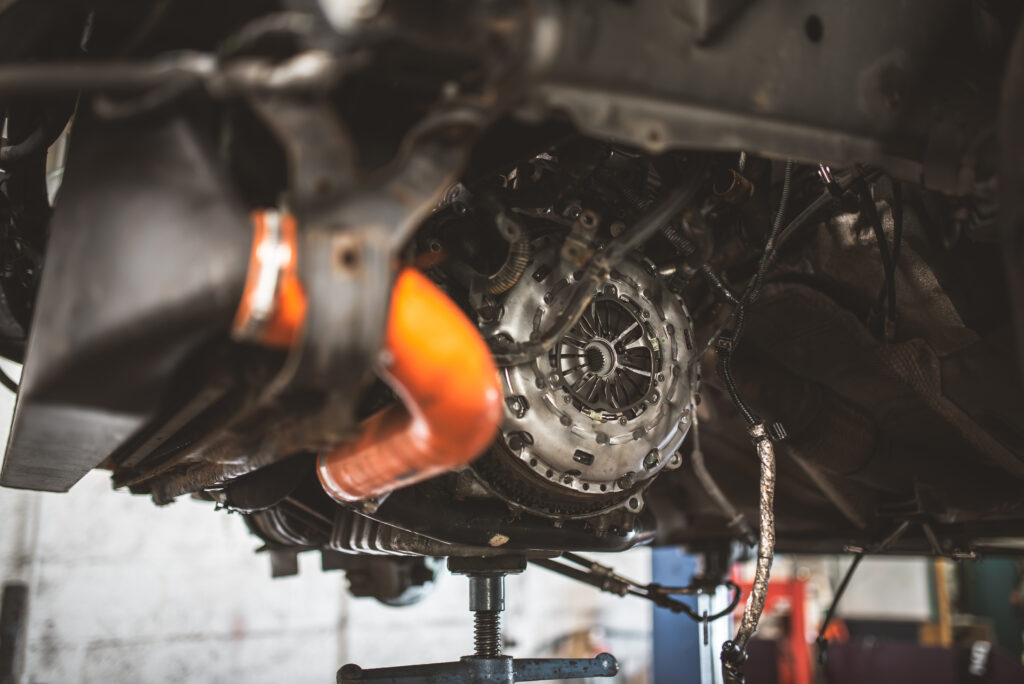
    Your vehicle’s transmission is one of its most important mechanical systems, responsible for transferring engine power to the wheels and helping your car accelerate smoothly. When transmission problems develop, they can affect your vehicle’s performance, reliability, and safety. Recognizing the early signs of transmission trouble can help you avoid expensive repairs and unexpected breakdowns. At 10 Degrees Automotive in Corona, drivers can receive professional transmission diagnostics, transmission maintenance, and dependable automotive repair services. If you notice unusual shifting, strange noises, or transmission fluid leaks, call 951.414.9423 to schedule a professional inspection before a minor issue becomes a major problem.

    ⚙️ 1. Delayed or Hesitant Gear Shifting

    One of the most noticeable signs your transmission needs service is a delay when shifting between gears.

    In an automatic transmission, you may notice a pause after shifting from Park into Drive or Reverse. Instead of engaging immediately, the vehicle may hesitate before moving.

    Common symptoms include:

    • Delayed engagement when selecting Drive or Reverse
    • Hesitation when accelerating from a stop
    • Noticeable pauses between gear changes
    • Engine revving before the vehicle begins moving
    • Inconsistent or unpredictable shifting

    These symptoms may indicate low transmission fluid, worn internal components, hydraulic pressure problems, or malfunctioning transmission controls.

    A small delay may initially seem harmless, but continued operation can contribute to additional wear.

    Professional transmission diagnostics can determine whether the problem requires routine maintenance, an electrical repair, or more extensive mechanical service.

    🚨 2. Transmission Slipping While Driving

    Transmission slipping occurs when the transmission fails to maintain the appropriate gear or properly transfer engine power.

    You might press the accelerator and notice that the engine RPM increases without a corresponding increase in vehicle speed.

    Other warning signs include:

    • Sudden increases in engine RPM
    • Unexpected changes in engine speed
    • Weak or inconsistent acceleration
    • Difficulty maintaining speed
    • A sensation that the transmission is slipping out of gear

    Possible causes include worn clutch components, inadequate hydraulic pressure, transmission fluid problems, or internal mechanical wear.

    In vehicles equipped with continuously variable transmissions (CVTs), some changes in engine RPM are normal. However, unusual power loss, shuddering, or inconsistent acceleration still warrants inspection.

    A slipping transmission should never be ignored. Continued driving can generate excessive heat and accelerate internal component damage.

    🔊 3. Grinding, Whining, or Clunking Noises

    Unusual noises are another common indication of transmission problems.

    A properly functioning transmission should operate without excessive grinding, whining, or clunking sounds.

    Different noises may suggest different issues.

    Grinding Noises

    Grinding during gear changes is especially concerning in manual transmissions.

    Possible causes include worn synchronizers, clutch problems, or damaged transmission components.

    Whining or Humming Sounds

    A whining noise that changes with vehicle speed or gear selection may indicate worn bearings, hydraulic pump problems, or other drivetrain issues.

    Clunking During Gear Changes

    A noticeable clunk when shifting into Drive or Reverse may result from transmission problems, worn engine mounts, damaged drivetrain components, or excessive mechanical play.

    Because unusual noises can originate from several systems, a professional drivetrain inspection is essential for identifying the actual source.

    💧 4. Transmission Fluid Leaks

    Your transmission relies on properly specified fluid for lubrication, cooling, and, in many automatic transmissions, hydraulic operation.

    A transmission fluid leak can reduce fluid levels and interfere with normal transmission performance.

    Warning signs include:

    • Red, pink, amber, or brown fluid beneath your vehicle
    • Wet areas around the transmission housing
    • Fluid collecting near transmission cooler lines
    • Shifting problems that gradually worsen
    • Transmission overheating

    Transmission fluid color varies depending on the vehicle and fluid type, so color alone cannot confirm the source of a leak.

    Common leak locations include transmission seals, gaskets, cooler lines, and related fittings.

    Low fluid levels can cause insufficient lubrication, pressure loss, and overheating.

    If you suspect a transmission fluid leak, have the vehicle inspected promptly. Simply adding fluid without repairing the leak may allow the problem to continue.

    🌡️ 5. Burning Smell While Driving

    A burning smell coming from your vehicle may indicate transmission overheating or another mechanical problem.

    Transmission fluid helps dissipate heat generated during operation. When temperatures become excessive, the fluid can deteriorate and lose some of its protective properties.

    Potential causes of overheating include:

    • Low transmission fluid levels
    • Heavy towing or excessive loads
    • Restricted transmission cooling
    • Internal clutch slippage
    • Contaminated or deteriorated fluid
    • Mechanical transmission problems

    A burning odor can also come from engine oil leaks, brakes, or other components, so proper diagnosis is important.

    If you notice a strong burning smell, smoke, or a transmission temperature warning, pull over safely and shut off the vehicle.

    Continuing to drive an overheating transmission may result in extensive internal damage.

    🚦 6. Rough, Hard, or Jerky Gear Changes

    Modern automatic transmissions are designed to provide controlled gear changes.

    Although shifting characteristics vary by vehicle, unusually harsh or jerky shifts may indicate a developing problem.

    You might experience:

    • A sudden jolt during acceleration
    • Hard shifting between lower gears
    • A noticeable thump when slowing down
    • Shuddering during gear changes
    • Unpredictable shifting behavior

    Possible causes include transmission fluid issues, faulty shift solenoids, valve body problems, electronic control malfunctions, or worn internal components.

    Some shifting complaints may also be caused by engine performance problems rather than the transmission itself.

    Professional testing can help distinguish between transmission shifting problems and other mechanical or electronic issues.

    💻 7. Check Engine Light or Transmission Warning Light

    Your vehicle’s onboard computer monitors many systems, including transmission operation.

    When it detects an abnormal condition, it may illuminate the check engine light or a dedicated transmission warning indicator.

    Transmission-related diagnostic trouble codes may involve:

    • Shift solenoid malfunctions
    • Incorrect gear ratios
    • Transmission temperature problems
    • Speed sensor faults
    • Torque converter clutch problems
    • Transmission control communication issues

    A warning light does not automatically mean the transmission needs replacement.

    In some cases, the cause may be an electrical connection, sensor, or control issue.

    However, ignoring warning indicators can allow an underlying problem to worsen.

    A professional computerized transmission diagnostic scan can retrieve fault codes and evaluate relevant operating data.

    🚘 8. Vehicle Hesitates or Refuses to Move

    A particularly serious warning sign occurs when the vehicle struggles to move after being placed into gear.

    You may notice that the engine runs normally, but the vehicle does not respond as expected when you press the accelerator.

    Possible causes include:

    • Severe transmission fluid loss
    • Internal clutch or band failure
    • Hydraulic pressure problems
    • Damaged transmission components
    • Electronic transmission control failures
    • Drivetrain component damage

    In some cases, the vehicle may move in Reverse but not Drive, or vice versa.

    These symptoms require prompt professional attention.

    Do not repeatedly accelerate a vehicle that refuses to engage a gear. Doing so may cause additional damage.

    If your vehicle cannot move safely, arrange for towing rather than attempting to drive it.

    🛞 9. Shaking, Vibrations, or Shuddering

    Unexpected shaking or vibration may also indicate transmission trouble, particularly when the symptoms occur during acceleration or gear changes.

    Drivers may experience:

    • Shuddering during light acceleration
    • Vibrations at certain speeds
    • Jerking when shifting gears
    • A rumbling sensation during steady driving
    • Shaking when the transmission engages

    In automatic transmissions, torque converter clutch problems can sometimes create a shuddering sensation.

    Manual transmission vehicles may experience vibration or chatter from clutch-related problems.

    However, similar symptoms can originate from tires, engine misfires, motor mounts, or other drivetrain components.

    A comprehensive inspection helps identify the correct cause before repairs begin.

    🔄 10. Difficulty Shifting a Manual Transmission

    Vehicles equipped with manual transmissions can develop unique shifting problems.

    If you have difficulty moving the gear selector into position, hear grinding during shifts, or notice changes in clutch engagement, professional service may be necessary.

    Common warning signs include:

    • Difficulty selecting first gear or Reverse
    • Grinding when changing gears
    • A clutch pedal that feels unusually soft or stiff
    • Gears unexpectedly disengaging
    • Clutch slipping during acceleration
    • Changes in the clutch engagement point

    Possible causes include a worn clutch assembly, hydraulic clutch problems, damaged shift linkage, or worn transmission synchronizers.

    Not every manual shifting problem requires transmission replacement.

    Some issues can be corrected by repairing clutch hydraulic components, adjusting linkage where applicable, or replacing worn external parts.

    🛠️ What Happens During a Professional Transmission Inspection?

    When you bring your vehicle in for transmission service, the diagnostic process typically begins with reviewing your symptoms and checking for obvious mechanical or electrical concerns.

    Depending on the vehicle and symptoms, technicians may perform several evaluations.

    🔍 Computerized Diagnostic Testing

    Modern diagnostic equipment can retrieve transmission-related fault codes and monitor operating information such as transmission temperature, gear commands, and sensor readings.

    💧 Transmission Fluid Inspection

    Technicians may inspect fluid condition and level using the manufacturer’s specified procedure.

    Some modern transmissions are sealed and require specialized equipment or temperature-controlled procedures for accurate fluid checks.

    ⚙️ Mechanical and Electrical Inspection

    A thorough inspection may include evaluating wiring, sensors, transmission mounts, shift controls, cooler lines, and related drivetrain components.

    🚗 Controlled Road Testing

    When safe and appropriate, a road test can help reproduce shifting complaints and evaluate transmission operation under normal driving conditions.

    The goal of professional transmission diagnostics is to identify the actual cause of the problem and recommend repairs based on testing rather than guesswork.

    📅 How Often Should You Service Your Transmission?

    The correct transmission maintenance schedule depends on your vehicle’s manufacturer, transmission design, driving conditions, and fluid specifications.

    Some vehicles require relatively frequent transmission fluid changes, while others have much longer recommended intervals.

    Severe driving conditions may require more frequent service, including:

    • Frequent stop-and-go traffic
    • Repeated short trips
    • Driving in extreme temperatures
    • Towing trailers or carrying heavy loads
    • Mountain driving
    • Commercial or heavy-duty vehicle use

    Always follow the manufacturer’s recommendations for your specific vehicle.

    Using the wrong transmission fluid or performing an inappropriate service procedure can cause performance problems and potentially damage internal components.

    A professional automotive technician can help determine the correct transmission fluid service for your vehicle.

    💰 Can Early Transmission Service Save Money?

    In many situations, addressing early transmission warning signs can help prevent more expensive repairs.

    For example, repairing a fluid leak before the transmission runs excessively low on fluid may prevent damage caused by overheating or inadequate lubrication.

    Likewise, diagnosing an electrical fault or shift solenoid problem early may help prevent additional operating issues.

    However, transmission symptoms do not always indicate a simple maintenance problem.

    Some vehicles may require component replacement, internal transmission repairs, or complete transmission replacement.

    The best approach is to have the vehicle properly inspected before deciding on a repair.

    Timely diagnosis helps vehicle owners understand their options and avoid unnecessary expenses.

    ❓ Frequently Asked Questions About Transmission Problems

    Can I Drive With a Slipping Transmission?

    Driving with a slipping transmission is not recommended. Slipping can create excessive heat and cause further internal damage. If the vehicle slips significantly, loses propulsion, or shifts unpredictably, stop driving and arrange for professional assistance.

    Will Changing Transmission Fluid Fix Hard Shifting?

    Sometimes, fluid-related problems contribute to harsh shifting. However, hard transmission shifts can also result from electrical faults, worn components, or hydraulic problems. A fluid change is not guaranteed to resolve the issue.

    Does a Check Engine Light Mean My Transmission Is Failing?

    Not necessarily. The check engine light can illuminate for many reasons, including engine, emissions, and transmission-related faults. Diagnostic testing is needed to identify the cause.

    How Do I Know if I Need Transmission Repair or Replacement?

    The decision depends on the transmission’s condition, the specific failure, repair costs, and parts availability. A professional inspection can help determine whether maintenance, component repair, rebuilding, or replacement is appropriate.

    What Is the Difference Between a Transmission Flush and Fluid Change?

    A transmission fluid change typically involves draining and replacing a portion of the fluid, sometimes along with servicing a filter or pan.

    A transmission flush generally uses equipment to exchange a larger amount of fluid.

    The appropriate procedure depends on the vehicle manufacturer’s recommendations and the condition of the transmission. Not every transmission should receive a machine-assisted flush.

    📍 Professional Transmission Service in Corona

    Drivers throughout Corona rely on dependable transportation for commuting, errands, and daily activities.

    When transmission problems begin affecting your vehicle’s performance, prompt attention can help reduce the risk of unexpected breakdowns.

    Whether your vehicle experiences delayed shifting, slipping gears, unusual noises, or transmission fluid leaks, identifying the cause is essential.

    A professional transmission inspection in Corona can help determine whether your vehicle needs routine maintenance, an electrical repair, or more extensive mechanical work.

    Staying proactive about transmission maintenance also helps protect the long-term performance and reliability of your vehicle.

    🚗 Schedule Your Transmission Inspection Today!

    Don’t wait until a minor shifting problem becomes a major transmission failure. If you’re noticing transmission slipping, rough gear changes, fluid leaks, unusual transmission noises, or delayed acceleration, it’s time to have your vehicle professionally inspected. Trust 10 Degrees Automotive in Corona for reliable transmission diagnostics, automotive maintenance, and professional repair services. Call 951.414.9423 today to schedule your transmission inspection and help keep your vehicle shifting smoothly, performing reliably, and ready for the road ahead!
  • 🚗 Five Essential Vehicle Fluids Every Driver Should Check

    By 10 Degrees Automotive | Corona | 951.414.9423

    Five Essential Vehicle Fluids Every Driver Should Check

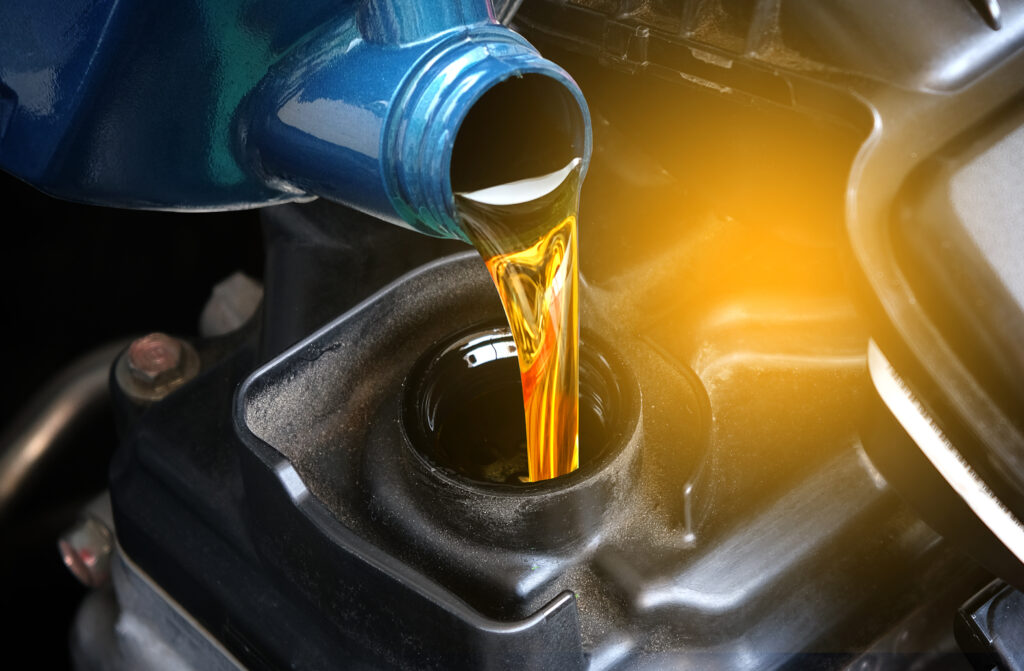
    Your vehicle depends on several fluids to lubricate moving components, regulate temperature, transfer hydraulic pressure, and protect vital systems. When one of those fluids becomes low, contaminated, or worn out, the result can range from reduced performance to a major mechanical failure.

    Fortunately, checking your vehicle’s fluids is one of the simplest ways to prevent avoidable repairs. A quick inspection can reveal a leak, excessive fluid consumption, or overdue maintenance before it develops into a more expensive problem.

    Although every vehicle has its own maintenance requirements, there are five essential vehicle fluids that nearly every driver should understand: engine oil, coolant, transmission fluid, brake fluid, and power steering fluid.

    If you are uncertain about a fluid level, notice a leak, or simply want a professional inspection, call 10 Degrees Automotive at 951.414.9423. Our experienced technicians provide honest, thorough automotive service for drivers in Corona and surrounding communities.

    🛢️ 1. Engine Oil

    Engine oil is one of the most important fluids in your vehicle. An engine contains many metal components moving at high speeds under intense heat and pressure. Oil lubricates those components, reduces friction, helps control temperature, and carries contaminants toward the oil filter.

    Operating an engine with insufficient or severely contaminated oil can cause rapid internal wear. In extreme situations, the engine may overheat, lose oil pressure, or suffer complete failure.

    How to Check Your Engine Oil

    Many vehicles still use a traditional dipstick, although some newer models use an electronic oil-level monitoring system. If your vehicle has a dipstick, park on level ground, turn off the engine, and wait several minutes so the oil can drain back into the oil pan.

    Remove the dipstick, wipe it clean, reinsert it completely, and remove it again. The oil level should appear between the minimum and maximum marks.

    Look at the oil’s condition as well as its level. Fresh oil is generally amber or light brown, but it naturally darkens as it collects contaminants. Dark oil alone does not always mean something is wrong. However, oil that feels gritty, looks milky, smells strongly of fuel, or contains metallic particles should be inspected by a qualified technician.

    Warning Signs of an Oil Problem

    Possible signs of low, leaking, or deteriorated engine oil include:

    • An illuminated oil-pressure warning light
    • Knocking, ticking, or tapping noises
    • Oil spots beneath the vehicle
    • A burning-oil smell
    • Smoke from the engine compartment
    • Unusually high engine temperature
    • The need to add oil frequently

    Never ignore an oil-pressure warning light. This warning can indicate that the engine is not receiving adequate lubrication. Safely turn off the vehicle and arrange for professional assistance. Following the manufacturer’s recommended oil change interval is one of the most effective ways to protect your engine.

    🌡️ 2. Engine Coolant

    Your engine produces tremendous heat during normal operation. Engine coolant, also called antifreeze, absorbs that heat and carries it to the radiator, where it can dissipate into the surrounding air.

    Coolant also helps prevent corrosion, lubricates certain cooling-system components, and protects the system from freezing. It is specially formulated for automotive cooling systems and should not be replaced with plain water for routine operation.

    How to Check Your Coolant

    Most vehicles have a translucent coolant reservoir with minimum and maximum level markings. The coolant level should be inspected only when the engine is completely cool.

    Never remove a radiator cap or pressurized coolant cap while the engine is hot. The cooling system may be under significant pressure, and hot coolant or steam can cause serious burns.

    If the level in the reservoir is low, consult the owner’s manual before adding anything. Vehicles require specific coolant formulations, and mixing incompatible coolant types can reduce protection or cause deposits inside the system.

    Signs of a Cooling-System Problem

    Watch for these possible coolant or cooling-system concerns:

    • A rising temperature gauge
    • An engine-temperature warning light
    • A sweet smell near the vehicle
    • Colored fluid beneath the front of the car
    • Steam coming from under the hood
    • Weak or inconsistent cabin heat
    • The need to refill the reservoir repeatedly

    Coolant should not routinely disappear. If you keep adding it, the vehicle may have a leak in the radiator, reservoir, water pump, hose, heater core, or another cooling-system component.

    An overheating engine can suffer severe damage very quickly. If the temperature gauge moves into the red zone, safely pull over and shut off the engine. Do not continue driving in the hope that the problem will correct itself.

    ⚙️ 3. Transmission Fluid

    The transmission transfers engine power to the wheels while adjusting gear ratios to match speed and driving conditions. Transmission fluid lubricates internal parts, helps control heat, and—in an automatic transmission—provides the hydraulic pressure needed for operation.

    Transmission fluid is exposed to significant heat and stress. Over time, it can deteriorate and lose its ability to lubricate and protect the transmission properly.

    How to Check Transmission Fluid

    The correct procedure varies considerably between vehicles. Some automatic transmissions have a dipstick that must be checked with the engine running and the transmission at a specified temperature. Many modern vehicles, however, use sealed transmissions without an accessible dipstick.

    Do not assume that “sealed” means the fluid lasts forever. It usually means that checking or replacing the fluid requires specific equipment and a precise procedure.

    If your vehicle has a transmission dipstick, follow the instructions in the owner’s manual carefully. Healthy transmission fluid is commonly red or reddish-brown, although the normal color varies by fluid type. Fluid that is very dark, smells burned, or contains visible debris may indicate deterioration or an internal problem.

    Warning Signs of a Transmission Issue

    Schedule an inspection if you notice:

    • Delayed engagement when selecting Drive or Reverse
    • Slipping between gears
    • Harsh, hesitant, or erratic shifting
    • A whining or humming noise
    • Fluid leaking beneath the vehicle
    • A burning smell
    • A transmission warning light
    • Engine speed increasing without matching acceleration

    Using the wrong transmission fluid can cause serious performance and reliability problems. Always use the exact specification required by the manufacturer.

    If you are unsure when your transmission fluid service is due, call 10 Degrees Automotive at 951.414.9423. We can inspect the fluid’s level and condition and recommend service based on your vehicle’s design, mileage, and maintenance history.

    🛑 4. Brake Fluid

    Your braking system relies on brake fluid to transfer force from the brake pedal to the brake components at the wheels. Because brake fluid is essential to hydraulic braking operation, its level and condition directly affect vehicle safety.

    Brake fluid is hygroscopic, meaning it absorbs moisture over time. Excess moisture can lower the fluid’s boiling point and contribute to corrosion inside braking components. Under demanding conditions, contaminated fluid may also reduce braking performance.

    How to Check Brake Fluid

    The brake-fluid reservoir is generally located near the back of the engine compartment on the driver’s side. Most reservoirs are translucent and have minimum and maximum markings.

    You can usually inspect the level without removing the cap. Avoid opening the reservoir unnecessarily because brake fluid can absorb moisture from the air, and dirt entering the system can cause problems.

    A slightly lower level may occur as brake pads wear, but a level below the minimum mark requires attention. Do not simply add fluid without investigating why it became low. The vehicle may have severely worn brake pads, a hydraulic leak, or another braking-system concern.

    Signs Your Brake System Needs Attention

    Contact a professional immediately if you notice:

    • A soft or spongy brake pedal
    • A pedal that sinks toward the floor
    • Increased stopping distance
    • A brake warning light
    • Fluid near a wheel or beneath the vehicle
    • Grinding, squealing, or scraping noises
    • The vehicle pulling during braking
    • A noticeable change in pedal response

    Never postpone service when braking performance changes. Brake problems can worsen without warning and compromise your ability to stop safely.

    At 10 Degrees Automotive, we can inspect the fluid, pads, rotors, calipers, hoses, and related components to identify the actual source of the problem.

    🔄 5. Power Steering Fluid

    Many hydraulic power steering systems use power steering fluid to provide steering assistance. This fluid transmits hydraulic pressure while lubricating the pump and other steering-system components.

    Some modern vehicles use electric power steering and therefore do not have power steering fluid. Check your owner’s manual or ask a technician if you are uncertain which system your vehicle uses.

    How to Check Power Steering Fluid

    If your vehicle has hydraulic power steering, locate the reservoir and inspect its level according to the manufacturer’s instructions. Some reservoirs have markings for hot and cold readings, so the correct method matters.

    Power steering fluid is often red, amber, or clear when new, depending on the required specification. Dark, dirty, foamy, or burned-smelling fluid may indicate contamination, overheating, air in the system, or internal wear.

    Signs of a Power Steering Problem

    Common symptoms include:

    • Whining or groaning while turning
    • Steering that feels unusually heavy
    • Jerky or inconsistent steering assistance
    • Fluid beneath the front of the vehicle
    • A low fluid level
    • A burning-fluid smell
    • Excessive steering-wheel vibration

    A low level usually means the system is leaking. Continually topping it off without repairing the leak can allow the power steering pump or steering gear to suffer additional damage.

    Because different vehicles require different fluid specifications, never add a generic product without confirming compatibility.

    🧽 Bonus Fluid: Windshield Washer Fluid

    Although windshield washer fluid does not lubricate the engine or operate the brakes, it still contributes to safe driving. A dirty windshield can drastically reduce visibility during rain, nighttime travel, dusty conditions, or direct sunlight.

    Check the washer-fluid reservoir regularly and use a product intended for automotive use. Plain water may freeze, promote mineral buildup, or fail to remove oil and road grime effectively.

    If the reservoir is full but the washers do not work, the system may have a clogged nozzle, damaged hose, failed pump, blown fuse, or electrical problem.

    📅 How Often Should Vehicle Fluids Be Checked?

    A useful general habit is to inspect accessible fluid levels about once a month and before a long road trip. Drivers should also arrange an inspection whenever warning lights appear, unusual odors develop, or fluid is found beneath the vehicle.

    Your ideal maintenance schedule depends on:

    • Vehicle make, model, and year
    • Mileage and maintenance history
    • Manufacturer recommendations
    • Local temperatures
    • Stop-and-go traffic
    • Towing or hauling
    • Short-trip driving
    • Dusty or severe operating conditions

    Remember that checking a fluid level is not the same as evaluating the entire system. A reservoir may appear full even though the fluid is contaminated or another component is beginning to fail.

    🔍 What Does the Color of a Fluid Leak Mean?

    Fluid color can provide an initial clue, but it should not be treated as a complete diagnosis.

    • Brown or black: Possibly engine oil
    • Red or reddish-brown: Possibly transmission or power steering fluid
    • Green, orange, pink, blue, or yellow: Possibly coolant
    • Clear to amber: Possibly brake fluid
    • Blue: Possibly windshield washer fluid
    • Clear water: Often normal condensation from the air-conditioning system

    Automotive fluids can change color with age, and several fluids may look similar. A professional inspection is the safest way to identify a leak accurately.

    🔧 Protect Your Vehicle With Professional Fluid Service

    Regular fluid checks can extend component life, improve reliability, and reveal developing problems early. However, every vehicle has unique fluid specifications and service procedures. Adding the wrong product, overfilling a system, or overlooking the source of a low level may create additional problems.

    Do not wait for a warning light, overheated engine, slipping transmission, or soft brake pedal. Call 10 Degrees Automotive at 951.414.9423 to schedule your vehicle inspection in Corona. Routine attention today can help prevent an inconvenient breakdown and a much larger repair tomorrow.

  • ⚡ Why Your BMW Needs a True Electrical Specialist | 10 Degrees Automotive

    Why Your BMW Needs a True Electrical Specialist | 10 Degrees Automotive

    When your BMW lights up with warning messages, most shops guess. At 10 Degrees Automotive, we diagnose. Modern BMWs are packed with advanced electrical systems: digital modules, adaptive lighting, CAN communication networks, and coded batteries. One loose connection or sensor glitch can trigger a cascade of issues—until a specialist tracks down the real cause. That’s exactly what we do 🚗💡

    The Hidden Complexity of BMW Electronics

    BMW uses smart modules that constantly communicate with one another. The charging system, body control modules, ECU (DME), digital instrument cluster, and even seat controls all share data. A weak battery, faulty IBS sensor, or failing alternator can cause multiple unrelated symptoms. Many general mechanics swap parts at random. We use OEM tools to pinpoint the failure before replacing anything.

    Common Electrical Problems BMW Owners Face

    Battery discharging warnings, slow cranks, random dashboard errors, non-functional window regulators, intermittent audio issues, flickering headlights, and misbehaving iDrive systems are all signals that something deeper is wrong. These aren’t “small problems.” They’re early indicators that a core system needs attention before it spreads to other modules or causes expensive damage.

    What Makes 10 Degrees Different

    We specialize in BMW electrical repairs with the diagnostic tools your vehicle was engineered for. ISTA, Autologic, and professional coding software allow us to read live data, communicate with modules, and fix the issue at the source. Instead of replacing parts blindly, we locate the exact point of failure—saving you money and preserving the integrity of your vehicle.

    Don’t Let a Warning Light Become a Breakdown

    Electrical issues rarely fix themselves. They get worse, affect performance, and can eventually leave you stranded. When you bring your BMW to us, you get clarity, not confusion. We care about accuracy, reliability, and making sure your BMW performs the way the engineers intended.

    📞 Call or Text: 951.414.9423
    🔧 10 Degrees Automotive — BMW Electrical Specialists
    Proudly serving Southern California drivers who demand the best.

  • 🔧 Keep Your Car Running Strong with 10 Degrees Automotive in Corona, CA

    Keep Your Car Running Strong with 10 Degrees Automotive in Corona, CA

    When it comes to reliable service and honest automotive care, 10 Degrees Automotive is a name you can trust. Drivers across the Inland Empire bring their vehicles to us because we combine professional craftsmanship, transparent communication, and a genuine passion for keeping your car on the road. From daily commuter vehicles to high-performance builds, we treat every job with attention to detail and respect for your time.

    At our shop, diagnostics come first. We don’t guess, and we don’t throw parts at a problem. Our ASE-certified technicians use advanced tools to identify the true cause of any issue—saving you money and preventing unnecessary repairs. Whether your car needs a simple oil change or complex engine troubleshooting, you’ll always receive a clear explanation of what’s wrong, why it matters, and how we’ll fix it.

    📍 1453 W. 6th St., #102, Corona, CA 92882
    📞 951.404.1103


    🚗 Why Drivers Choose 10 Degrees Automotive

    Vehicles break down—life gets busy—and repairs can be stressful. We remove the guesswork. When you walk through our doors, you’re greeted with honesty, professionalism, and straightforward communication. No confusing jargon. No pushy upselling. Just quality work that stands the test of time.

    We specialize in routine maintenance and factory replacement parts . Need brake service, suspension work, battery replacement, or precise engine diagnostics? We’ve seen it, fixed it, and done it right. For performance enthusiasts, we understand horsepower goals, drivability, and aftermarket tuning. Your build should be consistent, safe, and fun—not rushed.


    ⚙️ Commitment, Craftsmanship, and Customer Care

    We take pride in doing things the right way. Every repair is inspected and verified before you pick up your vehicle. If something isn’t urgent, we’ll tell you. If an issue can wait, we’ll tell you. And if something is critical for safety, we’ll make sure you know exactly why. Our goal isn’t just to fix your car—it’s to build a long-term partnership with you as a driver.

    Customers return to 10 Degrees Automotive because they feel respected, informed, and confident. They know we stand behind our work, value their time, and never treat them like “just another invoice.”


    🚘 Ready to Experience Real Automotive Care?

    If you’re searching for an auto shop that values integrity, experience, and long-lasting results, we’re here for you. Visit us in person or contact us today—your vehicle will thank you.

    📍 1453 W. 6th St., #102, Corona, CA 92882
    📞 Call or text: 951.404.1103

  • 🔧 10 Degrees Automotive: Quality, Precision, and Reliability for Every Driver in Corona, CA

    10 Degrees Automotive: Quality, Precision, and Reliability for Every Driver in Corona, CA

    Automotive care isn’t just about fixing what’s broken—it’s about protecting the safety and performance of your vehicle over time. At 10 Degrees Automotive in Corona, CA, we believe every driver deserves honest service, expert craftsmanship, and mechanics who treat their vehicle like it matters. Because it does.

    We’re not here to rush repairs or push services you don’t need. We’re here to diagnose the real issue, walk you through the solution, and get you back on the road with confidence.

    📍 1453 W. 6th St., #102, Corona, CA 92882
    📞 Call or text: 951.404.1103


    🛠️ More Than Just a Mechanic Shop

    At 10 Degrees Automotive, our foundation is built on trust. Many of our customers come to us after experiencing rushed work, unexplained charges, or constant upselling at other shops. We do things differently.

    When your vehicle comes in, we take the time to:

    • Understand your concerns
    • Diagnose the issue accurately
    • Explain every step of the repair
    • Provide fair pricing and transparent timelines

    No surprises. No confusing jargon. Just honest communication and workmanship that speaks for itself.


    🚗 Routine Maintenance You Can Depend On

    Preventive care is the backbone of long-term vehicle health. A well-maintained car doesn’t just run better—it saves you money, improves fuel efficiency, and prevents unexpected breakdowns. Many issues that evolve into expensive repairs begin with early warning signs: slight vibrations, brake squeals, dash lights, decreased acceleration, or temperature changes.

    Our team pays attention to those small signals before they turn into big problems. Whether it’s an oil change, brake service, electrical diagnostics, or fluid inspection, we keep your vehicle functioning at its best. If there’s something you should plan for in the near future, we’ll let you know—never with pressure, but with professional guidance aimed at protecting your investment.


    🔥 For Performance Drivers, We Speak Your Language

    Some shops are intimidated by high-performance vehicles or aftermarket modifications. Not us.

    At 10 Degrees Automotive, we are car enthusiasts too. We understand horsepower goals, track prep, dyno tuning, drivability, and the delicate balance between street comfort and performance. If you’re building a project car, improving handling, or unlocking the potential of your engine, we’re right there with you.

    From exhaust systems and suspension upgrades to engine enhancements and specialty tuning, we help you achieve your build’s vision. Every performance setup is tailored—not rushed, and never generic. Because performance should be engineered, not guessed.


    💡 Real Diagnostics, Real Solutions, No Guesswork

    Modern vehicles are complex. Sensors, electronics, modules, and computers all work together—and when one part fails, it can create a chain reaction. That’s why our ASE-certified technicians rely on proper testing and industry-leading diagnostic equipment rather than trial and error.

    We take a methodical approach:

    • Identify the root cause
    • Repair with purpose
    • Verify system performance
    • Confirm reliability before return

    You get a solution, not a temporary patch.


    🤝 Our Goal: A Long-Term Relationship With Your Vehicle

    When customers find us, they often stay with us for years. Not because we’re the cheapest shop in town—but because we are the most consistent, thorough, and trustworthy. We stand behind our workmanship, installed components, and the service we provide. If something isn’t right, we make it right.

    We also understand that not every repair needs to happen immediately. Sometimes it’s smarter to prioritize safety items first and schedule secondary work later. We’ll guide you on what’s urgent, what’s preventative, and what can wait—so you have control over your decisions.


    🌟 The 10 Degrees Automotive Experience

    From the moment you walk in, you’re greeted with respect and transparency. We know dropping your car off at a shop is stressful—you’re without transportation, you’re uncertain about pricing, and you simply want someone who will tell you the truth.

    You’ll never be treated like “just another invoice.” We take pride in explaining problems in terms you’ll understand, giving accurate timelines, and delivering work that feels worth your trust. That’s why our customers recommend us to friends, coworkers, and family. It’s not just service—it’s service with integrity.


    📍 Visit Us in Corona, CA — Your Car Will Thank You

    If you’re ready for an auto shop that values honesty, craftsmanship, and long-term reliability, we’d be honored to work on your vehicle.

    10 Degrees Automotive
    📍 1453 W. 6th St., #102, Corona, CA 92882
    📞 Call or text: 951.404.1103

    From routine maintenance to complex repairs and performance builds, your vehicle is in skilled hands.
    Schedule your visit today and experience automotive care done right. 🚗✨

  • 🔧 10 Degrees Automotive: Your Trusted Auto Repair Experts 🚗💨

    10 Degrees Automotive: Your Trusted Auto Repair Experts

    When it comes to keeping your vehicle running at its best, 10 Degrees Automotive stands out as the go-to destination for quality, honesty, and expertise. Whether you drive a daily commuter, a family SUV, or a performance vehicle, our certified mechanics provide top-tier automotive services backed by years of experience and a passion for cars. 💙

    📍 Visit us at:
    1453 W. 6th St., #102, Corona, CA 92882
    📞 Call or text: 951.404.1103


    🚘 Why Choose 10 Degrees Automotive?

    Choosing an auto shop can be overwhelming—especially if you’ve been burned in the past. At 10 Degrees Automotive, our mission is simple: deliver reliable car repair and maintenance with transparency and fair pricing.

    Here’s what makes us different:

    • ✔️ ASE-certified mechanics
    • ✔️ Cutting-edge diagnostics & tools
    • ✔️ Friendly customer service
    • ✔️ Warranty-backed parts & repairs
    • ✔️ Honest inspections—no upsells you don’t need

    When we fix your vehicle, we treat it like it’s our own. 🛠️


    🛞 Full-Service Auto Repair & Maintenance

    From simple oil changes to complex engine work, we’ve got you covered. Our services include:

    • 🔧 Brake repair & replacement
    • 🚗 Engine diagnostics & tune-ups
    • 🛢️ Oil changes & fluid services
    • 🧊 Air conditioning & heating repair
    • ⚙️ Transmission service
    • 🔋 Battery testing & replacement
    • 🚙 Suspension & steering repairs
    • 🛠️ Factory recommended maintenance
    • 📏 Wheel alignment & tire services

    Whether you’re hearing a strange noise, noticing vibrations, or just need routine maintenance, our team at 10 Degrees Automotive can help.


    💡 Preventive Maintenance Saves You Money

    A well-maintained vehicle lasts longer and performs better. Many issues—like worn brakes or bad sensors—start small but become major repairs if ignored.

    Regular maintenance = fewer emergencies + higher resale value.
    At 10 Degrees Automotive, we’ll help you stay ahead of costly breakdowns with service plans that fit your driving habits.


    🛠️ Honest Diagnostics & Transparent Repair

    At our shop, you never have to guess what’s going on with your vehicle.
    We walk you through:

    • What we found
    • Why it matters
    • What your repair options are
    • What’s urgent vs. what can wait

    That’s why customers choose 10 Degrees Automotive again and again—we earn trust, not just transactions.


    ⭐ Customer Experience That Goes Above and Beyond

    Our team prioritizes communication, professionalism, and comfort. From the moment you walk through our doors, you’ll receive:

    • Friendly, knowledgeable staff
    • Accurate timelines
    • Fair, transparent pricing
    • Quality parts & workmanship

    We don’t just fix cars—we build relationships.


    📍 Visit 10 Degrees Automotive in Corona, CA

    We’re proud to serve drivers in Corona, Norco, Riverside, Chino, Eastvale, and surrounding communities. When you need quality auto repair or trusted maintenance, we’re right around the corner.

    📍 10 Degrees Automotive, 1453 W. 6th St., #102, Corona, CA 92882
    📞 Call or text: 951.404.1103

    👉 Schedule your appointment today. Your car deserves the best. 🚗✨