Tag: power steering fluid

  • đźš— Five Essential Vehicle Fluids Every Driver Should Check

    By 10 Degrees Automotive | Corona | 951.414.9423
    Five Essential Vehicle Fluids Every Driver Should Check

    Your vehicle depends on several fluids to lubricate moving components, regulate temperature, transfer hydraulic pressure, and protect vital systems. When one of those fluids becomes low, contaminated, or worn out, the result can range from reduced performance to a major mechanical failure.

    Fortunately, checking your vehicle’s fluids is one of the simplest ways to prevent avoidable repairs. A quick inspection can reveal a leak, excessive fluid consumption, or overdue maintenance before it develops into a more expensive problem.

    Although every vehicle has its own maintenance requirements, there are five essential vehicle fluids that nearly every driver should understand: engine oil, coolant, transmission fluid, brake fluid, and power steering fluid.

    If you are uncertain about a fluid level, notice a leak, or simply want a professional inspection, call 10 Degrees Automotive at 951.414.9423. Our experienced technicians provide honest, thorough automotive service for drivers in Corona and surrounding communities.

    🛢️ 1. Engine Oil

    Engine oil is one of the most important fluids in your vehicle. An engine contains many metal components moving at high speeds under intense heat and pressure. Oil lubricates those components, reduces friction, helps control temperature, and carries contaminants toward the oil filter.

    Operating an engine with insufficient or severely contaminated oil can cause rapid internal wear. In extreme situations, the engine may overheat, lose oil pressure, or suffer complete failure.

    How to Check Your Engine Oil

    Many vehicles still use a traditional dipstick, although some newer models use an electronic oil-level monitoring system. If your vehicle has a dipstick, park on level ground, turn off the engine, and wait several minutes so the oil can drain back into the oil pan.

    Remove the dipstick, wipe it clean, reinsert it completely, and remove it again. The oil level should appear between the minimum and maximum marks.

    Look at the oil’s condition as well as its level. Fresh oil is generally amber or light brown, but it naturally darkens as it collects contaminants. Dark oil alone does not always mean something is wrong. However, oil that feels gritty, looks milky, smells strongly of fuel, or contains metallic particles should be inspected by a qualified technician.

    Warning Signs of an Oil Problem

    Possible signs of low, leaking, or deteriorated engine oil include:

    • An illuminated oil-pressure warning light
    • Knocking, ticking, or tapping noises
    • Oil spots beneath the vehicle
    • A burning-oil smell
    • Smoke from the engine compartment
    • Unusually high engine temperature
    • The need to add oil frequently

    Never ignore an oil-pressure warning light. This warning can indicate that the engine is not receiving adequate lubrication. Safely turn off the vehicle and arrange for professional assistance. Following the manufacturer’s recommended oil change interval is one of the most effective ways to protect your engine.

    🌡️ 2. Engine Coolant

    Your engine produces tremendous heat during normal operation. Engine coolant, also called antifreeze, absorbs that heat and carries it to the radiator, where it can dissipate into the surrounding air.

    Coolant also helps prevent corrosion, lubricates certain cooling-system components, and protects the system from freezing. It is specially formulated for automotive cooling systems and should not be replaced with plain water for routine operation.

    How to Check Your Coolant

    Most vehicles have a translucent coolant reservoir with minimum and maximum level markings. The coolant level should be inspected only when the engine is completely cool.

    Never remove a radiator cap or pressurized coolant cap while the engine is hot. The cooling system may be under significant pressure, and hot coolant or steam can cause serious burns.

    If the level in the reservoir is low, consult the owner’s manual before adding anything. Vehicles require specific coolant formulations, and mixing incompatible coolant types can reduce protection or cause deposits inside the system.

    Signs of a Cooling-System Problem

    Watch for these possible coolant or cooling-system concerns:

    • A rising temperature gauge
    • An engine-temperature warning light
    • A sweet smell near the vehicle
    • Colored fluid beneath the front of the car
    • Steam coming from under the hood
    • Weak or inconsistent cabin heat
    • The need to refill the reservoir repeatedly

    Coolant should not routinely disappear. If you keep adding it, the vehicle may have a leak in the radiator, reservoir, water pump, hose, heater core, or another cooling-system component.

    An overheating engine can suffer severe damage very quickly. If the temperature gauge moves into the red zone, safely pull over and shut off the engine. Do not continue driving in the hope that the problem will correct itself.

    ⚙️ 3. Transmission Fluid

    The transmission transfers engine power to the wheels while adjusting gear ratios to match speed and driving conditions. Transmission fluid lubricates internal parts, helps control heat, and—in an automatic transmission—provides the hydraulic pressure needed for operation.

    Transmission fluid is exposed to significant heat and stress. Over time, it can deteriorate and lose its ability to lubricate and protect the transmission properly.

    How to Check Transmission Fluid

    The correct procedure varies considerably between vehicles. Some automatic transmissions have a dipstick that must be checked with the engine running and the transmission at a specified temperature. Many modern vehicles, however, use sealed transmissions without an accessible dipstick.

    Do not assume that “sealed” means the fluid lasts forever. It usually means that checking or replacing the fluid requires specific equipment and a precise procedure.

    If your vehicle has a transmission dipstick, follow the instructions in the owner’s manual carefully. Healthy transmission fluid is commonly red or reddish-brown, although the normal color varies by fluid type. Fluid that is very dark, smells burned, or contains visible debris may indicate deterioration or an internal problem.

    Warning Signs of a Transmission Issue

    Schedule an inspection if you notice:

    • Delayed engagement when selecting Drive or Reverse
    • Slipping between gears
    • Harsh, hesitant, or erratic shifting
    • A whining or humming noise
    • Fluid leaking beneath the vehicle
    • A burning smell
    • A transmission warning light
    • Engine speed increasing without matching acceleration

    Using the wrong transmission fluid can cause serious performance and reliability problems. Always use the exact specification required by the manufacturer.

    If you are unsure when your transmission fluid service is due, call 10 Degrees Automotive at 951.414.9423. We can inspect the fluid’s level and condition and recommend service based on your vehicle’s design, mileage, and maintenance history.

    🛑 4. Brake Fluid

    Your braking system relies on brake fluid to transfer force from the brake pedal to the brake components at the wheels. Because brake fluid is essential to hydraulic braking operation, its level and condition directly affect vehicle safety.

    Brake fluid is hygroscopic, meaning it absorbs moisture over time. Excess moisture can lower the fluid’s boiling point and contribute to corrosion inside braking components. Under demanding conditions, contaminated fluid may also reduce braking performance.

    How to Check Brake Fluid

    The brake-fluid reservoir is generally located near the back of the engine compartment on the driver’s side. Most reservoirs are translucent and have minimum and maximum markings.

    You can usually inspect the level without removing the cap. Avoid opening the reservoir unnecessarily because brake fluid can absorb moisture from the air, and dirt entering the system can cause problems.

    A slightly lower level may occur as brake pads wear, but a level below the minimum mark requires attention. Do not simply add fluid without investigating why it became low. The vehicle may have severely worn brake pads, a hydraulic leak, or another braking-system concern.

    Signs Your Brake System Needs Attention

    Contact a professional immediately if you notice:

    • A soft or spongy brake pedal
    • A pedal that sinks toward the floor
    • Increased stopping distance
    • A brake warning light
    • Fluid near a wheel or beneath the vehicle
    • Grinding, squealing, or scraping noises
    • The vehicle pulling during braking
    • A noticeable change in pedal response

    Never postpone service when braking performance changes. Brake problems can worsen without warning and compromise your ability to stop safely.

    At 10 Degrees Automotive, we can inspect the fluid, pads, rotors, calipers, hoses, and related components to identify the actual source of the problem.

    🔄 5. Power Steering Fluid

    Many hydraulic power steering systems use power steering fluid to provide steering assistance. This fluid transmits hydraulic pressure while lubricating the pump and other steering-system components.

    Some modern vehicles use electric power steering and therefore do not have power steering fluid. Check your owner’s manual or ask a technician if you are uncertain which system your vehicle uses.

    How to Check Power Steering Fluid

    If your vehicle has hydraulic power steering, locate the reservoir and inspect its level according to the manufacturer’s instructions. Some reservoirs have markings for hot and cold readings, so the correct method matters.

    Power steering fluid is often red, amber, or clear when new, depending on the required specification. Dark, dirty, foamy, or burned-smelling fluid may indicate contamination, overheating, air in the system, or internal wear.

    Signs of a Power Steering Problem

    Common symptoms include:

    • Whining or groaning while turning
    • Steering that feels unusually heavy
    • Jerky or inconsistent steering assistance
    • Fluid beneath the front of the vehicle
    • A low fluid level
    • A burning-fluid smell
    • Excessive steering-wheel vibration

    A low level usually means the system is leaking. Continually topping it off without repairing the leak can allow the power steering pump or steering gear to suffer additional damage.

    Because different vehicles require different fluid specifications, never add a generic product without confirming compatibility.

    đź§˝ Bonus Fluid: Windshield Washer Fluid

    Although windshield washer fluid does not lubricate the engine or operate the brakes, it still contributes to safe driving. A dirty windshield can drastically reduce visibility during rain, nighttime travel, dusty conditions, or direct sunlight.

    Check the washer-fluid reservoir regularly and use a product intended for automotive use. Plain water may freeze, promote mineral buildup, or fail to remove oil and road grime effectively.

    If the reservoir is full but the washers do not work, the system may have a clogged nozzle, damaged hose, failed pump, blown fuse, or electrical problem.

    đź“… How Often Should Vehicle Fluids Be Checked?

    A useful general habit is to inspect accessible fluid levels about once a month and before a long road trip. Drivers should also arrange an inspection whenever warning lights appear, unusual odors develop, or fluid is found beneath the vehicle.

    Your ideal maintenance schedule depends on:

    • Vehicle make, model, and year
    • Mileage and maintenance history
    • Manufacturer recommendations
    • Local temperatures
    • Stop-and-go traffic
    • Towing or hauling
    • Short-trip driving
    • Dusty or severe operating conditions

    Remember that checking a fluid level is not the same as evaluating the entire system. A reservoir may appear full even though the fluid is contaminated or another component is beginning to fail.

    🔍 What Does the Color of a Fluid Leak Mean?

    Fluid color can provide an initial clue, but it should not be treated as a complete diagnosis.

    • Brown or black: Possibly engine oil
    • Red or reddish-brown: Possibly transmission or power steering fluid
    • Green, orange, pink, blue, or yellow: Possibly coolant
    • Clear to amber: Possibly brake fluid
    • Blue: Possibly windshield washer fluid
    • Clear water: Often normal condensation from the air-conditioning system

    Automotive fluids can change color with age, and several fluids may look similar. A professional inspection is the safest way to identify a leak accurately.

    đź”§ Protect Your Vehicle With Professional Fluid Service

    Regular fluid checks can extend component life, improve reliability, and reveal developing problems early. However, every vehicle has unique fluid specifications and service procedures. Adding the wrong product, overfilling a system, or overlooking the source of a low level may create additional problems.

    Do not wait for a warning light, overheated engine, slipping transmission, or soft brake pedal. Call 10 Degrees Automotive at 951.414.9423 to schedule your vehicle inspection in Corona. Routine attention today can help prevent an inconvenient breakdown and a much larger repair tomorrow.

  • đźš— Why Regular Fluid Maintenance Helps Your Car Last Longer

    By 10 Degrees Automotive | Corona | 951.414.9423

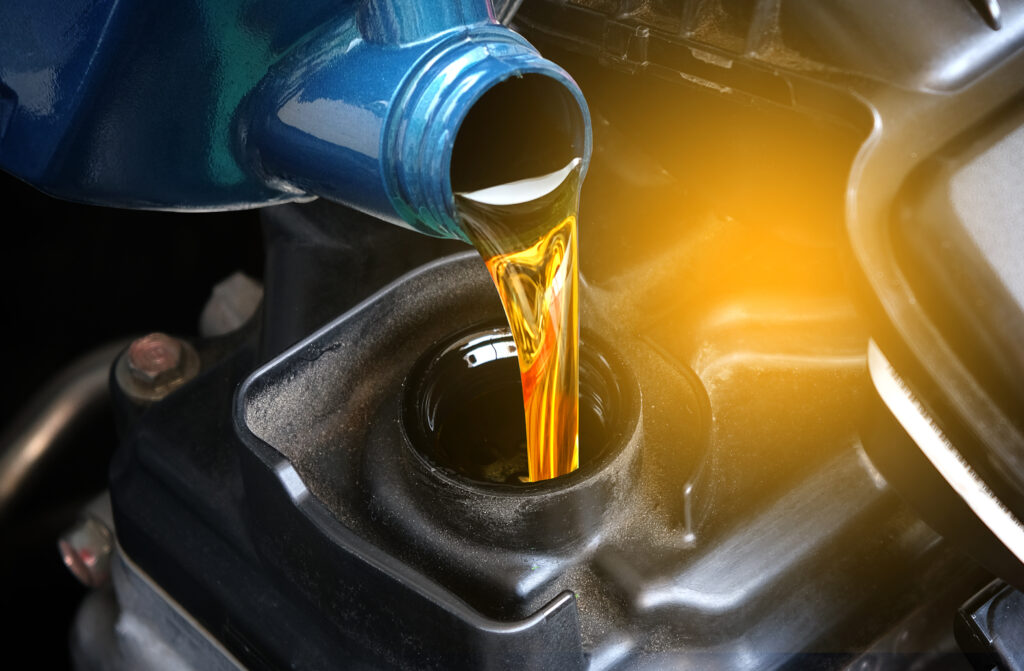
    Automotive technician checking engine oil and inspecting vehicle fluids during preventive maintenance

    Your vehicle depends on much more than gasoline and engine oil. Several specialized fluids circulate through its systems to lubricate moving components, manage heat, transfer hydraulic pressure, protect against corrosion, and support smooth mechanical operation.

    These fluids work under demanding conditions. Heat, moisture, friction, contamination, and time gradually change their condition. Fluid levels can also drop because of leaks or consumption. Without proper maintenance, expensive components may operate with inadequate lubrication or protection.

    Regular automotive fluid maintenance can help reduce premature wear, identify leaks early, improve reliability, and extend the useful life of your vehicle.

    If you are unsure which fluid services your car needs, contact 10 Degrees Automotive in Corona at 951.414.9423 for a professional maintenance inspection.

    đź”§ What Does Fluid Maintenance Include?

    Fluid maintenance is more than topping off reservoirs. It involves checking the level and condition of each applicable fluid, inspecting for leaks, following the manufacturer’s service schedule, and using the correct specification.

    Depending on the vehicle, important fluids may include:

    • Engine oil
    • Engine coolant
    • Transmission fluid
    • Brake fluid
    • Power-steering fluid
    • Differential fluid
    • Transfer-case fluid
    • Clutch fluid
    • Windshield-washer fluid

    Not every vehicle uses every fluid on this list. For example, vehicles with electric power steering do not have hydraulic power-steering fluid. Electric and hybrid vehicles may also have specialized cooling or drivetrain-fluid requirements.

    The owner’s manual and manufacturer service information are the best starting points for determining what your specific vehicle requires.

    🛢️ Engine Oil Protects Internal Components

    Engine oil lubricates pistons, bearings, camshafts, timing components, and other moving parts. It creates a protective film that reduces direct metal-to-metal contact.

    Oil also helps:

    • Carry heat away from moving parts
    • Suspend contaminants
    • Control deposits
    • Protect against corrosion
    • Support hydraulic timing components
    • Lubricate turbochargers when equipped
    • Help piston rings seal correctly

    As oil ages, heat and contamination can reduce its protective qualities. If it remains in service too long, it may thicken, oxidize, or contribute to sludge formation.

    Low oil creates an additional risk because the remaining fluid must absorb more heat and protect the engine with less reserve capacity.

    Following the correct engine oil change schedule can help prevent premature wear and protect components that may cost thousands of dollars to repair.

    🌡️ Coolant Helps Prevent Overheating and Corrosion

    Engine coolant circulates through the engine and radiator to control operating temperature. It also contains additives designed to protect the cooling system from corrosion and deposits.

    Over time, coolant can become contaminated or lose some of its protective properties. A low level may indicate a leak.

    Neglected coolant can contribute to:

    • Engine overheating
    • Internal corrosion
    • Radiator damage
    • Water-pump wear
    • Heater-core problems
    • Damaged seals and gaskets
    • Restricted coolant passages
    • Expensive engine repairs

    Coolant is produced in several colors, but color alone does not determine the correct type. Different formulations may be incompatible, even when they look similar.

    Always use the coolant specification required by the vehicle manufacturer. Mixing products without confirming compatibility can reduce protection or create deposits.

    If the temperature gauge rises into the red zone, pull over safely and shut off the engine. Never remove a pressurized cooling-system cap while the engine is hot.

    ⚙️ Transmission Fluid Supports Smooth Operation

    Transmission fluid may lubricate gears and bearings, operate hydraulic circuits, control heat, and support clutch operation. Its exact role depends on whether the vehicle has an automatic, continuously variable, dual-clutch, or manual transmission.

    Heat and normal use can change the fluid’s condition. Contamination or an incorrect level may affect transmission operation.

    Potential signs of a transmission-fluid concern include:

    • Delayed engagement
    • Rough or unusual shifts
    • Slipping
    • Shuddering
    • Fluid beneath the vehicle
    • A burning odor
    • Transmission warnings
    • Unusual noise

    Modern transmissions can be sensitive to fluid type and service procedure. A fluid intended for one transmission may not be suitable for another.

    Some vehicles require the fluid level to be checked at a precise temperature using specialized equipment. Others do not have a conventional dipstick.

    Following the appropriate transmission fluid maintenance recommendations may help protect one of your vehicle’s most complex and expensive systems.

    🛑 Brake Fluid Is Essential for Safe Stopping

    Brake fluid transfers force from the brake pedal to the calipers or wheel cylinders. Without the proper hydraulic pressure, the braking system cannot operate as designed.

    Brake fluid can absorb moisture over time. Moisture may lower its boiling point and contribute to corrosion within hydraulic components. Heat from repeated braking can place additional stress on degraded fluid.

    Possible signs of a brake-fluid or hydraulic problem include:

    • A soft or spongy pedal
    • A pedal that sinks
    • Low brake-fluid level
    • A red brake warning light
    • Fluid near a wheel
    • Increased stopping distance
    • Reduced braking performance

    Brake fluid should not routinely disappear. A falling level may result from pad wear or a leak and should be inspected.

    A suspected brake-fluid leak is an urgent safety concern. If the pedal feels abnormal or the vehicle does not stop properly, do not continue driving.

    🔄 Differential Fluid Protects Gears and Bearings

    The differential allows wheels on the same axle to rotate at different speeds while turning. Its gears and bearings operate under substantial pressure and depend on specialized lubricant.

    Differential fluid may deteriorate because of heat, contamination, heavy loads, towing, or water intrusion.

    Neglected differential fluid can contribute to:

    • Gear wear
    • Bearing damage
    • Whining or howling noises
    • Overheating
    • Seal deterioration
    • Complete differential failure

    Some vehicles have front and rear differentials, while others have only one. All-wheel-drive and four-wheel-drive systems may include additional components with separate maintenance needs.

    Servicing these fluids according to the manufacturer’s recommendations can help protect costly drivetrain parts.

    đźš™ Transfer-Case Fluid Matters for AWD and 4WD Vehicles

    A transfer case distributes power between the front and rear axles in many all-wheel-drive and four-wheel-drive vehicles.

    Its internal chains, gears, bearings, and clutches may depend on fluid for lubrication and heat control. The required fluid varies widely by vehicle.

    Problems may develop if the fluid becomes low, contaminated, or incorrect. Symptoms can include:

    • Grinding or whining
    • Shuddering
    • Difficulty changing drive modes
    • Fluid leaks
    • Warning messages
    • Binding during turns
    • Reduced drivetrain performance

    Because transfer-case damage can affect the entire driveline, regular inspection and proper service may help prevent extensive repairs.

    đź”§ Power-Steering Fluid Protects Hydraulic Systems

    Vehicles with hydraulic power steering use fluid to transmit pressure from the pump to the steering gear or rack.

    Low or degraded fluid may contribute to:

    • Whining noises
    • Increased steering effort
    • Pump wear
    • Foaming
    • Heat buildup
    • Seal damage
    • Steering-system leaks

    Not all vehicles use hydraulic power steering. Many newer models rely on electric steering assistance and do not have a fluid reservoir.

    If your vehicle uses hydraulic fluid, the correct specification is important. Some systems use a dedicated power-steering fluid, while others require a specific type of automatic transmission fluid.

    đź§Ľ Windshield-Washer Fluid Supports Clear Visibility

    Windshield-washer fluid does not lubricate a major mechanical component, but it still serves an important safety function.

    A functioning washer system helps remove:

    • Dust
    • Road grime
    • Insects
    • Light mud
    • Residue
    • Other visibility obstructions

    Using plain water may not clean effectively and can promote mineral deposits or freezing in cold conditions. Use an appropriate washer fluid for the expected climate.

    A low level may simply mean the fluid has been used, while repeated rapid loss may indicate a cracked reservoir, damaged hose, or failing pump.

    đź§Ş Fluids Deteriorate Even When Levels Look Correct

    A full reservoir does not necessarily mean the fluid is in good condition.

    Fluid may still be:

    • Contaminated
    • Oxidized
    • Moisture-saturated
    • Overheated
    • Diluted
    • Chemically depleted
    • Filled with wear particles
    • Incorrect for the application

    Visual inspection can provide clues, but color alone is not always reliable. Some fluids darken during normal operation, while others may appear clean despite losing important protective properties.

    Maintenance decisions should consider mileage, time, vehicle history, operating conditions, manufacturer recommendations, and test results when applicable.

    đź“… Severe Driving Conditions May Require More Attention

    Many drivers assume severe service means racing, towing, or off-road use. Manufacturer definitions may also include everyday conditions such as:

    • Frequent short trips
    • Extended idling
    • Stop-and-go traffic
    • High temperatures
    • Dusty environments
    • Mountain driving
    • Towing
    • Heavy loads
    • Commercial use

    These conditions can increase fluid temperature, introduce contaminants, or shorten the time between recommended inspections and services.

    Corona and Southern California drivers often experience heat and congestion, making consistent maintenance particularly valuable.

    Check the owner’s manual for normal and severe-service schedules applicable to your driving habits.

    ⚠️ The Wrong Fluid Can Cause Damage

    Automotive fluids are not universally interchangeable. Using the wrong oil, coolant, transmission fluid, brake fluid, or gear lubricant can affect performance and damage components.

    The correct specification may govern:

    • Viscosity
    • Friction characteristics
    • Additive chemistry
    • Temperature performance
    • Seal compatibility
    • Corrosion protection
    • Hydraulic response

    Do not select fluid based only on color or a generic description.

    When topping off or servicing a system, confirm the specification required by the manufacturer. If the wrong fluid may have been added, contact a qualified repair shop before operating the vehicle further.

    đź’§ Fluid Maintenance Helps Detect Leaks Early

    Routine fluid inspections can reveal a falling level before the vehicle produces an obvious warning.

    A technician may notice:

    • Wet seals
    • Seeping gaskets
    • Cracked hoses
    • Loose connections
    • Stained underbody panels
    • Fluid around a reservoir
    • Deteriorated lines
    • Unusual odors

    Correcting a small leak early may help prevent low-fluid operation and damage to surrounding components.

    Repeatedly adding fluid is not a substitute for repairing the source of the loss. If a level continues to drop, call 10 Degrees Automotive at 951.414.9423 for an inspection.

    đź’° Regular Fluid Service Can Prevent Expensive Repairs

    Fluid maintenance is a predictable ownership expense. Replacing a transmission, engine, differential, steering rack, or brake hydraulic component can be significantly more costly.

    Proper maintenance can help:

    • Reduce friction and wear
    • Control operating temperatures
    • Prevent corrosion
    • Maintain hydraulic pressure
    • Protect seals and internal components
    • Detect leaks early
    • Improve reliability
    • Reduce the risk of breakdowns
    • Extend component service life

    Maintenance cannot prevent every mechanical failure, but it can reduce avoidable damage caused by neglected, incorrect, contaminated, or insufficient fluid.

    📝 Keep Accurate Maintenance Records

    Tracking fluid services helps prevent both neglect and unnecessary repetition.

    Record:

    • The date of service
    • Vehicle mileage
    • Fluid specification
    • Amount used
    • Filter replacement
    • Repairs performed
    • Leaks discovered
    • The next recommended inspection

    Clear maintenance records can also help technicians identify patterns, understand previous work, and make informed recommendations.

    If you buy a used vehicle without service records, a professional inspection can help establish its current condition and maintenance priorities.

    đźš« Is a Fluid Flush Always Necessary?

    The words “fluid change,” “exchange,” and “flush” are sometimes used interchangeably, but the procedures may be different.

    The appropriate service depends on:

    • The vehicle manufacturer’s recommendations
    • System design
    • Fluid condition
    • Mileage
    • Maintenance history
    • Existing mechanical symptoms
    • Available equipment

    A particular flushing procedure may not be appropriate for every vehicle or every neglected system. Service should be based on the specific vehicle rather than a universal package.

    Ask what procedure is being recommended, why it is needed, and which fluid specification will be used.

    🔍 Signs Your Vehicle Needs a Fluid Inspection

    Schedule an inspection if you notice:

    • Fluid beneath the vehicle
    • Repeatedly low fluid levels
    • A burning or sweet odor
    • Smoke or steam
    • Rough shifting
    • Steering noise
    • A soft brake pedal
    • Engine overheating
    • Dashboard warning lights
    • Unknown maintenance history
    • Unusual fluid color or contamination

    These symptoms do not always identify which system is responsible. Professional diagnosis can determine whether the issue involves normal maintenance, a leak, contamination, or a failing component.

    đź”§ Schedule Fluid Maintenance in Corona

    Regular fluid maintenance helps your car last longer by reducing friction, controlling heat, preventing corrosion, maintaining hydraulic performance, and protecting expensive components.

    The correct service schedule and fluid specifications vary by vehicle. That is why professional inspection and manufacturer-based recommendations matter.

    For automotive fluid maintenance in Corona, contact 10 Degrees Automotive. We can inspect your vehicle’s fluids, check for leaks, review service needs, and help you prioritize appropriate maintenance.

    Call 951.414.9423 today to schedule your appointment. Let 10 Degrees Automotive help protect your engine, transmission, brakes, cooling system, steering, and drivetrain for the miles ahead.