
Tag: oil change Corona

  • 🛢️ How Often Does Your Car Really Need an Oil Change?

    By 10 Degrees Automotive | Corona | 951.414.9423

    How Often Does Your Car Really Need an Oil Change?

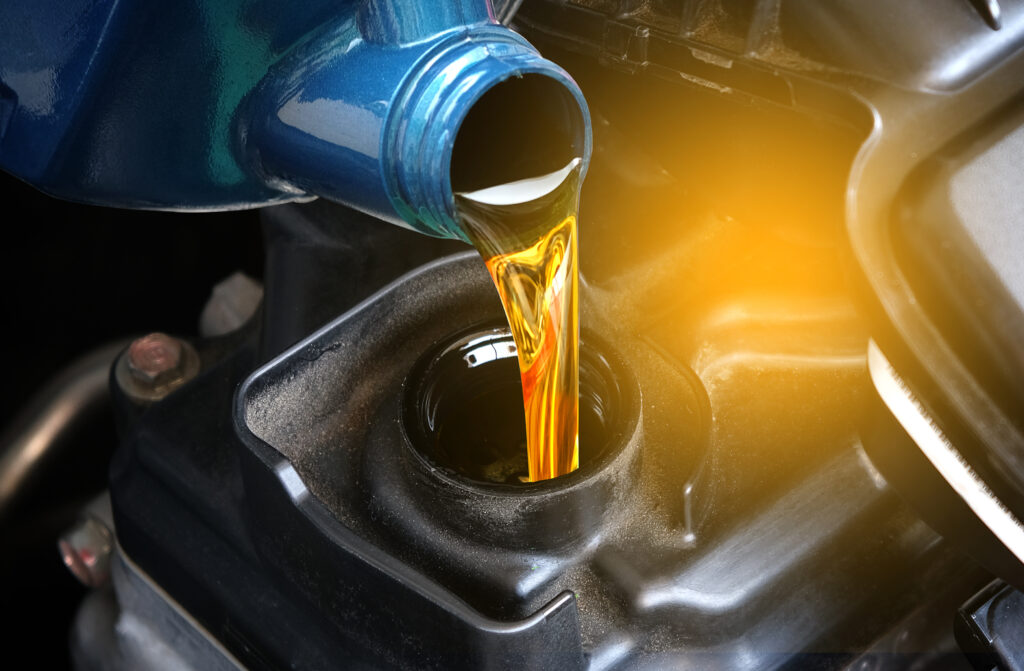
    For decades, drivers were told to change their oil every 3,000 miles. That familiar rule was easy to remember, but it is not automatically the correct schedule for every modern vehicle. Today’s engines, lubricants, driving conditions, and manufacturer recommendations vary widely. Some vehicles require service at relatively short intervals, while others can safely travel much farther between changes when operated under the right conditions.

    So, how often does your car need an oil change? The most accurate answer comes from your owner’s manual, the vehicle manufacturer’s maintenance schedule, the type of oil specified for the engine, and the way you actually drive. Mileage matters, but time, temperature, trip length, engine condition, and operating demands matter too.

    Ignoring oil service can lead to sludge, accelerated wear, reduced efficiency, overheating, and expensive engine damage. Changing oil unnecessarily, however, wastes money and resources. The goal is not to follow an outdated slogan or stretch the interval as far as possible. The goal is to use the correct oil and replace it at an interval that protects your specific engine.

    đź”§ What Engine Oil Actually Does

    Engine oil performs several essential jobs at the same time. It creates a protective film between moving parts, helps control friction, carries heat away from critical areas, suspends contaminants, and assists with cleaning deposits from internal surfaces. It also supports hydraulic components and variable valve timing systems in many modern engines.

    Oil does not remain in perfect condition forever. Heat, combustion byproducts, moisture, fuel dilution, dirt, and repeated use gradually reduce its ability to protect the engine. Additives designed to clean, control acidity, and maintain viscosity also become depleted. The oil filter captures many particles, but it has a limited capacity and cannot reverse chemical degradation.

    Regular engine oil and filter changes remove contaminated lubricant and replenish the protective additive package. This relatively simple maintenance service can make a major difference in engine reliability and longevity.

    📖 Start With the Manufacturer’s Maintenance Schedule

    Your vehicle’s manufacturer designed and tested the engine, so its maintenance schedule should be the starting point. Look in the owner’s manual, maintenance booklet, or official vehicle information for the recommended oil specification and service interval.

    Many schedules provide separate guidance for normal and severe operation. Do not assume “severe” means racing, towing every day, or driving through a desert. In automotive maintenance, severe service often includes ordinary habits such as:

    • Frequent trips of only a few miles
    • Extensive stop-and-go traffic
    • Long periods of idling
    • Regular driving in very hot, dusty, or cold conditions
    • Towing, carrying heavy loads, or climbing steep grades
    • Repeated use at low speeds
    • Commercial, delivery, rideshare, or fleet operation

    A vehicle driven mostly on steady highway trips may place different demands on its oil than one used for short errands around Corona. If your routine fits the severe-service description in your manual, the manufacturer may recommend a shorter interval.

    🔢 Is the 3,000-Mile Oil Change Rule Still Valid?

    The 3,000-mile oil change is not universally required for modern vehicles. Improvements in engine design, oil chemistry, filtration, and electronic monitoring have allowed many manufacturers to specify longer intervals. Still, that does not mean 3,000 miles is always wrong.

    An older engine, a vehicle operating under demanding conditions, or a car with a specific manufacturer schedule may need relatively frequent service. Engine problems such as fuel dilution, coolant contamination, excessive oil consumption, or sludge can also affect oil condition. The right interval should be based on documented requirements and actual vehicle use—not a blanket number applied to every car.

    Be cautious with generic advice that promises every vehicle can go a particular distance. Two cars of the same model can have different needs if one is driven on long freeway trips and the other makes repeated short journeys that never allow the engine to reach full operating temperature.

    ⏱️ Mileage Is Only Half the Story

    Oil service schedules commonly include both mileage and time, with service due when either limit is reached first. This matters for vehicles that are driven infrequently. Oil can accumulate moisture and contaminants even when the odometer barely moves, especially when the engine is started for short periods and never fully warms up.

    A low-mileage commuter, weekend vehicle, or second car should therefore not go indefinitely without service. Check the time-based requirement in the maintenance schedule. A car driven only a few thousand miles per year may still need an annual or otherwise time-based oil change, depending on the manufacturer.

    Calendar reminders and service records are useful because an oil-life display may be reset accidentally or a windshield sticker may fade. Record both the date and mileage after every service.

    đź§  How Reliable Is an Oil-Life Monitor?

    Many newer vehicles use an oil-life monitoring system. Some basic systems count mileage and time, while more advanced versions estimate oil deterioration using factors such as engine temperature, operating time, speed, load, starts, and trip patterns.

    An oil-life monitor can be a valuable guide when the correct oil is used and the system is reset properly after service. It does not physically sample the oil, however, and it cannot detect every mechanical problem. A coolant leak, abnormal oil consumption, wrong lubricant, or internal engine fault may require attention before the display reaches its normal service threshold.

    Do not ignore a low oil-pressure warning because the oil-life display shows remaining life. Oil life and oil level are different measurements. Many vehicles do not automatically warn the driver that the oil level is slightly low, so periodic manual checks remain important.

    đź§Ş Does Synthetic Oil Last Longer?

    Synthetic motor oil is engineered to perform consistently across a broad range of temperatures and often resists oxidation and breakdown better than conventional oil. Many modern engines require a full-synthetic or synthetic-blend product that meets a precise viscosity grade and industry or manufacturer standard.

    Synthetic oil may support a longer manufacturer-approved interval, but it does not create permission to ignore the maintenance schedule. The engine still produces contaminants, the filter still has a limited capacity, and operating conditions still affect oil life. A premium oil cannot correct a coolant leak, worn piston rings, or another mechanical problem.

    Choose oil by specification rather than by a vague “better” label. The viscosity printed on the cap is useful, but some manufacturers require additional approvals or performance standards. Using an incorrect oil can affect lubrication, emissions equipment, fuel economy, and variable valve timing operation.

    🚦 How Your Driving Habits Change the Interval

    Short-trip driving can be harder on oil than many motorists realize. When an engine does not remain at operating temperature long enough, moisture and fuel may not evaporate effectively. Repeated cold starts also create periods when lubrication and clearances are not yet at their ideal operating state.

    Stop-and-go traffic adds operating time without adding many miles. The engine may run for an hour while the odometer records only a modest distance. Hot weather, air-conditioning use, hills, and heavy loads can add further demand. These factors are especially relevant to Southern California drivers who regularly experience congestion and high seasonal temperatures.

    Long highway trips are generally easier on oil because the engine operates steadily at full temperature. Even then, drivers must follow the correct time and mileage limits, maintain the oil level, and account for towing or high-load use.

    ⚠️ Signs Your Vehicle May Need Attention Before Its Next Change

    An oil-change interval is a maintenance target, not a guarantee that nothing can go wrong between services. Arrange an inspection if you notice:

    • An oil-pressure or oil-level warning light
    • A burning-oil smell or visible smoke
    • Fresh oil spots beneath the vehicle
    • Unusual ticking, tapping, or knocking
    • Oil that drops repeatedly between checks
    • Engine overheating or an unexplained temperature change
    • Reduced performance accompanied by warning lights
    • Milky residue or other signs of possible fluid contamination

    If the red oil-pressure warning light illuminates while driving, safely pull over and turn off the engine as soon as possible. That warning can indicate inadequate oil pressure, and continued operation may cause severe damage. Adding oil is not always the solution; the system needs proper evaluation.

    Dark oil alone does not necessarily prove that it is overdue. Detergent oil is designed to suspend contaminants, so it may darken during normal use. A qualified technician considers the service history, mileage, time, condition, level, and manufacturer requirements rather than judging solely by color.

    📏 Check the Oil Level Between Services

    Even a vehicle with a long approved service interval can lose or consume oil between changes. Some engines use a measurable amount during normal operation, while others develop leaks at seals, gaskets, filters, drain plugs, or related components.

    Consult the owner’s manual for the correct checking procedure. In general, park on level ground, follow the recommended engine temperature and waiting period, remove and wipe the dipstick, reinsert it fully, and check again. Some vehicles use an electronic level display instead of a conventional dipstick.

    Never overfill the crankcase. Too much oil can foam, raise crankcase pressure, or interfere with engine operation. If the level is low, add only the manufacturer-specified product in small increments and investigate recurring loss.

    đź§° What a Proper Oil Change Should Include

    A professional oil change service involves more than draining old fluid. The technician should use the correct quantity and specification of oil, install the appropriate filter, inspect the drain plug and sealing washer, check for visible leaks, and reset the maintenance monitor when applicable.

    It is also an opportunity for a basic visual inspection. Tire condition, fluid leaks, belts, hoses, filters, and other accessible components may reveal developing problems. This does not replace a comprehensive vehicle inspection, but it can help identify concerns before they become emergencies.

    Keep the invoice or service record. Documentation helps you follow the correct schedule, supports warranty or resale records, and prevents confusion about which oil was used.

    ❌ Common Oil-Change Mistakes to Avoid

    Drivers can protect their engines by avoiding a few common errors:

    • Waiting for a warning light instead of following the maintenance schedule
    • Assuming every car uses the same interval
    • Choosing oil only by price or viscosity without checking required standards
    • Ignoring the time limit because annual mileage is low
    • Resetting the oil-life monitor without completing the service
    • Extending the interval simply because synthetic oil was installed
    • Forgetting to check the level between changes
    • Dismissing leaks or recurring oil consumption

    Another mistake is switching to unusually thick oil in an attempt to quiet engine noise or reduce consumption without professional guidance. Modern engines rely on precise oil flow through small passages, hydraulic tensioners, and variable valve timing components. Use the grade and specification approved for the vehicle unless a qualified repair professional recommends otherwise for a documented reason.

    🌡️ Oil Changes and Corona Driving Conditions

    Corona drivers may face heat, traffic, commuting, hills, and frequent short trips. None of these automatically creates a universal local interval, but together they can place a vehicle closer to the severe-service category described by its manufacturer.

    The most practical approach is to compare your real driving routine with the conditions listed in the manual. If you are unsure which schedule applies, a technician can review your vehicle, mileage, age, maintenance history, and operating pattern. That conversation is far more useful than relying on a generic online number.

    đź“… A Practical Oil-Change Plan

    Use this simple process to establish a dependable schedule:

    1. Find the manufacturer’s normal and severe-service intervals.
    2. Confirm the required viscosity and performance specification.
    3. Decide honestly which driving category matches your routine.
    4. Follow the oil-life monitor when the manufacturer instructs you to use it.
    5. Observe both the mileage and time limits.
    6. Check the oil level regularly and before long trips.
    7. Investigate warning lights, leaks, noises, or unusual consumption promptly.
    8. Record every service date, mileage, oil type, and filter replacement.

    This plan provides flexibility without gambling with engine health. It also helps prevent both unnecessary early service and risky overextended intervals.

    📞 Schedule an Oil Change in Corona

    There is no single mileage number that fits every engine and every driver. The right schedule reflects your manufacturer’s requirements, the oil installed, the age and condition of the vehicle, and the demands of your daily driving.

    For help reviewing your maintenance schedule or arranging an oil change in Corona, call 10 Degrees Automotive at 951.414.9423. The correct oil, filter, and interval can help keep your engine protected without relying on outdated rules. If your service reminder is on, your records are unclear, or you have noticed a leak or change in engine sound, schedule a visit before the issue grows.

  • đźš— Preventive Car Maintenance: The Key to Avoiding Expensive Repairs

    By 10 Degrees Automotive | Corona | 951.414.9423

    Preventive Car Maintenance: The Key to Avoiding Expensive Repairs

    Most major automotive problems do not appear without warning. Long before an engine overheats, a transmission struggles, or a vehicle refuses to start, there are often small signs that maintenance is overdue. The challenge is that these early warnings can be easy to overlook—especially when your car still seems to run normally.

    That is why preventive car maintenance is one of the smartest investments a vehicle owner can make. Routine inspections and timely service help uncover minor concerns before they develop into major failures. They can also improve reliability, protect performance, support fuel efficiency, and help extend the useful life of your vehicle.

    At 10 Degrees Automotive in Corona, we help drivers take a proactive approach to vehicle care. Whether you need an oil change, fluid inspection, brake service, tire check, or a more complete maintenance evaluation, call 951.414.9423 to schedule an appointment.

    đź”§ What Is Preventive Car Maintenance?

    Preventive maintenance is the routine care performed to keep a vehicle operating safely and efficiently. Instead of waiting for something to break, technicians inspect, test, replace, and service components according to the vehicle manufacturer’s recommendations and the car’s actual condition.

    A good vehicle maintenance plan may include:

    • Engine oil and filter changes
    • Fluid-level and fluid-condition checks
    • Brake inspections
    • Tire-pressure and tread checks
    • Battery and charging-system tests
    • Belt and hose inspections
    • Air-filter and cabin-filter replacement
    • Cooling-system service
    • Spark plug replacement
    • Wheel alignment and suspension checks

    The correct schedule depends on the vehicle’s year, make, model, mileage, engine, service history, and driving conditions. Your owner’s manual is the starting point, but a professional inspection can reveal whether a component needs attention sooner.

    đź’° Small Services Can Help Prevent Large Repair Bills

    It is tempting to postpone maintenance when a vehicle appears to be working correctly. However, many systems depend on inexpensive fluids, filters, seals, and wearable components. When one of those items is neglected, it may place additional stress on much more costly parts.

    For example, old or insufficient engine oil may not lubricate and cool internal components effectively. A worn belt can fail and leave the vehicle disabled. Low coolant or a cooling-system leak may lead to overheating. Brake pads that wear too far can damage rotors and other braking components.

    Routine automotive maintenance cannot prevent every unexpected repair, but it can substantially reduce avoidable damage. Finding a small leak, weak battery, worn hose, or thinning brake pad early gives you more options. You may be able to schedule the work at a convenient time instead of dealing with a breakdown, tow, and urgent repair.

    🛢️ Keep Up With Oil and Filter Changes

    Engine oil lubricates moving parts, helps manage heat, suspends contaminants, and reduces internal friction. Over time, oil becomes contaminated and its protective qualities decline. The filter also collects debris and eventually becomes less effective.

    Following the recommended oil change interval is fundamental to engine care. The proper interval varies by vehicle and oil specification, so avoid relying on a universal mileage rule. Short trips, frequent idling, stop-and-go traffic, heavy loads, towing, and high temperatures may also affect the appropriate service schedule.

    During an oil service, it is also useful to look for leaks, unusual oil consumption, and changes in oil condition. Addressing these concerns early may help protect the engine from accelerated wear. If you are unsure when your vehicle is due, contact 10 Degrees Automotive at 951.414.9423.

    🌡️ Protect the Cooling System From Overheating

    Corona drivers know how demanding hot weather can be on a vehicle. The cooling system must regulate engine temperature even during summer heat, traffic, and extended driving. Coolant, the radiator, water pump, thermostat, hoses, reservoir, and cooling fans all play important roles.

    A small coolant leak can gradually lower the system level until the engine begins running too hot. A weak hose may burst, and contaminated or deteriorated coolant may not provide the protection the system needs.

    Warning signs of a possible cooling system problem include:

    • A rising temperature gauge
    • Coolant beneath the vehicle
    • A sweet odor near the engine
    • Steam from under the hood
    • Frequent need to add coolant
    • A dashboard temperature warning

    Never continue driving an overheating vehicle if it can be stopped safely. Severe overheating can cause extensive engine damage. A preventive cooling-system inspection can identify leaks and deteriorated components before the vehicle reaches that point.

    🛑 Do Not Wait for Brake Problems to Become Emergencies

    Brake components wear gradually, which means a driver can become accustomed to changes in braking feel. Routine brake inspections help measure wear and identify problems before stopping performance is compromised or related components are damaged.

    Possible warning signs include squealing, grinding, vibration, pulling, a soft brake pedal, longer stopping distances, or an illuminated brake warning light. Some noises can have several causes, so an inspection is the safest way to determine what is happening.

    Replacing worn brake pads at the appropriate time can help protect the rotors. Checking brake fluid and inspecting hydraulic components may also reveal contamination or leaks. Because brakes are essential to vehicle safety, unusual symptoms deserve prompt professional attention.

    🔋 Test the Battery Before It Leaves You Stranded

    Automotive batteries have a limited service life, and heat can accelerate internal deterioration. A battery may continue starting the vehicle until its remaining capacity becomes too low—sometimes with little notice.

    A car battery test can evaluate battery condition and help determine whether the charging system is operating properly. Slow cranking, dim lights, electrical irregularities, corrosion, or repeated jump-starts are reasons to schedule an inspection. The issue may involve the battery, alternator, starter, cables, or another electrical component.

    Testing these systems proactively is usually far more convenient than discovering a no-start condition before work, school, or an important appointment.

    🛞 Tires Affect Safety, Comfort, and Efficiency

    Your tires are the vehicle’s connection to the road. Proper inflation, adequate tread, rotation, balancing, and wheel alignment all influence handling and tire life.

    Underinflated tires may run hotter and wear unevenly. Overinflation can reduce the contact patch and contribute to irregular wear. Misalignment may cause pulling, an off-center steering wheel, or rapid wear along one edge of a tire.

    Check tire pressure when the tires are cold and follow the specification on the vehicle’s tire-information label—not the maximum pressure molded into the tire sidewall. Periodic tire maintenance can help improve predictable handling and identify damage before it becomes a roadside problem.

    đź’§ Fluids Are the Lifeblood of Your Vehicle

    Modern vehicles rely on several fluids to lubricate, cool, clean, transmit pressure, and protect components. Depending on the vehicle, these may include engine oil, coolant, brake fluid, transmission fluid, power-steering fluid, differential fluid, transfer-case fluid, and windshield-washer fluid.

    Fluid level is only part of the story. Condition, contamination, odor, and the presence of leaks also matter. A fluid that looks acceptable to an untrained eye may still be overdue based on time, mileage, or manufacturer requirements.

    Routine fluid inspections allow technicians to look for seepage, damaged seals, worn hoses, and changes that may point to a developing problem. Always use fluids that meet the specifications for your particular vehicle.

    🚨 Pay Attention to Dashboard Warning Lights

    Warning lights are part of the vehicle’s early-alert system. A check-engine light, battery light, oil-pressure warning, brake warning, temperature warning, or tire-pressure light should not be ignored.

    Some lights indicate a maintenance reminder, while others signal a problem that could become serious. A flashing check-engine light, oil-pressure warning, or overheating warning may require immediate action. Continuing to drive without understanding the warning could increase damage or create a safety risk.

    Professional vehicle diagnostics can retrieve fault information and guide further testing. A trouble code identifies the system where a fault was detected; it does not always identify the failed part by itself. Proper diagnosis helps avoid replacing components based on guesswork.

    đź“… Build a Maintenance Schedule That Fits Your Vehicle

    The best maintenance plan is specific, consistent, and documented. Begin with the manufacturer’s schedule, then account for how you actually use the vehicle. Severe-service conditions may include repeated short trips, extensive idling, dusty environments, frequent stop-and-go driving, towing, or operating in extreme heat.

    Keep records of services, inspection results, mileage, and recommended follow-up work. These records make it easier to plan expenses, prevent duplicate work, and demonstrate that the vehicle has been cared for if you decide to sell it.

    A practical schedule should cover:

    1. Items due by mileage or time
    2. Wear items that require periodic inspection
    3. Repairs that should be handled soon
    4. Longer-term services you can budget for

    If your vehicle’s history is incomplete, a comprehensive inspection can establish a baseline. From there, you can prioritize safety and reliability without trying to perform every possible service at once.

    âś… The Benefits Go Beyond Avoiding Repairs

    Preventive maintenance is often discussed as a way to save money, but the benefits are broader. A well-maintained vehicle may deliver more dependable starting, smoother operation, consistent braking, more predictable handling, and better comfort. It can also reduce the likelihood of missing work or disrupting family plans because of an avoidable breakdown.

    Maintenance provides information, too. Knowing the present condition of your brakes, tires, fluids, battery, and belts helps you make informed decisions. Instead of being surprised by several problems at once, you can plan and prioritize repairs based on safety, urgency, and budget.

    📞 Schedule Preventive Car Maintenance in Corona

    Waiting for a dashboard warning, unusual noise, fluid leak, or breakdown can turn a manageable service into a much larger repair. A proactive inspection helps you understand what your vehicle needs now, what can wait, and what should be monitored.

    Trust 10 Degrees Automotive in Corona for attentive, professional preventive car maintenance. Our team can evaluate your vehicle, explain any findings, and help you develop a service plan based on its condition and manufacturer recommendations.

    Call 951.414.9423 today to schedule your next maintenance appointment. Whether your vehicle is due for routine service or you simply want greater confidence before your next trip, 10 Degrees Automotive is ready to help keep you moving.

  • 🛢️ What Happens When You Wait Too Long for an Oil Change?

    By 10 Degrees Automotive | Corona | 951.414.9423

    What Happens When You Wait Too Long for an Oil Change?

    An oil change is one of the most familiar vehicle maintenance services, but it is also one of the easiest to postpone. Your car may continue starting and driving normally after the recommended interval, which can create the impression that delaying service is harmless.

    Inside the engine, however, the oil is continuously exposed to heat, pressure, combustion byproducts, moisture, and contaminants. As it ages, it can become less effective at lubricating moving components, controlling deposits, and carrying heat away from critical areas.

    Waiting too long for an oil change may contribute to reduced performance, accelerated wear, sludge formation, overheating, and expensive engine damage. The longer the service is delayed, the greater the potential risk.

    If your vehicle is due or overdue for an oil change in Corona, call 10 Degrees Automotive at 951.414.9423 to schedule your service.

    ⚙️ What Does Engine Oil Do?

    An engine contains many metal components moving at high speeds and under significant pressure. Engine oil creates a protective film between those surfaces to reduce friction and wear.

    Oil performs several important jobs:

    • Lubricating internal engine components
    • Carrying heat away from moving parts
    • Suspending dirt and contaminants
    • Helping control sludge and deposits
    • Protecting against corrosion
    • Supporting hydraulic components
    • Helping piston rings seal properly
    • Cleaning internal surfaces as it circulates

    Modern engines may also rely on oil pressure to operate variable valve timing systems, timing-chain tensioners, turbochargers, and other precision components.

    When the oil level is low or the oil has deteriorated, these systems may not receive the protection or pressure they require.

    🔥 Heat Gradually Breaks Down Engine Oil

    Engine oil operates in an extremely hot environment. Each trip subjects it to heating and cooling cycles that gradually alter its properties.

    High temperatures can accelerate oxidation, which causes oil to thicken and form deposits. Short trips can create a different problem by preventing the engine from remaining hot long enough to evaporate accumulated moisture and fuel contamination.

    Over time, the oil may become:

    • Oxidized
    • Contaminated
    • Thickened
    • Diluted with fuel
    • Loaded with combustion byproducts
    • Less effective at controlling deposits
    • Less able to protect under extreme conditions

    High-quality modern oils are engineered to resist breakdown, but no engine oil lasts forever. It must eventually be drained and replaced.

    đź§Ş Contaminants Accumulate in Old Oil

    Combustion produces soot, acids, moisture, and other byproducts. Small amounts can enter the crankcase and mix with the oil.

    The engine may also generate microscopic particles through normal wear. The oil filter captures many contaminants, but it has a limited capacity.

    As mileage and time accumulate, the oil carries an increasing amount of material. If the oil and filter remain in service too long, contaminants may circulate through sensitive engine passages and moving components.

    Regular engine oil and filter changes remove much of this material and replace the oil’s depleted additives.

    đź§± Sludge and Deposits May Form

    When neglected oil combines with heat, moisture, fuel, and contaminants, it can form thick deposits commonly called engine sludge.

    Sludge may collect in:

    • Oil passages
    • The oil pan
    • The valve cover area
    • Timing components
    • Oil-control valves
    • Turbocharger oil lines
    • Oil-pump pickup screens

    Restricted oil passages can prevent lubrication from reaching critical components. Sludge can also interfere with variable valve timing systems and other mechanisms that depend on clean oil and precise pressure.

    Removing severe sludge is not always simple. In some cases, accumulated deposits may already have caused internal wear or damaged components.

    Following the appropriate oil change schedule is far less costly than repairing a sludge-damaged engine.

    🔩 Internal Engine Wear Can Accelerate

    Fresh oil separates moving metal surfaces with a protective lubricating film. As oil becomes degraded, contaminated, or too low, that protection may weaken.

    Increased friction can accelerate wear on:

    • Camshafts
    • Crankshaft bearings
    • Connecting-rod bearings
    • Timing chains
    • Pistons and cylinder walls
    • Valve-train components
    • Turbocharger bearings
    • Oil pumps

    This damage may develop gradually without an obvious symptom. By the time knocking, ticking, or low oil pressure appears, significant wear may already have occurred.

    An oil change cannot reverse mechanical damage. Its purpose is to help prevent avoidable wear before it happens.

    🌡️ Your Engine May Run Hotter

    The cooling system controls most engine temperature, but the oil also helps carry heat away from internal parts.

    Old, thickened, contaminated, or insufficient oil may not circulate and transfer heat as effectively. Increased friction can create additional heat at the same time.

    Excessive internal temperature may accelerate oil breakdown and create a damaging cycle:

    1. Oil deteriorates.
    2. Friction and heat increase.
    3. Higher temperatures break down the oil faster.
    4. Lubrication becomes less effective.
    5. Component wear increases.

    An overheating warning should never be dismissed as simply an oil-change reminder. Cooling-system problems, low oil pressure, and other serious conditions require immediate attention.

    â›˝ Fuel Economy and Performance May Suffer

    An overdue oil change will not always create an obvious performance problem, but increased friction, deposits, incorrect oil viscosity, or oil-controlled system faults can make the engine work harder.

    Possible symptoms include:

    • Reduced fuel economy
    • Sluggish acceleration
    • Rough operation
    • Engine ticking
    • Variable valve timing faults
    • Check engine warnings
    • Reduced power
    • Difficult starting

    Many conditions can cause these symptoms, so professional diagnosis is necessary. Replacing the oil may help when maintenance is overdue, but it will not repair a worn component or resolve every engine problem.

    đź”— Timing Components May Be Affected

    Many modern engines use timing chains that depend on engine oil for lubrication. Hydraulic tensioners and variable valve timing components may also rely on clean oil and proper pressure.

    Neglected oil can contribute to:

    • Timing-chain wear
    • Tensioner problems
    • Rattling during startup
    • Camshaft timing faults
    • Check engine lights
    • Poor engine performance
    • Major internal damage if timing is lost

    Timing-system repairs can be extensive. Using the correct oil and changing it on schedule can help these components operate as designed.

    🌀 Turbocharged Engines Need Proper Oil Care

    Turbochargers operate at extremely high speeds and temperatures. Many are lubricated and cooled by engine oil.

    Old, contaminated, low, or incorrect oil can increase the risk of:

    • Turbocharger bearing wear
    • Restricted oil passages
    • Oil coking
    • Excessive shaft movement
    • Smoke from the exhaust
    • Reduced boost
    • Turbocharger failure

    Turbocharged vehicles may have specific oil-quality, viscosity, and service requirements. Following the manufacturer’s specifications is especially important.

    Never assume that every synthetic oil is appropriate for every turbocharged engine. The required performance standard matters as much as the viscosity grade.

    📉 Low Oil Level Can Make the Problem Worse

    Engines may lose oil through leaks or consume it during operation. If the oil level is never checked between services, it can fall dangerously low before the next oil change.

    A low oil level means the remaining oil must work harder. It may run hotter, become contaminated more quickly, and struggle to maintain proper pressure during turning, braking, or acceleration.

    Common signs of an oil leak or consumption problem include:

    • Oil spots under the vehicle
    • A burning-oil smell
    • Blue exhaust smoke
    • Frequent need to add oil
    • Oil residue around the engine
    • A low-oil warning
    • Engine noise

    Check the oil according to the instructions in your owner’s manual. If the level repeatedly falls, schedule an inspection to determine why.

    Adding oil may restore the level, but it does not replace an overdue oil change or repair a leak.

    🚨 Oil-Change Reminder vs. Oil-Pressure Warning

    Drivers should understand the difference between a maintenance reminder and an oil-pressure warning.

    Oil-change or maintenance reminder

    This message generally indicates that scheduled service is due based on mileage, time, or the vehicle’s oil-life monitoring system. Schedule the service soon.

    Oil-pressure warning

    This warning commonly resembles an oil can and may indicate that the engine is not receiving adequate oil pressure. It can represent an immediate threat to the engine.

    If the oil-pressure warning light appears while driving:

    • Pull over as soon as it is safe
    • Turn off the engine
    • Do not continue driving
    • Arrange professional assistance

    Even if the oil level is correct, a failing pump, blocked passage, sensor fault, or internal problem may be responsible.

    đź“… How Often Should You Change Your Oil?

    There is no single oil-change interval that is correct for every vehicle.

    The appropriate interval depends on:

    • Manufacturer recommendations
    • Engine design
    • Oil specification
    • Conventional or synthetic formulation
    • Mileage
    • Time
    • Driving conditions
    • Towing or heavy loads
    • Frequent short trips
    • Extended idling
    • Dust and extreme temperatures

    Some modern vehicles use oil-life monitoring systems that estimate service needs based on operating conditions. Others use fixed mileage and time intervals.

    Consult the owner’s manual for the correct schedule. Follow both the mileage and time requirements because oil can deteriorate even when the vehicle is driven infrequently.

    🛠️ Can You Fix Neglect With One Oil Change?

    If an oil change is only moderately overdue and the engine has not been damaged, replacing the oil and filter may restore the maintenance schedule.

    Severe neglect is more complicated.

    A single oil change cannot reverse:

    • Bearing wear
    • Damaged timing components
    • Scored cylinder walls
    • A failed turbocharger
    • Low compression
    • Oil-pump damage
    • Heavy sludge accumulation

    Aggressive chemical flushing may also create risks in a heavily sludged engine by loosening deposits that can block oil passages. Any cleaning approach should be based on the engine’s condition and a professional evaluation.

    The safest strategy is consistent maintenance from the beginning.

    đź’° Delayed Oil Changes Can Become Expensive Repairs

    Oil and filter service is a predictable maintenance expense. Internal engine repair is not.

    Waiting too long may lead to repairs involving:

    • Variable valve timing components
    • Timing chains and tensioners
    • Camshafts
    • Turbochargers
    • Oil pumps
    • Engine bearings
    • Cylinder heads
    • Complete engine replacement

    The exact outcome depends on the engine and severity of neglect, but the financial lesson is consistent: preventive oil changes cost far less than engine repair.

    Routine service also allows technicians to identify fluid leaks, damaged belts, worn hoses, low tire pressure, and other concerns before they become emergencies.

    âś… Signs Your Oil Change May Be Overdue

    Your vehicle may need immediate attention if you notice:

    • An oil-change reminder
    • A low oil level
    • Dark or contaminated oil
    • Engine ticking or rattling
    • A burning-oil smell
    • Reduced performance
    • Oil spots beneath the vehicle
    • A check engine light
    • An unknown maintenance history
    • Mileage or time beyond the recommended interval

    Oil color alone is not a reliable measure of remaining life. Some oils darken quickly while continuing to provide protection. Use the manufacturer’s interval, oil-life monitor, maintenance records, and professional inspection to guide service.

    đź”§ Schedule an Oil Change in Corona

    Waiting too long for an oil change can allow heat, friction, sludge, and contaminants to damage critical engine components. The vehicle may appear to operate normally while harmful wear develops internally.

    Regular oil and filter changes help protect the engine, support proper temperature control, preserve timing and turbocharger components, and reduce the risk of expensive repairs.

    If your vehicle is due for service or you do not know when the oil was last changed, contact 10 Degrees Automotive in Corona.

    Call 951.414.9423 today to schedule your oil change and maintenance inspection. Let 10 Degrees Automotive help protect your engine before neglected oil becomes a costly problem.