By 10 Degrees Automotive | Corona and Surrounding Areas | 951.414.9423

When your vehicle starts experiencing serious engine trouble, one of the biggest questions you’ll face is whether to repair the existing engine or replace it entirely. It’s a decision that can significantly impact your wallet, your vehicle’s reliability, and its long-term performance. At 10 Degrees Automotive, we help drivers throughout Corona and surrounding areas make informed decisions about engine repair and engine replacement. If you’re dealing with unusual engine noises, excessive oil consumption, overheating, or a complete engine failure, call 951.414.9423 to schedule a professional evaluation and determine the best path forward.
🚗 Understanding the Difference Between Engine Repair and Engine Replacement
Before deciding which option is right for your vehicle, it’s important to understand what each service involves.
Engine repair focuses on identifying and fixing specific problems within your existing engine. Depending on the issue, repairs might involve replacing worn components, fixing leaks, repairing the cylinder head, or addressing damaged internal parts.
Engine replacement, on the other hand, involves removing the existing engine and installing another engine. Replacement options may include a new, remanufactured, rebuilt, or used engine, depending on availability, compatibility, and budget.
Both approaches have advantages, but the right decision depends on the severity of the damage, your vehicle’s condition, and the overall cost.
⚠️ Common Signs Your Engine Needs Professional Attention
Recognizing engine problems early can sometimes prevent a relatively minor issue from turning into a major mechanical failure.
🔊 Knocking, Tapping, or Grinding Noises
Unusual sounds coming from your engine may indicate worn bearings, lubrication problems, or damaged internal components.
A persistent knocking noise can be especially concerning because it may signal significant internal wear.
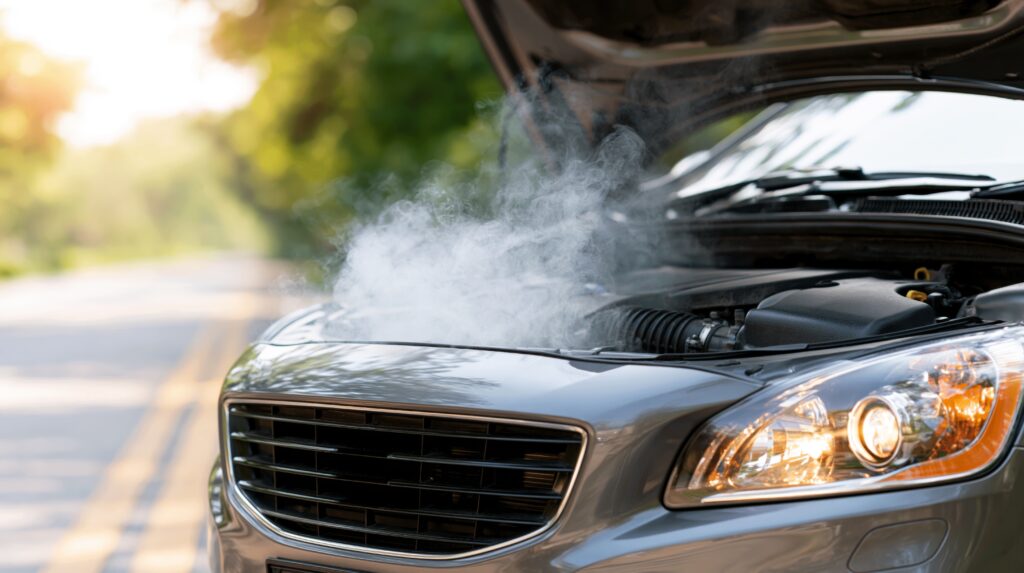
🌡️ Frequent Engine Overheating
An overheating engine can suffer serious damage if the problem isn’t addressed promptly.
Possible causes include:
- Coolant leaks
- Malfunctioning thermostats
- Failed water pumps
- Radiator problems
- Cooling fan failures
- Damaged head gaskets
If your temperature gauge rises into the danger zone, safely stop driving and have the vehicle inspected.
💨 Excessive Exhaust Smoke
Different exhaust smoke colors can provide clues about potential problems.
Blue smoke may indicate that the engine is burning oil.
White smoke that persists after warm-up may indicate coolant entering the combustion chambers.
Black smoke often points toward an overly rich fuel mixture or another combustion-related problem.
These symptoms require proper diagnosis before deciding whether an engine needs major repairs.
🛢️ Excessive Oil Consumption
If you’re constantly adding engine oil between scheduled maintenance intervals, your vehicle may have worn piston rings, valve seals, or other internal problems.
Oil leaks can also cause significant oil loss, so determining where the oil is going is essential.
🚨 Check Engine Light and Reduced Performance
A check engine light combined with rough idling, misfires, reduced power, or poor fuel economy can indicate an engine-related issue.
However, not every check engine light means you need major engine repair. Problems involving sensors, ignition components, or the fuel system can produce similar symptoms.
A thorough diagnostic inspection helps avoid unnecessary repairs.
🔩 When Is Engine Repair the Better Option?
In many situations, repairing your existing engine is the most practical and economical choice.
1. The Damage Is Limited to Specific Components
When a problem affects only one or a few components, replacing those parts may restore reliable operation without requiring an entire engine replacement.
Examples include:
- Valve cover gasket leaks
- Timing chain or belt problems
- Certain cylinder head issues
- Water pump failures
- Ignition system problems
- Minor oil leaks
Some of these repairs can be extensive, but they may still cost substantially less than replacing the engine.
2. The Engine Is Otherwise in Good Condition
An engine with healthy compression, proper oil pressure, and minimal internal wear may be a strong candidate for repair.
This is especially true when the vehicle has been maintained regularly and the current problem is isolated.
3. The Repair Cost Is Reasonable
If the estimated repair cost is significantly lower than the price of replacement, repairing the engine may provide better value.
However, the lowest initial cost isn’t always the best long-term choice. Consider whether additional problems are likely to develop soon.
4. You Want to Preserve the Original Engine
Keeping the original engine can be desirable, especially for certain classic, collectible, or specialty vehicles.
For everyday drivers, retaining a known, well-maintained engine can also offer peace of mind.
🔄 When Does Engine Replacement Make More Sense?
Sometimes, the extent of engine damage makes replacement the more practical solution.
1. Severe Internal Engine Damage
A failed connecting rod, severely damaged crankshaft, cracked engine block, or extensive internal damage can make repairs expensive and complicated.
When several major internal components are damaged, engine replacement may be more economical than rebuilding the existing engine.
2. Repeated Major Engine Problems
If your vehicle has experienced multiple significant engine failures, continuing to invest in repairs may not be the best financial decision.
A replacement engine could provide a more comprehensive solution, provided the rest of the vehicle is in good condition.
3. Repair Costs Approach Replacement Costs
Suppose an extensive engine repair estimate is $5,000 while a suitable replacement engine installation is estimated at $6,500.
Although the repair is initially less expensive, replacement may offer better long-term value depending on the engine’s condition, replacement quality, and warranty coverage.
These figures are hypothetical examples, not actual service estimates.
4. The Engine Has Extensive Wear
High mileage alone doesn’t mean an engine must be replaced. Many well-maintained engines operate reliably for hundreds of thousands of miles.
However, severe cylinder wear, low compression across multiple cylinders, and significant oil consumption can make replacement worth considering.
💰 Comparing Engine Repair and Engine Replacement Costs
Cost is often the deciding factor for vehicle owners in Corona and surrounding areas.
Here’s how the two options generally compare.
| Factor | Engine Repair | Engine Replacement |
|---|---|---|
| Initial cost | Often lower for isolated problems | Generally higher |
| Labor involved | Depends on repair complexity | Extensive removal and installation |
| Downtime | Minor repairs may be quicker | Depends on engine availability |
| Reliability | Depends on overall engine condition | Depends on replacement engine quality |
| Warranty | Varies by repair and parts | Varies by engine supplier and installer |
| Long-term value | Strong for healthy engines | Can be better for severely damaged engines |
A professional estimate should consider more than the engine itself.
Additional expenses may include fluids, gaskets, hoses, mounts, cooling system repairs, and other components needed to complete the job properly.
The goal isn’t simply to choose the cheapest option. It’s to choose the repair strategy that provides the best combination of safety, reliability, and value.
🧰 What Types of Replacement Engines Are Available?
If engine replacement is recommended, you’ll generally have several options.
🆕 New Engine
A new engine uses new components and may offer excellent longevity, but it can be expensive and may not be available for every vehicle.
♻️ Remanufactured Engine
A remanufactured engine is restored through a controlled process that typically includes inspection, machining, and replacement of worn components to meet specified standards.
It may offer a strong balance of reliability and cost, depending on the supplier.
🔧 Rebuilt Engine
A rebuilt engine is disassembled and repaired using new or reconditioned components as needed.
Quality can vary depending on the rebuilding process, workmanship, and parts used.
🚙 Used Engine
A used engine is removed from another vehicle and installed as a replacement.
Although this option can be less expensive initially, its remaining lifespan and maintenance history may be uncertain.
Before selecting a replacement engine, ask about mileage, compatibility, testing, warranty terms, and installation requirements.
📊 Should You Replace the Engine or Buy Another Vehicle?
There’s another important question to consider: Is your current vehicle worth keeping?
Replacing an engine can be a smart investment when the rest of the vehicle is mechanically sound.
However, an expensive engine replacement may be harder to justify when the vehicle also needs major transmission work, suspension repairs, or other costly services.
Consider these factors:
- Vehicle value: What is your car worth in its current condition and after repairs?
- Overall condition: Are the transmission, brakes, suspension, and electrical systems reliable?
- Maintenance history: Has the vehicle received consistent preventative maintenance?
- Ownership plans: Do you intend to keep the vehicle for several more years?
- Replacement vehicle cost: How much would it cost to purchase another dependable vehicle?
For some drivers, installing a replacement engine is considerably more affordable than purchasing another vehicle.
For others, putting that money toward a newer vehicle may make better financial sense.
🔍 Why Accurate Engine Diagnostics Matter
One of the most important steps in deciding between engine repair and engine replacement is identifying the actual cause of the problem.
A vehicle that runs poorly or won’t start doesn’t necessarily have a failed engine.
Fuel delivery problems, ignition failures, sensor malfunctions, electrical issues, and cooling system problems can mimic serious engine damage.
Depending on the symptoms, a professional diagnostic process may include:
- Retrieving diagnostic trouble codes.
- Performing a visual inspection for leaks and damage.
- Checking engine compression.
- Conducting a cylinder leak-down test.
- Evaluating oil pressure and lubrication.
- Inspecting the cooling system.
- Assessing internal engine condition when necessary.
These tests help determine whether the engine can be repaired economically or whether replacement is the better solution.
A proper diagnosis can prevent unnecessary engine replacement and potentially save thousands of dollars.
🛡️ How Preventative Maintenance Can Extend Engine Life
Whether you choose repair or replacement, proper maintenance is essential for protecting your investment.
🛢️ Follow Recommended Oil Change Intervals
Clean engine oil lubricates internal components, reduces friction, and helps control heat.
Use the oil grade and maintenance intervals recommended by your vehicle manufacturer.
🌡️ Maintain the Cooling System
Regular cooling system inspections can help prevent overheating and related engine damage.
Address coolant leaks, worn hoses, and temperature-related warning signs promptly.
🔧 Address Small Problems Early
A minor oil leak or cooling system issue can eventually contribute to significant engine damage.
Early repairs are often much less expensive than major engine work.
🚗 Avoid Driving With Serious Warning Signs
Continuing to drive with low oil pressure, severe overheating, or loud engine knocking can turn a repairable problem into a catastrophic failure.
If your vehicle displays these symptoms, stop driving when safe and arrange for professional assistance.
📍 Engine Repair and Replacement for Corona and Surrounding Communities
Drivers throughout Corona, Norco, Eastvale, Riverside, and surrounding areas rely on their vehicles for commuting, family transportation, and everyday responsibilities.
Engine trouble can interrupt those routines and create unexpected expenses.
Whether you drive a sedan, SUV, pickup truck, or another passenger vehicle, understanding the available repair options helps you make confident decisions.
A knowledgeable automotive technician can evaluate the symptoms, explain the extent of the damage, and compare realistic repair and replacement options.
The best solution should reflect your vehicle’s condition, your budget, and how long you plan to keep driving it.
❓ Frequently Asked Questions About Engine Repair and Replacement
Is it cheaper to repair an engine or replace it?
Repairing an engine is usually less expensive when the problem is limited to a few components. Severe internal damage, however, can make replacement more cost-effective.
How long does an engine replacement take?
The timeline depends on the vehicle, engine availability, installation complexity, and whether additional repairs are necessary. A repair shop can provide a more accurate estimate after evaluating the vehicle.
Can an engine be repaired after overheating?
Sometimes. Minor overheating may cause little or no permanent damage, while severe overheating can damage head gaskets, cylinder heads, pistons, or the engine block. Testing is necessary to determine the extent of the damage.
Is a remanufactured engine as good as a new engine?
A high-quality remanufactured engine can provide reliable service, but performance and longevity depend on the remanufacturing standards, installation quality, maintenance, and warranty terms.
Does replacing an engine reset the vehicle’s mileage?
No. The vehicle’s odometer continues to reflect the vehicle’s total mileage, even after an engine replacement.
Can I keep driving with a knocking engine?
Driving with significant engine knocking can cause additional internal damage. Have the vehicle evaluated promptly, and avoid operating it if the noise is severe or accompanied by low oil pressure or overheating.
📞 Make the Right Decision for Your Vehicle’s Engine
Choosing between engine repair and engine replacement doesn’t have to be overwhelming. The right decision starts with accurate diagnostics, a clear understanding of repair costs, and an honest assessment of your vehicle’s overall condition. Whether your engine needs a targeted repair or a complete replacement, 10 Degrees Automotive is ready to help drivers throughout Corona and surrounding areas explore their options. Call 951.414.9423 today to schedule an engine evaluation and take the next step toward restoring your vehicle’s performance, reliability, and dependability.