
Tag: dead car battery

  • ⚡ Common Automotive Electrical Problems Explained

    By 10 Degrees Automotive | Corona and Surrounding Areas | 951.414.9423
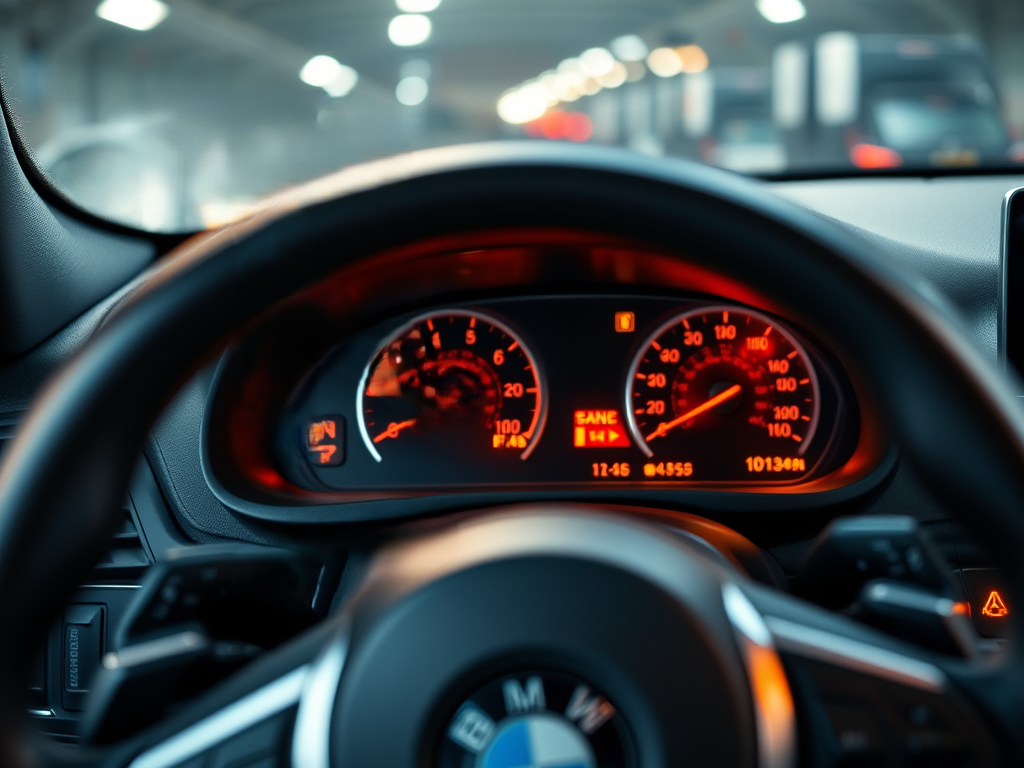
    Common Automotive Electrical Problems Explained

    Modern vehicles depend on sophisticated electrical systems to start, operate safely, and power everything from headlights and climate controls to advanced safety features and onboard computers. When something goes wrong, the symptoms can range from a dead battery or flickering dashboard lights to intermittent starting problems and unexpected engine performance issues. At 10 Degrees Automotive, we help drivers throughout Corona and surrounding areas understand and resolve automotive electrical problems through accurate diagnostics and dependable repairs. Whether you’re experiencing a car electrical system malfunction, a recurring dead battery, or unusual dashboard warnings, call 951.414.9423 to schedule professional automotive electrical diagnostics and identify the source of the problem.

    🔌 Understanding Your Vehicle’s Electrical System

    Your vehicle’s electrical system is a network of components that generate, store, distribute, and control electrical power.

    In most conventional gasoline-powered vehicles, the battery provides the energy needed to start the engine, while the alternator generates electricity once the engine is running.

    Wiring, fuses, relays, sensors, and electronic control modules distribute and regulate that electricity throughout the vehicle.

    Important electrical components include:

    • Battery: Stores electrical energy and supplies starting power.
    • Alternator: Generates electricity and maintains battery charge while the engine runs.
    • Starter motor: Cranks the engine during startup.
    • Fuses and relays: Protect and control electrical circuits.
    • Wiring harnesses: Carry electrical power and signals.
    • Sensors: Monitor operating conditions and send information to vehicle computers.
    • Electronic control modules: Manage engine operation, safety systems, and other functions.
    • Ground connections: Complete electrical circuits and provide return paths for current.

    When any of these components fails, the effects may extend beyond a single accessory.

    That’s why identifying the actual cause of an electrical problem is essential before replacing parts.

    🔋 1. Dead or Weak Car Battery

    A dead car battery is one of the most common automotive electrical problems.

    Your battery provides the electrical energy required to start most conventional vehicles and supports electrical systems when the engine is off.

    Over time, batteries lose capacity because of age, temperature exposure, vibration, and repeated discharge cycles.

    Signs of a Weak or Failing Battery

    • Slow engine cranking
    • Clicking when turning the ignition key
    • Dashboard lights dimming during startup
    • Frequent need for jump-starts
    • Electrical accessories operating poorly with the engine off
    • Difficulty starting after the vehicle sits overnight

    A discharged battery doesn’t always mean the battery itself is defective.

    The problem could involve a failing alternator, an electrical drain, or poor battery connections.

    How Is a Battery Problem Diagnosed?

    A professional car battery test evaluates battery condition and its ability to deliver electrical power.

    The technician may also inspect battery terminals, check the charging system, and investigate abnormal electrical drains.

    Replacing the battery without identifying the cause of repeated discharge may only provide a temporary solution.

    ⚙️ 2. Failing Alternator or Charging System Problems

    The alternator supplies electrical power while the engine operates and helps maintain the battery’s charge.

    If the alternator begins to fail, the vehicle may rely increasingly on stored battery energy.

    Eventually, the battery can become too discharged to support essential electrical systems.

    Common Signs of Alternator Problems

    • Battery warning light illuminating
    • Headlights dimming or flickering
    • Electrical accessories behaving unpredictably
    • Repeated battery discharge
    • Unusual whining or grinding noises
    • Engine stalling because of insufficient electrical power

    Charging problems may also originate from a slipping drive belt, damaged wiring, poor grounds, or voltage regulation faults.

    A complete charging system inspection helps determine whether the alternator needs replacement or another component is responsible.

    🚗 3. Starter Motor Problems

    The starter motor uses electrical energy from the battery to turn the engine during startup.

    When the starter or its control circuit malfunctions, the engine may fail to crank.

    Symptoms of a Bad Starter

    • A single click when attempting to start
    • Intermittent no-crank conditions
    • No response when turning the key or pressing the start button
    • Grinding noises during startup
    • An engine that won’t crank despite adequate battery power

    However, similar symptoms can result from a weak battery, damaged cables, faulty relays, ignition switch problems, or starting authorization issues.

    Why Proper Starter Testing Matters

    Replacing the starter won’t solve a problem caused by poor electrical connections or insufficient battery voltage.

    A technician can test the starting circuit, evaluate voltage drop, and determine whether the starter motor is receiving the correct electrical supply and commands.

    Accurate starting system diagnostics can prevent unnecessary repairs and reduce the risk of future no-start problems.

    💡 4. Flickering or Dimming Headlights

    Headlights depend on stable electrical power and properly functioning lighting circuits.

    If your headlights flicker while driving, the cause may involve the charging system, wiring, electrical grounds, or lighting components.

    Possible Causes of Dimming Headlights

    • Failing alternator
    • Weak battery
    • Loose electrical connections
    • Corroded grounding points
    • Damaged headlight wiring
    • Faulty lighting control modules
    • Worn bulbs or deteriorating headlight components

    You may notice headlights changing brightness when the engine idles or when accessories such as the air conditioner and rear defroster operate.

    While some vehicles may experience slight brightness changes as electrical loads fluctuate, significant or persistent dimming deserves attention.

    A professional automotive electrical inspection can identify whether the problem originates in the headlights or the vehicle’s power supply.

    🔥 5. Blown Fuses and Faulty Relays

    Fuses and relays play important roles in protecting and controlling automotive electrical circuits.

    A fuse is designed to interrupt electrical current when a circuit experiences excessive current.

    Relays allow lower-power control circuits to operate higher-current electrical components.

    Signs of Fuse or Relay Problems

    • Power windows stop working.
    • Interior lights fail.
    • A blower motor doesn’t operate.
    • Certain electrical accessories lose power.
    • A fuel pump or another controlled component doesn’t activate.
    • An electrical feature works intermittently.

    Why Does a Fuse Keep Blowing?

    A repeatedly blown fuse may indicate a short circuit, overloaded circuit, damaged wiring, or malfunctioning component.

    Simply replacing the fuse without addressing the cause can result in repeated failures.

    Never install a higher-amperage fuse than the vehicle manufacturer specifies. Doing so can allow excessive current to damage wiring and potentially create a fire hazard.

    Professional testing helps locate the underlying fault and restore proper circuit protection.

    🔌 6. Damaged Wiring and Poor Electrical Connections

    Modern vehicles contain extensive wiring harnesses connecting electronic systems throughout the vehicle.

    These wires and connectors are exposed to vibration, temperature changes, moisture, and environmental contamination.

    Over time, wiring may become damaged or connections may loosen.

    Common Causes of Automotive Wiring Problems

    • Corrosion
    • Heat damage
    • Road debris
    • Rodent activity
    • Water intrusion
    • Improper aftermarket accessory installation
    • Previous collision damage
    • Normal wear and vibration

    Symptoms of Damaged Vehicle Wiring

    • Intermittent electrical failures
    • Accessories working only occasionally
    • Dashboard warning lights
    • Unexplained battery drain
    • Headlight flickering
    • Blown fuses
    • Sensors reporting incorrect information

    Because wiring problems can affect multiple systems, they often require systematic electrical testing.

    Technicians may use wiring diagrams, multimeters, circuit testing equipment, and voltage drop measurements to locate the fault.

    🧠 7. Faulty Sensors and Electronic Control Modules

    Today’s vehicles rely on numerous sensors and electronic control modules to manage performance, emissions, safety, and comfort.

    Sensors monitor conditions such as engine temperature, airflow, oxygen content, wheel speed, and throttle position.

    Electronic control modules interpret this information and command various vehicle systems.

    When a sensor or module malfunctions, the vehicle may display warning lights or experience performance problems.

    Possible Symptoms

    • Check engine light illumination
    • Rough engine idle
    • Poor fuel economy
    • Reduced engine performance
    • Transmission shifting concerns
    • ABS or traction control warnings
    • Intermittent electronic accessory failures

    However, a diagnostic trouble code doesn’t automatically prove that the component named in the code is defective.

    For example, a sensor-related code may result from damaged wiring, a vacuum leak, or another mechanical issue.

    Professional computerized vehicle diagnostics help determine whether the problem involves the sensor, wiring, module, or another related system.

    🔋 8. Parasitic Battery Drain

    Have you ever parked your vehicle overnight only to discover that the battery is dead the next morning?

    A parasitic battery drain may be responsible.

    Vehicles normally consume a small amount of electricity while parked to maintain functions such as security systems, memory settings, and certain electronic modules.

    However, excessive current draw can discharge the battery over time.

    Common Causes of Excessive Battery Drain

    • Interior lights remaining on
    • Faulty electronic modules
    • Malfunctioning relays
    • Improperly installed aftermarket accessories
    • Defective switches
    • Wiring faults
    • Modules that fail to enter sleep mode

    How Is Parasitic Drain Diagnosed?

    A technician may measure electrical current after the vehicle’s electronic systems have entered their normal sleep state.

    Testing individual circuits helps narrow down the source of excessive power consumption.

    Because modern vehicles may take time to enter sleep mode, accurate testing requires following appropriate procedures.

    Identifying and repairing the source of the drain can help prevent repeated battery replacement.

    🚘 9. Power Window and Door Lock Malfunctions

    Power windows and electronic door locks depend on switches, motors, wiring, control modules, and electrical connections.

    When these components fail, everyday convenience features may stop working.

    Common Power Window Problems

    • A window won’t move up or down.
    • A window operates slowly.
    • The motor makes noise but the glass doesn’t move.
    • The window works intermittently.
    • One switch works while another doesn’t.

    Possible causes include a failed window motor, damaged regulator, defective switch, or wiring issue.

    Common Power Door Lock Problems

    • One door fails to lock or unlock.
    • Remote locking works inconsistently.
    • Door locks activate unexpectedly.
    • A door lock actuator makes unusual noises.

    These symptoms may involve door lock actuators, wiring, switches, or electronic control modules.

    Professional diagnosis helps determine whether the problem is electrical, mechanical, or a combination of both.

    🌡️ 10. Climate Control Electrical Problems

    Your vehicle’s heating and air conditioning systems also depend on electrical components.

    Blower motors, control modules, sensors, switches, and actuators regulate cabin airflow and temperature.

    When these components malfunction, the system may stop working correctly.

    Signs of Climate Control Electrical Issues

    • Blower fan doesn’t operate.
    • Fan works only at certain speeds.
    • Air conditioning turns on and off unexpectedly.
    • Temperature controls don’t respond.
    • Air blows from the wrong vents.
    • Clicking noises occur behind the dashboard.

    A failed blower motor, resistor or control module, electrical connection, or blend door actuator may be responsible.

    However, warm air from the vents can also result from refrigerant or mechanical AC problems.

    Accurate automotive electrical diagnostics help distinguish between electrical faults and other climate control issues.

    🚨 11. Dashboard Warning Lights and Instrument Cluster Problems

    Dashboard warning lights are designed to alert drivers to potential vehicle problems.

    However, electrical faults can sometimes cause multiple warning lights to illuminate simultaneously.

    Common Warning Signs

    • Battery warning light
    • Check engine light
    • ABS warning light
    • Traction control warning
    • Airbag system warning
    • Instrument cluster flickering
    • Gauges displaying inconsistent readings

    A low-voltage condition can sometimes affect several electronic systems at once.

    However, multiple warning lights may also indicate separate mechanical or electronic problems.

    A diagnostic scan can retrieve relevant trouble codes, while additional testing helps identify the underlying cause.

    Warning lights should be investigated rather than automatically attributed to a bad battery or alternator.

    🔍 How Professional Automotive Electrical Diagnostics Work

    Electrical problems can be challenging because many different components can produce similar symptoms.

    A systematic diagnostic process helps identify the root cause.

    Depending on the vehicle and concern, technicians may perform the following steps:

    1. Review the symptoms: Determine when and how the electrical problem occurs.
    2. Inspect the battery: Evaluate condition, charge level, and terminal connections.
    3. Test the charging system: Check alternator operation and electrical output.
    4. Evaluate the starting system: Inspect starter operation and related circuits.
    5. Retrieve diagnostic trouble codes: Identify information stored by vehicle control modules.
    6. Inspect fuses and relays: Verify proper circuit protection and switching.
    7. Perform voltage drop testing: Locate excessive electrical resistance.
    8. Inspect wiring and grounds: Identify corrosion, damage, or loose connections.
    9. Test affected components: Confirm whether individual motors, sensors, or modules operate correctly.
    10. Verify the repair: Confirm that the original problem has been resolved.

    This approach helps reduce guesswork and unnecessary parts replacement.

    💰 How Much Does Automotive Electrical Repair Cost?

    The cost of car electrical repair depends on the type of problem, vehicle design, parts required, and diagnostic time.

    Some repairs involve relatively simple components, while others require extensive circuit tracing or replacement of sophisticated electronic modules.

    Electrical ProblemPotential Repair
    Weak batteryBattery replacement
    Failing alternatorAlternator repair or replacement
    Starter failureStarter replacement
    Blown fuseCircuit diagnosis and appropriate fuse replacement
    Damaged wiringWiring or connector repair
    Parasitic battery drainLocate and correct excessive current draw
    Faulty sensorSensor or related circuit repair
    Power window failureSwitch, motor, regulator, or wiring repair
    Climate control malfunctionElectrical component or actuator repair
    Control module issueModule diagnosis, programming, or replacement

    Actual costs depend on the vehicle and confirmed cause.

    A professional estimate should explain the diagnostic findings, recommended repairs, and any additional work needed to restore reliable operation.

    🛡️ How to Prevent Common Car Electrical Problems

    While not every electrical failure can be prevented, routine maintenance can help reduce the risk of unexpected problems.

    🔋 Maintain Your Battery

    Have your battery tested when starting performance changes or the battery shows signs of deterioration.

    ⚡ Address Charging System Warnings

    Don’t ignore battery warning lights, flickering headlights, or repeated battery discharge.

    🔧 Inspect Belts and Connections

    Worn drive belts, loose terminals, and corroded grounds can contribute to electrical malfunctions.

    💧 Prevent Water Intrusion

    Damaged weather seals and clogged drains can allow moisture to reach wiring and electronic modules.

    🔌 Use Properly Installed Accessories

    Aftermarket audio systems, lighting, and other accessories should be installed using appropriate wiring, circuit protection, and manufacturer-compatible components.

    🚗 Respond to Small Problems Early

    Intermittent electrical issues often become more difficult to diagnose if ignored until complete failure occurs.

    Prompt inspection can help prevent inconvenient breakdowns.

    📍 Automotive Electrical Repair in Corona and Surrounding Areas

    Drivers throughout Corona, Norco, Eastvale, Riverside, and surrounding communities rely on their vehicles for daily commuting, family transportation, and weekend travel.

    Electrical problems can disrupt those routines without much warning.

    A vehicle that starts normally one day may refuse to start the next because of a weak battery, charging failure, or electrical drain.

    Similarly, flickering lights, malfunctioning accessories, or unexpected warning messages may indicate developing electrical concerns.

    Professional automotive electrical troubleshooting can help identify these problems before they cause more significant inconvenience.

    Whether you’re dealing with a simple electrical connection issue or a complex electronic system malfunction, understanding the cause is essential for choosing an effective repair.

    ❓ Frequently Asked Questions About Automotive Electrical Problems

    What are the most common electrical problems in cars?

    Common issues include weak batteries, failing alternators, starter problems, blown fuses, damaged wiring, faulty sensors, poor electrical grounds, and parasitic battery drains.

    How do I know if my car has an electrical problem?

    Warning signs may include intermittent starting, dimming headlights, flickering dashboard lights, malfunctioning accessories, repeated battery discharge, and unusual warning messages.

    Can a bad alternator cause multiple electrical problems?

    Yes. A failing alternator can create insufficient or unstable electrical power, affecting multiple vehicle systems.

    Why does my car battery keep dying even after replacement?

    Possible causes include an excessive parasitic drain, charging system failure, poor electrical connections, or a defective replacement battery.

    Can a blown fuse cause my car not to start?

    Yes. Depending on the affected circuit, a blown fuse may interrupt power to essential starting, ignition, or fuel system components.

    Are automotive electrical problems expensive to repair?

    Costs vary widely. Some repairs are straightforward, while complex wiring faults or electronic module failures can require more extensive labor and parts.

    Can I drive with an electrical system warning light?

    It depends on the warning and symptoms. Charging system failures can lead to stalling, while faults affecting critical safety systems may make continued driving unsafe. Have serious warnings evaluated promptly.

    📞 Get Reliable Automotive Electrical Diagnostics and Repair

    Your vehicle’s electrical system supports nearly every aspect of modern driving, from starting the engine to operating essential safety and convenience features. When electrical problems develop, accurate diagnosis is the key to avoiding unnecessary repairs and preventing unexpected breakdowns. At 10 Degrees Automotive, we help drivers throughout Corona and surrounding areas identify automotive electrical problems, troubleshoot battery and charging system issues, and address malfunctioning electrical components. Call 951.414.9423 today to schedule professional automotive electrical diagnostics and take the next step toward dependable vehicle performance.

  • 🚗 Why Won’t My Car Start? Battery, Alternator, and Starter Problems

    By 10 Degrees Automotive | Corona | 951.414.9423

    Why Won’t My Car Start? Battery, Alternator, and Starter Problems

    You turn the key or press the start button and expect the engine to come to life—but instead, you hear clicking, slow cranking, or nothing at all. When a vehicle suddenly refuses to start, the battery, alternator, and starter are three common areas to investigate, but they aren’t the only possibilities. At 10 Degrees Automotive in Corona, professional diagnosis can help determine why your vehicle isn’t starting and what actually needs attention. If you’re experiencing starting or electrical problems, call 951.414.9423 to schedule an inspection.

    🔋 Is the Battery Causing Your Car Not to Start?

    A weak or discharged battery is one of the first things many drivers suspect when their vehicle won’t start.

    That’s understandable. Starting an engine requires significant electrical energy, and the battery provides the power needed for the starter to crank the engine.

    If the battery doesn’t have sufficient charge or can no longer provide adequate starting power, you may experience a slow crank, clicking sound, dim lights, or complete no-start condition.

    However, a dead battery doesn’t necessarily mean the battery itself is defective.

    The real question is: Why did the battery lose its charge?

    It may simply be old or weak, but the charging system, electrical connections, or an unwanted electrical draw could also be involved.

    🔑 What Does a Weak Battery Sound Like?

    Pay attention to what happens when you attempt to start the car.

    A weak battery may cause the engine to crank more slowly than usual. Instead of the normal strong starting sound, the engine may turn over sluggishly.

    You might also hear rapid clicking.

    In some cases, dashboard and interior lights illuminate normally until you attempt to start the vehicle, at which point they become noticeably dimmer.

    These symptoms can point toward low battery voltage or insufficient starting power, but testing is still important because poor electrical connections and other problems can create similar behavior.

    💡 Check for Other Battery Warning Signs

    Starting trouble isn’t always the first indication of a battery problem.

    You may have noticed symptoms developing beforehand.

    Possible warning signs include dim headlights, slow engine cranking, repeated jump-starts, electrical accessories behaving inconsistently, corrosion around battery terminals, or a battery that repeatedly loses its charge.

    Battery age is another consideration.

    Automotive batteries have a limited service life, although the actual lifespan varies based on battery design, vehicle use, climate, driving habits, electrical demands, and other factors.

    If the battery has been in service for several years and starting performance has changed, testing it can provide useful information.

    ⚡ Could the Alternator Be the Real Problem?

    A dead battery and a failing alternator can sometimes look very similar from the driver’s perspective.

    That’s because these components work together.

    The battery provides electrical energy to start the engine. Once the engine is running, the alternator supplies electrical power and helps recharge the battery.

    If the alternator isn’t producing adequate output, the vehicle may continue operating temporarily using stored battery energy.

    Eventually, that energy can become depleted.

    The result?

    You may end up with a dead battery even though the battery wasn’t the original cause of the problem.

    ⚠️ Signs of a Possible Alternator Problem

    A charging-system problem can produce several symptoms.

    You might see a battery-shaped or charging-system warning light on the dashboard.

    Headlights could become dim or change brightness. Electrical accessories may behave inconsistently. Dashboard displays might flicker or reset.

    In some situations, the engine may stop running after the available battery charge becomes too low.

    A vehicle that starts after a jump but later experiences another dead battery may also have a charging problem—although other causes are possible.

    These symptoms are reasons to have the charging system professionally tested, not proof by themselves that the alternator needs replacement.

    🚨 What Does the Battery Warning Light Actually Mean?

    A battery-shaped dashboard light is commonly misunderstood.

    Drivers often assume it means, “My battery is bad.”

    More accurately, it generally points to a charging-system problem.

    The alternator is one possible cause, but wiring, electrical connections, control systems, or belt-related problems on applicable vehicles may also be involved.

    If the charging warning appears while you’re driving, don’t assume you can simply replace the battery later and solve the problem.

    The battery may be losing its charge because the vehicle isn’t replenishing it properly.

    Ignoring the warning could eventually result in the vehicle shutting down or failing to restart.

    🔧 Could the Starter Be Why the Engine Won’t Crank?

    The starter has a different job.

    When you turn the key or press the start button, the starter uses electrical energy from the battery to crank the engine.

    If the starter or related starting-system components develop a problem, the engine may not crank correctly even when the battery has adequate power.

    This creates an important diagnostic challenge.

    A weak battery can prevent the starter from working normally, while a faulty starter can make it seem like the battery is weak.

    That’s why simply hearing a click doesn’t provide a complete diagnosis.

    👂 What Does a Bad Starter Sound Like?

    Starter-related symptoms vary.

    You may hear a single click when attempting to start the engine.

    The vehicle may occasionally start normally and then refuse to crank at another time.

    In other situations, the starter may make unusual noises or fail to respond as expected.

    But these symptoms can overlap with battery and electrical connection problems.

    Before replacing a starter, technicians can evaluate the battery condition, electrical connections, starter circuit, and starting-system operation.

    The goal is to identify the actual failure rather than replacing an expensive component based on a guess.

    🔄 Why Does My Car Start With a Jump and Then Die Again?

    This is an important clue, but it still doesn’t provide a guaranteed answer.

    A jump-start supplies additional electrical energy, allowing a vehicle with a discharged battery to start.

    If the engine starts but the battery becomes discharged again, several possibilities exist.

    The battery may be unable to retain an adequate charge.

    The alternator may not be charging properly.

    There may also be an electrical draw consuming battery power while the vehicle is parked.

    The solution isn’t necessarily to keep jump-starting the car.

    Repeated discharge is a sign that the underlying battery or electrical problem needs diagnosis.

    🅿️ Why Does My Battery Keep Dying Overnight?

    If your vehicle starts after driving but frequently has a dead battery the next morning, an unwanted electrical draw is one possibility.

    Modern vehicles consume a small amount of electrical power even when they’re turned off. Certain modules and systems need to maintain memory and perform other functions.

    The problem occurs when electrical consumption is greater than expected.

    A light that remains on, an aftermarket accessory, wiring fault, electronic module, or another electrical component could potentially contribute to excessive battery drain.

    This type of issue is sometimes called a parasitic battery drain.

    Simply installing another battery may not correct the underlying problem if something continues draining it.

    🔌 Loose or Corroded Connections Can Cause Starting Problems

    Sometimes the battery, alternator, and starter aren’t the primary problem.

    The issue may involve the connections between them.

    Battery terminals and cables must provide reliable electrical paths. Corrosion, looseness, damaged cables, poor grounds, or other connection problems can interfere with current flow.

    A battery can be fully charged and still struggle to operate the starter if the electrical connection is poor.

    That’s why a proper no-start diagnosis may include inspecting terminals, cables, connections, and grounds rather than testing only the battery.

    Electrical systems depend on the entire circuit working correctly.

    ⛽ What If the Engine Cranks but Won’t Start?

    This distinction is extremely important.

    If you turn the key and the engine cranks at a normal speed but doesn’t actually start and run, the problem may not involve the battery or starter.

    The starter’s job is to crank the engine. If it’s doing that normally, technicians may need to investigate other systems.

    An engine generally needs the proper combination of fuel, air, ignition, compression, and electronic control to operate.

    Problems involving fuel delivery, ignition components, sensors, engine management systems, anti-theft systems, or mechanical conditions can potentially result in a crank-but-no-start condition.

    This is why telling your repair shop exactly what the vehicle does when you try to start it can be helpful.

    🤫 What If Nothing Happens When I Turn the Key?

    A completely silent no-start condition can have several possible causes.

    The battery may be discharged.

    A battery cable or connection could be faulty.

    The starter circuit could have a problem.

    Depending on the vehicle, switches, relays, security systems, transmission range sensing, clutch-related starting interlocks, or electronic controls could also affect whether the starter is activated.

    Modern starting systems can be significantly more complex than the traditional battery-to-starter arrangement many drivers picture.

    When nothing happens, diagnosis is often more productive than immediately assuming the starter has failed.

    🔊 What If I Hear Rapid Clicking?

    Rapid clicking is commonly associated with insufficient electrical power reaching the starter system.

    A weak or discharged battery is one possible cause.

    Poor battery-terminal connections can also contribute.

    As the starter attempts to engage, available voltage may drop too low. The circuit disengages and then tries again, producing repeated clicking.

    The battery should be tested, but connections should also be inspected.

    A clicking car that won’t start doesn’t automatically need a new starter.

    🧪 Why Professional Testing Matters

    Battery, alternator, and starter symptoms overlap considerably.

    That’s the central reason proper testing matters.

    A weak battery can make a healthy starter seem defective.

    A charging-system problem can repeatedly discharge a healthy battery.

    A poor cable connection can imitate both battery and starter problems.

    An unwanted electrical draw can cause repeated battery failure without any problem in the alternator.

    Rather than replacing parts until the vehicle works again, systematic testing can help identify where the problem actually exists.

    That can save time and potentially prevent unnecessary repairs.

    🔋 What Does a Battery Test Tell You?

    Battery testing can help evaluate whether the battery can provide the performance required to start the vehicle.

    Depending on the battery and test equipment, technicians can assess factors related to its state of charge and overall condition.

    If the battery is simply discharged, the next step may be determining why.

    If testing indicates the battery has deteriorated and can no longer perform adequately, replacement may be appropriate.

    Battery testing is especially useful when symptoms are intermittent.

    A car may still start with a marginal battery, but testing can reveal that performance has declined before complete failure occurs.

    ⚡ What Does a Charging-System Test Tell You?

    Once the engine is running, charging-system testing can help evaluate whether the system is operating appropriately.

    The alternator needs to support the vehicle’s electrical demands while helping maintain battery charge.

    Modern vehicles can have sophisticated charging strategies, so diagnosis should account for the vehicle’s specific system design rather than relying on overly simple assumptions.

    If a charging problem is found, further inspection may be needed to determine whether the issue involves the alternator itself, wiring, connections, controls, or another component.

    🔧 How Is the Starter Diagnosed?

    Starter diagnosis begins by confirming that the battery and electrical supply are capable of supporting proper starting operation.

    If adequate power is available but the starter isn’t functioning correctly, technicians can investigate the starting circuit and starter assembly.

    This sequence matters.

    Replacing the starter first without checking battery condition could leave you with the same no-start problem.

    Likewise, replacing the battery when the starter is actually faulty won’t solve anything.

    Accurate diagnosis separates symptoms from causes.

    🌡️ Heat Can Affect Batteries and Electrical Components

    High temperatures can be demanding on automotive electrical systems.

    Heat can accelerate battery deterioration, and under-hood temperatures can also contribute to stress on electrical components over time.

    This is one reason a battery can seem fine for months and then suddenly struggle.

    Drivers sometimes associate battery problems only with cold weather, but hot climates can also be challenging for battery longevity.

    If your battery is older or starting performance is changing, don’t assume warm weather means battery failure isn’t possible.

    🚙 What Should You Do When Your Car Won’t Start?

    First, pay attention to exactly what happens.

    Does the engine crank normally?

    Does it crank slowly?

    Do you hear one click or repeated clicking?

    Do dashboard lights illuminate?

    Do the lights dim dramatically when you attempt to start?

    Did a charging warning appear recently?

    Has the battery needed previous jump-starts?

    These details can help narrow the possibilities.

    Avoid repeatedly attempting to start the engine for extended periods. If the vehicle isn’t starting normally, the better solution is to determine why.

    🚫 Don’t Replace Parts Based on a Guess

    When a car won’t start, it’s tempting to choose the most familiar explanation.

    “It’s probably the battery.”

    “The alternator must be bad.”

    “I think it’s the starter.”

    Sometimes the guess is correct. Sometimes it isn’t.

    Modern vehicles contain complex electrical and electronic systems, and many problems produce similar symptoms.

    Replacing a battery when the alternator isn’t charging properly may lead to another discharged battery.

    Replacing a starter when a corroded connection is preventing sufficient current flow wastes money without correcting the cause.

    A professional starting and charging system diagnosis can help avoid this parts-swapping approach.

    🛠️ When Should You Schedule an Inspection?

    Don’t wait for complete failure if your vehicle is already showing warning signs.

    Schedule an inspection if you notice slow cranking, intermittent starting, repeated jump-starts, charging-system warnings, dim or flickering lights, electrical problems, clicking during startup, or a battery that repeatedly goes dead.

    You should also have the vehicle checked if it starts differently than it normally does.

    Drivers become familiar with the sounds and behavior of their own vehicles. A noticeable change can be an early indication that something needs attention.

    Catching the problem before a complete no-start situation is far more convenient than discovering it when you’re already late for work or preparing for a trip.

    🚘 Find Out Why Your Car Won’t Start

    When your vehicle refuses to start, the battery, alternator, and starter are important possibilities—but accurate diagnosis is the key to knowing which component, if any, is actually responsible. Slow cranking may suggest insufficient battery power, charging problems can repeatedly drain a battery, and starter faults can prevent an otherwise healthy electrical system from cranking the engine. Connections, wiring, electrical draws, fuel delivery, ignition, sensors, and other systems can also contribute to no-start conditions. For professional no-start diagnosis and auto repair in Corona, contact 10 Degrees Automotive at 951.414.9423 to schedule an inspection and find the cause before replacing parts based on guesswork.

  • 🔋 Signs Your Car Battery Is About to Fail

    By 10 Degrees Automotive | Corona | 951.414.9423

    Few car problems are more frustrating than turning the key or pressing the start button and discovering that your vehicle won’t start. Fortunately, a battery will often show warning signs before it fails completely. Recognizing signs of a failing car battery can give you time to have the battery and charging system checked before you end up stranded. At 10 Degrees Automotive in Corona, drivers can get professional help diagnosing battery, starting, charging, and other automotive problems. If your vehicle is becoming difficult to start or showing possible battery trouble, call 951.414.9423 to schedule an inspection.

    🚗 1. Your Engine Cranks Slowly

    One of the most recognizable car battery warning signs is an engine that cranks more slowly than usual.

    When you start your vehicle, the battery supplies electrical power to the starter. A healthy battery should generally provide enough power for the engine to crank normally.

    As a battery weakens, you may notice that the engine sounds sluggish when starting.

    Instead of immediately turning over, you may hear the starter working more slowly before the engine finally starts.

    Don’t ignore a change in your vehicle’s normal starting behavior.

    A slow crank doesn’t automatically prove the battery is bad because starter, cable, connection, and other electrical problems can sometimes produce similar symptoms. However, it’s a good reason to have the battery and starting system tested.

    🔑 2. You Hear Clicking When You Try to Start the Car

    You turn the key or press the start button and hear clicking—but the engine doesn’t start.

    A weak or discharged battery is one possible cause.

    The battery may have enough energy to activate certain electrical components but not enough to operate the starter properly.

    However, clicking can also be associated with poor electrical connections, starter problems, or other issues.

    Instead of repeatedly attempting to start the vehicle and assuming the battery is definitely responsible, have the system diagnosed.

    A professional inspection can help determine whether you’re dealing with a weak battery, charging problem, starter issue, or electrical connection problem.

    💡 3. Your Headlights Seem Dim

    Your vehicle’s battery and charging system supply electricity to numerous components.

    If the headlights appear unusually dim—particularly when the engine isn’t running—it may indicate that available battery voltage is low.

    You might also notice interior lights that appear weaker than normal.

    Keep in mind that lighting problems can have several causes, including bulbs, wiring, grounds, alternator output, or other electrical faults.

    But when dim lights occur along with difficult starting, the combination deserves attention.

    Multiple electrical symptoms can provide useful clues when diagnosing car battery problems.

    ⚠️ 4. The Battery Warning Light Comes On

    Many drivers assume the battery-shaped dashboard warning light means, “Replace the battery.”

    That’s not necessarily what it means.

    The warning light typically indicates a problem involving the vehicle’s charging system.

    Possible causes can include the alternator, wiring, electrical connections, drive belt-related issues on applicable vehicles, or other charging-system faults.

    If the charging system isn’t operating properly, the battery may not receive the energy it needs while the engine is running.

    Eventually, the vehicle may consume the remaining battery charge and stop running.

    A battery or charging-system warning light shouldn’t be ignored.

    ⏱️ 5. The Battery Is Several Years Old

    Automotive batteries don’t last forever.

    Battery life varies considerably based on battery design, vehicle demands, driving habits, maintenance, climate, and other conditions.

    Instead of assuming that every battery should last an exact number of years, consider age as one factor in the overall picture.

    If your battery has been in service for several years and the vehicle is beginning to crank more slowly, having it tested is sensible.

    If you don’t know the battery’s age, look for a date code or installation label if one is present.

    Knowing approximately when the battery was installed can help you make better maintenance decisions.

    🌡️ 6. Hot Weather Can Be Hard on Car Batteries

    Many people associate dead batteries with winter, but high temperatures can also shorten battery life.

    Heat can accelerate chemical processes inside a battery and contribute to deterioration over time.

    That makes battery condition especially relevant for drivers in warmer climates.

    A battery might appear to work normally until its available capacity has deteriorated enough that starting becomes difficult.

    Regular battery testing can be useful, especially as a battery gets older.

    You don’t necessarily have to wait until the first no-start situation to find out that battery performance has declined.

    🔌 7. Electrical Accessories Behave Strangely

    Modern vehicles depend heavily on electricity.

    Power windows, locks, infotainment systems, dashboard displays, interior lights, heated seats, electronic modules, and numerous other systems require stable electrical power.

    If multiple electrical components suddenly begin behaving unusually, low system voltage may be one possible explanation.

    You could notice lights flickering, electronics resetting, or accessories operating inconsistently.

    These symptoms don’t necessarily mean the battery itself is defective.

    Modern automotive electrical systems are complicated, and voltage-related symptoms can result from battery, alternator, wiring, grounding, or connection problems.

    Proper testing is the better approach.

    🔄 8. You Keep Needing Jump-Starts

    Having to jump-start your car once doesn’t necessarily mean you need a new battery.

    Maybe the headlights were accidentally left on. Perhaps an interior light remained illuminated. The vehicle might have been parked for an extended period.

    But if you repeatedly need a jump-start, something needs attention.

    The battery may no longer be holding an adequate charge.

    Alternatively, the charging system may not be replenishing the battery correctly, or an electrical draw may be draining the battery while the vehicle is parked.

    Simply jump-starting the vehicle each time doesn’t identify the underlying cause.

    If the problem keeps returning, have it diagnosed.

    🅿️ 9. Your Battery Dies After the Car Sits

    Does your car start normally after driving but struggle to start after sitting overnight or for several days?

    A weak battery is one possibility.

    Another is a parasitic electrical draw.

    Vehicles naturally use a small amount of electrical power when parked because certain systems need to maintain memory and other functions. Problems arise when something consumes more electricity than expected while the vehicle is off.

    An electrical component, module, light, accessory, wiring problem, or aftermarket device could potentially contribute to excessive battery drain.

    If a battery repeatedly goes dead while the vehicle is parked, don’t automatically replace it without investigating why.

    Otherwise, a replacement battery could eventually develop the same problem.

    👃 10. You Notice an Unusual Smell Near the Battery

    An unusual odor from the engine compartment should never simply be dismissed.

    Battery damage, overheating, overcharging, or internal problems can sometimes be associated with unusual odors.

    If you suspect the battery is leaking, overheating, swollen, or otherwise physically damaged, avoid unnecessary contact with it.

    Automotive batteries contain corrosive materials and can present safety hazards when damaged.

    Have the vehicle inspected rather than attempting to handle a visibly compromised battery without appropriate knowledge and precautions.

    🔍 11. You See Corrosion Around the Battery Terminals

    Take a look at your battery terminals during routine vehicle checks.

    You may notice buildup or corrosion around the connections.

    Excessive corrosion can interfere with electrical conductivity and contribute to starting problems.

    However, terminal corrosion doesn’t automatically mean the battery needs replacement.

    The connections themselves may require cleaning or service, and the battery should be inspected for other signs of trouble.

    A technician can evaluate the battery terminals, cables, connections, and battery condition together.

    Reliable electrical connections are important because even a healthy battery can’t perform properly if power isn’t moving efficiently through the system.

    📦 12. The Battery Case Looks Swollen or Damaged

    A battery case should maintain its normal shape.

    If you notice obvious swelling, bulging, cracking, leakage, or other physical damage, the battery needs professional attention.

    Don’t continue treating a visibly damaged battery as though it’s simply a little weak.

    Heat, internal problems, charging-system issues, or other conditions can contribute to battery damage.

    A physically compromised battery can present additional risks beyond leaving you with a car that won’t start.

    🧪 Why Battery Testing Is Better Than Guessing

    Starting problems can be deceptive.

    A car that won’t start may have a dead battery—but it might also have a faulty starter, alternator problem, damaged cable, poor terminal connection, wiring issue, or another electrical fault.

    That’s why car battery testing is so useful.

    Testing can provide information about battery condition rather than relying solely on symptoms.

    Depending on the situation, technicians may also inspect the starting and charging systems.

    This helps answer an important question:

    Is the battery actually failing, or is something else causing the battery to lose its charge?

    Replacing parts based on guesses can become expensive.

    Diagnosis helps focus repairs on the actual problem.

    ⚡ Battery Problems vs. Alternator Problems

    The battery and alternator perform different but closely related jobs.

    The battery provides the electrical energy needed to start the vehicle and supports electrical systems under certain conditions.

    Once the engine is running, the alternator supplies electricity and helps recharge the battery.

    If the alternator isn’t charging correctly, a perfectly good battery can eventually become discharged.

    That’s why installing a new battery won’t necessarily solve every repeated dead-battery problem.

    If a replacement battery keeps losing its charge, the charging system should be evaluated.

    Battery and alternator problems can produce overlapping symptoms, so professional testing can help distinguish between them.

    🔧 Could the Starter Be the Problem?

    Yes.

    A starter problem can sometimes resemble a weak battery.

    You might turn the key and hear clicking, experience intermittent starting, or find that the engine won’t crank.

    The difference isn’t always obvious from the driver’s seat.

    A technician can evaluate battery condition and available voltage along with the starting system to help determine what’s happening.

    This is another reason to avoid diagnosing automotive electrical problems solely from one symptom.

    Slow cranking, clicking, and no-start conditions can have multiple causes.

    🚘 Short Trips Can Affect Battery Charge

    Frequent short-distance driving can make it harder for a battery to remain fully charged under some conditions.

    Starting an engine requires substantial electrical energy.

    The charging system replenishes that energy while the vehicle runs, but repeated short trips may provide less operating time for recovery—especially if the vehicle has high electrical demands.

    This doesn’t mean short trips automatically ruin a battery.

    However, driving patterns can contribute to battery condition, particularly when combined with an older battery, long periods of inactivity, or other electrical issues.

    💤 Cars That Sit for Long Periods Can Develop Battery Problems

    Vehicles don’t have to be driven every day, but extended periods of inactivity can contribute to battery discharge.

    Even when a vehicle is turned off, certain electronics may continue drawing small amounts of power.

    Over enough time, the battery’s state of charge can decline.

    This can be especially noticeable with vehicles that are driven infrequently, stored seasonally, or left parked for extended periods.

    If you own a vehicle that spends a lot of time sitting, battery condition should be part of your maintenance considerations.

    🚫 Don’t Ignore a Car That’s Getting Harder to Start

    A car that starts today isn’t necessarily a car that will start tomorrow.

    If you’ve noticed the engine gradually taking longer to crank, don’t wait for complete failure before investigating.

    Battery performance can deteriorate until there isn’t enough available power to start the engine.

    Getting the battery checked before it fails can be far more convenient than discovering the problem when you’re trying to leave for work, an appointment, or a trip.

    Early diagnosis also provides an opportunity to determine whether the problem actually involves the battery or another part of the starting and charging system.

    🛠️ When Should You Have Your Battery Checked?

    Consider having your vehicle checked if you notice slow cranking, repeated jump-starts, dim lights, charging-system warnings, unusual electrical behavior, terminal corrosion, physical battery damage, or recurring battery discharge.

    Battery age can also be a reason to become more proactive about testing.

    You don’t need to wait for several warning signs to appear simultaneously.

    A single persistent symptom may justify an inspection.

    Testing is particularly worthwhile before a long road trip when you don’t want a marginal battery becoming an unexpected travel problem.

    🚙 Prevent a Weak Battery From Leaving You Stranded

    Your car battery may provide clues before it fails completely. Slow engine cranking, repeated jump-starts, dim lights, electrical problems, corrosion, an aging battery, charging-system warnings, or a battery that repeatedly loses its charge can all indicate that your vehicle needs attention. Rather than waiting until the engine won’t start, have the battery, starter, and charging system properly evaluated. For professional car battery testing and auto repair in Corona, contact 10 Degrees Automotive at 951.414.9423 and schedule an appointment before a small warning sign becomes an inconvenient no-start situation.

  • 🔋 How Hot Weather Affects Your Car Battery

    By 10 Degrees Automotive | Corona | 951.414.9423

    How Hot Weather Affects Your Car Battery

    When drivers think about weather-related battery problems, cold winter mornings often come to mind. But hot weather can also be tough on your car battery, especially during long stretches of Southern California heat. High temperatures can accelerate chemical activity and internal deterioration, potentially shortening battery life and contributing to unexpected starting problems. 10 Degrees Automotive in Corona can inspect your vehicle’s battery and charging system to help identify weakness before you’re stuck with a car that won’t start. If you’ve noticed slow cranking, repeated jump-starts, or other electrical problems, call 951.414.9423 to schedule an inspection.

    ☀️ Heat Can Be Tough on Automotive Batteries

    A conventional automotive battery operates through chemical reactions that allow it to store and release electrical energy.

    Temperature affects those reactions.

    Higher temperatures can accelerate chemical activity inside the battery. While that may sound beneficial, prolonged heat can also accelerate internal deterioration.

    Under-hood temperatures can become particularly high after driving on a hot summer day.

    Over time, repeated exposure to heat can contribute to battery aging and reduced performance.

    This is one reason battery condition deserves attention before and during the hottest months of the year.

    🌡️ Why Southern California Heat Matters

    Southern California drivers routinely experience high summer temperatures, and parked vehicles can sit in direct sunlight for hours.

    Your battery is already operating in a demanding under-hood environment.

    Add summer heat, freeway driving, traffic, air-conditioning use, and normal electrical demands, and an older or marginal battery may become more likely to reveal its weaknesses.

    Heat doesn’t mean every battery will suddenly fail.

    Instead, it can contribute to the gradual deterioration that eventually leaves a battery unable to deliver sufficient power when the starter needs it.

    That’s why summer battery testing can be valuable, especially for an older battery.

    🧪 What Happens Inside a Battery During Hot Weather?

    Automotive lead-acid batteries contain electrolyte and internal plates that participate in the chemical processes needed to store and release electrical energy.

    Elevated temperatures can accelerate chemical reactions and contribute to internal degradation.

    Heat can also contribute to fluid loss in serviceable battery designs and increased deterioration of internal components.

    Over time, this can reduce the battery’s ability to perform as intended.

    The driver may not notice anything immediately.

    A battery can continue starting the vehicle until its available performance declines enough that the first obvious symptom appears.

    Unfortunately, that first symptom might be a vehicle that suddenly refuses to start.

    🔑 Slow Cranking Can Be an Early Warning

    One of the most useful warning signs is a change in how quickly your engine cranks.

    Drivers become accustomed to the normal starting sound of their vehicles.

    If the engine suddenly seems to turn over more slowly before starting, pay attention.

    Slow engine cranking can indicate that the battery isn’t delivering adequate starting power.

    However, it isn’t proof that the battery is defective.

    Poor battery connections, starter problems, charging-system faults, and other electrical issues can produce similar symptoms.

    Having the battery and starting system tested is more reliable than diagnosing the problem from sound alone.

    🔊 Clicking When Starting May Point to Low Battery Power

    Another common symptom is clicking when you turn the key or press the start button.

    You might hear rapid clicks while the engine fails to crank normally.

    A discharged or weak battery is one possible cause because there may not be enough available electrical power to operate the starter correctly.

    But battery-terminal connections and other starting-system problems can also produce clicking.

    Don’t automatically purchase a battery simply because the car clicks.

    Battery testing and electrical diagnosis can help determine whether the battery is actually failing or whether another component is responsible.

    💡 Dim Lights Can Provide Another Clue

    If your headlights or interior lights appear unusually dim, low system voltage may be involved.

    This can be especially noticeable when the engine isn’t running.

    You may also notice electronics behaving inconsistently, dashboard displays resetting, or other unusual electrical symptoms.

    These problems don’t automatically mean the battery has been damaged by heat.

    The charging system, wiring, connections, or other electrical components may be responsible.

    However, when dim lighting occurs together with slow starting or repeated battery problems, it’s a good reason to have the vehicle inspected.

    🔄 Repeated Jump-Starts Aren’t Normal

    Anyone can accidentally leave a light on and end up needing a jump-start.

    The concern begins when jump-starting becomes a routine.

    If your vehicle repeatedly needs outside power to start, something isn’t working correctly.

    A deteriorated battery may no longer hold an adequate charge.

    Alternatively, the alternator may not be charging correctly, or an electrical component could be draining the battery while the vehicle is parked.

    Repeatedly jump-starting the vehicle doesn’t solve the underlying problem.

    A battery that keeps dying should be tested along with the relevant charging and electrical systems.

    ⚡ Hot Weather Can Expose an Aging Battery

    A battery that’s already approaching the end of its useful service life may be less capable of tolerating demanding conditions.

    Summer heat doesn’t necessarily create the entire problem overnight.

    Instead, it can contribute to ongoing deterioration of a battery that has already experienced years of starts, charging cycles, vibration, and temperature changes.

    This is why battery age is useful information.

    If you know the battery has been installed for several years, pay closer attention to changes in starting performance.

    Battery life varies considerably, so testing actual condition is more useful than assuming every battery should last an exact number of years.

    📅 How Long Should a Car Battery Last?

    There isn’t one lifespan that applies to every vehicle and every battery.

    Car battery life depends on many factors, including battery construction, climate, vehicle electrical demands, driving patterns, maintenance, charging-system condition, and how frequently the vehicle is driven.

    A battery exposed to demanding conditions may deteriorate differently from the same type of battery in another vehicle.

    Rather than relying entirely on age, consider age together with battery testing and vehicle symptoms.

    As the battery gets older, periodic testing becomes increasingly useful.

    🚘 Short Trips Can Add to Battery Challenges

    Starting an engine requires substantial electrical energy.

    Once the engine is running, the charging system works to replenish the battery.

    If you regularly take very short trips, the vehicle may have less operating time to restore energy used during startup, particularly when electrical demands are high.

    That doesn’t mean short trips automatically damage the battery.

    However, frequent short-distance driving can be one factor affecting the battery’s state of charge.

    Combine an older battery, hot weather, frequent starts, and limited driving time, and the battery may have a more difficult job.

    🅿️ Leaving a Car Parked Can Also Affect the Battery

    Vehicles continue to use small amounts of electrical power even when turned off.

    Electronic modules, security systems, clocks, memory functions, and other equipment can require electricity while the vehicle is parked.

    If a car sits unused for an extended period, the battery can gradually lose charge.

    A weak or aging battery may be particularly susceptible to this.

    If your vehicle is driven infrequently during the summer, pay attention to how it starts after sitting.

    Repeated discharge after parking may also indicate an excessive parasitic electrical draw, which should be diagnosed rather than blamed automatically on the battery.

    ⚡ The Alternator Is Part of the Battery Story

    A battery doesn’t work independently.

    After the engine starts, the alternator and charging system help supply electrical power and maintain battery charge.

    If the alternator isn’t operating properly, even a relatively healthy battery can eventually become discharged.

    This can create confusion because the obvious symptom is a dead battery.

    A driver replaces the battery, only to experience another no-start condition later.

    If a battery repeatedly loses charge, charging-system testing can help determine whether the alternator or another component is contributing to the problem.

    🚨 Pay Attention to the Battery Warning Light

    The battery-shaped warning light on your dashboard doesn’t simply mean that the battery needs replacement.

    It generally indicates a problem with the vehicle’s charging system.

    An alternator problem is one possibility, but wiring, electrical connections, control systems, or belt-related issues on applicable vehicles can also be involved.

    If the light illuminates while driving, the battery may not be receiving the charging support it needs.

    Eventually, available electrical energy can become depleted.

    A charging-system warning light deserves prompt attention.

    🔌 Check Battery Terminals and Connections

    Heat isn’t the only issue that can affect battery performance.

    The terminals and cables need to provide solid electrical connections.

    Corrosion, looseness, damaged cables, or poor grounds can interfere with the flow of electrical current.

    A battery may test adequately but still struggle to start the engine if the electrical connections are compromised.

    If you notice corrosion around the terminals, have the battery and connections inspected.

    Don’t assume cleaning visible corrosion is always the complete solution.

    The condition of the cables, terminals, battery, and charging system should be considered together.

    👀 Look for Physical Battery Damage

    Take visible battery damage seriously.

    A battery case that appears swollen, cracked, leaking, or otherwise deformed needs professional attention.

    Excessive heat, internal battery problems, charging faults, or other conditions may contribute to physical damage.

    Avoid unnecessary contact with a leaking or damaged battery.

    Automotive batteries contain corrosive material and can present safety hazards.

    A visibly compromised battery shouldn’t be treated as merely an inconvenience that can wait until the next scheduled maintenance visit.

    👃 Don’t Ignore Unusual Odors

    An unusual odor coming from the engine compartment can have many possible causes, and battery trouble is one of them.

    If you notice a strange smell along with battery swelling, overheating, charging problems, or other electrical symptoms, have the vehicle inspected.

    Don’t attempt to open or disassemble the battery.

    Battery problems can involve corrosive chemicals and potentially hazardous conditions.

    Professional evaluation is the safer approach when physical battery damage is suspected.

    🧰 Why Battery Testing Before a Road Trip Makes Sense

    Summer is a popular time for road trips.

    If you’re preparing to drive through desert areas, mountains, or hundreds of miles of freeway, discovering a weak battery before departure is much more convenient than discovering it at a gas station or hotel.

    A pre-trip battery test can be particularly worthwhile if the battery is older or you’ve noticed changes in starting performance.

    A broader pre-trip inspection may also include tires, brakes, cooling-system components, fluids, belts, hoses, and air-conditioning performance.

    The goal is to identify obvious maintenance concerns while you’re still close to home.

    ❄️ Air Conditioning Doesn’t Run Directly From the Battery Alone

    Drivers sometimes assume heavy air-conditioning use simply “drains the battery.”

    The relationship is more complicated.

    When the engine is running, the alternator supplies electrical power to the vehicle’s systems, including electrical loads associated with climate-control operation.

    The AC compressor itself may be mechanically or electrically driven depending on vehicle design.

    Higher electrical demand means the charging system needs to function properly.

    If the battery or charging system is already marginal, additional electrical demands may make existing weaknesses more noticeable.

    The important point is to consider the battery and charging system together.

    🔥 A Hot Engine Compartment Makes Battery Location Important

    Vehicle manufacturers position batteries in different locations.

    Many are located under the hood, while others may be placed elsewhere in the vehicle.

    An under-hood battery operates near an engine that produces substantial heat.

    Vehicle design accounts for operating conditions, but repeated exposure to elevated temperatures still contributes to the demanding environment in which batteries work.

    This reinforces the importance of using the correct battery type and specification for the vehicle.

    Battery replacement shouldn’t be based solely on finding something that physically fits in the tray.

    🔋 Use the Correct Replacement Battery

    When replacement becomes necessary, battery specifications matter.

    Vehicles can require specific battery sizes, terminal configurations, capacities, and technologies.

    Some modern vehicles with start-stop systems or sophisticated electrical equipment may require particular battery types.

    Installing an inappropriate battery can lead to performance or compatibility problems.

    Certain vehicles may also require battery registration, initialization, or other procedures after replacement.

    The correct approach depends on the vehicle.

    A professional can help ensure the replacement battery meets the vehicle manufacturer’s requirements.

    🧪 Why Testing Is Better Than Guessing

    Symptoms provide clues, but testing provides more useful information.

    If the engine cranks slowly, the battery might be weak—but the starter or electrical connections could also be involved.

    If the battery repeatedly dies, it might be deteriorated—but the alternator or an electrical draw could be responsible.

    If the charging warning appears, the alternator may be involved—but other charging-system components should also be considered.

    A proper battery and charging-system diagnosis helps separate the symptom from the cause.

    That can prevent unnecessary replacement of a battery that wasn’t actually responsible for the problem.

    🛑 Don’t Wait Until the Battery Is Completely Dead

    A vehicle that starts reluctantly is already giving you useful information.

    Don’t wait until it refuses to start at all.

    If the engine cranks slower than normal, electrical components behave strangely, the battery requires repeated jump-starts, or you’ve noticed other warning signs, schedule testing.

    Preventive inspection is especially useful before periods of extreme heat or long-distance travel.

    A battery problem is inconvenient anywhere, but it becomes particularly unpleasant when you’re stranded in a parking lot during a hot afternoon.

    🚙 Protect Your Car Battery During Hot Southern California Weather

    Hot weather can contribute to accelerated battery deterioration, making summer an important time to pay attention to starting performance and overall electrical-system health. Slow cranking, clicking, repeated jump-starts, dim lights, charging warnings, corrosion, physical battery damage, and recurring discharge are all reasons to have your vehicle checked. Testing the battery along with the starting and charging systems can help determine whether you’re dealing with an aging battery or another electrical problem. For professional car battery testing and auto repair in Corona, contact 10 Degrees Automotive at 951.414.9423 to schedule an inspection and prepare your vehicle for Southern California’s hottest driving conditions.