Tag: 10 Degrees Automotive

  • 🚨 Why Is My Check Engine Light On? Common Causes Explained

    By 10 Degrees Automotive | Corona | 951.414.9423

    Why Is My Check Engine Light On? Common Causes Explained

    Few dashboard warnings create as much uncertainty as the check engine light. Your vehicle may appear to run normally, yet an amber engine-shaped symbol suddenly appears. In other situations, the light may accompany rough idling, poor acceleration, unusual noises, or reduced fuel economy.

    So, why is your check engine light on?

    The answer can range from a loose gas cap to an engine misfire or emissions-system failure. Because many different problems can activate the same warning, professional testing is the most reliable way to identify the cause.

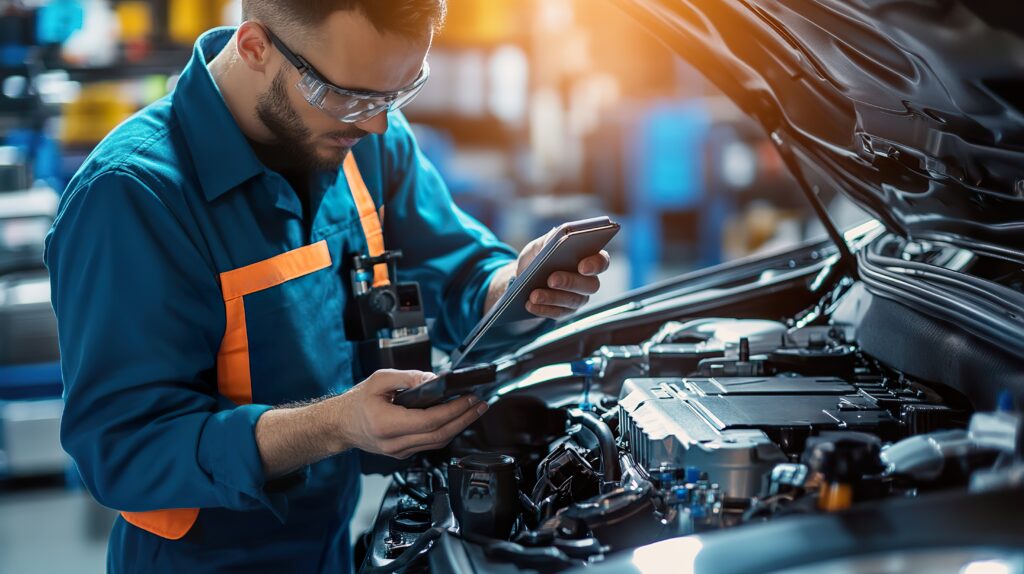
    At 10 Degrees Automotive in Corona, we use professional diagnostic equipment and hands-on testing to determine why a check engine warning has appeared. Call 951.414.9423 to schedule a diagnostic appointment before a small problem becomes a more expensive repair.

    🔍 What Does the Check Engine Light Mean?

    The check engine light is part of your vehicle’s onboard diagnostic system. Modern vehicles contain computers that monitor engine performance, fuel delivery, ignition, emissions, and other essential functions.

    When the computer detects a reading or operating condition outside its expected range, it stores a diagnostic trouble code and turns on the malfunction indicator lamp, commonly called the check engine light.

    The stored code gives a technician a useful starting point, but it does not always identify the exact failed component. For example, a code indicating a lean fuel mixture could be related to an air leak, fuel-delivery issue, contaminated sensor, or another condition.

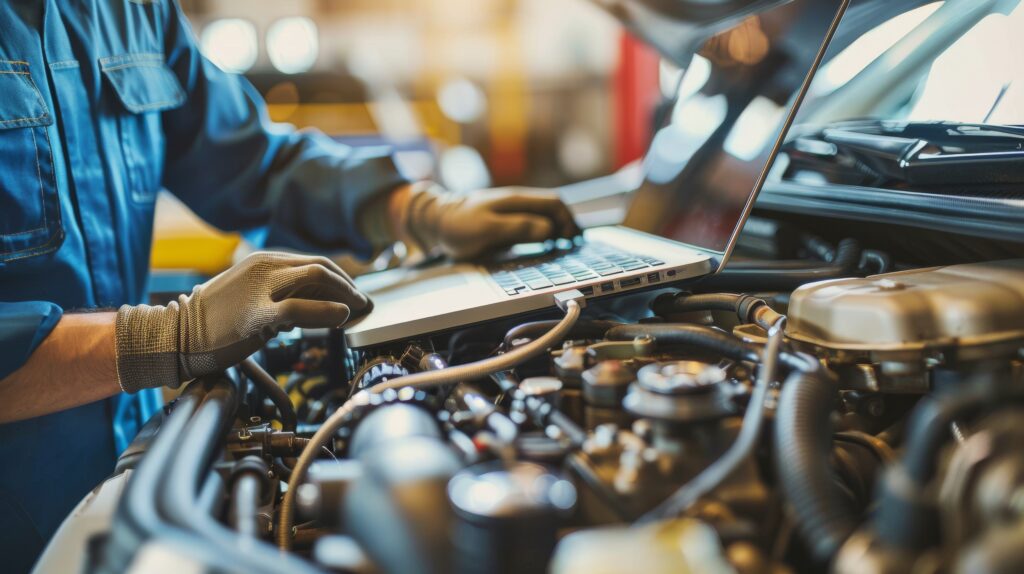
    That is why reading a code is only the beginning of professional check engine diagnostics. An accurate diagnosis may also require visual inspection, live-data analysis, electrical testing, smoke testing, or component-specific checks.

    ⚠️ Is Your Check Engine Light Steady or Flashing?

    How the warning light behaves can indicate how urgently the vehicle needs attention.

    A steady check engine light

    A steady light usually means the computer has detected a problem that should be diagnosed soon. The vehicle may continue to operate, but postponing service could affect performance, fuel economy, emissions, or other components.

    Even if the car feels normal, the underlying condition may remain present.

    A flashing check engine light

    A flashing check engine light can indicate a severe engine misfire. Unburned fuel may enter the exhaust system and overheat the catalytic converter, potentially causing significant damage.

    If the light flashes, reduce your speed, avoid hard acceleration, and pull over safely. If the vehicle is shaking, losing power, overheating, or producing unusual sounds, turn it off and arrange for professional assistance.

    When you are unsure whether it is safe to continue driving, contact 10 Degrees Automotive at 951.414.9423 for guidance.

    ⛽ 1. Loose or Damaged Gas Cap

    A loose, missing, cracked, or improperly sealed gas cap is one of the simpler reasons a check engine light may appear.

    Your vehicle’s evaporative emissions system is designed to prevent fuel vapors from escaping into the atmosphere. If the gas cap does not seal correctly, the computer may detect a vapor leak and store an emissions-related trouble code.

    After refueling, make sure the cap is correctly installed and tightened according to the vehicle’s design. The warning may not disappear immediately because the onboard computer may need to complete several operating checks.

    If the light remains on, the problem may involve the gas cap, filler neck, vapor lines, purge valve, vent valve, or another part of the evaporative emissions system. A professional inspection can find the actual source of the leak.

    🔥 2. Worn Spark Plugs or Ignition Problems

    Spark plugs ignite the air-and-fuel mixture inside the engine. Worn or contaminated plugs can cause incomplete combustion, rough operation, reduced power, and poor fuel economy.

    The ignition system may also include coils, wires, boots, and related electrical components. When one of these parts fails, the engine can misfire.

    Common symptoms of an engine misfire include:

    • Rough idling
    • Shaking or vibration
    • Hesitation during acceleration
    • Reduced engine power
    • Difficulty starting
    • Increased fuel consumption
    • A flashing check engine light

    Ignoring a misfire can place additional stress on the engine and catalytic converter. Prompt diagnosis may help prevent secondary damage.

    🌬️ 3. Faulty Oxygen Sensor

    Oxygen sensors monitor the amount of oxygen in the exhaust. The engine computer uses this information to help manage the air-and-fuel mixture and evaluate emissions-system performance.

    Over time, an oxygen sensor may become contaminated, respond too slowly, develop an electrical fault, or stop working. A failing sensor can contribute to poor fuel economy, increased emissions, and drivability problems.

    However, a trouble code associated with an oxygen sensor does not automatically mean the sensor itself is defective. Exhaust leaks, wiring problems, incorrect fuel mixture, or other engine conditions may create readings that appear abnormal.

    Proper vehicle diagnostics should confirm the cause before parts are replaced.

    💨 4. Mass Airflow Sensor Problems

    The mass airflow sensor measures the air entering the engine. The computer uses that measurement to calculate how much fuel should be delivered.

    If the sensor becomes dirty, contaminated, damaged, or electrically disconnected, the engine may receive an incorrect fuel mixture. This can result in:

    • Hesitation
    • Rough idling
    • Difficult starting
    • Stalling
    • Reduced fuel economy
    • Loss of power

    Air-filter problems, intake leaks, damaged wiring, and other conditions can produce similar symptoms. Testing the complete air-intake system helps avoid replacing a functioning part unnecessarily.

    🧪 5. Catalytic Converter Inefficiency

    The catalytic converter helps reduce harmful exhaust emissions. A check engine light may come on when the vehicle’s computer determines that the converter is not operating efficiently.

    Catalytic converters can deteriorate with age, but they may also be damaged by another unresolved problem. Persistent engine misfires, excessive fuel delivery, oil consumption, or coolant entering the combustion chamber can overheat or contaminate the converter.

    Possible symptoms include:

    • Reduced acceleration
    • Poor fuel economy
    • Excessive exhaust heat
    • An unusual sulfur-like odor
    • Failed emissions testing
    • A loss of engine performance

    Replacing a catalytic converter without correcting the condition that damaged it can lead to another failure. A complete diagnosis should evaluate both the converter and the engine conditions that may have affected it.

    🧯 6. Evaporative Emissions System Leak

    The gas cap is only one part of the evaporative emissions system. This system uses hoses, valves, a charcoal canister, sensors, and other components to contain and manage fuel vapor.

    A cracked hose, sticking purge valve, defective vent valve, damaged canister, or electrical problem may activate the check engine light. Small leaks can be difficult to see, so technicians may use a smoke test to locate vapor escaping from the system.

    You may not notice a change in how the vehicle drives, but the warning should still be diagnosed. An unresolved EVAP system problem may increase emissions and cause the vehicle to fail an emissions inspection.

    🛢️ 7. Vacuum or Air-Intake Leak

    Your engine relies on controlled airflow. A cracked intake hose, damaged gasket, disconnected vacuum line, or other air leak can allow unmeasured air to enter the engine.

    This may create a lean operating condition in which the engine receives too much air relative to fuel.

    Symptoms can include:

    • Rough or unusually high idle
    • Whistling or hissing sounds
    • Hesitation
    • Stalling
    • Reduced power
    • Multiple diagnostic trouble codes

    Some air leaks are visible during inspection, while smaller ones may require specialized testing. Correctly finding the leak is essential because several sensors and fuel-system problems can create similar symptoms.

    ⛽ 8. Fuel-Delivery Problems

    The engine needs the correct amount of fuel at the proper pressure. A weak fuel pump, restricted injector, leaking injector, contaminated fuel, pressure-control problem, or electrical fault can interfere with fuel delivery.

    If the engine receives too little fuel, it may hesitate, stall, misfire, or struggle under load. Too much fuel can lead to poor fuel economy, dark exhaust, spark-plug contamination, or catalytic-converter damage.

    Because fuel-system testing involves pressure, electricity, and flammable material, it should be handled carefully by a qualified automotive professional.

    🌡️ 9. Engine Temperature or Cooling-System Issues

    The engine computer monitors operating temperature and uses this information to adjust performance. A faulty coolant-temperature sensor, thermostat problem, low coolant level, wiring issue, or overheating condition may cause the check engine light to appear.

    Watch for additional warning signs such as:

    • A rising temperature gauge
    • Steam from beneath the hood
    • Coolant leaking under the vehicle
    • A sweet odor
    • Poor heater performance
    • Cooling fans operating abnormally

    An overheating engine can suffer severe damage. If the temperature gauge enters the red zone, stop driving as soon as it is safe and turn off the engine. Never remove a radiator cap while the cooling system is hot.

    🔌 10. Electrical, Wiring, or Sensor Faults

    Modern vehicles depend on sensors, wiring, connectors, grounds, relays, and computer modules. Heat, vibration, moisture, corrosion, impact damage, or age can cause electrical faults that activate the check engine light.

    A damaged connector may produce the same diagnostic code as a failed sensor. In some cases, the issue may occur only under certain temperatures, road conditions, or engine loads.

    Professional electrical testing can determine whether a component has failed or whether the signal is being interrupted elsewhere in the circuit.

    🧰 Why a Trouble Code Is Not a Complete Diagnosis

    Many auto-parts stores and inexpensive code readers can retrieve diagnostic trouble codes. That information can be helpful, but a code should not be treated as an automatic instruction to replace a particular part.

    A trouble code identifies the system or condition the computer has detected. It does not necessarily reveal:

    • Why the condition occurred
    • Which specific component failed
    • Whether wiring is damaged
    • Whether another system caused the reading
    • Whether more than one problem is present

    For example, an oxygen-sensor code could be caused by the sensor, an exhaust leak, incorrect fuel pressure, a vacuum leak, or damaged wiring. Replacing parts based only on the code can waste money while leaving the original problem unresolved.

    At 10 Degrees Automotive, professional diagnostics combine scan-tool information with inspection and appropriate testing to determine the root cause.

    🚗 Can You Keep Driving With the Check Engine Light On?

    Whether you can safely continue driving depends on the light, the symptoms, and the underlying problem.

    If the light is steady and the vehicle operates normally, you may be able to drive it carefully to a repair facility. Avoid long trips, towing, hard acceleration, and postponing the inspection.

    Stop driving and seek assistance if:

    • The check engine light is flashing
    • The engine is shaking severely
    • The vehicle is losing power
    • The temperature gauge is rising
    • You smell fuel or burning material
    • Smoke or steam is visible
    • Oil-pressure or other critical warnings appear
    • The vehicle is making loud mechanical noises

    When safety is uncertain, it is better to arrange towing than risk engine damage or a roadside breakdown.

    🔧 Schedule Check Engine Diagnostics in Corona

    A check engine light is your vehicle’s way of telling you that something needs attention. It may be a simple gas-cap issue, but it could also indicate a misfire, fuel-delivery problem, emissions fault, cooling-system concern, or electrical failure.

    The safest approach is to diagnose the warning rather than ignore it or replace parts based on guesswork.

    For check engine light diagnostics in Corona, contact 10 Degrees Automotive. Our team can inspect the vehicle, evaluate its stored trouble codes, perform appropriate testing, and explain the recommended repair.

    Call 951.414.9423 today to schedule your appointment with 10 Degrees Automotive and get clear answers about your check engine light.

  • 🔧 10 Warning Signs Your Car Needs Professional Auto Repair

    By 10 Degrees Automotive | Corona | 951.414.9423

    10 Warning Signs Your Car Needs Professional Auto Repair

    Your vehicle often provides clues when something is wrong. A strange sound, an unfamiliar smell, or a change in performance may seem minor at first, but it can indicate a problem that requires professional auto repair. Recognizing these warning signs early can help prevent breakdowns, protect your passengers, and reduce the risk of more expensive repairs.

    At 10 Degrees Automotive in Corona, we help drivers identify and resolve automotive problems before they become larger concerns. If your vehicle is behaving differently, call 951.414.9423 to schedule a professional inspection.

    🚨 1. Your Check Engine Light Is On

    The check engine light is one of the most familiar—and frequently misunderstood—dashboard warnings. It can illuminate because of something relatively simple, such as a loose gas cap, or because of a more serious engine, emissions, ignition, or fuel-system problem.

    A steady check engine light usually means your vehicle should be inspected soon. A flashing light can indicate an urgent condition, such as an engine misfire that could damage the catalytic converter.

    Because the light can be triggered by many different issues, guessing at the cause is rarely effective. Professional vehicle diagnostics allow a technician to retrieve trouble codes, inspect the related systems, and determine what is actually causing the warning.

    Do not simply clear the code and assume the problem has disappeared. If your check engine light is on, contact 10 Degrees Automotive at 951.414.9423 for an accurate diagnosis.

    👂 2. You Hear Strange or Unusual Noises

    Vehicles make normal operating sounds, but drivers usually notice when a new noise appears. Squealing, grinding, knocking, rattling, clicking, or clunking may indicate worn or damaged components.

    Common examples include:

    • Squealing or grinding while braking
    • Knocking or tapping from the engine
    • Clicking while turning
    • Clunking when driving over bumps
    • Humming or growling that changes with speed
    • Rattling underneath the vehicle

    Each sound can have several possible causes. Grinding while braking, for example, may mean the brake pads are severely worn. Clicking during turns could point to a CV joint issue, while clunking over bumps may be connected to the suspension.

    Prompt automotive diagnostics and repair can help identify the source before additional parts are affected.

    🌡️ 3. Your Engine Is Overheating

    An overheating engine requires immediate attention. Your temperature gauge may move into the red zone, a temperature warning may appear, or steam may come from beneath the hood.

    Potential causes include:

    • Low coolant
    • A coolant leak
    • A failing thermostat
    • A damaged radiator
    • A malfunctioning cooling fan
    • A weak water pump
    • A worn or broken belt

    Continuing to drive an overheating vehicle can cause severe engine damage. If the temperature rises dangerously, pull over safely, turn off the engine, and allow it to cool. Never remove a hot radiator cap because pressurized coolant can cause serious burns.

    Arrange an inspection with an experienced auto repair shop in Corona before driving the vehicle again.

    🛑 4. Your Brakes Feel or Sound Different

    Your braking system is one of your vehicle’s most important safety systems. Changes in the way the brakes sound or respond should never be ignored.

    Warning signs that may indicate a need for brake repair include:

    • Squeaking, squealing, or grinding
    • A soft or spongy brake pedal
    • A brake pedal that feels unusually hard
    • Vibration or pulsation while braking
    • Increased stopping distance
    • Pulling to one side
    • A brake warning light

    Brake pads, rotors, calipers, brake fluid, hoses, and other components work together to stop your vehicle. A professional inspection can determine which part of the system needs service.

    If your brakes do not feel dependable, limit driving and call 10 Degrees Automotive at 951.414.9423.

    🚗 5. Your Vehicle Pulls to One Side

    A vehicle that drifts or pulls to one side can be difficult to control. Pulling may be especially noticeable while driving on a straight road or applying the brakes.

    Possible causes include incorrect tire pressure, uneven tire wear, wheel-alignment problems, damaged suspension components, or a sticking brake caliper. Road slope can create a slight drift, but persistent or severe pulling deserves attention.

    A proper inspection helps determine whether the concern requires wheel alignment, tire service, suspension work, or brake repair. Correcting the problem can improve handling, reduce uneven tire wear, and make the vehicle safer to drive.

    💧 6. You Notice Fluid Under Your Vehicle

    A few drops of clear water beneath a vehicle after using the air conditioner are usually normal. Colored, oily, or strong-smelling fluid may indicate a leak.

    Automotive fluids can include:

    • Engine oil
    • Coolant
    • Transmission fluid
    • Brake fluid
    • Power-steering fluid
    • Windshield-washer fluid

    Fluid color alone is not always enough to identify the source because age, contamination, and vehicle design can affect its appearance. A technician can inspect the vehicle, locate the leak, and recommend the appropriate repair.

    Ignoring an automotive fluid leak may allow fluid levels to fall, increasing friction, heat, or component damage. Brake-fluid leaks are especially serious and should receive immediate attention.

    ⚙️ 7. Your Car Hesitates, Stalls, or Struggles to Accelerate

    Your vehicle should respond smoothly when you press the accelerator. Hesitation, jerking, stalling, or a noticeable loss of power may signal a problem involving the engine, fuel delivery, ignition, transmission, air intake, or exhaust system.

    You may notice that the vehicle:

    • Struggles to accelerate onto the freeway
    • Hesitates after stopping
    • Jerks during acceleration
    • Stalls at idle
    • Loses power while climbing hills
    • Operates roughly under load

    These symptoms can make driving unpredictable and may become worse without repair. Engine performance diagnostics can help isolate the underlying cause instead of relying on unnecessary parts replacement.

    🔋 8. Your Vehicle Is Difficult to Start

    A car that cranks slowly, clicks, or requires several attempts to start is warning you that something is wrong. The battery is a common suspect, but it is not the only possibility.

    Starting problems may involve:

    • A weak or discharged battery
    • Corroded or loose battery connections
    • A failing starter
    • An alternator problem
    • Fuel-delivery issues
    • Ignition-system faults
    • Electrical or sensor problems

    If your vehicle needs frequent jump-starts, replacing the battery without testing the complete charging system may not solve the problem. Battery, starter, and alternator testing can reveal whether the issue involves stored power, electrical charging, or the starting mechanism.

    Addressing slow starting early may help you avoid becoming stranded.

    👃 9. You Smell Something Unusual

    Unfamiliar odors can provide important clues about your vehicle’s condition. Burning rubber, hot oil, fuel, exhaust, or a sweet chemical smell should not be dismissed.

    Possible examples include:

    • A burning smell from overheated brakes or an electrical issue
    • A sweet smell associated with leaking coolant
    • A strong fuel odor caused by a potential fuel-system problem
    • An oily smell from fluid contacting a hot engine component
    • Exhaust odors entering the passenger compartment

    Fuel and exhaust odors can create serious safety concerns. If you smell gasoline or exhaust inside the vehicle, stop driving when it is safe and arrange for professional assistance.

    A qualified technician can trace the odor to its source and perform the necessary car repair.

    📳 10. Your Vehicle Shakes or Vibrates

    Shaking may occur while idling, accelerating, braking, turning, or traveling at a particular speed. The timing and location of the vibration can help a technician narrow down the cause.

    Potential sources include:

    • Unbalanced or damaged tires
    • Worn suspension components
    • Brake-rotor problems
    • Engine misfires
    • Damaged motor mounts
    • Worn wheel bearings
    • Drivetrain or axle concerns

    Even if the vehicle still moves normally, vibration may indicate a mechanical problem that affects safety, comfort, or tire life. Do not wait for severe shaking before scheduling an inspection.

    🧰 Why Early Auto Repair Matters

    Postponing automotive repairs can turn a manageable problem into a much larger expense. A small coolant leak can lead to overheating. Worn brake pads can damage the rotors. Incorrect alignment can ruin a set of tires. An unresolved misfire can affect additional engine or emissions components.

    Early vehicle maintenance and repair can provide several benefits:

    • Reduced risk of unexpected breakdowns
    • Better vehicle performance
    • Improved safety and reliability
    • Longer component life
    • Lower likelihood of secondary damage
    • Greater confidence during everyday driving

    It is also helpful to pay attention to patterns. Note when the symptom occurs, whether the engine is hot or cold, how fast you are driving, and whether a dashboard light appears. This information can assist the technician during diagnosis.

    ✅ Schedule Auto Repair With 10 Degrees Automotive

    You know how your car normally sounds, feels, and performs. When something changes, trust what you are noticing. Seeking professional help early is one of the best ways to protect your vehicle and avoid preventable problems.

    Whether you have an illuminated check engine light, unusual noise, fluid leak, braking concern, starting problem, or performance issue, 10 Degrees Automotive in Corona is ready to help identify the cause and recommend the appropriate solution.

    Call 951.414.9423 today to schedule professional auto repair in Corona. Let 10 Degrees Automotive help keep your vehicle safe, dependable, and ready for the road.


  • 🛞 Tesla Tire Wear Issues and How to Prevent Them

    By 10 Degrees Automotive | Corona | 951.414.9423

    Tesla Tire Wear Issues and How to Prevent Them

    Tesla vehicles deliver instant torque, smooth acceleration, and impressive handling — but many Tesla owners quickly discover one common issue: tires tend to wear out faster than expected.

    Because Teslas are heavier than traditional gas-powered vehicles and produce rapid acceleration, tire wear can happen more aggressively if proper maintenance is ignored. Uneven or premature tire wear not only reduces tire lifespan but can also affect efficiency, ride comfort, and safety.

    If you own a Tesla in Corona, understanding what causes tire wear — and how to prevent it — can save you money while helping your EV perform at its best.

    At 10 Degrees Automotive, we provide professional Tesla tire service, alignments, and suspension diagnostics in Corona designed specifically for electric vehicles.

    📞 Call 951.414.9423 today to schedule Tesla tire service.


    🔋 Why Tesla Tires Wear Faster Than Traditional Cars

    Tesla vehicles place unique demands on tires compared to conventional vehicles.

    Several factors contribute to accelerated tire wear, including:

    ⚡ Instant Torque

    Tesla electric motors deliver immediate acceleration, which places additional stress on tire tread during launches and acceleration.

    🔋 Heavy Battery Weight

    Tesla battery systems add significant weight to the vehicle, increasing tire contact pressure and accelerating tread wear.

    🚗 Performance-Oriented Driving

    Many Tesla owners enjoy the fast acceleration and sporty handling of EVs, which can increase wear even further.

    🛞 Specialized EV Tires

    Tesla tires are often designed for efficiency and low rolling resistance, which may wear differently than traditional tires.

    Without proper maintenance, these factors can shorten tire lifespan considerably.


    🚗 Common Tesla Tire Wear Problems

    Tesla owners often experience several specific tire wear patterns.


    🛠️ Uneven Tire Wear

    Uneven wear is one of the most common Tesla tire problems.

    Possible causes include:

    • Poor wheel alignment
    • Suspension wear
    • Incorrect tire pressure
    • Lack of tire rotation

    Signs of Uneven Tire Wear

    • One side of the tread wearing faster
    • Steering pull
    • Vibration while driving
    • Reduced traction
    • Increased road noise

    Routine alignments and tire inspections help prevent uneven wear patterns.


    ⚡ Inner Edge Tire Wear

    Many Tesla owners experience excessive wear on the inner edge of the tires.

    This can result from:

    • Aggressive alignment angles
    • Suspension geometry
    • Worn suspension components

    Inner edge wear may not always be visible without close inspection, making routine tire checks especially important.


    🛞 Rapid Rear Tire Wear

    Rear tires often wear faster on Tesla vehicles because:

    • Rear-wheel-drive systems place more load on the rear tires
    • Instant torque increases stress during acceleration
    • Vehicle weight distribution impacts tire loading

    Frequent hard acceleration can significantly shorten rear tire lifespan.


    🚗 Tire Feathering or Cupping

    Feathering and cupping create uneven tread surfaces that may cause:

    • Vibration
    • Noise
    • Rough ride quality

    Possible causes include:

    • Suspension issues
    • Improper balancing
    • Worn shocks or components
    • Alignment problems

    Professional suspension and alignment inspections help correct these issues early.


    ✅ How to Prevent Tesla Tire Wear

    Proper maintenance is the best way to maximize tire life and improve driving efficiency.


    🔧 Rotate Tires Regularly

    Tesla tire rotations are extremely important because of the vehicle’s weight and torque delivery.

    Recommended Rotation Interval

    Most Tesla owners should rotate tires every:

    • 6,000–7,500 miles

    Regular tire rotation helps:

    • Promote even tread wear
    • Extend tire lifespan
    • Improve ride quality
    • Maintain handling performance

    🛞 Maintain Proper Tire Pressure

    Improper tire pressure can dramatically increase tire wear and reduce efficiency.

    Underinflated tires may cause:

    • Excessive outer-edge wear
    • Increased rolling resistance
    • Reduced driving range

    Overinflated tires may cause:

    • Center tread wear
    • Reduced traction
    • Harsh ride quality

    Routine tire pressure checks help maximize both safety and battery efficiency.


    ⚡ Schedule Regular Wheel Alignments

    Wheel alignment plays a major role in Tesla tire wear.

    Poor alignment can lead to:

    • Uneven tread wear
    • Steering pull
    • Reduced efficiency
    • Handling instability

    Signs Your Tesla Needs Alignment

    • Crooked steering wheel
    • Vehicle drifting
    • Uneven tire wear
    • Steering vibration

    Routine alignments help extend tire life and improve driving comfort.


    🚗 Avoid Aggressive Acceleration

    Tesla acceleration is exciting, but frequent rapid launches can wear tires much faster.

    Reducing aggressive acceleration habits can:

    • Extend tire lifespan
    • Improve efficiency
    • Reduce stress on suspension components

    Even moderate driving changes can make a noticeable difference in tire longevity.


    🔋 Inspect Suspension Components

    Suspension issues often contribute to abnormal tire wear.

    Routine inspections help identify:

    • Worn control arms
    • Damaged bushings
    • Steering issues
    • Suspension misalignment

    Addressing suspension problems early helps prevent expensive tire replacement costs.


    ⚠️ Signs Your Tesla Tires Need Attention

    Watch for these warning signs:

    • Uneven tread wear
    • Tire vibration
    • Increased road noise
    • Steering pull
    • Reduced traction
    • Rough ride quality

    If you notice any of these symptoms, professional inspections can help identify the underlying cause.


    🌎 Why Tesla Tire Maintenance Matters

    Proper tire maintenance helps:

    • Extend tire lifespan
    • Improve battery efficiency
    • Enhance handling
    • Increase safety
    • Reduce long-term costs
    • Improve ride comfort

    Because tires directly affect range and performance, maintaining them properly is essential for Tesla owners.


    🔧 Tesla Tire & Alignment Services at 10 Degrees Automotive

    At 10 Degrees Automotive, we provide professional Tesla tire and suspension services including:

    • Tire rotations
    • Wheel alignments
    • Suspension inspections
    • Tire wear diagnostics
    • Steering evaluations
    • Tire pressure inspections

    Our experienced EV technicians understand Tesla suspension geometry and tire wear patterns.


    🔌 Tesla Models We Service

    We proudly provide Tesla tire and suspension services for:

    • Tesla Model 3
    • Tesla Model Y
    • Tesla Model S
    • Tesla Model X

    Whether your Tesla needs alignments, tire service, or suspension diagnostics, our team is ready to help.


    📍 Trusted Tesla Tire Service in Corona

    If you’re dealing with uneven tire wear, vibration, or rapid tire replacement, don’t ignore the warning signs.

    At 10 Degrees Automotive, we help Tesla owners throughout Corona protect their tires and improve vehicle performance with professional EV maintenance and alignment services.

    📞 Call 951.414.9423 today to schedule Tesla tire service in Corona.


    📞 Schedule Tesla Tire Service Today

    Your Tesla deserves expert care from technicians who understand EV suspension systems and tire wear patterns. Routine maintenance helps maximize tire life, efficiency, and driving comfort.

    Trust 10 Degrees Automotive for dependable Tesla tire service and wheel alignments in Corona.

    📞 Call 951.414.9423 today to book your appointment.

  • 🔧 ECU Programming Services in Eastvale for Import Vehicles

    By 10 Degrees Automotive | Eastvale | 951.414.9423

    ECU Programming Services in Eastvale for Import Vehicles

    🚗 Why ECU Programming Matters More Than You Think

    Modern vehicles—especially BMW, Mercedes, Audi, Toyota, and Honda—depend heavily on advanced computer systems to control everything from engine timing to transmission shifting. When something goes wrong, it’s not just mechanical—it’s digital.

    That’s where professional ECU programming becomes essential.

    At 10 Degrees Automotive in Eastvale, we specialize in import automotive computer programming, helping drivers restore performance, fix persistent issues, and avoid unnecessary dealer costs.


    ⚙️ What Is ECU Programming?

    Your Engine Control Unit (ECU) is essentially your vehicle’s brain. Over time, or after certain repairs, it may need to be:

    • Reprogrammed
    • Updated
    • Reset
    • Recalibrated

    Without proper programming, your car may experience:

    • Poor performance
    • Warning lights that won’t go away
    • Transmission issues
    • Reduced fuel efficiency

    🛠️ Signs Your Vehicle Needs ECU Programming

    If you’re driving around Eastvale or nearby cities and notice these symptoms, your ECU may need attention:

    • Persistent check engine light
    • Vehicle running rough or stalling
    • Transmission shifting irregularly
    • Electrical systems behaving unpredictably
    • Repairs completed, but issues remain

    These are often signs that your vehicle’s software—not hardware—is the real problem.


    🚘 Specialized Import Vehicle Programming

    Unlike general repair shops, 10 Degrees Automotive focuses on import vehicles, meaning we understand the complexity of:

    • BMW ECU systems
    • Mercedes-Benz module coding
    • Audi electrical architecture
    • Toyota & Honda ECU recalibration

    This specialization allows us to diagnose and resolve issues quickly and accurately.


    📍 Serving Eastvale and Surrounding Cities

    We proudly provide ECU programming and automotive computer diagnostics for drivers in:

    • Eastvale
    • Corona
    • Norco
    • Jurupa Valley
    • Chino
    • Ontario

    If you’re searching for “ECU programming near me”, you’ve already found the right place.


    💡 Dealer-Level Programming Without Dealer Prices

    Many drivers assume they must go to the dealership for programming—but that’s not true.

    At 10 Degrees Automotive, we offer:

    • Advanced diagnostic tools
    • Manufacturer-level programming capabilities
    • Faster turnaround times
    • More personalized service

    All without the inflated dealership costs.


    📞 Get Your Vehicle Running Right Again

    If your vehicle isn’t performing the way it should, don’t guess—diagnose it properly.

    Call 10 Degrees Automotive at 951.414.9423 today for expert ECU programming in Eastvale and surrounding cities.

    Let’s get your car’s computer—and your driving experience—back on track.

  • 🚗 Why 10 Degrees Automotive Is Norco’s Go-To Shop for Kia and Hyundai Hybrid Repair

    By 10 Degrees Automotive | Norco | 951.414.9423

    Why 10 Degrees Automotive Is Norco’s Go-To Shop for Kia and Hyundai Hybrid Repair

    🏁 Not All Hybrid Shops Are Created Equal

    When it comes to hybrid vehicles, experience and specialization matter.

    Kia and Hyundai hybrids are advanced machines that require precise diagnostics, the right tools, and real expertise. Choosing the wrong shop can lead to misdiagnosis, unnecessary repairs, and higher costs.

    That’s why so many drivers turn to 10 Degrees Automotive for trusted hybrid repair Norco services.


    🔧 We Specialize in Kia and Hyundai Hybrids

    Unlike general repair shops, we focus specifically on:

    • Kia hybrid repair
    • Hyundai hybrid diagnosis
    • Advanced hybrid system diagnostics

    This specialization allows us to:

    • Identify problems faster
    • Avoid guesswork
    • Deliver accurate, cost-effective repairs

    We don’t just work on hybrids—we understand them.


    🧠 Advanced Hybrid System Diagnostics (No Guesswork)

    The biggest difference between us and other shops is how we diagnose problems.

    We use:

    • OEM-level scan tools
    • Live data analysis
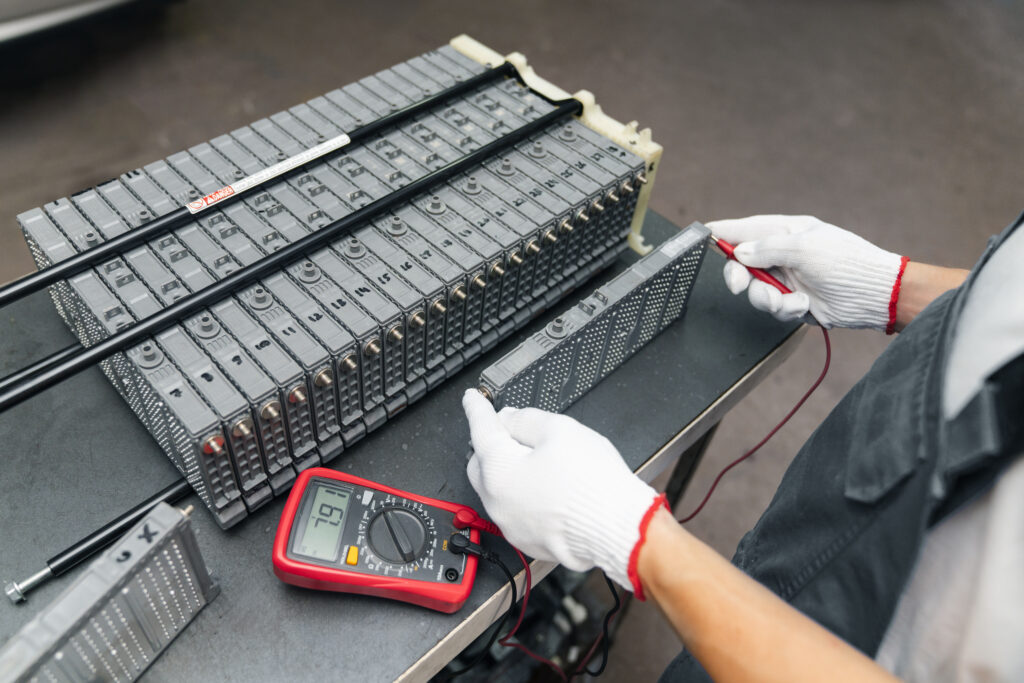
    • Battery cell testing
    • Full hybrid system troubleshooting

    This ensures we find the real issue—not just the symptoms.

    That means:

    • No unnecessary repairs
    • No wasted money
    • No repeat visits

    💸 We Focus on Saving You Money

    Many shops—and especially dealerships—default to replacing expensive components.

    We take a different approach.

    Our process prioritizes:

    • Repair over replacement when possible
    • Accurate hybrid system diagnostics
    • Transparent recommendations

    This often saves our customers thousands on Kia hybrid repair and Hyundai hybrid diagnosis.


    ⚡ Fast, Honest, and Transparent Service

    We understand that dealing with car issues can be stressful.

    That’s why we focus on:

    • Clear explanations (no confusing jargon)
    • Honest assessments
    • Quick turnaround times

    You’ll always know exactly what your vehicle needs—and why.


    🔍 We Fix Problems Other Shops Miss

    Hybrid issues are often misdiagnosed.

    We regularly see vehicles that:

    • Were told they needed a new battery—but didn’t
    • Had repeat repairs with no real solution
    • Were misdiagnosed by general shops

    Our expertise in hybrid system troubleshooting allows us to correct these issues quickly.


    🛠️ Equipped for Modern Hybrid Technology

    Hybrid systems are constantly evolving—and so are we.

    We stay up to date with:

    • The latest diagnostic tools
    • Kia and Hyundai system updates
    • Advanced repair techniques

    This ensures your vehicle gets the most accurate and effective service possible.


    📍 Proudly Serving Norco Drivers

    We’re not just another repair shop—we’re part of the Norco community.

    Drivers trust us because we provide:

    • Reliable hybrid repair Norco services
    • Personalized customer care
    • Long-term solutions—not quick fixes

    Your vehicle is treated like it’s our own.


    📞 Call Norco’s Hybrid Specialists Today

    If your Kia or Hyundai hybrid needs attention, don’t settle for guesswork.

    Call 10 Degrees Automotive at 951.414.9423 for expert hybrid system diagnostics and repair in Norco.

    Experience the difference of working with true hybrid specialists.


    🔑 Final Thoughts

    Choosing the right shop for your hybrid isn’t just about convenience—it’s about accuracy, cost, and long-term reliability.

    At 10 Degrees Automotive, we combine expertise, advanced tools, and honest service to deliver the best results for your vehicle.

    When it comes to Kia hybrid repair and Hyundai hybrid diagnosis, we’re the shop Norco drivers trust.

  • ⚠️ Common Misdiagnoses in Kia and Hyundai Hybrid Systems (And How We Avoid Them)

    By 10 Degrees Automotive | Norco | 951.414.9423

    Common Misdiagnoses in Kia and Hyundai Hybrid Systems (And How We Avoid Them)

    🚗 The Problem Isn’t Always What It Seems

    Hybrid systems are complex—and that complexity leads to one major issue: misdiagnosis.

    Many Kia and Hyundai hybrid owners end up paying for repairs they didn’t actually need. Why? Because the symptoms don’t always point directly to the real problem.

    Understanding common hybrid misdiagnosis scenarios can save you time, money, and frustration.


    ⚠️ Why Hybrid Systems Are Easily Misdiagnosed

    Unlike traditional vehicles, hybrids rely on interconnected systems.

    A single issue can trigger multiple symptoms:

    • Warning lights
    • Performance problems
    • Fuel efficiency drops

    Without proper hybrid system diagnostics, it’s easy to misinterpret what’s really going on.


    🔋 Misdiagnosis #1: “You Need a New Hybrid Battery”

    This is the most common—and most expensive—mistake.

    ❌ What Happens:

    A warning light appears → battery is blamed → full replacement recommended

    ✅ What It Could Actually Be:

    • Cooling system failure
    • Sensor malfunction
    • Battery imbalance (not full failure)

    Accurate Kia hybrid repair starts with verifying the battery’s actual condition.


    🌡️ Misdiagnosis #2: Overheating Means Battery Failure

    When a hybrid overheats, many assume the battery is the problem.

    ❌ Reality:

    The issue is often a hybrid cooling system issue, such as:

    • Blocked vents
    • Faulty cooling fan
    • Restricted airflow

    Replacing the battery won’t fix the root cause.


    ⚡ Misdiagnosis #3: Power Loss = Inverter Failure

    Loss of power can feel like a serious electrical issue.

    ❌ Common Assumption:

    The inverter is failing

    ✅ Possible Actual Causes:

    • Weak battery performance
    • Sensor or communication errors
    • Software issues

    A detailed Hyundai hybrid diagnosis is required to confirm.


    🔄 Misdiagnosis #4: Regenerative Braking Problems

    If regenerative braking isn’t working properly, it’s often blamed on the braking system.

    ❌ Misdiagnosis:

    Brake system failure

    ✅ Actual Causes May Include:

    • Battery not accepting charge
    • Electrical system faults
    • Control module issues

    This is why hybrid system troubleshooting must look at the entire system.


    🧠 Misdiagnosis #5: Warning Lights Tell the Full Story

    Many shops rely too heavily on diagnostic codes.

    ❌ The Mistake:

    Reading the code and replacing the associated part

    ✅ The Reality:

    Codes point to symptoms—not root causes

    Proper hybrid system diagnostics require deeper analysis, including live data and system behavior.


    💸 The Cost of Getting It Wrong

    Misdiagnosis can lead to:

    • Unnecessary part replacements
    • Higher repair bills
    • Repeat visits
    • Ongoing issues

    What should have been a simple fix can quickly become a costly situation.


    🔍 How We Avoid Hybrid Misdiagnosis

    At 10 Degrees Automotive, we take a different approach.

    🔧 Comprehensive Diagnostics

    We perform full hybrid system diagnostics, not just code scans.

    🔋 Battery Testing

    We evaluate actual battery performance—not assumptions.

    🌡️ Cooling System Analysis

    We check airflow, fans, and temperature behavior.

    ⚡ Electrical System Testing

    We analyze inverter and power distribution systems.

    🧠 Data-Driven Decisions

    We rely on real-time data—not guesswork.


    🛠️ Why Experience Matters

    Kia and Hyundai hybrids have known patterns and common failure points.

    Our experience with:

    • Kia hybrid repair
    • Hyundai hybrid diagnosis

    …allows us to quickly identify what’s actually wrong—and avoid unnecessary repairs.


    📍 Why Norco Drivers Trust 10 Degrees Automotive

    Hybrid owners choose us because we:

    • Specialize in hybrid system diagnostics
    • Focus on accurate hybrid system troubleshooting
    • Provide honest, cost-saving recommendations

    We fix the right problem the first time.


    📞 Avoid Costly Misdiagnosis

    Before you commit to a major repair, make sure you have the full picture.

    Call 10 Degrees Automotive at 951.414.9423 for expert hybrid system diagnostics in Norco.

    The right diagnosis can save you thousands.


    🔑 Final Thoughts

    Hybrid systems don’t always fail in obvious ways. What looks like a major issue could be something simple—and affordable to fix.

    Avoiding hybrid misdiagnosis starts with choosing the right shop.

    Trust experts who understand the full system—not just the symptoms.

  • 💡 How Hybrid System Diagnostics Save You Money in the Long Run

    By 10 Degrees Automotive | Norco | 951.414.9423

    How Hybrid System Diagnostics Save You Money in the Long Run

    💸 The Hidden Cost of Guessing

    When something feels off with your hybrid, it’s tempting to jump straight into repairs. But without proper testing, you’re essentially guessing—and guessing is expensive.

    Accurate hybrid system diagnostics aren’t just about identifying problems—they’re about saving money, preventing future issues, and protecting your vehicle long-term.


    🔍 What Hybrid System Diagnostics Actually Do

    A proper hybrid system diagnosis goes far beyond reading a basic code.

    It involves:

    • Analyzing battery performance at the cell level
    • Monitoring real-time system data
    • Evaluating inverter and electrical system behavior
    • Checking communication between control modules

    This level of detail ensures the root problem is identified—not just the symptom.


    ⚠️ The True Cost of Misdiagnosis

    Without proper hybrid system troubleshooting, you risk:

    • Replacing parts that aren’t actually faulty
    • Missing the real cause of the issue
    • Dealing with repeat repairs
    • Spending more over time

    For example:
    A battery-related warning could actually be caused by a cooling system issue. Replacing the battery wouldn’t fix the problem—and would cost thousands unnecessarily.


    🔋 Example: Battery vs Cooling System Issue

    This is one of the most common (and costly) mistakes.

    ❌ Without Proper Diagnosis:

    • Full hybrid battery replacement
    • High cost
    • Problem may still exist

    ✅ With Accurate Diagnostics:

    • Cooling system repair
    • Much lower cost
    • Problem fully resolved

    That’s the power of expert hybrid system diagnostics.


    🧠 Early Detection Prevents Major Repairs

    Hybrid systems often show subtle signs before major failures occur.

    Routine hybrid system diagnosis can detect:

    • Early battery degradation
    • Minor electrical issues
    • Cooling inefficiencies
    • Sensor or software faults

    Fixing these early prevents larger—and more expensive—repairs later.


    💰 Long-Term Savings Breakdown

    Here’s how proper diagnostics save money over time:

    🔧 Fewer Unnecessary Repairs

    You only fix what actually needs attention.

    🔋 Extended Battery Life

    Early intervention helps prevent premature battery failure.

    ⚡ Improved Fuel Efficiency

    A properly functioning system maintains optimal MPG.

    🔄 Reduced Repeat Visits

    Fixing the root cause eliminates recurring issues.


    🛠️ Why Hybrid Systems Require Specialized Diagnostics

    Hybrid vehicles are far more complex than traditional cars.

    They rely on:

    • High-voltage electrical systems
    • Advanced software and communication networks
    • Integrated mechanical and electrical components

    That’s why accurate Kia hybrid repair and Hyundai hybrid diagnosis depend on advanced tools and expertise.


    ⚠️ Not All Shops Are Equipped for Hybrid Diagnostics

    Many general repair shops:

    • Use basic scan tools
    • Lack access to hybrid-specific data
    • Rely on guesswork

    This often leads to incorrect repairs and higher costs.

    Choosing a specialist in hybrid system troubleshooting makes all the difference.


    📍 Why Norco Drivers Trust 10 Degrees Automotive

    At 10 Degrees Automotive, we focus on precision.

    We provide:

    • Advanced hybrid system diagnostics
    • Expert Kia hybrid repair and Hyundai hybrid diagnosis
    • Honest, transparent recommendations
    • Cost-saving solutions

    Our goal is simple: fix it right the first time.


    📞 Save Money by Diagnosing First

    Before you replace anything, get a clear answer.

    Call 10 Degrees Automotive at 951.414.9423 for expert hybrid system diagnostics in Norco.

    A small investment in diagnostics today can save you thousands tomorrow.


    🔑 Final Thoughts

    The smartest way to save money on hybrid repairs isn’t cutting corners—it’s making informed decisions.

    Accurate hybrid system diagnostics eliminate guesswork, prevent unnecessary repairs, and protect your vehicle’s long-term performance.

    When it comes to hybrids, knowledge truly is money.


  • 🏁 Dealer vs Independent Shop: Where Should You Take Your Kia or Hyundai Hybrid?

    By 10 Degrees Automotive | Norco | 951.414.9423

    Dealer vs Independent Shop: Where Should You Take Your Kia or Hyundai Hybrid?

    🚗 The Big Question Every Hybrid Owner Faces

    When something goes wrong with your hybrid, you’re faced with a decision:

    Do you go to the dealership—or trust a local independent shop?

    For Kia and Hyundai hybrid owners, this choice can mean the difference between overpaying and getting real value.

    Let’s break down what actually matters when it comes to hybrid repair near me searches and choosing the right shop.


    🏢 The Dealership Experience

    Dealerships are often the default choice—but that doesn’t always mean they’re the best one.

    ✅ Pros of Dealerships:

    • Factory-trained technicians
    • Access to OEM tools and software
    • Familiarity with newer models

    ❌ Cons of Dealerships:

    • Higher labor rates
    • Often recommend full replacements over repairs
    • Limited flexibility in solutions
    • Longer wait times

    For many hybrid issues, dealerships take a “replace, don’t repair” approach—which drives up costs.


    🔧 The Independent Hybrid Specialist Advantage

    A qualified independent shop—especially one that specializes in hybrids—offers a different approach.

    ✅ Pros of Independent Shops:

    • Lower labor costs
    • More personalized service
    • Greater focus on hybrid system diagnostics
    • Repair-first mindset (not replacement-first)

    At the right shop, you’re not just another ticket—you’re a customer getting real solutions.


    🧠 Why Specialization Matters More Than Location

    Not every independent shop is equipped for hybrid work.

    You should look for a shop that specializes in:

    Hybrid systems are complex. Without the right tools and experience, even a good general mechanic can misdiagnose the problem.


    ⚠️ The Real Cost Difference

    Here’s where the decision really matters.

    💸 Dealership:

    • Higher hourly rates
    • Full component replacement
    • Less flexibility

    💰 Independent Specialist (Like 10 Degrees Automotive):

    • Competitive pricing
    • Targeted repairs
    • Accurate hybrid system diagnostics

    In many cases, choosing the right independent shop can save you thousands.


    🔍 Diagnostic Accuracy: The Deciding Factor

    No matter where you go, the most important factor is accuracy.

    A proper hybrid system diagnosis ensures:

    • The real problem is identified
    • You avoid unnecessary repairs
    • Your vehicle is fixed correctly the first time

    This is where many dealerships and general shops fall short.


    🔄 Real-World Example

    A common scenario:

    • Dealer recommends full hybrid battery replacement
    • Independent specialist identifies a cooling system issue instead

    Result:

    • Thousands saved
    • Same problem solved

    That’s the power of proper hybrid system troubleshooting.


    🛠️ What to Look for in a Hybrid Repair Shop

    Before choosing where to go, ask:

    If the answer is yes, you’re in the right place.


    📍 Why Norco Drivers Choose 10 Degrees Automotive

    At 10 Degrees Automotive, we combine dealership-level capability with independent shop value.

    We offer:

    • Advanced hybrid system diagnostics
    • Expert Kia hybrid repair and Hyundai hybrid diagnosis
    • Honest, transparent recommendations
    • Cost-effective solutions

    We focus on fixing the problem—not inflating the bill.


    📞 Skip the Guesswork—Choose the Right Shop

    If you’re searching for hybrid repair near me, make sure you choose a shop that specializes in your vehicle.

    Call 10 Degrees Automotive at 951.414.9423 for expert hybrid service in Norco.

    You’ll get dealership-level expertise—without dealership pricing.


    🔑 Final Thoughts

    Dealerships have their place—but when it comes to hybrid repair, specialization and accuracy matter more.

    An experienced independent shop can deliver better results, faster service, and significant savings.

    Choose wisely—and your hybrid will thank you.

  • ⛽ Why Your Kia Hybrid Is Losing Fuel Efficiency (And How to Fix It)

    By 10 Degrees Automotive | Norco | 951.414.9423

    Why Your Kia Hybrid Is Losing Fuel Efficiency (And How to Fix It)

    🚗 When Your Hybrid Stops Saving You Money

    One of the biggest reasons drivers choose a hybrid is fuel efficiency. So when your MPG starts dropping, it’s more than frustrating—it’s a sign something isn’t working correctly.

    If you’re noticing a Kia hybrid MPG drop, your vehicle is telling you something needs attention. The key is identifying the cause early through proper hybrid system diagnostics.


    ⚠️ What Counts as a Fuel Efficiency Problem?

    A slight fluctuation is normal, but you should be concerned if you notice:

    • A consistent drop in MPG
    • The gas engine running more often than usual
    • Reduced time in electric-only mode
    • Increased fuel costs with the same driving habits

    These are clear signs of underlying hybrid efficiency problems.


    🔋 1. Weak or Degrading Hybrid Battery

    The most common cause of Kia hybrid MPG drop is a weakening battery.

    When the battery can’t hold a charge:

    • The gas engine compensates
    • Electric assist becomes limited
    • Efficiency drops significantly

    This is one of the most frequent hybrid battery failure symptoms.


    🌡️ 2. Hybrid Cooling System Issues

    If your battery overheats, it won’t operate efficiently.

    Hybrid cooling system issues can lead to:

    • Reduced battery performance
    • Increased engine usage
    • Faster battery degradation

    This is especially common in warmer climates and often requires hybrid system troubleshooting.


    ⚡ 3. Inverter or Electrical System Problems

    The inverter plays a key role in energy conversion.

    If it’s not working properly:

    • Power delivery becomes inefficient
    • Energy transfer between systems is disrupted
    • Fuel economy suffers

    Accurate Kia hybrid repair is essential to resolve these issues.


    🔄 4. Regenerative Braking Not Working Properly

    Your hybrid recovers energy every time you brake.

    If regenerative braking fails:

    • The battery doesn’t recharge efficiently
    • The system relies more on the engine
    • Overall MPG decreases

    This is a hidden but important cause of hybrid efficiency problems.


    🧠 5. Driving Conditions vs Actual System Issues

    Not every MPG drop is mechanical—but many are.

    External factors include:

    • Short trips
    • Heavy traffic
    • Aggressive driving

    However, if your habits haven’t changed, it’s likely a system issue requiring hybrid system diagnostics.


    🔍 6. Sensor or Software Issues

    Modern hybrids rely heavily on sensors and software.

    If something goes wrong:

    • The system may mismanage power distribution
    • Efficiency drops without obvious warning signs
    • Performance becomes inconsistent

    A proper Kia hybrid diagnosis can uncover these hidden issues.


    💸 Why Ignoring MPG Loss Costs You More

    Reduced efficiency isn’t just about fuel—it’s often the first sign of a bigger problem.

    Ignoring hybrid efficiency problems can lead to:

    • Battery damage
    • Inverter failure
    • More expensive repairs later

    A simple hybrid system diagnosis can prevent major costs.


    🛠️ How We Fix Kia Hybrid Efficiency Issues

    At 10 Degrees Automotive, we take a comprehensive approach:

    🔧 Full System Scan

    We perform advanced Kia hybrid diagnosis using professional tools.

    🔋 Battery Testing

    We evaluate charge capacity, voltage balance, and performance.

    🌡️ Cooling System Inspection

    We ensure proper airflow and temperature regulation.

    ⚡ Electrical System Analysis

    We test inverter and power delivery systems.

    🧠 Software & Sensor Check

    We verify system communication and calibration.


    📍 Why Norco Drivers Trust 10 Degrees Automotive

    When it comes to restoring fuel efficiency, accuracy matters.

    Drivers choose us for:

    • Expert Kia hybrid repair
    • Advanced hybrid system diagnostics
    • Honest recommendations
    • Cost-effective solutions

    We don’t just improve MPG—we fix the root cause.


    📞 Get Your Fuel Efficiency Back

    If your hybrid isn’t performing like it used to, don’t ignore it.

    Call 10 Degrees Automotive at 951.414.9423 for expert hybrid system diagnostics in Norco.

    We’ll help you get back to the efficiency you expect.


    🔑 Final Thoughts

    A Kia hybrid MPG drop is more than just a nuisance—it’s a warning sign.

    The sooner you address hybrid efficiency problems, the easier (and more affordable) they are to fix.

    Stay proactive, and keep your hybrid running at peak performance.

  • 🚗 Can You Drive with a Failing Hybrid Battery? Risks for Kia & Hyundai Owners

    By 10 Degrees Automotive | Norco | 951.414.9423

    Can You Drive with a Failing Hybrid Battery? Risks for Kia & Hyundai Owners

    ⚠️ The Short Answer: Yes… But You Shouldn’t for Long

    Technically, you can continue driving with a failing hybrid battery—but that doesn’t mean it’s safe or cost-effective.

    Many Kia and Hyundai drivers delay service because the car still runs. The problem is, a failing battery puts stress on the entire system.

    Ignoring early hybrid battery failure symptoms often turns a manageable repair into a major expense.


    🔋 What Happens When a Hybrid Battery Starts Failing?

    Your hybrid system depends on a healthy battery to balance power between the electric motor and gasoline engine.

    As the battery weakens:

    • The system compensates by relying more on the engine
    • Electrical components operate inefficiently
    • Heat and stress increase throughout the system

    This is why early Kia hybrid repair or Hyundai hybrid diagnosis is so important.


    🚨 Immediate Risks of Driving with a Failing Hybrid Battery

    ⚡ 1. Loss of Power When You Need It Most

    A weak battery may not provide enough power for acceleration.

    This can lead to:

    • Sluggish response when merging onto highways
    • Hesitation during passing
    • Reduced overall drivability

    🔄 2. Sudden System Shutdown

    In more advanced cases, the hybrid system may:

    • Disable electric drive entirely
    • Enter “limp mode”
    • Shut down to protect components

    This can leave you stranded unexpectedly.


    🌡️ 3. Overheating and System Stress

    Failing batteries often generate excess heat.

    This puts strain on:

    • Cooling systems
    • Inverters
    • Electrical components

    Left unchecked, this can lead to expensive repairs beyond just the battery.


    ⛽ 4. Severe Drop in Fuel Efficiency

    One of the biggest advantages of a hybrid is fuel savings—but a failing battery eliminates that benefit.

    You may notice:

    • Increased fuel consumption
    • Constant engine operation
    • Loss of electric-only driving

    These are common hybrid battery failure symptoms.


    💸 5. Higher Repair Costs Over Time

    Driving too long with a failing battery can damage:

    • The inverter
    • Control modules
    • Cooling systems

    What could have been a simple hybrid system diagnosis may turn into multiple component replacements.


    🧠 When Is It Still Safe to Drive?

    There are situations where short-term driving may be possible:

    • No warning lights (yet)
    • Mild performance issues
    • No overheating or system shutdown

    However, even in these cases, you should schedule a hybrid system diagnosis as soon as possible.

    Think of it as a short grace period—not a long-term solution.


    ⚠️ When You Should Stop Driving Immediately

    If you experience any of the following, it’s time to stop driving and seek professional help:

    • “Check Hybrid System” warning
    • Rapid battery charge fluctuations
    • Noticeable loss of power
    • Overheating alerts
    • Vehicle entering limp mode

    These are serious signs that require immediate Kia hybrid repair or Hyundai hybrid diagnosis.


    🔍 Why Proper Diagnosis Matters Before Replacing Anything

    Many drivers assume a failing battery means full replacement—but that’s not always true.

    A professional hybrid system troubleshooting process can reveal:

    • A single weak battery module
    • Cooling system problems
    • Sensor or communication faults

    Accurate diagnosis can save you thousands.


    🛠️ What We Do at 10 Degrees Automotive

    At our Norco shop, we take a precise approach to hybrid system diagnostics:

    • Full battery health evaluation
    • Voltage and performance testing
    • Cooling system inspection
    • Advanced scan tool analysis

    We identify the real issue—so you don’t pay for unnecessary repairs.


    📍 Why Norco Drivers Trust 10 Degrees Automotive

    Hybrid drivers choose us because we specialize in:

    • Kia hybrid repair
    • Hyundai hybrid diagnosis
    • Accurate hybrid system troubleshooting

    We focus on solving problems early—before they become expensive.


    📞 Don’t Risk Bigger Repairs

    If you suspect your battery is failing, don’t wait until your vehicle breaks down.

    Call 10 Degrees Automotive at 951.414.9423 for expert hybrid system diagnosis in Norco.

    A quick inspection today can prevent major repairs tomorrow.


    🔑 Final Thoughts

    Yes, you can drive with a failing hybrid battery—but every mile increases the risk.

    The smartest move is early action.

    Recognizing hybrid battery failure symptoms and getting a professional hybrid system diagnosis ensures your vehicle stays reliable—and your repair costs stay manageable.