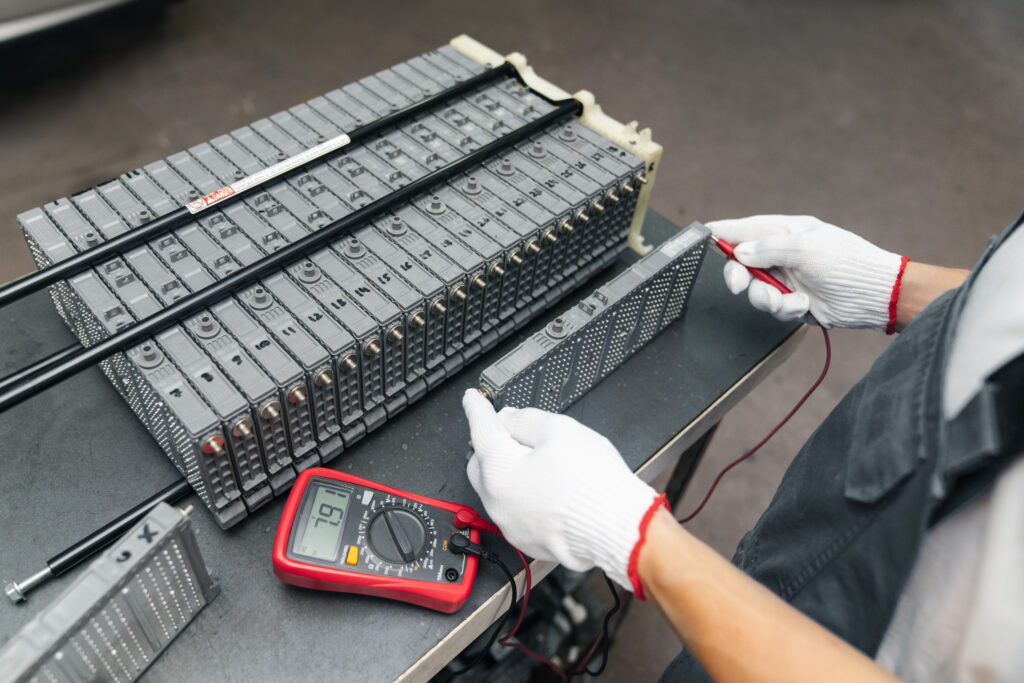
Hybrid vehicles operate using high-voltage electrical systems that far exceed what’s found in traditional vehicles. These systems power electric motors, charge batteries, and manage energy recovery—but they also introduce serious safety considerations.
That’s why qualified hybrid service mechanics undergo specialized training before working on these vehicles.
⚡ Understanding High-Voltage Hybrid Systems
Hybrid batteries typically operate at 200–400+ volts, enough to cause severe injury if handled improperly. High-voltage components include:
- Battery packs
- Inverters and converters
- Electric motors
- Power cables and connectors
These components require strict safety protocols.
🦺 Hybrid Safety Training Saves Lives
Certified hybrid mechanics are trained to:
- Properly disable high-voltage systems
- Use insulated tools and protective equipment
- Follow lockout/tagout procedures
- Verify zero-voltage conditions before service
Without this training, even routine repairs can become dangerous.
🚫 Why DIY and Untrained Repairs Are Risky
Attempting hybrid repairs without proper certification can result in:
- Electric shock
- Fire hazards
- Battery damage
- Vehicle system failure
High-voltage safety is not optional—it’s foundational.
🔍 How Qualified Hybrid Mechanics Protect Your Vehicle
Beyond personal safety, trained hybrid mechanics protect:
- Sensitive electronics
- Battery integrity
- Manufacturer warranty requirements
- System calibration accuracy
Improper handling can cause hidden damage that leads to long-term reliability issues.
🧠 Ongoing Education Is Essential
Hybrid technology evolves constantly. Qualified hybrid technicians receive ongoing education on:
- Updated safety standards
- New battery chemistries
- Software-controlled energy management
- Manufacturer-specific procedures
At 10 Degrees Automotive, continuous training ensures we meet modern hybrid safety and performance standards.
📍10 Degrees Automotive – Hybrid & EV Repair Specialists
📞 Call today to schedule hybrid service: 951.414.9423
Leave a Reply