Hybrid vehicles are often misunderstood, and misinformation can lead to expensive mistakes. At 10 Degrees Automotive, we regularly see hybrid owners in Corona dealing with unnecessary repairs caused by common myths.
Let’s separate fact from fiction.
❌ Myth 1: Hybrid Batteries Always Need Replacement
One of the most overlooked advantages of hybrid vehicles is their braking system. Thanks to regenerative braking, hybrids reduce wear on traditional brake components—saving money and improving efficiency. However, hybrid braking systems are more complex than standard setups and still require specialized service.
🔄 What Is Regenerative Braking?
Regenerative braking converts kinetic energy into electrical energy when slowing down. Instead of wasting that energy as heat, the system:
Recharges the hybrid battery
Reduces reliance on traditional brakes
Improves overall fuel efficiency
This seamless interaction between mechanical and electrical systems is what makes hybrid brakes unique.
🛑 Why Hybrid Brakes Last Longer
Because regenerative braking handles much of the stopping force:
Brake pads wear more slowly
Rotors experience less heat stress
Brake dust buildup is reduced
Some hybrid drivers go significantly longer between brake services—but longer life doesn’t mean no maintenance.
Ironically, brakes that aren’t used often enough can deteriorate faster.
🧠 Why Hybrid Brake Systems Are More Complex
Hybrid brakes combine:
Mechanical components
Hydraulic systems
Electronic brake control modules
Regenerative software integration
Improper service can trigger warning lights, reduce braking efficiency, or disable regenerative functions entirely.
🧰 Why Hybrid Brake Service Requires Expertise
Servicing hybrid brakes without proper training can:
Compromise vehicle safety
Damage electronic systems
Reduce regenerative efficiency
Void warranties
At 10 Degrees Automotive, our technicians are trained to service hybrid braking systems according to manufacturer specifications—ensuring both safety and performance.
🔍 Signs Your Hybrid Brakes Need Service
Watch for:
Squealing or grinding noises
Reduced braking response
Brake warning lights
Vibration when stopping
Brake pedal feel changes
Even with low mileage, time-based wear still applies.
🛠️ Preventive Hybrid Brake Maintenance
Regular inspections help:
Identify corrosion early
Ensure proper lubrication
Maintain electronic calibration
Preserve regenerative braking efficiency
Preventive service protects both braking performance and battery health.
When it comes to hybrid vehicles, many drivers focus on fuel savings but overlook one of the most important cost factors: who services the vehicle. While hybrids are designed to be efficient and reliable, improper repairs or misdiagnosis can quickly erase any savings gained at the gas pump.
Choosing a qualified hybrid service mechanic isn’t just about proper repairs—it’s a long-term financial decision that directly impacts repair costs, battery life, reliability, and resale value.
💰 The True Cost of Improper Hybrid Service
Hybrid systems are complex, and when serviced incorrectly, the consequences are often expensive. Unqualified shops may treat hybrids like traditional vehicles, leading to:
Incorrect part replacement
Incomplete repairs
Repeat visits for the same issue
Escalating system failures
What initially seems like a cheaper repair option can result in thousands of dollars in avoidable costs over time.
🔍 The Cost of Misdiagnosis
One of the most common money-draining issues hybrid owners face is misdiagnosis. Hybrid warning lights and performance issues often have multiple possible causes, such as:
Battery cell imbalance
Cooling system restrictions
Sensor failures
Software-related faults
Untrained technicians may assume the worst and recommend full hybrid battery replacement when the issue could be resolved with targeted repairs.
A qualified hybrid mechanic uses advanced diagnostics to identify the root cause before replacing expensive components.
Hybrid systems generate detailed data that standard scanners cannot interpret. Qualified hybrid service includes:
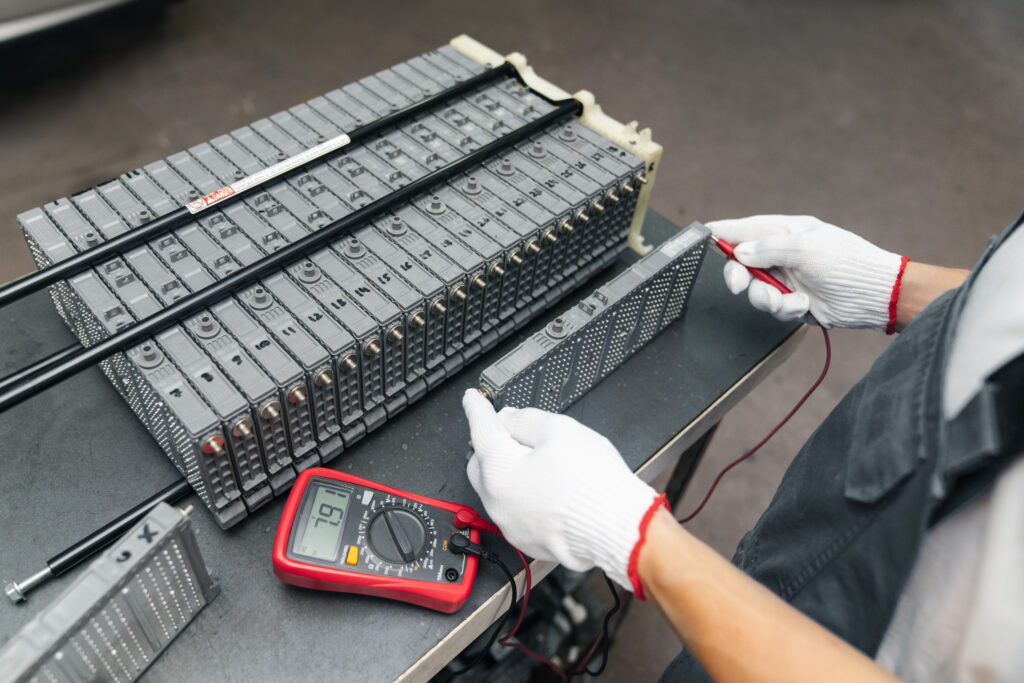
Battery module voltage testing
Thermal analysis of battery cooling systems
Inverter and converter performance checks
Regenerative braking system data review
This level of precision prevents unnecessary part replacement and ensures repairs are done once—and done right.
🔋 Extending Hybrid Battery Life Saves Thousands
Hybrid battery replacement is one of the largest expenses hybrid owners fear. While batteries are designed to last many years, poor service habits can significantly shorten their lifespan.
Qualified hybrid service helps:
Maintain battery balance
Prevent overheating
Ensure proper charging cycles
Identify failing modules early
Extending battery life by even a few years can save thousands of dollars over the life of the vehicle.
🧊 Supporting Systems Matter More Than Most Drivers Realize
Hybrid battery health depends heavily on supporting systems, including:
Battery cooling fans and ducts
Temperature sensors
Electrical connections
Software calibration
Neglecting these components often leads to premature battery degradation. A hybrid-trained technician understands how these systems work together and services them accordingly.
🛠️ Preventing Secondary System Failures
Hybrid vehicles operate as interconnected systems. A small unresolved issue can trigger failures in other areas, such as:
Inverter damage
Regenerative braking faults
Increased engine strain
Reduced fuel efficiency
Qualified hybrid service addresses issues early, preventing cascading failures that significantly increase repair costs.
⏳ Fewer Repeat Repairs Mean Lower Ownership Costs
Repeat repairs cost more than just money—they cost time, inconvenience, and reliability. Hybrid owners who rely on unqualified service often experience:
Multiple visits for the same concern
Inconsistent vehicle performance
Recurring warning lights
Hybrid specialists diagnose accurately the first time, reducing repeat visits and lowering total ownership costs.
📈 Protecting Hybrid Resale & Trade-In Value
When it comes time to sell or trade in a hybrid vehicle, service history matters. Buyers and dealerships look for:
Documentation of professional hybrid service
Evidence of battery and system inspections
Records showing qualified maintenance
Vehicles serviced by certified hybrid mechanics consistently retain higher resale value and buyer confidence.
🧠 Education & Ongoing Training Make the Difference
Hybrid technology evolves rapidly. Qualified hybrid mechanics receive continuous training on:
New battery technologies
Updated diagnostic software
Manufacturer-specific service procedures
Safety and performance updates
This knowledge ensures your vehicle is serviced according to current standards—not outdated assumptions.
⚡ Why Hybrid Specialization Is an Investment, Not an Expense
While specialized hybrid service may appear more expensive upfront, it delivers:
Fewer major repairs
Longer component lifespan
Better fuel efficiency
Improved reliability
Lower lifetime ownership costs
The return on investment becomes clear over the life of the vehicle.
At 10 Degrees Automotive, we help hybrid owners make smart, informed service decisions that protect both performance and finances.
Hybrid vehicles are engineered for efficiency, reliability, and lower emissions, but for many drivers, one component raises the most questions—the hybrid battery. While hybrid batteries are designed to last for years, their health and longevity depend heavily on driving habits, climate, and proper maintenance.
Understanding how hybrid battery systems function—and what impacts their lifespan—can help you avoid unnecessary repairs, maximize fuel efficiency, and keep your vehicle performing at its best.
⚡ How Hybrid Battery Systems Work
Hybrid vehicles rely on a high-voltage battery pack that works alongside the gasoline engine. Instead of powering the car alone, the hybrid battery:
Assists during acceleration
Stores energy from regenerative braking
Reduces engine workload
Improves overall fuel economy
Because the system is constantly charging and discharging, battery balance and cooling are critical for long-term performance.
⏳ How Long Do Hybrid Batteries Last?
Most manufacturers design hybrid batteries to last:
8–10 years
100,000–150,000 miles
Many last longer when properly maintained. Contrary to popular belief, hybrid batteries don’t usually fail suddenly. Instead, they gradually lose efficiency, which is why early diagnostics matter.
🌡️ What Affects Hybrid Battery Health?
Several factors influence hybrid battery longevity, including:
🔥 Climate & Temperature
Extreme heat is the number-one enemy of hybrid battery systems. High temperatures accelerate chemical breakdown inside battery cells, while extreme cold can reduce efficiency.
🚗 Driving Habits
Frequent short trips prevent full system cycling
Aggressive acceleration increases battery strain
Infrequent driving can cause imbalance between cells
🧊 Battery Cooling System Maintenance
Hybrid batteries rely on cooling fans, ducts, and sensors. Dust buildup or blocked airflow can cause overheating—often without triggering immediate warning lights.
⚠️ Ignored Warning Signs
Small issues, when ignored, often lead to larger and more expensive repairs.
🚨 Warning Signs of Hybrid Battery Issues
Early symptoms of declining hybrid battery health may include:
Hybrid systems require specialized diagnostic tools and training. Generic scanners often miss critical data related to:
Individual battery cell performance
Temperature variations
Voltage imbalance
Cooling system faults
At 10 Degrees Automotive, our advanced hybrid diagnostics allow us to accurately evaluate battery condition and supporting systems—helping you make informed decisions instead of guessing.
💡 Can Hybrid Batteries Be Repaired?
In many cases, yes. Not every issue requires full replacement. Depending on the diagnosis:
Individual modules may be replaced
Cooling components may be repaired
Software updates may restore performance
Professional evaluation is the key to determining the most cost-effective solution.
🛠️ Preventive Care for Hybrid Battery Longevity
To extend hybrid battery life:
Schedule regular hybrid system inspections
Keep cooling vents clean
Address warning lights promptly
Use hybrid-trained technicians
Preventive maintenance is always less expensive than reactive repairs.
Many drivers in Corona assume that hybrid vehicles require far less maintenance than traditional gas-powered cars. This perception often comes from the belief that because hybrids rely partly on electric power, they experience lower levels of engine strain and fuel usage.
For example, hybrid systems contain high-voltage battery packs that must be regularly monitored to ensure proper operation. These batteries, though designed to last many years, can degrade over time if not maintained correctly or if the vehicle is operated in extreme temperatures. Additionally, hybrid vehicles rely on complex electrical systems that require specialized diagnostic equipment and technicians trained in hybrid technology.
Another important aspect often missed by drivers is the cooling system associated with hybrid batteries and power electronics. Dust, debris, or clogged filters can impair cooling efficiency, leading to reduced performance or even costly damage. Regular inspection of these systems is crucial to prevent such issues. Moreover, while brake pads in hybrids tend to last longer due to regenerative braking, the braking system still requires periodic checks to ensure hydraulic components and sensors remain in good condition.
Understanding the differences between hybrid maintenance and gas vehicle maintenance is critical to avoiding costly repairs.
⚡ Key Differences in Powertrain Design
Gas vehicles rely solely on:
An engine
Transmission
Mechanical braking
Hybrid vehicles rely on:
Engine + electric motor
High-voltage battery
Regenerative braking
Complex software systems
This difference means maintenance procedures must be tailored specifically to hybrid platforms.
Neglecting these services can lead to premature battery failure.
🧠 Software and Diagnostics Matter More Than Ever
Hybrid vehicles depend heavily on software to balance power sources. Even small sensor issues can:
Reduce MPG
Trigger warning lights
Cause drivability issues
Accurate hybrid diagnostics are essential for proper maintenance.
📞 Hybrid Maintenance Experts in Corona
Choosing a shop that understands hybrid-specific maintenance protects your vehicle and your wallet. 10 Degrees Automotive provides expert hybrid maintenance services in Corona you can trust. 📱 Call 951.414.9423 today.
Hybrid vehicles operate using high-voltage electrical systems that far exceed what’s found in traditional vehicles. These systems power electric motors, charge batteries, and manage energy recovery—but they also introduce serious safety considerations.
When a hybrid vehicle experiences a warning light, performance drop, or unexplained issue, many drivers assume the repair begins with replacing parts. In reality, the most important step is a professional hybrid diagnostic inspection. For drivers in Corona, this inspection is the difference between a precise repair and a costly guessing game.
⚙️ Why Hybrid Diagnostics Are More Involved Than Standard Inspections
Hybrid vehicles are controlled by multiple computers that constantly exchange information. A professional diagnostic inspection evaluates how these systems interact, not just whether a fault code exists.
Hybrid diagnostics must analyze:
High-voltage battery performance
Electric motor operation
Inverter and converter output
Engine and hybrid control module communication
Regenerative braking data
This level of inspection requires advanced tools and specialized training.
🔋 Step 1: System Scan and Fault Code Analysis
The inspection begins with a manufacturer-level scan that retrieves:
Active fault codes
Stored history codes
Pending system warnings
Unlike basic scans, professional hybrid diagnostics look beyond the code description and analyze system conditions at the moment the fault occurred.
📊 Step 2: Live Data Monitoring
Live data analysis is one of the most critical steps in a hybrid diagnostic inspection. This allows technicians to observe:
Battery voltage balance
Temperature fluctuations
Motor load demand
Charging and discharging behavior
Live data helps determine whether a problem is mechanical, electrical, or software-related.
🔌 Step 3: High-Voltage Component Evaluation
Hybrid inspections include detailed testing of:
Battery modules
Inverter cooling systems
Electrical insulation integrity
This ensures high-voltage systems are operating safely and efficiently.
🧠 Step 4: Software and Communication Checks
Hybrid systems rely heavily on software. A professional inspection verifies:
Sensor accuracy
Module communication
Software updates or recalibration needs
Ignoring software issues often leads to repeat failures.
📍 Why This Matters for Corona Drivers
Corona’s heat, traffic congestion, and driving patterns place additional strain on hybrid systems. Professional inspections catch early signs of failure before they escalate.
📞 Schedule a Professional Hybrid Diagnostic Inspection
Hybrid vehicles have become increasingly popular among drivers in Corona, California, thanks to their fuel efficiency, reduced emissions, and advanced technology. However, many owners don’t fully understand how these vehicles operate—or why they require specialized service and repair. Unlike traditional gas-powered vehicles, hybrids rely on complex systems that must work together flawlessly.
Hybrid vehicles combine two primary power sources:
A traditional internal combustion engine
One or more electric motors powered by a high-voltage battery
These systems are controlled by sophisticated onboard computers that constantly decide when to use electric power, gasoline power, or a combination of both.
Key hybrid components include:
High-voltage battery pack
Electric motor/generator
Inverter and converter
Regenerative braking system
Hybrid control module
Each component must communicate accurately and operate within strict parameters to maintain efficiency and performance.
🔋 The Role of the High-Voltage Battery
The hybrid battery is the heart of the system. It stores electrical energy used to power the electric motor and assist the engine. Unlike a standard car battery, hybrid batteries operate at much higher voltages and require specialized testing and safety procedures.
Improper diagnosis of hybrid battery issues is one of the most common—and costly—mistakes made by non-specialized repair shops.
🧠 Why Specialized Hybrid Service Is Critical
Hybrid systems are not forgiving. A single incorrect repair or misdiagnosis can:
Reduce fuel efficiency
Trigger warning lights
Damage expensive components
Shorten battery lifespan
That’s why professional hybrid repair in Corona requires advanced diagnostic tools and trained technicians who understand hybrid-specific architecture.
🛑 Why General Auto Shops Fall Short
Many general repair shops treat hybrid vehicles like conventional cars, which leads to:
Guesswork instead of data-driven diagnosis
Unnecessary parts replacement
Recurring problems
At 10 Degrees Automotive, we focus on accurate hybrid diagnostics to ensure repairs are done correctly the first time.
🌱 Long-Term Benefits of Proper Hybrid Service
When serviced correctly, hybrid vehicles can:
Deliver consistent fuel savings
Operate reliably for hundreds of thousands of miles
If you own a hybrid vehicle, specialized care isn’t optional—it’s essential. 10 Degrees Automotive provides trusted hybrid repair services in Corona designed to keep your vehicle running efficiently and safely.
Hybrid repairs should never begin without a precise and thorough diagnosis. These advanced vehicles operate through the intricate integration of gasoline engines, electric motors, and complex battery management systems. Attempting repairs without first identifying the exact problem can lead to unnecessary part replacements, wasted labor, and recurring malfunctions. A systematic diagnostic approach—using specialized scan tools and manufacturer-specific procedures—is essential to isolate faults accurately, whether they stem from a weak hybrid battery, malfunctioning inverter, or software-related issues in the control modules.
Unfortunately, many hybrid owners in Corona experience repeated failures precisely because the root cause was never properly identified in the first place. Some service centers, lacking hybrid-specific training or tools, resort to quick fixes or generic methods that may temporarily mask the symptoms but do not resolve the underlying issue. Over time, this oversight results in additional expenses, unreliable vehicle performance, and growing frustration for the owner.
To prevent such setbacks, hybrid car owners should always seek out certified technicians experienced in diagnosing and servicing hybrid systems. A competent repair process involves comprehensive testing, including checking high-voltage circuits, battery health assessments, and communication scans of all electronic control units. Once the true cause of the problem is known, a qualified specialist can perform the appropriate repair with confidence—ensuring the hybrid operates efficiently, reliably, and safely for many miles ahead.
Hybrid vehicles combine advanced electrical systems, high-voltage batteries, and traditional mechanical components into one highly integrated platform. While this design delivers exceptional efficiency and performance, it also means hybrids require specialized knowledge and training that goes far beyond standard automotive repair.
Choosing a qualified hybrid service mechanic isn’t just a recommendation—it’s essential for protecting your vehicle, your investment, and your safety.
🔌 Hybrids Are Not Just Gas Cars with a Battery
A common misconception is that hybrid vehicles are simply gasoline cars with an added battery. In reality, hybrids operate as complex energy management systems that constantly balance:
Gasoline engine output
Electric motor assistance
Battery charging and discharging
Regenerative braking recovery
Electronic control modules
Each system communicates with the others in real time. Servicing one component incorrectly can affect the entire vehicle.
🧠 The Role of a Qualified Hybrid Mechanic
A hybrid-certified mechanic understands how these systems interact. Proper training allows technicians to:
Interpret hybrid-specific diagnostic data
Safely work with high-voltage components
Identify early-stage hybrid system failures
Prevent unnecessary part replacements
Follow manufacturer-specific hybrid procedures
Generic auto repair experience alone is not enough.
⚠️ The Risks of Unqualified Hybrid Repairs
Improper hybrid service can lead to:
Battery damage or shortened battery life
Electrical faults and warning lights
Reduced fuel efficiency
Safety risks from high-voltage exposure
Costly repeat repairs
In some cases, incorrect service can even disable regenerative braking or hybrid drive functions.