Category: Corona break service Tesla

  • πŸš— Strange Car Noises You Should Never Ignore

    By 10 Degrees Automotive | Corona | 951.414.9423
    Strange Car Noises You Should Never Ignore

    Your vehicle communicates with you in many ways, and unusual sounds are often among its earliest warnings. A new squeal, grind, knock, click, hiss, or hum may begin as an occasional annoyance, but it can point to worn brakes, a failing wheel bearing, a loose belt, low fluid, an exhaust leak, or an internal engine problem. Responding early can help protect your safety, reduce the risk of a breakdown, and prevent a manageable repair from becoming far more expensive.

    Drivers sometimes turn up the radio and hope a sound disappears. Unfortunately, mechanical problems rarely correct themselves. The best response is to note when the noise occurs and arrange a professional inspection. If your car has started making a sound you do not recognize, call 10 Degrees Automotive in Corona at 951.414.9423. A careful diagnosis can identify the source instead of relying on guesses or replacing parts unnecessarily.

    πŸ‘‚ Why New Car Noises Deserve Attention

    Every vehicle makes normal operating sounds. The engine hums, fans cycle, tires interact with the road, and the suspension responds to bumps. What matters is a sound that is new, louder than usual, becoming more frequent, or associated with a change in handling, braking, acceleration, temperature, or warning lights.

    An unusual noise is often created when two components contact each other incorrectly, a rotating part develops excessive play, fluid is no longer cushioning or lubricating a system, or pressure escapes from a damaged hose or seal. Delaying professional auto diagnostics may allow the affected component to damage nearby parts. A worn brake pad, for example, can progress from a warning squeal to metal-on-metal grinding that damages the rotor.

    Pay attention to the conditions surrounding the sound. Does it happen during a cold start, while turning, when braking, over bumps, at highway speed, or only with the air conditioner running? Those details help a technician reproduce the symptom and narrow down the cause.

    πŸ›‘ Grinding When You Apply the Brakes

    Grinding brakes should never be treated as ordinary vehicle noise. A harsh metallic grinding sound during braking can mean the friction material on a brake pad has worn away, allowing metal components to contact the brake rotor. It may also involve debris, damaged hardware, or another fault within the braking system.

    Because brakes are critical safety equipment, continuing to drive can reduce stopping performance and increase repair costs. You may also notice vibration, pulling, a soft pedal, a longer stopping distance, or a brake warning light. If braking feels unsafe, stop driving and have the vehicle transported for service.

    An inspection can determine the condition of the pads, rotors, calipers, brake fluid, and related hardware. For brake inspection in Corona, contact 10 Degrees Automotive at 951.414.9423 before a warning sound becomes a more serious problem.

    🎡 Squealing or Chirping From Under the Hood

    A high-pitched squeal or chirp from the engine compartment often points to the accessory drive system. A worn, glazed, contaminated, or improperly tensioned serpentine belt may slip across a pulley. A weak tensioner, misaligned pulley, or failing accessory bearing can produce a similar sound.

    This belt may help operate important equipment such as the alternator, air-conditioning compressor, water pump, or power-steering system, depending on the vehicle. If it breaks or comes off, the battery may stop charging, steering effort may change, or the engine may overheat.

    A brief sound on startup may differ from a squeal that continues or grows louder during acceleration. Either deserves attention if it is new or persistent. A technician should inspect the entire belt drive rather than assuming the belt alone is responsible.

    πŸ”¨ Knocking, Tapping, or Pinging From the Engine

    An engine knocking noise can have several causes, ranging from fuel-combustion issues to insufficient lubrication or worn internal components. A light tapping may be related to valvetrain operation or low oil, while a deeper rhythmic knock that increases with engine speed can signal a much more serious internal problem.

    First, safely check the oil level according to the instructions in your owner’s manual. If the oil-pressure warning light is illuminated, the engine is overheating, or the knocking is loud, shut the engine off as soon as it is safe. Continuing to run an engine without adequate oil pressure can cause severe damage quickly.

    Do not assume that adding oil solves the underlying issue. Low oil can result from a leak or oil consumption, and the wrong oil level can also cause problems. Proper testing may include checking fluid condition, oil pressure, fault codes, ignition operation, and internal engine condition.

    β†ͺ️ Clicking or Popping While Turning

    A repetitive clicking or popping sound during a turnβ€”especially during accelerationβ€”may indicate a worn constant-velocity, or CV, joint on a front-wheel-drive or all-wheel-drive vehicle. A damaged CV boot can allow grease to escape and dirt to enter, accelerating joint wear.

    Clicking can also come from steering, suspension, wheel, or brake components, so the driving conditions matter. Note whether the sound changes when turning left or right, whether it occurs at low speed, and whether you feel vibration through the steering wheel or floor.

    A severely worn driveline or steering component can affect vehicle control or leave the car unable to move. Schedule a CV axle and suspension inspection promptly rather than waiting for the sound to intensify.

    πŸŒ€ Humming, Growling, or Roaring That Changes With Speed

    A humming or growling noise that becomes louder as road speed increases may be caused by uneven tire wear or a worn wheel bearing. It can also arise from drivetrain components. Wheel-bearing sounds sometimes change when the vehicle’s weight shifts during a gentle turn, but sound alone is not enough to confirm the diagnosis.

    Tires with cupping, incorrect pressure, alignment problems, or internal damage can create a roar that resembles a bearing problem. A thorough inspection should include the tires, wheels, bearings, brakes, and suspension. If the car also wanders, vibrates, or feels unstable, reduce speed and arrange service promptly.

    Corona heat and frequent freeway driving can place sustained demands on tires and rotating components. Regular tire-pressure checks, rotation, alignment evaluation, and vehicle inspections can help reveal developing wear before it leads to a roadside problem.

    πŸ’¨ Hissing From the Engine Compartment

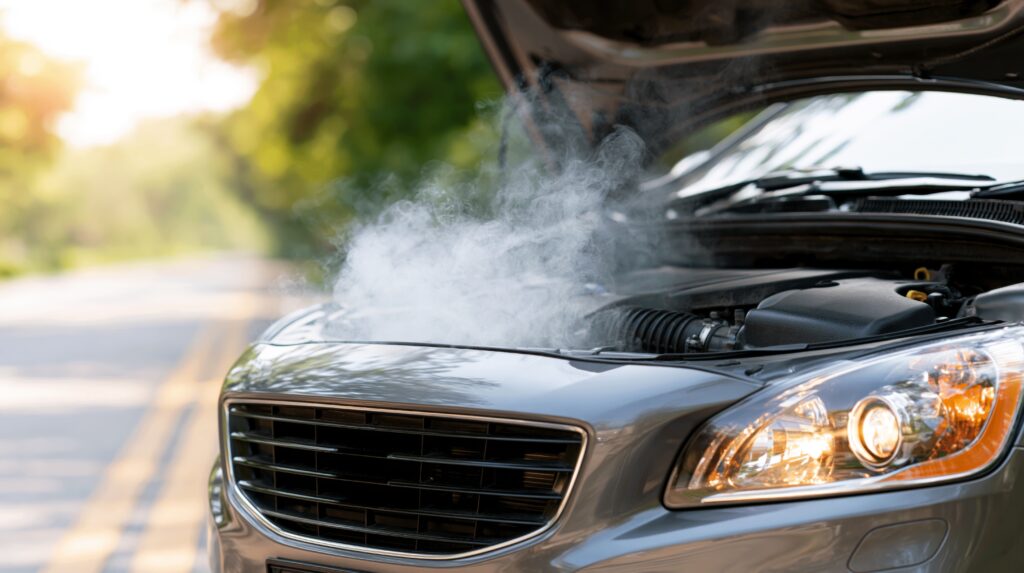
    A hiss may indicate air, vacuum, coolant, or another pressurized substance escaping. If the sound occurs after the engine has warmed up and is accompanied by steam, a sweet odor, or a rising temperature gauge, the cooling system may be leaking. Do not open a hot radiator or coolant reservoir; pressurized coolant can cause serious burns.

    A vacuum leak may cause hissing along with a rough idle, hesitation, reduced performance, or a check-engine light. Air-conditioning refrigerant or other systems can also create hissing sounds, which is why the location and timing of the noise are important.

    If the temperature gauge rises into the hot range, safely pull over, turn off the engine, and arrange assistance. Driving an overheating vehicle can warp or damage major engine components.

    🧱 Clunking Over Bumps or During Acceleration

    A clunk from beneath the vehicle can originate from worn suspension bushings, ball joints, control arms, sway-bar links, strut mounts, motor mounts, transmission mounts, or loose exhaust components. The precise cause depends on whether the noise occurs over bumps, while steering, when shifting between drive and reverse, or during acceleration and braking.

    Because some suspension and steering parts are directly related to control of the vehicle, clunking should be evaluated soon. Other warning signs include uneven tire wear, looseness in the steering, excessive bouncing, pulling, or a change in ride height.

    Avoid assuming every clunk is β€œjust an old-car sound.” A visual and physical inspection can reveal looseness or damage that may not be apparent from the driver’s seat.

    πŸš™ Rattling Beneath the Vehicle

    A rattle under the car may be caused by a loose heat shield, exhaust bracket, catalytic-converter component, or another piece of hardware. Some rattles are most noticeable at idle, during startup, or within a narrow engine-speed range. Although a loose shield may seem minor, it can worsen or allow a hot exhaust component to move where it should not.

    An exhaust leak can produce ticking, tapping, or roaring and may allow harmful gases to enter the passenger area. If you smell exhaust inside the car, open the windows, stop driving as soon as safely possible, and have the vehicle inspected. Carbon monoxide cannot be seen or smelled, so any suspected exhaust system problem deserves prompt professional attention.

    βš™οΈ Whining During Acceleration or Steering

    A whine that changes with engine speed or vehicle speed can come from a transmission, differential, alternator, pump, or bearing. On vehicles with hydraulic power steering, a low fluid level or failing pump can create a pronounced whine while turning. Low fluid often means there is a leak that needs to be located, not merely topped off.

    Transmission-related whining may occur in a particular gear or when shifting. It may be accompanied by slipping, delayed engagement, harsh shifts, or a fluid leak. Because driveline repairs can become costly, early diagnosis is especially valuable.

    Fluid type, level-checking procedures, and service requirements vary by vehicle. Follow the manufacturer’s instructions and avoid adding an unverified product that may be incompatible with the system.

    🚨 When Should You Stop Driving Immediately?

    Not every noise means an immediate emergency, but some combinations of symptoms call for stopping as soon as it is safe. Do not continue driving if the sound occurs with:

    • Loss of braking ability or a major change in brake-pedal feel
    • An oil-pressure, overheating, or other critical warning light
    • Smoke, steam, a burning odor, or a strong fuel smell
    • Sudden steering difficulty or severe vibration
    • A tire that appears damaged, low, or unstable
    • Loud internal engine knocking
    • Fluid pouring from the vehicle
    • Exhaust fumes entering the passenger compartment

    Move away from traffic if possible, switch on the hazard lights, and arrange towing or roadside assistance. Protecting the engine is important, but personal safety comes first. If you are uncertain whether the car is safe to drive, the cautious choice is to stop and seek professional guidance.

    πŸ“ What to Tell Your Auto Repair Technician

    Clear observations can shorten the diagnostic process. Before your appointment, note:

    • What the sound resembles: squeal, grind, knock, hum, hiss, click, or clunk
    • Where it seems to originate: front, rear, under the hood, or beneath the cabin
    • Whether it occurs during startup, braking, turning, accelerating, shifting, or idling
    • Whether it changes with engine speed or road speed
    • Whether the engine is cold or fully warmed up
    • Any warning lights, odors, leaks, vibration, or performance changes

    A short phone recording may help document an intermittent noise, but never hold a phone or place yourself near moving traffic or moving engine components to capture it. The technician will still need to reproduce and inspect the symptom safely.

    πŸ”§ Why Professional Diagnosis Matters

    Many vehicle sounds overlap. A hum that seems like a wheel bearing may actually come from a tire. A belt squeal may be caused by a failing tensioner. A clunk blamed on a strut may originate from a mount or control-arm bushing. Replacing the most obvious part without testing can waste money and leave the real problem unresolved.

    At 10 Degrees Automotive, the goal of diagnosis is to connect the sound with its operating conditions, inspect the relevant systems, and recommend repairs based on evidence. Modern vehicles combine mechanical, hydraulic, electrical, and computer-controlled components, so an accurate evaluation may involve a road test, visual inspection, lift inspection, scan data, pressure testing, or other targeted procedures.

    πŸ“ž Schedule Auto Noise Diagnosis in Corona

    Your car should not have to become undrivable before it receives attention. Strange sounds are valuable warnings, and acting early may help you avoid a breakdown, protect related components, and make a better-informed repair decision.

    If you hear grinding brakes, engine knocking, suspension clunks, bearing hum, belt squeal, exhaust rattles, or another unfamiliar noise, contact 10 Degrees Automotive in Corona. Call 951.414.9423 to schedule an inspection and let an experienced technician determine what your vehicle is trying to tell you.

  • πŸš— Preventive Car Maintenance: The Key to Avoiding Expensive Repairs

    By 10 Degrees Automotive | Corona | 951.414.9423

    Preventive Car Maintenance: The Key to Avoiding Expensive Repairs

    Most major automotive problems do not appear without warning. Long before an engine overheats, a transmission struggles, or a vehicle refuses to start, there are often small signs that maintenance is overdue. The challenge is that these early warnings can be easy to overlookβ€”especially when your car still seems to run normally.

    That is why preventive car maintenance is one of the smartest investments a vehicle owner can make. Routine inspections and timely service help uncover minor concerns before they develop into major failures. They can also improve reliability, protect performance, support fuel efficiency, and help extend the useful life of your vehicle.

    At 10 Degrees Automotive in Corona, we help drivers take a proactive approach to vehicle care. Whether you need an oil change, fluid inspection, brake service, tire check, or a more complete maintenance evaluation, call 951.414.9423 to schedule an appointment.

    πŸ”§ What Is Preventive Car Maintenance?

    Preventive maintenance is the routine care performed to keep a vehicle operating safely and efficiently. Instead of waiting for something to break, technicians inspect, test, replace, and service components according to the vehicle manufacturer’s recommendations and the car’s actual condition.

    A good vehicle maintenance plan may include:

    • Engine oil and filter changes
    • Fluid-level and fluid-condition checks
    • Brake inspections
    • Tire-pressure and tread checks
    • Battery and charging-system tests
    • Belt and hose inspections
    • Air-filter and cabin-filter replacement
    • Cooling-system service
    • Spark plug replacement
    • Wheel alignment and suspension checks

    The correct schedule depends on the vehicle’s year, make, model, mileage, engine, service history, and driving conditions. Your owner’s manual is the starting point, but a professional inspection can reveal whether a component needs attention sooner.

    πŸ’° Small Services Can Help Prevent Large Repair Bills

    It is tempting to postpone maintenance when a vehicle appears to be working correctly. However, many systems depend on inexpensive fluids, filters, seals, and wearable components. When one of those items is neglected, it may place additional stress on much more costly parts.

    For example, old or insufficient engine oil may not lubricate and cool internal components effectively. A worn belt can fail and leave the vehicle disabled. Low coolant or a cooling-system leak may lead to overheating. Brake pads that wear too far can damage rotors and other braking components.

    Routine automotive maintenance cannot prevent every unexpected repair, but it can substantially reduce avoidable damage. Finding a small leak, weak battery, worn hose, or thinning brake pad early gives you more options. You may be able to schedule the work at a convenient time instead of dealing with a breakdown, tow, and urgent repair.

    πŸ›’οΈ Keep Up With Oil and Filter Changes

    Engine oil lubricates moving parts, helps manage heat, suspends contaminants, and reduces internal friction. Over time, oil becomes contaminated and its protective qualities decline. The filter also collects debris and eventually becomes less effective.

    Following the recommended oil change interval is fundamental to engine care. The proper interval varies by vehicle and oil specification, so avoid relying on a universal mileage rule. Short trips, frequent idling, stop-and-go traffic, heavy loads, towing, and high temperatures may also affect the appropriate service schedule.

    During an oil service, it is also useful to look for leaks, unusual oil consumption, and changes in oil condition. Addressing these concerns early may help protect the engine from accelerated wear. If you are unsure when your vehicle is due, contact 10 Degrees Automotive at 951.414.9423.

    🌑️ Protect the Cooling System From Overheating

    Corona drivers know how demanding hot weather can be on a vehicle. The cooling system must regulate engine temperature even during summer heat, traffic, and extended driving. Coolant, the radiator, water pump, thermostat, hoses, reservoir, and cooling fans all play important roles.

    A small coolant leak can gradually lower the system level until the engine begins running too hot. A weak hose may burst, and contaminated or deteriorated coolant may not provide the protection the system needs.

    Warning signs of a possible cooling system problem include:

    • A rising temperature gauge
    • Coolant beneath the vehicle
    • A sweet odor near the engine
    • Steam from under the hood
    • Frequent need to add coolant
    • A dashboard temperature warning

    Never continue driving an overheating vehicle if it can be stopped safely. Severe overheating can cause extensive engine damage. A preventive cooling-system inspection can identify leaks and deteriorated components before the vehicle reaches that point.

    πŸ›‘ Do Not Wait for Brake Problems to Become Emergencies

    Brake components wear gradually, which means a driver can become accustomed to changes in braking feel. Routine brake inspections help measure wear and identify problems before stopping performance is compromised or related components are damaged.

    Possible warning signs include squealing, grinding, vibration, pulling, a soft brake pedal, longer stopping distances, or an illuminated brake warning light. Some noises can have several causes, so an inspection is the safest way to determine what is happening.

    Replacing worn brake pads at the appropriate time can help protect the rotors. Checking brake fluid and inspecting hydraulic components may also reveal contamination or leaks. Because brakes are essential to vehicle safety, unusual symptoms deserve prompt professional attention.

    πŸ”‹ Test the Battery Before It Leaves You Stranded

    Automotive batteries have a limited service life, and heat can accelerate internal deterioration. A battery may continue starting the vehicle until its remaining capacity becomes too lowβ€”sometimes with little notice.

    A car battery test can evaluate battery condition and help determine whether the charging system is operating properly. Slow cranking, dim lights, electrical irregularities, corrosion, or repeated jump-starts are reasons to schedule an inspection. The issue may involve the battery, alternator, starter, cables, or another electrical component.

    Testing these systems proactively is usually far more convenient than discovering a no-start condition before work, school, or an important appointment.

    πŸ›ž Tires Affect Safety, Comfort, and Efficiency

    Your tires are the vehicle’s connection to the road. Proper inflation, adequate tread, rotation, balancing, and wheel alignment all influence handling and tire life.

    Underinflated tires may run hotter and wear unevenly. Overinflation can reduce the contact patch and contribute to irregular wear. Misalignment may cause pulling, an off-center steering wheel, or rapid wear along one edge of a tire.

    Check tire pressure when the tires are cold and follow the specification on the vehicle’s tire-information labelβ€”not the maximum pressure molded into the tire sidewall. Periodic tire maintenance can help improve predictable handling and identify damage before it becomes a roadside problem.

    πŸ’§ Fluids Are the Lifeblood of Your Vehicle

    Modern vehicles rely on several fluids to lubricate, cool, clean, transmit pressure, and protect components. Depending on the vehicle, these may include engine oil, coolant, brake fluid, transmission fluid, power-steering fluid, differential fluid, transfer-case fluid, and windshield-washer fluid.

    Fluid level is only part of the story. Condition, contamination, odor, and the presence of leaks also matter. A fluid that looks acceptable to an untrained eye may still be overdue based on time, mileage, or manufacturer requirements.

    Routine fluid inspections allow technicians to look for seepage, damaged seals, worn hoses, and changes that may point to a developing problem. Always use fluids that meet the specifications for your particular vehicle.

    🚨 Pay Attention to Dashboard Warning Lights

    Warning lights are part of the vehicle’s early-alert system. A check-engine light, battery light, oil-pressure warning, brake warning, temperature warning, or tire-pressure light should not be ignored.

    Some lights indicate a maintenance reminder, while others signal a problem that could become serious. A flashing check-engine light, oil-pressure warning, or overheating warning may require immediate action. Continuing to drive without understanding the warning could increase damage or create a safety risk.

    Professional vehicle diagnostics can retrieve fault information and guide further testing. A trouble code identifies the system where a fault was detected; it does not always identify the failed part by itself. Proper diagnosis helps avoid replacing components based on guesswork.

    πŸ“… Build a Maintenance Schedule That Fits Your Vehicle

    The best maintenance plan is specific, consistent, and documented. Begin with the manufacturer’s schedule, then account for how you actually use the vehicle. Severe-service conditions may include repeated short trips, extensive idling, dusty environments, frequent stop-and-go driving, towing, or operating in extreme heat.

    Keep records of services, inspection results, mileage, and recommended follow-up work. These records make it easier to plan expenses, prevent duplicate work, and demonstrate that the vehicle has been cared for if you decide to sell it.

    A practical schedule should cover:

    1. Items due by mileage or time
    2. Wear items that require periodic inspection
    3. Repairs that should be handled soon
    4. Longer-term services you can budget for

    If your vehicle’s history is incomplete, a comprehensive inspection can establish a baseline. From there, you can prioritize safety and reliability without trying to perform every possible service at once.

    βœ… The Benefits Go Beyond Avoiding Repairs

    Preventive maintenance is often discussed as a way to save money, but the benefits are broader. A well-maintained vehicle may deliver more dependable starting, smoother operation, consistent braking, more predictable handling, and better comfort. It can also reduce the likelihood of missing work or disrupting family plans because of an avoidable breakdown.

    Maintenance provides information, too. Knowing the present condition of your brakes, tires, fluids, battery, and belts helps you make informed decisions. Instead of being surprised by several problems at once, you can plan and prioritize repairs based on safety, urgency, and budget.

    πŸ“ž Schedule Preventive Car Maintenance in Corona

    Waiting for a dashboard warning, unusual noise, fluid leak, or breakdown can turn a manageable service into a much larger repair. A proactive inspection helps you understand what your vehicle needs now, what can wait, and what should be monitored.

    Trust 10 Degrees Automotive in Corona for attentive, professional preventive car maintenance. Our team can evaluate your vehicle, explain any findings, and help you develop a service plan based on its condition and manufacturer recommendations.

    Call 951.414.9423 today to schedule your next maintenance appointment. Whether your vehicle is due for routine service or you simply want greater confidence before your next trip, 10 Degrees Automotive is ready to help keep you moving.

  • πŸ›‘οΈ How Routine Brake Inspections Protect You and Your Passengers

    By 10 Degrees Automotive | Corona | 951.414.9423

    How Routine Brake Inspections Protect You and Your Passengers

    Your vehicle’s braking system works every time you slow for traffic, stop at an intersection, navigate a parking lot, or respond to an unexpected hazard. Because the components wear gradually, a developing brake problem may not be obvious during everyday driving.

    A vehicle can still stop while its brake pads are becoming thin, a caliper is beginning to stick, or a hose is starting to deteriorate. By the time grinding, pulling, smoke, or a soft pedal appears, the problem may have already affected additional components.

    Routine brake inspections help identify wear and damage before braking performance becomes unpredictable. They protect you and your passengers by supporting reliable stopping, balanced braking, proper hydraulic pressure, and the operation of safety systems such as anti-lock brakes.

    To schedule a professional brake inspection, call 10 Degrees Automotive in Corona at 951.414.9423.

    πŸ›‘ Why Your Brakes Need Regular Attention

    Braking creates friction and heat. Each stop removes a small amount of friction material from the brake pads or shoes. Rotors and drums also wear, while seals, hoses, fluid, calipers, and hardware age over time.

    The rate of wear depends on:

    • Vehicle weight
    • Driving habits
    • Traffic conditions
    • Brake-component materials
    • Hills and mountain driving
    • Towing or heavy loads
    • Road conditions
    • Vehicle design
    • Maintenance history
    • Mechanical condition

    There is no single brake-service interval that applies to every vehicle. Routine inspections allow maintenance decisions to be based on actual measurements and component condition.

    πŸ“ Brake Inspections Identify Thin Pads Early

    Brake pads are designed to wear and eventually require replacement. However, they should be replaced before the friction material disappears completely.

    If a pad wears down to its metal backing plate, it can grind against the rotor. This may:

    • Reduce braking effectiveness
    • Increase stopping distance
    • Create excessive heat
    • Damage the rotor
    • Damage the caliper
    • Produce loud grinding
    • Increase repair costs

    During a professional brake inspection, a technician measures the remaining pad material and compares the inner and outer pads on both sides.

    Catching thin pads early may allow them to be serviced before they damage the rotors or affect stopping performance.

    πŸ’Ώ Rotor Inspections Help Prevent Vibration

    Brake rotors provide the surfaces against which the pads apply pressure. They must remain within manufacturer specifications and maintain a suitable friction surface.

    A technician may examine the rotors for:

    • Scoring
    • Cracks
    • Corrosion
    • Heat spots
    • Glazing
    • Thickness variation
    • Excessive runout
    • Uneven pad deposits
    • Minimum thickness

    Rotor problems may cause pedal pulsation, steering-wheel vibration, noise, or rough braking. They can also prevent new pads from establishing proper contact.

    Routine measurements help determine whether a rotor remains serviceable, can be resurfaced when appropriate, or requires replacement.

    πŸ”§ Caliper Problems Can Be Found Before They Overheat

    The brake caliper presses the pads against the rotor when you apply the pedal. It must then release enough to allow the wheel to turn without excessive drag.

    A sticking caliper piston or seized slide pin can cause one pad to remain in contact with the rotor.

    Possible results include:

    • Uneven pad wear
    • Pulling to one side
    • Excessive heat
    • A burning odor
    • Smoke
    • Reduced fuel economy
    • Rotor damage
    • Premature brake failure

    A driver may not notice the problem immediately. An inspection can reveal uneven wear, restricted movement, torn boots, corrosion, or heat damage before the brake begins smoking or grinding.

    πŸ’§ Hydraulic Inspections Help Protect Pedal Response

    Your brake pedal relies on hydraulic pressure to operate the brakes. The system includes the master cylinder, fluid reservoir, metal lines, flexible hoses, calipers, wheel cylinders, and anti-lock brake components.

    A hydraulic inspection may identify:

    • Low brake fluid
    • Fluid contamination
    • Cracked hoses
    • Corroded lines
    • Wet calipers
    • Leaking wheel cylinders
    • Damaged fittings
    • Master-cylinder concerns
    • Air entering the system

    A small hydraulic leak can grow and reduce pressure. Warning signs may include a soft pedal, a sinking pedal, increased stopping distance, or a red brake-system warning.

    A suspected brake-fluid leak requires immediate attention. If the pedal feels abnormal or the vehicle does not stop normally, do not continue driving.

    🌑️ Brake Fluid Changes With Time and Heat

    Brake fluid is exposed to temperature changes and may absorb moisture over time. Moisture can reduce the fluid’s boiling point and contribute to corrosion inside hydraulic components.

    Under repeated or heavy braking, overheated fluid may produce reduced braking response. This risk can be particularly relevant during:

    • Mountain driving
    • Towing
    • Heavy vehicle loading
    • Frequent hard stops
    • Extended downhill travel
    • Performance driving

    Brake-fluid service requirements vary by vehicle. Some manufacturers specify time or mileage intervals, while others recommend testing or inspection.

    A technician can check the fluid’s level, appearance, maintenance history, and condition, then compare the findings with the manufacturer’s recommendations.

    πŸ”© Brake Hardware Affects More Than Noise

    Brake pads rely on clips, shims, springs, pins, and other hardware to remain properly positioned and move as designed.

    Worn, damaged, missing, or corroded hardware may cause:

    • Squeaking
    • Clicking
    • Uneven pad wear
    • Brake drag
    • Excessive movement
    • Reduced component life

    Replacing pads without inspecting the hardware can allow a preventable problem to continue.

    Routine brake inspections look beyond the visible pad surface and evaluate the small components that help the system operate smoothly.

    πŸŒ€ ABS and Stability Systems Depend on Brake Components

    The anti-lock braking system helps prevent wheel lockup during hard braking. Electronic stability and traction-control systems may also apply individual brakes to help maintain vehicle control.

    These systems rely on components such as:

    • Wheel-speed sensors
    • Sensor wiring
    • Tone rings
    • Hydraulic valves
    • Electronic modules
    • Properly functioning foundation brakes

    An illuminated ABS warning may indicate that anti-lock operation is unavailable. The vehicle may retain conventional braking, but important safety assistance could be reduced.

    Routine inspections can identify damaged wiring, contaminated sensors, cracked tone rings, or stored faults that require diagnosis.

    ↔️ Balanced Braking Helps Keep the Vehicle Straight

    The left and right brakes on an axle should apply with reasonably balanced force. If one side is contaminated, worn, sticking, or hydraulically restricted, the vehicle may pull during braking.

    Brake pull can become dangerous during an emergency stop because the vehicle may move away from its intended path.

    An inspection may reveal:

    • Uneven pad wear
    • A sticking caliper
    • A restricted hose
    • Contaminated friction material
    • Rotor damage
    • Tire problems
    • Steering or suspension wear

    Because alignment and tire concerns can create similar symptoms, a complete evaluation may extend beyond the brake system.

    πŸš— Routine Inspections Support Predictable Stopping Distance

    Stopping distance is affected by speed, tire traction, road conditions, vehicle load, driver response, and brake condition.

    Brake inspections cannot control every factor, but they help ensure that the mechanical braking system is prepared to respond as designed.

    The inspection may uncover components that reduce braking effectiveness, such as:

    • Thin pads
    • Glazed friction material
    • Contaminated surfaces
    • Damaged rotors
    • Hydraulic leaks
    • Sticking calipers
    • Poorly adjusted rear brakes
    • Deteriorated hoses

    Predictable brake response matters most when you need to stop suddenly to avoid another vehicle, pedestrian, animal, or road hazard.

    πŸ‘¨β€πŸ‘©β€πŸ‘§β€πŸ‘¦ Passenger Safety Depends on Preventive Care

    When you maintain your brakes, you are not only protecting the vehicle. You are protecting every person who rides in it.

    Reliable braking is especially important when transporting:

    • Children
    • Older family members
    • Customers
    • Coworkers
    • Carpool passengers
    • Pets
    • Heavy cargo
    • Trailers

    A sudden brake failure or unstable stop can affect everyone in and around the vehicle.

    Routine inspections provide valuable information about current condition and upcoming service needs, helping you address problems before your passengers are placed at risk.

    πŸ‘‚ Brake Problems Do Not Always Make Noise

    Drivers often wait for squealing or grinding before scheduling brake service. However, not every brake problem creates an obvious sound.

    A caliper may begin sticking without grinding. Brake fluid may absorb moisture without changing pedal feel. A hose may deteriorate internally while appearing normal on the outside. An inner brake pad may wear faster than the outer pad and remain difficult to see.

    That is why the absence of noise does not guarantee that the entire braking system is in good condition.

    Measurements and hands-on inspection provide information that cannot always be obtained from the driver’s seat.

    ⚠️ Warning Signs That Should Not Wait for an Inspection Interval

    Routine inspections are preventive, but certain symptoms require immediate attention.

    Schedule service promptly if you notice:

    • Squeaking or squealing
    • Grinding or scraping
    • Pulling while braking
    • Steering-wheel vibration
    • Brake-pedal pulsation
    • A soft or sinking pedal
    • Increased stopping distance
    • A brake or ABS warning
    • Brake fluid beneath the vehicle
    • A burning smell
    • Smoke near a wheel

    Stop driving if braking ability is significantly reduced, the pedal sinks, fluid is leaking, or smoke appears.

    Call 10 Degrees Automotive at 951.414.9423 if you need help determining the safest next step.

    πŸ“… When Should You Schedule a Brake Inspection?

    The appropriate frequency depends on the vehicle, driving conditions, manufacturer recommendations, and previous inspection results.

    A brake inspection is particularly valuable:

    • During tire rotation
    • Before a long road trip
    • When purchasing a used vehicle
    • Before towing or carrying heavy loads
    • After a brake warning appears
    • When you hear a new noise
    • When the pedal feels different
    • After driving through severe conditions
    • When maintenance history is unknown
    • At the interval recommended by the manufacturer

    Drivers who frequently encounter stop-and-go traffic may need more frequent attention because repeated braking accelerates wear.

    🧰 What Does a Complete Brake Inspection Include?

    The exact procedure varies by vehicle, but a thorough inspection may include:

    • Measuring front and rear pad thickness
    • Inspecting brake shoes when equipped
    • Measuring rotor thickness
    • Examining drums when equipped
    • Checking caliper movement
    • Inspecting brake hardware
    • Looking for fluid leaks
    • Examining hoses and metal lines
    • Checking brake-fluid level and condition
    • Testing the parking brake
    • Checking dashboard warnings
    • Inspecting ABS-related components
    • Performing a controlled road test when appropriate

    The technician should explain what is safe now, what requires immediate service, and what can be monitored for a future visit.

    πŸ’° Inspections Can Help Prevent Larger Repair Bills

    Routine brake inspections do not only improve safety. They may also reduce long-term repair costs.

    Replacing pads before they grind may help preserve the rotors. Correcting a sticking caliper early may prevent heat damage. Repairing a small fluid seep can help avoid hydraulic failure. Replacing damaged hardware may protect new pads from uneven wear.

    Preventive brake care may help protect:

    • Brake pads
    • Rotors
    • Calipers
    • Wheel bearings
    • Brake hoses
    • Hydraulic components
    • Tires
    • Nearby rubber parts

    The cost of an inspection or timely service is generally easier to manage than an emergency repair involving several damaged components.

    πŸ“ Brake Inspections Help You Plan Ahead

    A useful inspection does not always result in immediate repair. It may show that the brakes are currently serviceable but approaching the point at which maintenance should be planned.

    Knowing the approximate condition of the pads and rotors can help you:

    • Budget for future service
    • Schedule repairs conveniently
    • Avoid surprise grinding
    • Prepare for a road trip
    • Track uneven wear
    • Decide when to reinspect

    Maintenance records also give future technicians useful information about how quickly the components are wearing.

    πŸ” Why Professional Measurement Matters

    It can be difficult to judge brake condition by looking through the wheel. The outer pad may appear acceptable while the inner pad is nearly worn out. A rotor may look smooth but be below its minimum thickness.

    Professional inspection includes measurements and evaluation of hidden components.

    The goal is not simply to find a worn part. It is to determine:

    • How much service life remains
    • Whether wear is even
    • Why abnormal wear occurred
    • Whether another component is responsible
    • Which repairs are currently necessary
    • Which concerns can be monitored

    Accurate information allows you to make informed decisions about your vehicle.

    πŸ”§ Schedule a Brake Inspection in Corona

    Routine brake inspections protect you and your passengers by identifying worn pads, damaged rotors, sticking calipers, hydraulic leaks, deteriorated hoses, and electronic-system faults before they compromise braking performance.

    Your brakes should respond smoothly, consistently, and predictably. Do not wait for grinding or a dangerous change in pedal response before giving them attention.

    For a professional brake inspection in Corona, contact 10 Degrees Automotive.

    Call 951.414.9423 today to schedule your appointment. Let 10 Degrees Automotive help keep your vehicleβ€”and everyone riding in itβ€”safer on the road.

  • ⚑ How Long Does a Tesla Battery Really Last?

    By 10 Degrees Automotive | Corona | 951.414.9423

    How Long Does a Tesla Battery Really Last?

    One of the most common questions Tesla owners and potential EV buyers ask is: How long does a Tesla battery really last?

    Because the battery is the heart of every electric vehicle, understanding battery lifespan is important for long-term ownership, maintenance planning, and overall confidence in EV technology.

    The good news is that Tesla batteries are designed to last for many years and hundreds of thousands of miles when properly maintained. However, battery lifespan can still be influenced by driving habits, climate, charging routines, and maintenance practices.

    At 10 Degrees Automotive, we help Tesla owners throughout Corona protect battery performance with professional EV diagnostics and maintenance services designed specifically for Tesla vehicles.

    πŸ“ž Call 951.414.9423 today to schedule Tesla battery diagnostics in Corona.


    πŸ”‹ What Determines Tesla Battery Lifespan?

    Tesla vehicles use advanced lithium-ion battery technology designed for durability and long-term performance.

    Battery lifespan depends on several factors, including:

    • Charging habits
    • Climate conditions
    • Driving style
    • Mileage
    • Battery cooling performance
    • Maintenance practices

    While some battery degradation is normal over time, most Tesla batteries continue operating effectively for many years.


    πŸš— How Long Do Tesla Batteries Typically Last?

    Tesla batteries are engineered to handle extensive mileage and daily driving demands.

    Many Tesla batteries are expected to last:

    • 300,000 to 500,000 miles or more under normal conditions

    Battery lifespan varies depending on:

    • Vehicle model
    • Driving conditions
    • Charging frequency
    • Environmental temperatures

    Even after years of use, most Tesla batteries still retain a large percentage of their original capacity.


    ⚑ Understanding Battery Degradation

    All lithium-ion batteries gradually lose some capacity over time. This process is called battery degradation.

    Battery degradation may lead to:

    • Slightly reduced driving range
    • Minor charging performance changes
    • Gradual efficiency loss

    However, degradation usually happens slowly and becomes less noticeable after the first few years of ownership.

    Typical Tesla Battery Degradation

    Many Tesla owners experience:

    • Faster capacity reduction early in ownership
    • Slower degradation over long-term use

    Most Tesla batteries continue performing reliably well beyond 100,000 miles.


    πŸ”‹ Factors That Affect Tesla Battery Life

    Several driving and environmental factors influence long-term battery health.


    ⚑ Frequent Supercharging

    Tesla Superchargers are convenient for fast charging, but frequent high-speed charging may place additional stress on the battery over time.

    Occasional Supercharging is normal, but relying on it constantly may contribute to:

    • Increased heat buildup
    • Additional battery strain
    • Long-term degradation acceleration

    Home charging is generally considered healthier for long-term battery maintenance.


    ❄️ Extreme Temperatures

    Climate plays a major role in Tesla battery performance and longevity.

    Cold Weather

    Cold temperatures may temporarily reduce:

    • Driving range
    • Charging speed
    • Battery efficiency

    Hot Weather

    Excessive heat may increase:

    • Cooling system demand
    • Battery stress
    • Energy consumption

    Tesla thermal management systems help regulate temperature, but climate conditions still affect long-term battery performance.


    πŸš— Aggressive Driving Habits

    Frequent rapid acceleration and high-speed driving increase energy demand and battery stress.

    Smooth driving habits help:

    • Improve efficiency
    • Reduce heat generation
    • Minimize long-term battery wear

    πŸ”‹ Charging Habits

    Daily charging routines significantly impact battery health.

    Tesla owners can help protect battery lifespan by:

    • Avoiding unnecessary 100% charging
    • Keeping charge levels moderate for daily driving
    • Using scheduled charging features
    • Avoiding extremely low battery levels regularly

    Balanced charging habits help reduce battery stress over time.


    πŸ› οΈ Tesla Battery Cooling Systems Matter

    Tesla vehicles use advanced cooling systems to regulate battery temperature and maintain efficiency.

    Battery cooling systems help:

    • Prevent overheating
    • Improve charging performance
    • Protect battery longevity
    • Maintain consistent operation

    Routine inspections help identify:

    • Coolant leaks
    • Cooling inefficiencies
    • Thermal management issues
    • Electrical cooling concerns

    Proper cooling system maintenance plays a major role in long-term battery reliability.


    ⚠️ Signs Your Tesla Battery May Need Inspection

    Tesla batteries are designed for long life, but warning signs should never be ignored.

    Possible symptoms include:

    • Sudden range loss
    • Reduced charging speed
    • Battery warning lights
    • Overheating alerts
    • Unexpected shutdowns
    • Charging interruptions

    If you notice these issues, professional diagnostics are recommended.


    🌎 Can Tesla Batteries Be Repaired or Replaced?

    Tesla battery systems are highly advanced and often repairable depending on the issue.

    Possible solutions may include:

    • Cooling system repairs
    • Charging system diagnostics
    • Electrical system repairs
    • Battery module servicing
    • Battery replacement (in severe cases)

    Professional diagnostics help determine the most effective repair approach.


    πŸš— How to Extend Tesla Battery Life

    Tesla owners can maximize battery lifespan with proper maintenance and driving habits.

    βœ… Best Practices for Battery Longevity

    • Avoid excessive Supercharging
    • Use moderate daily charging levels
    • Reduce aggressive acceleration
    • Keep software updated
    • Schedule routine inspections
    • Maintain cooling systems
    • Protect the vehicle from extreme heat when possible

    Preventive maintenance helps maximize both battery performance and overall vehicle reliability.


    πŸ”§ Tesla Battery Diagnostics at 10 Degrees Automotive

    At 10 Degrees Automotive, we provide professional Tesla diagnostics and EV maintenance services including:

    • Battery diagnostics
    • Cooling system inspections
    • Charging system evaluations
    • Electrical diagnostics
    • HVAC inspections
    • Preventive maintenance services

    Our experienced EV technicians understand Tesla battery systems and provide expert care tailored specifically for electric vehicles.


    πŸ”Œ Tesla Models We Service

    We proudly provide Tesla diagnostics and maintenance for:

    • Tesla Model 3
    • Tesla Model Y
    • Tesla Model S
    • Tesla Model X

    Whether your Tesla needs battery diagnostics, charging evaluations, or preventive maintenance, our team is ready to help.


    πŸ“ Trusted Tesla Battery Service in Corona

    If you’ve been wondering how long a Tesla battery really lasts, the answer is simple: with proper care and maintenance, Tesla batteries are designed to provide reliable performance for many years and hundreds of thousands of miles.

    At 10 Degrees Automotive, we help Tesla owners throughout Corona protect battery health with professional EV diagnostics and expert maintenance services.

    πŸ“ž Call 951.414.9423 today to schedule Tesla battery diagnostics in Corona.


    πŸ“ž Schedule Tesla Battery Diagnostics Today

    Your Tesla deserves expert care from technicians who understand electric vehicle battery systems. Routine inspections help protect efficiency, maximize range, and maintain long-term reliability.

    Trust 10 Degrees Automotive for dependable Tesla battery diagnostics and EV maintenance in Corona.

    πŸ“ž Call 951.414.9423 today to book your appointment.

  • ⚑ Cabin Air Filter Replacement for Tesla Vehicles

    By 10 Degrees Automotive | Corona | 951.414.9423

    Cabin Air Filter Replacement for Tesla Vehicles

    Tesla vehicles are known for advanced technology, smooth performance, and modern interior comfort. One often-overlooked component that plays a major role in cabin comfort and air quality is the cabin air filter.

    Over time, Tesla cabin air filters collect dust, pollen, debris, allergens, and moisture. When filters become clogged or dirty, airflow decreases and unpleasant odors can develop inside the vehicle.

    Routine cabin air filter replacement for Tesla vehicles helps maintain clean air, strong HVAC performance, and a more comfortable driving experience.

    At 10 Degrees Automotive, we provide professional Tesla cabin air filter replacement and HVAC service in Corona designed specifically for Tesla models and EV climate systems.

    πŸ“ž Call 951.414.9423 today to schedule Tesla HVAC service in Corona.


    πŸ”‹ What Does a Tesla Cabin Air Filter Do?

    Your Tesla cabin air filter helps clean the air entering the interior of the vehicle.

    The filter captures:

    • Dust
    • Dirt
    • Pollen
    • Road debris
    • Allergens
    • Airborne particles

    Tesla HVAC systems rely on clean filters to maintain:

    • Proper airflow
    • Interior air quality
    • Defrost performance
    • Climate control efficiency

    A clean cabin air filter helps improve overall comfort while protecting HVAC system performance.


    πŸš— Why Tesla Cabin Air Filters Need Replacement

    Over time, cabin air filters naturally become clogged with contaminants.

    Tesla vehicles may experience additional moisture buildup within HVAC systems, especially in humid or changing weather conditions. This can contribute to:

    • Musty odors
    • Mold growth
    • Reduced airflow
    • Interior humidity issues

    Ignoring cabin air filter maintenance can make HVAC systems work harder and reduce overall comfort inside the vehicle.


    ⚠️ Signs Your Tesla Cabin Air Filter Needs Replacement

    Tesla owners should watch for several common warning signs.


    ❄️ Weak Airflow From Vents

    If airflow suddenly feels weaker than normal, dirty cabin filters may be restricting ventilation.

    Reduced airflow can make:

    • Heating less effective
    • Air conditioning weaker
    • Defrosting slower

    Replacing the filter helps restore proper airflow throughout the cabin.


    🧼 Musty or Moldy Odors

    One of the most common Tesla HVAC complaints is a musty smell coming from the vents.

    This often occurs when:

    • Moisture builds up inside the HVAC system
    • Filters trap excess debris
    • Mold or mildew begins forming

    Professional HVAC cleaning and filter replacement help eliminate unpleasant odors.


    🌎 Increased Allergy Symptoms

    Dirty cabin air filters may allow allergens and airborne particles to circulate inside the vehicle.

    You may notice:

    • Sneezing
    • Congestion
    • Eye irritation
    • Allergy flare-ups while driving

    Replacing cabin filters improves interior air quality and comfort.


    πŸš— Foggy Windows

    Restricted airflow can affect window defrosting and humidity control.

    If windows fog up more frequently, clogged filters may be limiting HVAC performance.


    πŸ”§ How Often Should Tesla Cabin Air Filters Be Replaced?

    Tesla generally recommends cabin air filter replacement approximately every:

    • 2 years for most models

    However, replacement frequency may vary depending on:

    • Driving conditions
    • Air quality
    • Climate
    • Mileage
    • Dust exposure

    Drivers in areas with:

    • Heavy traffic
    • Construction dust
    • Wildfire smoke
    • High pollen levels

    …may require more frequent filter replacement.


    πŸ› οΈ Tesla HVAC System Maintenance

    Cabin air filter replacement is only one part of Tesla HVAC maintenance.

    Routine HVAC inspections may also include:

    • Evaporator cleaning
    • Ventilation inspections
    • Refrigerant checks
    • Heat pump diagnostics
    • Odor treatment
    • Airflow testing

    Preventive HVAC maintenance helps maintain comfort while reducing long-term repair costs.


    ⚑ Why Tesla HVAC Systems Are Different

    Tesla climate systems are highly advanced and closely integrated with battery efficiency and energy management.

    The HVAC system affects:

    • Cabin comfort
    • Defrosting performance
    • Energy consumption
    • Battery efficiency
    • Driving range

    Because Tesla systems are electronically controlled and EV-specific, professional diagnostics are important when HVAC problems occur.


    🌎 Benefits of Cabin Air Filter Replacement

    Routine Tesla cabin air filter replacement helps:

    • Improve air quality
    • Eliminate odors
    • Restore airflow
    • Reduce allergens
    • Improve defrost performance
    • Increase HVAC efficiency

    Preventive maintenance helps keep your Tesla interior clean and comfortable year-round.


    πŸš— Signs Your Tesla HVAC System Needs Professional Service

    In addition to filter replacement, watch for:

    • Weak cooling performance
    • Warm air from vents
    • Strange HVAC noises
    • Persistent odors
    • Inconsistent cabin temperatures
    • HVAC warning messages

    If you notice any of these symptoms, professional diagnostics may be needed.


    πŸ”§ Tesla HVAC Service at 10 Degrees Automotive

    At 10 Degrees Automotive, we provide professional Tesla HVAC and cabin air filter services including:

    • Cabin air filter replacement
    • HVAC diagnostics
    • Ventilation inspections
    • Airflow testing
    • Odor elimination
    • Climate control diagnostics

    Our experienced EV technicians understand Tesla HVAC systems and provide expert service tailored to electric vehicles.


    πŸ”Œ Tesla Models We Service

    We proudly provide Tesla HVAC service for:

    • Tesla Model 3
    • Tesla Model Y
    • Tesla Model S
    • Tesla Model X

    Whether your Tesla needs cabin air filter replacement or climate control diagnostics, our team is ready to help.


    πŸ“ Trusted Tesla HVAC Service in Corona

    If your Tesla has weak airflow, musty odors, or poor air quality, don’t ignore the warning signs.

    At 10 Degrees Automotive, we help Tesla owners throughout Corona maintain clean, comfortable interiors with professional HVAC inspections and cabin air filter replacement services.

    πŸ“ž Call 951.414.9423 today to schedule Tesla HVAC service in Corona.


    πŸ“ž Schedule Tesla Cabin Air Filter Replacement Today

    Your Tesla deserves expert care from technicians who understand EV climate control systems. Routine cabin air filter replacement helps improve air quality, comfort, and HVAC performance.

    Trust 10 Degrees Automotive for dependable Tesla HVAC service and maintenance in Corona.

    πŸ“ž Call 951.414.9423 today to book your appointment.

  • πŸ›ž Tesla Tire Wear Issues and How to Prevent Them

    By 10 Degrees Automotive | Corona | 951.414.9423

    Tesla Tire Wear Issues and How to Prevent Them

    Tesla vehicles deliver instant torque, smooth acceleration, and impressive handling β€” but many Tesla owners quickly discover one common issue: tires tend to wear out faster than expected.

    Because Teslas are heavier than traditional gas-powered vehicles and produce rapid acceleration, tire wear can happen more aggressively if proper maintenance is ignored. Uneven or premature tire wear not only reduces tire lifespan but can also affect efficiency, ride comfort, and safety.

    If you own a Tesla in Corona, understanding what causes tire wear β€” and how to prevent it β€” can save you money while helping your EV perform at its best.

    At 10 Degrees Automotive, we provide professional Tesla tire service, alignments, and suspension diagnostics in Corona designed specifically for electric vehicles.

    πŸ“ž Call 951.414.9423 today to schedule Tesla tire service.


    πŸ”‹ Why Tesla Tires Wear Faster Than Traditional Cars

    Tesla vehicles place unique demands on tires compared to conventional vehicles.

    Several factors contribute to accelerated tire wear, including:

    ⚑ Instant Torque

    Tesla electric motors deliver immediate acceleration, which places additional stress on tire tread during launches and acceleration.

    πŸ”‹ Heavy Battery Weight

    Tesla battery systems add significant weight to the vehicle, increasing tire contact pressure and accelerating tread wear.

    πŸš— Performance-Oriented Driving

    Many Tesla owners enjoy the fast acceleration and sporty handling of EVs, which can increase wear even further.

    πŸ›ž Specialized EV Tires

    Tesla tires are often designed for efficiency and low rolling resistance, which may wear differently than traditional tires.

    Without proper maintenance, these factors can shorten tire lifespan considerably.


    πŸš— Common Tesla Tire Wear Problems

    Tesla owners often experience several specific tire wear patterns.


    πŸ› οΈ Uneven Tire Wear

    Uneven wear is one of the most common Tesla tire problems.

    Possible causes include:

    • Poor wheel alignment
    • Suspension wear
    • Incorrect tire pressure
    • Lack of tire rotation

    Signs of Uneven Tire Wear

    • One side of the tread wearing faster
    • Steering pull
    • Vibration while driving
    • Reduced traction
    • Increased road noise

    Routine alignments and tire inspections help prevent uneven wear patterns.


    ⚑ Inner Edge Tire Wear

    Many Tesla owners experience excessive wear on the inner edge of the tires.

    This can result from:

    • Aggressive alignment angles
    • Suspension geometry
    • Worn suspension components

    Inner edge wear may not always be visible without close inspection, making routine tire checks especially important.


    πŸ›ž Rapid Rear Tire Wear

    Rear tires often wear faster on Tesla vehicles because:

    • Rear-wheel-drive systems place more load on the rear tires
    • Instant torque increases stress during acceleration
    • Vehicle weight distribution impacts tire loading

    Frequent hard acceleration can significantly shorten rear tire lifespan.


    πŸš— Tire Feathering or Cupping

    Feathering and cupping create uneven tread surfaces that may cause:

    • Vibration
    • Noise
    • Rough ride quality

    Possible causes include:

    • Suspension issues
    • Improper balancing
    • Worn shocks or components
    • Alignment problems

    Professional suspension and alignment inspections help correct these issues early.


    βœ… How to Prevent Tesla Tire Wear

    Proper maintenance is the best way to maximize tire life and improve driving efficiency.


    πŸ”§ Rotate Tires Regularly

    Tesla tire rotations are extremely important because of the vehicle’s weight and torque delivery.

    Recommended Rotation Interval

    Most Tesla owners should rotate tires every:

    • 6,000–7,500 miles

    Regular tire rotation helps:

    • Promote even tread wear
    • Extend tire lifespan
    • Improve ride quality
    • Maintain handling performance

    πŸ›ž Maintain Proper Tire Pressure

    Improper tire pressure can dramatically increase tire wear and reduce efficiency.

    Underinflated tires may cause:

    • Excessive outer-edge wear
    • Increased rolling resistance
    • Reduced driving range

    Overinflated tires may cause:

    • Center tread wear
    • Reduced traction
    • Harsh ride quality

    Routine tire pressure checks help maximize both safety and battery efficiency.


    ⚑ Schedule Regular Wheel Alignments

    Wheel alignment plays a major role in Tesla tire wear.

    Poor alignment can lead to:

    • Uneven tread wear
    • Steering pull
    • Reduced efficiency
    • Handling instability

    Signs Your Tesla Needs Alignment

    • Crooked steering wheel
    • Vehicle drifting
    • Uneven tire wear
    • Steering vibration

    Routine alignments help extend tire life and improve driving comfort.


    πŸš— Avoid Aggressive Acceleration

    Tesla acceleration is exciting, but frequent rapid launches can wear tires much faster.

    Reducing aggressive acceleration habits can:

    • Extend tire lifespan
    • Improve efficiency
    • Reduce stress on suspension components

    Even moderate driving changes can make a noticeable difference in tire longevity.


    πŸ”‹ Inspect Suspension Components

    Suspension issues often contribute to abnormal tire wear.

    Routine inspections help identify:

    • Worn control arms
    • Damaged bushings
    • Steering issues
    • Suspension misalignment

    Addressing suspension problems early helps prevent expensive tire replacement costs.


    ⚠️ Signs Your Tesla Tires Need Attention

    Watch for these warning signs:

    • Uneven tread wear
    • Tire vibration
    • Increased road noise
    • Steering pull
    • Reduced traction
    • Rough ride quality

    If you notice any of these symptoms, professional inspections can help identify the underlying cause.


    🌎 Why Tesla Tire Maintenance Matters

    Proper tire maintenance helps:

    • Extend tire lifespan
    • Improve battery efficiency
    • Enhance handling
    • Increase safety
    • Reduce long-term costs
    • Improve ride comfort

    Because tires directly affect range and performance, maintaining them properly is essential for Tesla owners.


    πŸ”§ Tesla Tire & Alignment Services at 10 Degrees Automotive

    At 10 Degrees Automotive, we provide professional Tesla tire and suspension services including:

    • Tire rotations
    • Wheel alignments
    • Suspension inspections
    • Tire wear diagnostics
    • Steering evaluations
    • Tire pressure inspections

    Our experienced EV technicians understand Tesla suspension geometry and tire wear patterns.


    πŸ”Œ Tesla Models We Service

    We proudly provide Tesla tire and suspension services for:

    • Tesla Model 3
    • Tesla Model Y
    • Tesla Model S
    • Tesla Model X

    Whether your Tesla needs alignments, tire service, or suspension diagnostics, our team is ready to help.


    πŸ“ Trusted Tesla Tire Service in Corona

    If you’re dealing with uneven tire wear, vibration, or rapid tire replacement, don’t ignore the warning signs.

    At 10 Degrees Automotive, we help Tesla owners throughout Corona protect their tires and improve vehicle performance with professional EV maintenance and alignment services.

    πŸ“ž Call 951.414.9423 today to schedule Tesla tire service in Corona.


    πŸ“ž Schedule Tesla Tire Service Today

    Your Tesla deserves expert care from technicians who understand EV suspension systems and tire wear patterns. Routine maintenance helps maximize tire life, efficiency, and driving comfort.

    Trust 10 Degrees Automotive for dependable Tesla tire service and wheel alignments in Corona.

    πŸ“ž Call 951.414.9423 today to book your appointment.

  • ⚑ Tesla Suspension Problems: What Owners Should Know

    By 10 Degrees Automotive | Corona | 951.414.9423

    Tesla Suspension Problems: What Owners Should Know

    Tesla vehicles are known for smooth acceleration, responsive handling, and a comfortable driving experience. But like any vehicle, Teslas can develop suspension problems over time β€” especially as mileage increases and road conditions take their toll.

    Because Tesla vehicles are heavier than traditional gas-powered cars due to their battery systems, suspension components often experience additional stress. Ignoring early warning signs can lead to poor ride quality, uneven tire wear, steering problems, and expensive repairs.

    If you own a Tesla in Corona, understanding common suspension problems can help you protect your vehicle and avoid major issues later.

    At 10 Degrees Automotive, we provide professional Tesla suspension diagnostics and repair in Corona designed specifically for electric vehicles and advanced EV systems.

    πŸ“ž Call 951.414.9423 today to schedule Tesla suspension service.


    πŸ”‹ Why Tesla Suspension Systems Experience Extra Wear

    Tesla vehicles carry heavy battery packs mounted low within the chassis. While this improves handling and stability, it also increases stress on suspension components.

    Additional factors that contribute to suspension wear include:

    • Instant torque and acceleration
    • Vehicle weight
    • Rough road conditions
    • Potholes and road debris
    • Aggressive driving habits

    Over time, suspension components naturally wear and may require inspection or replacement.


    πŸš— Common Tesla Suspension Problems

    Several suspension issues are commonly seen in Tesla vehicles as they age or accumulate mileage.


    πŸ› οΈ Worn Control Arms

    Control arms help connect the suspension system to the vehicle frame while allowing smooth wheel movement.

    Over time, Tesla control arms may develop:

    • Worn bushings
    • Clicking noises
    • Squeaking sounds
    • Steering instability

    Common Symptoms

    • Clunking over bumps
    • Loose steering feel
    • Uneven tire wear
    • Suspension noise at low speeds

    Ignoring worn control arms can negatively affect both handling and tire life.


    πŸ”§ Suspension Bushing Wear

    Bushings cushion suspension movement and reduce vibration.

    As bushings age, they may crack, dry out, or wear excessively.

    Symptoms may include:

    • Excessive vibration
    • Knocking sounds
    • Rough ride quality
    • Steering looseness

    Worn bushings can gradually reduce driving comfort and handling precision.


    ⚑ Air Suspension Problems (Model S & Model X)

    Tesla Model S and Model X vehicles equipped with air suspension systems may experience additional issues over time.

    Potential air suspension problems include:

    • Sagging suspension
    • Uneven ride height
    • Compressor failure
    • Air leaks
    • Suspension warning messages

    Signs of Air Suspension Failure

    • One side sitting lower than the other
    • Suspension raising or lowering slowly
    • Unusual compressor noises
    • Harsh ride quality

    Professional diagnostics help identify air suspension faults before they worsen.


    πŸ›ž Uneven Tire Wear

    Suspension issues often reveal themselves through abnormal tire wear patterns.

    Uneven wear may result from:

    • Alignment issues
    • Worn suspension components
    • Steering system problems
    • Damaged control arms

    Ignoring tire wear can reduce handling, safety, and efficiency.

    Routine suspension inspections help protect both tires and steering performance.


    πŸš— Steering Vibration or Pulling

    If your Tesla pulls to one side or vibrates while driving, suspension or alignment problems may be developing.

    Possible causes include:

    • Worn suspension components
    • Damaged steering parts
    • Poor wheel alignment
    • Tire imbalance

    These issues can affect:

    • Driving comfort
    • Tire lifespan
    • Handling stability
    • Overall safety

    ❄️ Rough Ride Quality

    Tesla vehicles are designed to provide a smooth and comfortable driving experience. If the ride suddenly feels rough or unstable, suspension wear may be the cause.

    Warning signs include:

    • Excessive bouncing
    • Harsh impacts over bumps
    • Vehicle instability
    • Poor cornering performance

    Prompt inspections help prevent additional suspension damage.


    ⚠️ Suspension Warning Messages

    Tesla onboard diagnostic systems may display suspension-related alerts when problems are detected.

    Warning messages should never be ignored, especially if they involve:

    • Ride height issues
    • Suspension performance
    • Steering system alerts
    • Air suspension faults

    Professional diagnostics help identify the underlying problem quickly and accurately.


    🌎 Why Tesla Suspension Maintenance Matters

    Ignoring suspension problems can lead to:

    • Premature tire wear
    • Poor ride quality
    • Steering instability
    • Reduced safety
    • Higher repair costs

    Routine inspections help:

    • Improve comfort
    • Protect suspension components
    • Extend tire life
    • Maintain proper handling
    • Reduce long-term repair expenses

    Preventive maintenance helps keep your Tesla driving smoothly and safely.


    πŸ”‹ Tesla Suspension Inspections at 10 Degrees Automotive

    At 10 Degrees Automotive, we provide professional Tesla suspension diagnostics and repair services designed specifically for EV systems.

    Our inspections may include:

    • Suspension component evaluation
    • Control arm inspection
    • Alignment checks
    • Steering system diagnostics
    • Air suspension diagnostics
    • Tire wear analysis

    Our experienced technicians understand Tesla suspension systems and provide accurate, dependable repairs.


    πŸ”Œ Tesla Models We Service

    We proudly provide suspension diagnostics and repair for:

    • Tesla Model 3
    • Tesla Model Y
    • Tesla Model S
    • Tesla Model X

    Whether your Tesla needs suspension inspections, steering diagnostics, or alignment services, our team is ready to help.


    πŸ“ Trusted Tesla Suspension Repair in Corona

    If you’re noticing rough ride quality, suspension noises, uneven tire wear, or steering problems, don’t ignore the warning signs.

    At 10 Degrees Automotive, we help Tesla owners throughout Corona diagnose and repair suspension problems before they become expensive repairs.

    πŸ“ž Call 951.414.9423 today to schedule Tesla suspension service in Corona.


    πŸ“ž Schedule Tesla Suspension Service Today

    Your Tesla deserves expert care from technicians who understand electric vehicle suspension systems. Routine inspections and prompt repairs help maintain ride comfort, safety, and long-term performance.

    Trust 10 Degrees Automotive for dependable Tesla suspension diagnostics and repair in Corona.

    πŸ“ž Call 951.414.9423 today to book your appointment.

  • ⚑ Signs Your Tesla Needs Professional Service

    By 10 Degrees Automotive | Corona | 951.414.9423

    Signs Your Tesla Needs Professional Service

    Tesla vehicles are known for advanced technology, impressive performance, and lower maintenance requirements compared to traditional gas-powered cars. However, even the most sophisticated electric vehicles still require regular inspections and professional service to remain reliable, efficient, and safe.

    Many Tesla owners assume their vehicle will always notify them when something is wrong β€” and while Tesla diagnostic systems are advanced, some issues can develop gradually before warning lights appear.

    Recognizing the early warning signs of Tesla problems can help prevent expensive repairs and keep your EV operating at peak performance.

    At 10 Degrees Automotive, we provide professional Tesla diagnostics and repair in Corona designed specifically for Tesla vehicles and electric vehicle systems.

    πŸ“ž Call 951.414.9423 today to schedule expert Tesla service in Corona.


    πŸ”‹ Reduced Driving Range

    One of the most common signs your Tesla may need professional service is a noticeable drop in driving range.

    While weather conditions and driving habits can affect battery performance, sudden or unusual range loss may indicate:

    • Battery cooling system issues
    • Tire problems
    • Alignment concerns
    • Charging inefficiencies
    • Electrical system faults

    If your Tesla is losing range faster than normal, a professional diagnostic inspection can help identify the cause before it becomes a larger issue.


    πŸ›ž Uneven Tire Wear

    Tesla vehicles are heavier than traditional cars because of their battery systems. Combined with instant torque, this can lead to accelerated tire wear.

    Uneven tire wear may indicate:

    • Poor wheel alignment
    • Suspension issues
    • Incorrect tire pressure
    • Worn steering components

    Ignoring tire wear can reduce handling, safety, and driving efficiency.

    Common Tire Warning Signs

    • Vehicle pulling to one side
    • Steering vibration
    • Bald spots on tires
    • Increased road noise
    • Reduced traction

    Routine tire inspections and alignments help extend tire life and improve ride quality.


    πŸ”§ Brake Noises or Reduced Braking Performance

    Tesla regenerative braking systems reduce wear on brake pads, but the braking system still requires periodic maintenance.

    If you notice:

    • Squeaking brakes
    • Grinding noises
    • Vibration while braking
    • Soft brake pedal feel
    • Reduced stopping power

    …it’s time for a professional brake inspection.

    Brake issues can result from:

    • Corrosion
    • Brake fluid contamination
    • Rotor wear
    • Caliper sticking

    Routine brake service helps maintain safe stopping performance.


    ❄️ Weak A/C or HVAC Performance

    Your Tesla climate control system is important for both comfort and battery efficiency.

    Signs of HVAC problems include:

    • Weak airflow
    • Warm air from vents
    • Musty odors
    • Fogged windows
    • Inconsistent cabin temperatures

    These symptoms may indicate:

    • Cabin air filter issues
    • Refrigerant leaks
    • Heat pump problems
    • Ventilation system concerns

    Prompt HVAC service helps maintain comfort and proper climate system operation.


    ⚑ Slower Charging Times

    Charging issues are another important warning sign Tesla owners should not ignore.

    If your Tesla suddenly charges more slowly than usual, possible causes include:

    • Charging port issues
    • Battery cooling system problems
    • Electrical faults
    • Software concerns
    • Charging equipment malfunctions

    Professional diagnostics can help determine whether the issue involves the vehicle or charging equipment.


    πŸš— Suspension Noises or Rough Ride Quality

    Tesla suspension systems work hard due to the weight of EV battery systems and road conditions.

    Warning signs of suspension problems include:

    • Clunking noises
    • Excessive bouncing
    • Rough ride quality
    • Steering instability
    • Uneven tire wear

    Suspension inspections help maintain comfort, safety, and handling performance.


    🧠 Dashboard Warning Lights or Alerts

    Tesla vehicles use advanced onboard diagnostics that display alerts when certain systems detect irregularities.

    Never ignore warning messages related to:

    • Battery systems
    • Charging systems
    • Braking systems
    • Steering systems
    • Cooling systems
    • Electrical components

    Even if your Tesla still seems to drive normally, warning alerts should be professionally diagnosed as soon as possible.


    🌎 Strange Noises or Vibrations

    Teslas are naturally quieter than gasoline-powered vehicles, which means unusual noises often stand out more clearly.

    Pay attention to:

    • Clicking noises
    • Grinding sounds
    • Humming changes
    • Steering vibrations
    • Suspension clunks

    These symptoms may indicate mechanical or electrical issues that require professional attention.


    πŸ”‹ Battery Cooling System Concerns

    Tesla batteries rely on sophisticated cooling systems to regulate temperature and maintain efficiency.

    Possible warning signs include:

    • Overheating alerts
    • Reduced charging speeds
    • Sudden range loss
    • Cooling fan issues
    • Warning lights

    Routine battery cooling inspections help maximize battery lifespan and performance.


    πŸ› οΈ Why Professional Tesla Diagnostics Matter

    Tesla vehicles contain advanced electronic systems that require specialized diagnostic equipment and EV expertise.

    At 10 Degrees Automotive, we provide:

    • Tesla-specific diagnostics
    • Professional EV inspections
    • Brake and suspension evaluations
    • Battery system diagnostics
    • HVAC diagnostics
    • Tire and alignment services

    Our experienced technicians understand Tesla systems and provide accurate, dependable repairs.


    πŸ”Œ Tesla Models We Service

    We proudly provide Tesla service for:

    • Tesla Model 3
    • Tesla Model Y
    • Tesla Model S
    • Tesla Model X

    Whether your Tesla needs maintenance, diagnostics, or repairs, our team is ready to help.


    πŸ“ Trusted Tesla Service in Corona

    Recognizing the early signs your Tesla needs professional service can help prevent expensive repairs while protecting performance, safety, and efficiency.

    At 10 Degrees Automotive, we help Tesla owners throughout Corona maintain their vehicles with professional diagnostics and expert EV repair services.

    πŸ“ž Call 951.414.9423 today to schedule Tesla service in Corona.


    πŸ“ž Schedule Tesla Diagnostics Today

    Your Tesla deserves expert care from technicians who understand electric vehicle technology. Routine inspections and professional diagnostics help keep your Tesla safe, efficient, and reliable for years to come.

    Trust 10 Degrees Automotive for dependable Tesla repair and service in Corona.

    πŸ“ž Call 951.414.9423 today to book your appointment.

  • ⚑ Tesla Brake Service: Why EV Brakes Last Longer

    By 10 Degrees Automotive | Corona | 951.414.9423

    Tesla Brake Service: Why EV Brakes Last Longer

    One of the biggest advantages of owning a Tesla is reduced maintenance compared to traditional gas-powered vehicles. Among the most noticeable differences is brake wear. Many Tesla owners are surprised to learn their brake pads can last significantly longer than those on conventional vehicles.

    But while Tesla brake systems often last longer, they still require routine inspections and maintenance to ensure safe performance and long-term reliability.

    If you’ve been wondering why Tesla brakes last so long β€” and why brake service is still important β€” this guide explains everything Tesla owners in Corona should know.

    At 10 Degrees Automotive, we provide professional Tesla brake service in Corona designed specifically for electric vehicles and advanced regenerative braking systems.

    πŸ“ž Call 951.414.9423 today to schedule Tesla brake service.


    πŸ”‹ Why Tesla Brakes Last Longer Than Traditional Brakes

    Tesla vehicles use a technology called regenerative braking, which helps reduce wear on traditional brake components.

    Instead of relying solely on brake pads and rotors to slow the vehicle, Teslas use the electric motor to create resistance and recover energy when you lift your foot off the accelerator.

    This process:

    • Slows the vehicle naturally
    • Sends energy back to the battery
    • Reduces reliance on friction brakes
    • Minimizes brake pad wear

    Because regenerative braking handles much of the deceleration, Tesla brake pads and rotors often last far longer than those on gasoline-powered vehicles.


    πŸš— What Is Regenerative Braking?

    Regenerative braking converts kinetic energy into electricity while slowing the vehicle.

    Here’s how it works:

    1. You release the accelerator pedal
    2. The electric motor reverses operation
    3. Resistance slows the vehicle
    4. Energy is returned to the battery pack

    This system improves efficiency while reducing wear on the braking system.

    Benefits of Regenerative Braking

    • Extended brake pad life
    • Improved battery efficiency
    • Reduced maintenance costs
    • Smoother driving experience
    • Less brake dust buildup

    Tesla drivers often experience β€œone-pedal driving,” where lifting off the accelerator significantly slows the vehicle without needing to apply the brake pedal.


    πŸ”§ Even Tesla Brakes Still Need Maintenance

    Although Tesla brakes wear more slowly, they still require routine inspections and service.

    Brake components can still develop:

    • Corrosion
    • Moisture buildup
    • Rotor rust
    • Caliper sticking
    • Brake fluid contamination

    Because regenerative braking reduces frequent brake use, some brake components may actually sit unused for longer periods, especially in dry driving conditions.

    Ignoring brake maintenance can eventually lead to:

    • Reduced braking performance
    • Uneven brake wear
    • Noise and vibration
    • Expensive brake repairs

    Routine brake inspections help keep your Tesla safe and responsive.


    πŸ› οΈ Common Tesla Brake Services

    At 10 Degrees Automotive, we provide professional Tesla brake maintenance designed for EV systems.

    Brake Inspections

    We inspect:

    • Brake pads
    • Rotors
    • Calipers
    • Brake lines
    • Brake fluid condition

    Routine inspections help identify wear before major problems develop.


    Brake Fluid Service

    Brake fluid absorbs moisture over time, which can reduce braking performance and increase corrosion inside the braking system.

    Tesla brake fluid service may include:

    • Brake fluid testing
    • Fluid replacement
    • Hydraulic system inspection

    Maintaining clean brake fluid helps protect the braking system long-term.


    Rotor Cleaning & Maintenance

    Because Tesla brakes are used less frequently, rotors can sometimes develop surface corrosion or rust buildup.

    Rotor servicing helps:

    • Improve braking smoothness
    • Prevent vibration
    • Maintain safe stopping power

    Caliper Lubrication

    Brake calipers still require proper lubrication and movement to prevent sticking or uneven brake wear.

    Routine service helps maintain smooth brake operation.


    ⚠️ Signs Your Tesla Needs Brake Service

    Even though Tesla brakes last longer, drivers should still watch for warning signs.

    Common symptoms include:

    • Brake squeaking or grinding
    • Steering wheel vibration during braking
    • Reduced stopping power
    • Brake warning lights
    • Pulsation while braking
    • Uneven braking feel

    If you notice any of these issues, contact 10 Degrees Automotive at 951.414.9423 for professional Tesla brake diagnostics.


    🌎 How Long Do Tesla Brake Pads Last?

    Tesla brake pad lifespan depends on:

    • Driving habits
    • Road conditions
    • Climate
    • Regenerative braking usage
    • Vehicle model

    In many cases, Tesla brake pads can last significantly longer than traditional vehicles β€” sometimes well over 70,000 miles under normal driving conditions.

    However, regular inspections remain important because brake system problems can still occur even when pad wear is minimal.


    🧠 Why Tesla Brake Maintenance Still Matters

    Some Tesla owners mistakenly believe regenerative braking eliminates all brake maintenance. While brake wear is reduced, the system still needs periodic care to remain safe and reliable.

    Routine brake service helps:

    • Prevent corrosion
    • Maintain stopping performance
    • Protect brake components
    • Improve vehicle safety
    • Reduce long-term repair costs

    Preventive maintenance helps ensure your Tesla braking system remains dependable in emergency situations.


    πŸ”Œ Tesla Models We Service

    At 10 Degrees Automotive, we provide Tesla brake service for:

    • Tesla Model 3
    • Tesla Model Y
    • Tesla Model S
    • Tesla Model X

    Our experienced EV technicians understand Tesla braking systems and provide professional maintenance tailored specifically for electric vehicles.


    πŸ“ Trusted Tesla Brake Service in Corona

    If you’re looking for professional Tesla brake service in Corona, trust the experienced team at 10 Degrees Automotive. We provide expert EV brake inspections, maintenance, and diagnostics designed to help your Tesla stay safe and efficient.

    Whether you need brake fluid service, rotor inspections, or complete brake diagnostics, we’re here to help.

    πŸ“ž Call 951.414.9423 today to schedule Tesla brake service in Corona.


    πŸ“ž Schedule Tesla Brake Service Today

    Your Tesla deserves professional care from technicians who understand electric vehicle braking systems. Routine brake inspections help maximize safety, performance, and long-term reliability.

    Trust 10 Degrees Automotive for dependable Tesla brake service in Corona.

    πŸ“ž Call 951.414.9423 today to book your appointment.

  • ⚑ Fast Charging vs Slow Charging for Tesla Vehicles

    By 10 Degrees Automotive | Corona | 951.414.9423

    Fast Charging vs Slow Charging for Tesla Vehicles

    Charging is one of the biggest differences between owning a Tesla and driving a traditional gasoline-powered vehicle. While Tesla owners enjoy the convenience of charging at home or on the road, many drivers wonder whether fast charging or slow charging is better for long-term battery health.

    Understanding the differences between fast charging vs slow charging for Tesla vehicles can help improve battery performance, charging efficiency, and long-term reliability.

    At 10 Degrees Automotive, we help Tesla owners throughout Corona maintain their EV systems with professional Tesla diagnostics and battery maintenance services.

    πŸ“ž Call 951.414.9423 today to schedule Tesla service in Corona.


    πŸ”‹ Understanding Tesla Charging Basics

    Tesla vehicles support multiple charging speeds depending on:

    • Charging equipment
    • Electrical output
    • Battery temperature
    • Vehicle model
    • Charging conditions

    Charging options generally fall into two categories:

    • Slow charging (Level 1 & Level 2 charging)
    • Fast charging (DC fast charging / Supercharging)

    Each charging method has its own advantages depending on driving habits and charging needs.


    ⚑ What Is Slow Charging?

    Slow charging usually refers to:

    • Standard household charging
    • Level 1 charging
    • Level 2 home charging systems

    These charging methods deliver energy more gradually to the battery.


    πŸš— Level 1 Charging

    Level 1 charging uses a standard household outlet.

    Characteristics include:

    • Lowest charging speed
    • Convenient home use
    • Best suited for overnight charging
    • Minimal electrical upgrades required

    However, Level 1 charging may not provide enough daily range for high-mileage drivers.


    πŸ”Œ Level 2 Charging

    Level 2 charging uses dedicated EV charging equipment and provides significantly faster charging than a standard outlet.

    Benefits include:

    • Faster overnight charging
    • More convenient daily use
    • Improved charging efficiency
    • Ideal for regular commuting

    Many Tesla owners prefer Level 2 charging for daily battery maintenance.


    ⚑ What Is Fast Charging?

    Fast charging typically refers to:

    • Tesla Supercharging
    • DC fast charging systems

    These systems deliver high amounts of electricity directly to the battery for rapid charging.


    πŸš— Tesla Supercharging

    Tesla Superchargers are designed for:

    • Road trips
    • Long-distance travel
    • Quick charging stops
    • Fast battery replenishment

    Supercharging can dramatically reduce charging times compared to home charging.


    πŸ”‹ How Fast Charging Affects Tesla Batteries

    Fast charging generates more heat than slower charging methods.

    Tesla battery cooling systems help manage this heat, but repeated high-speed charging may place additional stress on battery cells over time.

    Possible long-term effects of excessive fast charging may include:

    • Increased battery heat
    • Additional chemical stress
    • Slightly accelerated battery degradation

    However, Tesla batteries are specifically engineered to handle Supercharging safely under normal use.


    🌎 Is Slow Charging Better for Battery Health?

    In many cases, slower charging is considered gentler on Tesla batteries because it:

    • Produces less heat
    • Creates less battery stress
    • Allows more gradual charging cycles

    For daily driving, many Tesla owners use:

    • Home charging
    • Overnight Level 2 charging
    • Moderate charging limits

    This helps support long-term battery health.


    ⚑ When Fast Charging Makes Sense

    Fast charging remains extremely useful and practical for many situations.

    Tesla Supercharging is ideal for:

    • Long road trips
    • Emergency charging needs
    • High-mileage driving
    • Travel convenience

    Occasional Supercharging is completely normal and expected for Tesla ownership.

    The key is balancing fast charging with healthy long-term charging habits.


    πŸ”‹ Charging Habits That Help Protect Tesla Batteries

    Tesla owners can help reduce long-term battery wear with smart charging practices.


    βœ… Use Slow Charging for Daily Driving

    Home charging is often the best option for:

    • Daily commuting
    • Overnight charging
    • Routine battery maintenance

    Level 2 charging provides a healthy balance of speed and battery protection.


    ⚑ Avoid Frequent 100% Charging

    Regularly charging to full capacity may increase battery stress over time.

    For daily driving, moderate charge levels are often recommended unless additional range is needed.


    ❄️ Precondition the Battery Before Fast Charging

    Tesla battery preconditioning helps optimize battery temperature before Supercharging.

    Benefits include:

    • Faster charging
    • Improved efficiency
    • Reduced battery strain

    Battery preconditioning is especially important during cold weather.


    πŸš— Reduce Excessive Heat Exposure

    High temperatures increase battery stress during charging.

    Parking in shaded areas and maintaining cooling systems can help improve long-term battery health.


    πŸ› οΈ Tesla Battery Cooling Systems Matter

    Tesla thermal management systems play a major role in protecting battery health during both fast and slow charging.

    These systems help:

    • Regulate battery temperature
    • Reduce overheating
    • Improve charging performance
    • Protect battery longevity

    Routine cooling system inspections help identify:

    • Coolant leaks
    • Cooling inefficiencies
    • Electrical cooling concerns
    • Thermal management problems

    Proper cooling system maintenance helps maximize charging efficiency and battery lifespan.


    ⚠️ Signs Your Tesla Charging System May Need Inspection

    Tesla owners should watch for:

    • Slower charging speeds
    • Charging interruptions
    • Overheating alerts
    • Battery warning lights
    • Reduced driving range
    • Charging port issues

    Professional diagnostics can help identify battery, charging, or cooling system concerns early.


    🌎 Fast Charging vs Slow Charging: Which Is Better?

    The best charging method depends on your driving habits and lifestyle.

    Slow Charging Advantages

    • Gentler on battery systems
    • Lower heat generation
    • Ideal for daily use
    • Better for overnight charging

    Fast Charging Advantages

    • Convenient for travel
    • Rapid charging speeds
    • Ideal for road trips
    • Quick range recovery

    Most Tesla owners benefit from a combination of both charging methods.


    πŸ”§ Tesla Charging Diagnostics at 10 Degrees Automotive

    At 10 Degrees Automotive, we provide professional Tesla diagnostics and EV maintenance services including:

    • Battery diagnostics
    • Charging system evaluations
    • Cooling system inspections
    • Electrical diagnostics
    • Preventive EV maintenance

    Our experienced EV technicians understand Tesla charging systems and provide expert service tailored specifically for electric vehicles.


    πŸ”Œ Tesla Models We Service

    We proudly provide Tesla diagnostics and maintenance for:

    • Tesla Model 3
    • Tesla Model Y
    • Tesla Model S
    • Tesla Model X

    Whether your Tesla needs charging diagnostics, battery inspections, or preventive maintenance, our team is ready to help.


    πŸ“ Trusted Tesla Service in Corona

    Understanding fast charging vs slow charging for Tesla vehicles helps owners make smarter decisions about battery care, charging habits, and long-term EV maintenance.

    At 10 Degrees Automotive, we help Tesla owners throughout Corona maintain battery health and charging efficiency with professional diagnostics and expert EV service.

    πŸ“ž Call 951.414.9423 today to schedule Tesla diagnostics in Corona.


    πŸ“ž Schedule Tesla Battery Diagnostics Today

    Your Tesla deserves expert care from technicians who understand electric vehicle battery and charging systems. Routine inspections help protect efficiency, maximize range, and improve long-term reliability.

    Trust 10 Degrees Automotive for dependable Tesla battery diagnostics and EV maintenance in Corona.

    πŸ“ž Call 951.414.9423 today to book your appointment.