Category: Toyota Corona auto repair

  • 🛡️ How Routine Brake Inspections Protect You and Your Passengers

    By 10 Degrees Automotive | Corona | 951.414.9423

    How Routine Brake Inspections Protect You and Your Passengers

    Your vehicle’s braking system works every time you slow for traffic, stop at an intersection, navigate a parking lot, or respond to an unexpected hazard. Because the components wear gradually, a developing brake problem may not be obvious during everyday driving.

    A vehicle can still stop while its brake pads are becoming thin, a caliper is beginning to stick, or a hose is starting to deteriorate. By the time grinding, pulling, smoke, or a soft pedal appears, the problem may have already affected additional components.

    Routine brake inspections help identify wear and damage before braking performance becomes unpredictable. They protect you and your passengers by supporting reliable stopping, balanced braking, proper hydraulic pressure, and the operation of safety systems such as anti-lock brakes.

    To schedule a professional brake inspection, call 10 Degrees Automotive in Corona at 951.414.9423.

    🛑 Why Your Brakes Need Regular Attention

    Braking creates friction and heat. Each stop removes a small amount of friction material from the brake pads or shoes. Rotors and drums also wear, while seals, hoses, fluid, calipers, and hardware age over time.

    The rate of wear depends on:

    • Vehicle weight
    • Driving habits
    • Traffic conditions
    • Brake-component materials
    • Hills and mountain driving
    • Towing or heavy loads
    • Road conditions
    • Vehicle design
    • Maintenance history
    • Mechanical condition

    There is no single brake-service interval that applies to every vehicle. Routine inspections allow maintenance decisions to be based on actual measurements and component condition.

    📏 Brake Inspections Identify Thin Pads Early

    Brake pads are designed to wear and eventually require replacement. However, they should be replaced before the friction material disappears completely.

    If a pad wears down to its metal backing plate, it can grind against the rotor. This may:

    • Reduce braking effectiveness
    • Increase stopping distance
    • Create excessive heat
    • Damage the rotor
    • Damage the caliper
    • Produce loud grinding
    • Increase repair costs

    During a professional brake inspection, a technician measures the remaining pad material and compares the inner and outer pads on both sides.

    Catching thin pads early may allow them to be serviced before they damage the rotors or affect stopping performance.

    💿 Rotor Inspections Help Prevent Vibration

    Brake rotors provide the surfaces against which the pads apply pressure. They must remain within manufacturer specifications and maintain a suitable friction surface.

    A technician may examine the rotors for:

    • Scoring
    • Cracks
    • Corrosion
    • Heat spots
    • Glazing
    • Thickness variation
    • Excessive runout
    • Uneven pad deposits
    • Minimum thickness

    Rotor problems may cause pedal pulsation, steering-wheel vibration, noise, or rough braking. They can also prevent new pads from establishing proper contact.

    Routine measurements help determine whether a rotor remains serviceable, can be resurfaced when appropriate, or requires replacement.

    🔧 Caliper Problems Can Be Found Before They Overheat

    The brake caliper presses the pads against the rotor when you apply the pedal. It must then release enough to allow the wheel to turn without excessive drag.

    A sticking caliper piston or seized slide pin can cause one pad to remain in contact with the rotor.

    Possible results include:

    • Uneven pad wear
    • Pulling to one side
    • Excessive heat
    • A burning odor
    • Smoke
    • Reduced fuel economy
    • Rotor damage
    • Premature brake failure

    A driver may not notice the problem immediately. An inspection can reveal uneven wear, restricted movement, torn boots, corrosion, or heat damage before the brake begins smoking or grinding.

    💧 Hydraulic Inspections Help Protect Pedal Response

    Your brake pedal relies on hydraulic pressure to operate the brakes. The system includes the master cylinder, fluid reservoir, metal lines, flexible hoses, calipers, wheel cylinders, and anti-lock brake components.

    A hydraulic inspection may identify:

    • Low brake fluid
    • Fluid contamination
    • Cracked hoses
    • Corroded lines
    • Wet calipers
    • Leaking wheel cylinders
    • Damaged fittings
    • Master-cylinder concerns
    • Air entering the system

    A small hydraulic leak can grow and reduce pressure. Warning signs may include a soft pedal, a sinking pedal, increased stopping distance, or a red brake-system warning.

    A suspected brake-fluid leak requires immediate attention. If the pedal feels abnormal or the vehicle does not stop normally, do not continue driving.

    🌡️ Brake Fluid Changes With Time and Heat

    Brake fluid is exposed to temperature changes and may absorb moisture over time. Moisture can reduce the fluid’s boiling point and contribute to corrosion inside hydraulic components.

    Under repeated or heavy braking, overheated fluid may produce reduced braking response. This risk can be particularly relevant during:

    • Mountain driving
    • Towing
    • Heavy vehicle loading
    • Frequent hard stops
    • Extended downhill travel
    • Performance driving

    Brake-fluid service requirements vary by vehicle. Some manufacturers specify time or mileage intervals, while others recommend testing or inspection.

    A technician can check the fluid’s level, appearance, maintenance history, and condition, then compare the findings with the manufacturer’s recommendations.

    🔩 Brake Hardware Affects More Than Noise

    Brake pads rely on clips, shims, springs, pins, and other hardware to remain properly positioned and move as designed.

    Worn, damaged, missing, or corroded hardware may cause:

    • Squeaking
    • Clicking
    • Uneven pad wear
    • Brake drag
    • Excessive movement
    • Reduced component life

    Replacing pads without inspecting the hardware can allow a preventable problem to continue.

    Routine brake inspections look beyond the visible pad surface and evaluate the small components that help the system operate smoothly.

    🌀 ABS and Stability Systems Depend on Brake Components

    The anti-lock braking system helps prevent wheel lockup during hard braking. Electronic stability and traction-control systems may also apply individual brakes to help maintain vehicle control.

    These systems rely on components such as:

    • Wheel-speed sensors
    • Sensor wiring
    • Tone rings
    • Hydraulic valves
    • Electronic modules
    • Properly functioning foundation brakes

    An illuminated ABS warning may indicate that anti-lock operation is unavailable. The vehicle may retain conventional braking, but important safety assistance could be reduced.

    Routine inspections can identify damaged wiring, contaminated sensors, cracked tone rings, or stored faults that require diagnosis.

    ↔️ Balanced Braking Helps Keep the Vehicle Straight

    The left and right brakes on an axle should apply with reasonably balanced force. If one side is contaminated, worn, sticking, or hydraulically restricted, the vehicle may pull during braking.

    Brake pull can become dangerous during an emergency stop because the vehicle may move away from its intended path.

    An inspection may reveal:

    • Uneven pad wear
    • A sticking caliper
    • A restricted hose
    • Contaminated friction material
    • Rotor damage
    • Tire problems
    • Steering or suspension wear

    Because alignment and tire concerns can create similar symptoms, a complete evaluation may extend beyond the brake system.

    🚗 Routine Inspections Support Predictable Stopping Distance

    Stopping distance is affected by speed, tire traction, road conditions, vehicle load, driver response, and brake condition.

    Brake inspections cannot control every factor, but they help ensure that the mechanical braking system is prepared to respond as designed.

    The inspection may uncover components that reduce braking effectiveness, such as:

    • Thin pads
    • Glazed friction material
    • Contaminated surfaces
    • Damaged rotors
    • Hydraulic leaks
    • Sticking calipers
    • Poorly adjusted rear brakes
    • Deteriorated hoses

    Predictable brake response matters most when you need to stop suddenly to avoid another vehicle, pedestrian, animal, or road hazard.

    👨‍👩‍👧‍👦 Passenger Safety Depends on Preventive Care

    When you maintain your brakes, you are not only protecting the vehicle. You are protecting every person who rides in it.

    Reliable braking is especially important when transporting:

    • Children
    • Older family members
    • Customers
    • Coworkers
    • Carpool passengers
    • Pets
    • Heavy cargo
    • Trailers

    A sudden brake failure or unstable stop can affect everyone in and around the vehicle.

    Routine inspections provide valuable information about current condition and upcoming service needs, helping you address problems before your passengers are placed at risk.

    👂 Brake Problems Do Not Always Make Noise

    Drivers often wait for squealing or grinding before scheduling brake service. However, not every brake problem creates an obvious sound.

    A caliper may begin sticking without grinding. Brake fluid may absorb moisture without changing pedal feel. A hose may deteriorate internally while appearing normal on the outside. An inner brake pad may wear faster than the outer pad and remain difficult to see.

    That is why the absence of noise does not guarantee that the entire braking system is in good condition.

    Measurements and hands-on inspection provide information that cannot always be obtained from the driver’s seat.

    ⚠️ Warning Signs That Should Not Wait for an Inspection Interval

    Routine inspections are preventive, but certain symptoms require immediate attention.

    Schedule service promptly if you notice:

    • Squeaking or squealing
    • Grinding or scraping
    • Pulling while braking
    • Steering-wheel vibration
    • Brake-pedal pulsation
    • A soft or sinking pedal
    • Increased stopping distance
    • A brake or ABS warning
    • Brake fluid beneath the vehicle
    • A burning smell
    • Smoke near a wheel

    Stop driving if braking ability is significantly reduced, the pedal sinks, fluid is leaking, or smoke appears.

    Call 10 Degrees Automotive at 951.414.9423 if you need help determining the safest next step.

    📅 When Should You Schedule a Brake Inspection?

    The appropriate frequency depends on the vehicle, driving conditions, manufacturer recommendations, and previous inspection results.

    A brake inspection is particularly valuable:

    • During tire rotation
    • Before a long road trip
    • When purchasing a used vehicle
    • Before towing or carrying heavy loads
    • After a brake warning appears
    • When you hear a new noise
    • When the pedal feels different
    • After driving through severe conditions
    • When maintenance history is unknown
    • At the interval recommended by the manufacturer

    Drivers who frequently encounter stop-and-go traffic may need more frequent attention because repeated braking accelerates wear.

    🧰 What Does a Complete Brake Inspection Include?

    The exact procedure varies by vehicle, but a thorough inspection may include:

    • Measuring front and rear pad thickness
    • Inspecting brake shoes when equipped
    • Measuring rotor thickness
    • Examining drums when equipped
    • Checking caliper movement
    • Inspecting brake hardware
    • Looking for fluid leaks
    • Examining hoses and metal lines
    • Checking brake-fluid level and condition
    • Testing the parking brake
    • Checking dashboard warnings
    • Inspecting ABS-related components
    • Performing a controlled road test when appropriate

    The technician should explain what is safe now, what requires immediate service, and what can be monitored for a future visit.

    💰 Inspections Can Help Prevent Larger Repair Bills

    Routine brake inspections do not only improve safety. They may also reduce long-term repair costs.

    Replacing pads before they grind may help preserve the rotors. Correcting a sticking caliper early may prevent heat damage. Repairing a small fluid seep can help avoid hydraulic failure. Replacing damaged hardware may protect new pads from uneven wear.

    Preventive brake care may help protect:

    • Brake pads
    • Rotors
    • Calipers
    • Wheel bearings
    • Brake hoses
    • Hydraulic components
    • Tires
    • Nearby rubber parts

    The cost of an inspection or timely service is generally easier to manage than an emergency repair involving several damaged components.

    📝 Brake Inspections Help You Plan Ahead

    A useful inspection does not always result in immediate repair. It may show that the brakes are currently serviceable but approaching the point at which maintenance should be planned.

    Knowing the approximate condition of the pads and rotors can help you:

    • Budget for future service
    • Schedule repairs conveniently
    • Avoid surprise grinding
    • Prepare for a road trip
    • Track uneven wear
    • Decide when to reinspect

    Maintenance records also give future technicians useful information about how quickly the components are wearing.

    🔍 Why Professional Measurement Matters

    It can be difficult to judge brake condition by looking through the wheel. The outer pad may appear acceptable while the inner pad is nearly worn out. A rotor may look smooth but be below its minimum thickness.

    Professional inspection includes measurements and evaluation of hidden components.

    The goal is not simply to find a worn part. It is to determine:

    • How much service life remains
    • Whether wear is even
    • Why abnormal wear occurred
    • Whether another component is responsible
    • Which repairs are currently necessary
    • Which concerns can be monitored

    Accurate information allows you to make informed decisions about your vehicle.

    🔧 Schedule a Brake Inspection in Corona

    Routine brake inspections protect you and your passengers by identifying worn pads, damaged rotors, sticking calipers, hydraulic leaks, deteriorated hoses, and electronic-system faults before they compromise braking performance.

    Your brakes should respond smoothly, consistently, and predictably. Do not wait for grinding or a dangerous change in pedal response before giving them attention.

    For a professional brake inspection in Corona, contact 10 Degrees Automotive.

    Call 951.414.9423 today to schedule your appointment. Let 10 Degrees Automotive help keep your vehicle—and everyone riding in it—safer on the road.

  • 🚗 Toyota Computer Programming in Chino & Chino Hills

    By 10 Degrees Automotive | 📞 951.414.9423
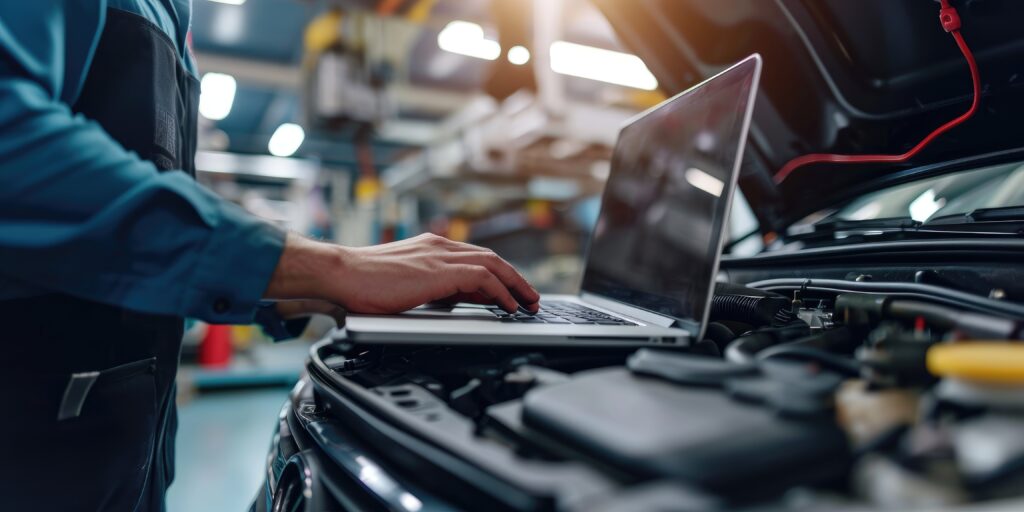
    Toyota Computer Programming in Chino & Chino Hills

    Toyota has built its reputation on reliability, fuel efficiency, and long-term durability. From the Corolla and Camry to the RAV4, Tacoma, Highlander, and Prius, Toyota vehicles are trusted by families and commuters throughout Chino and Chino Hills.

    But even the most dependable vehicles rely on advanced electronics. Modern Toyotas are powered by complex control modules that manage engine timing, transmission performance, hybrid battery systems, safety features, and more. When one of these systems malfunctions, professional Toyota computer programming in Chino and Chino Hills becomes essential.

    At 10 Degrees Automotive, we specialize in precise Toyota ECU programming, helping local drivers restore performance, eliminate warning lights, and protect their investment.


    💻 Why Modern Toyota Vehicles Require Computer Programming

    Today’s Toyota vehicles contain dozens of interconnected electronic modules. These systems constantly exchange information to optimize performance and safety.

    Common Toyota control modules include:

    • Engine Control Module (ECM)
    • Transmission Control Module (TCM)
    • Body Control Module (BCM)
    • Hybrid Control Module (for Prius and hybrid models)
    • Airbag & Safety Control Modules
    • ABS & Traction Control Systems
    • Smart Key & Immobilizer Systems
    • Advanced Driver Assistance Systems (ADAS)

    If a module is replaced or loses communication, your Toyota may experience warning lights, drivability problems, or starting issues.

    Professional Toyota ECU programming in Chino ensures all systems are synchronized and operating at factory specifications.


    🔧 Toyota Computer Programming Services in Chino

    Our comprehensive Toyota computer programming services in Chino and Chino Hills address a wide range of electronic needs.

    ✔ Toyota Engine Control Module Programming

    Optimizes fuel injection, ignition timing, and emissions performance.

    ✔ Toyota Transmission Programming

    Ensures smooth shifting and resets adaptive learning systems.

    ✔ Toyota Hybrid System Programming

    Essential for Prius and hybrid models requiring battery management calibration.

    ✔ Toyota BCM Programming

    Restores proper operation of lights, locks, dash systems, and accessories.

    ✔ Toyota Smart Key Programming

    Programs replacement keys and push-button start systems.

    ✔ Toyota ADAS Calibration

    Ensures lane assist, radar cruise control, and collision avoidance systems function correctly.

    Accurate vehicle computer programming in Chino Hills prevents recurring issues and protects critical electronic components.


    ⚠️ Signs Your Toyota May Need ECU Programming

    Many Toyota owners don’t realize that electronic problems often require programming rather than mechanical repair.

    If you notice any of the following, professional automotive computer diagnostics in Chino may be needed:

    🚨 Check engine or hybrid system warning light
    🚗 Hesitation or reduced power
    🔄 Hard or delayed shifting
    ⚡ Electrical malfunctions
    🔑 Smart key not recognized
    ⛽ Sudden drop in fuel efficiency
    ⚙️ Module replaced but not functioning

    In many cases, proper Toyota ECU reprogramming services in Chino Hills resolve these concerns efficiently.


    🛠️ Why Professional Toyota Programming Matters

    Toyota vehicles require manufacturer-level software for accurate automotive computer reprogramming. Basic scan tools often cannot:

    • Match modules to the correct VIN
    • Install official firmware updates
    • Reset adaptive learning systems
    • Properly initialize new control modules
    • Perform immobilizer security coding

    Incorrect programming can lead to costly module damage and ongoing performance issues.

    At 10 Degrees Automotive, we provide expert Toyota module programming in Chino and Chino Hills, ensuring dealership-quality precision with personalized service.


    🚀 Benefits of Toyota ECU Programming

    Professional automotive ECU programming offers multiple benefits:

    ✔ Restores factory-level engine performance
    ✔ Improves fuel efficiency
    ✔ Ensures emissions compliance
    ✔ Protects expensive control modules
    ✔ Eliminates recurring warning lights
    ✔ Maintains safety system accuracy

    Software updates often address known manufacturer performance improvements and system optimizations.


    📍 Local Toyota Programming Experts in Chino & Chino Hills

    If you’re searching for Toyota computer programming near me in Chino or Chino Hills, you want a trusted local specialist.

    10 Degrees Automotive proudly provides:

    • Toyota ECU programming Chino
    • Toyota computer diagnostics Chino Hills
    • Smart key and immobilizer programming
    • Module replacement and configuration
    • Advanced electrical troubleshooting

    Our experienced technicians understand Toyota’s electronic architecture and deliver accurate results.


    🧠 Our Toyota Programming Process

    When your Toyota arrives for computer programming in Chino or Chino Hills, we follow a structured process:

    1️⃣ Complete diagnostic scan
    2️⃣ Identification of communication or software faults
    3️⃣ Verification of manufacturer updates
    4️⃣ VIN-specific module configuration
    5️⃣ System synchronization and recalibration
    6️⃣ Final road testing and performance validation

    This ensures your Toyota operates at peak performance.


    🏁 Why Choose 10 Degrees Automotive?

    Toyota drivers in Chino and Chino Hills trust us because we provide:

    • Advanced manufacturer-level diagnostic tools
    • Experienced automotive electronics specialists
    • Transparent pricing
    • Efficient turnaround times
    • Honest, customer-focused service

    When you need dependable Toyota computer programming in Chino or Toyota ECU programming in Chino Hills, we are ready to help.


    📞 Schedule Your Toyota Programming Service Today

    If your Toyota is experiencing warning lights, shifting concerns, hybrid system alerts, or electrical malfunctions, don’t delay.

    Professional automotive computer programming in Chino and Chino Hills can restore performance and prevent costly future repairs.

    Call 10 Degrees Automotive at 951.414.9423 today to schedule expert Toyota computer programming services.
  • 🧠 Toyota Diagnostics Explained: Why Expertise Matters

    By 10 Degrees Automotive – Toyota Specialist in Corona, CA

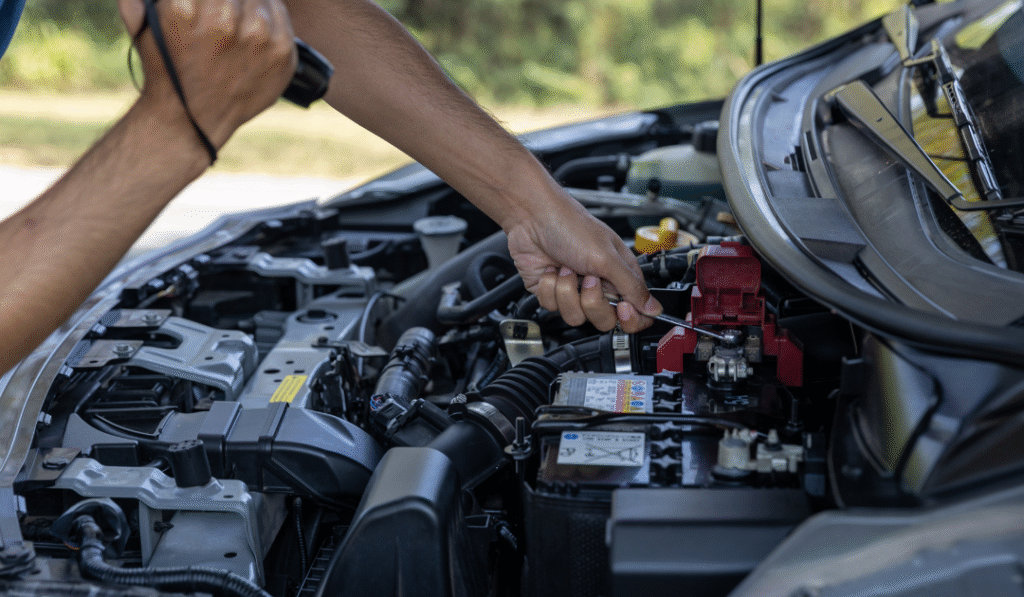
    Toyota Diagnostics Explained: Why Expertise Matters

    When your Toyota’s warning light turns on, it’s tempting to assume the fix is simple. In reality, modern Toyotas rely on complex electronic systems that require advanced diagnostic expertise.

    For drivers in Corona, CA, proper Toyota diagnostics can mean the difference between a quick fix and repeated repair visits.

    🔌 How Toyota Diagnostic Systems Work

    Toyota vehicles use multiple control modules to manage:

    • Engine performance
    • Transmission behavior
    • Safety systems
    • Hybrid components
    • Emissions controls

    These systems communicate constantly. A fault in one module can affect others, making accurate diagnosis critical.

    🧪 Why Generic Scanners Fall Short

    Many general shops rely on basic scanners that only read surface-level codes. These tools often:

    • Miss manufacturer-specific fault codes
    • Misdiagnose symptoms as causes
    • Lead to unnecessary part replacement

    A Toyota diagnostics specialist uses advanced scan tools designed specifically for Toyota systems.

    🛠️ Common Toyota Diagnostic Issues

    Toyota specialists frequently diagnose:

    • Check engine lights with no drivability issues
    • Intermittent electrical faults
    • Hybrid system warnings
    • Emissions failures
    • Performance inconsistencies

    Accurate diagnostics ensure the correct repair—not guesswork.

    💰 Saving Money Through Proper Diagnosis

    Replacing parts without confirming the root cause wastes time and money. Professional Toyota diagnostics in Corona help:

    • Avoid unnecessary repairs
    • Reduce repeat visits
    • Restore performance faster

    📍 Trusted Toyota Diagnostics in Corona, CA

    At 10 Degrees Automotive, diagnostics are performed with precision, experience, and Toyota-specific knowledge. Every recommendation is based on data—not assumptions.

    ✅ The Takeaway

    When it comes to modern Toyotas, diagnostics are not a guessing game. Trusting a Toyota specialist ensures accurate answers and reliable repairs.

    📍 10 Degrees Automotive 📞 951.414.9423

  • 🛠️ Toyota Maintenance in Corona, CA: What Your Vehicle Really Needs

    By 10 Degrees Automotive – Toyota Specialist in Corona, CA

    Toyota Maintenance in Corona, CA: What Your Vehicle Really Needs

    Toyota vehicles are engineered for longevity—but only when properly maintained. Skipping services or relying on generic maintenance schedules can lead to premature wear, reduced efficiency, and costly repairs.

    For Toyota owners in Corona, CA, understanding Toyota-specific maintenance is the key to keeping your vehicle running at its best for years to come.

    🔍 Why Toyota Maintenance Is Different

    Toyota designs each model with unique service needs. Factors such as engine design, transmission type, and driving conditions all affect maintenance requirements.

    A Toyota specialist considers:

    • Mileage-based service intervals
    • Severe-driving conditions common in Corona
    • Hybrid vs. gasoline maintenance needs
    • Manufacturer recommendations vs. real-world use

    🛢️ Essential Toyota Maintenance Services

    Regular Toyota maintenance in Corona typically includes:

    🔧 Oil & Filter Services

    Toyota engines rely on precise oil specifications. Using the wrong oil type can reduce engine protection and fuel efficiency.

    🚗 Brake Inspections & Service

    Toyota braking systems are designed for balanced performance and longevity. Regular inspections prevent uneven wear and safety risks.

    ❄️ Cooling System Maintenance

    Corona’s warm climate puts added stress on cooling systems. Proper coolant service helps prevent overheating and engine damage.

    ⚙️ Transmission Service

    Toyota transmissions—especially CVTs and hybrid systems—require correct fluids and service intervals to ensure smooth operation.

    🧠 Preventative Maintenance vs. Costly Repairs

    Preventative Toyota maintenance costs far less than major repairs. Addressing minor issues early prevents:

    • Engine damage
    • Transmission failure
    • Electrical system problems
    • Reduced fuel economy

    📍 Why Corona Toyota Drivers Choose Specialists

    Local Toyota specialists understand how Inland Empire driving affects wear patterns. At 10 Degrees Automotive, maintenance plans are tailored to how you actually drive—not generic schedules.

    ✅ The Smart Choice for Toyota Owners

    Routine maintenance performed by a Toyota specialist in Corona, CA protects your investment, improves performance, and delivers peace of mind.

    📍 10 Degrees Automotive 📞 951.414.9423

  • 🚗 Why Choosing a Toyota Specialist Matters More Than Ever

    By 10 Degrees Automotive – Toyota Specialist in Corona, CA | 951.414.9423

    Why Choosing a Toyota Specialist Matters More Than Ever

    Toyota vehicles are known worldwide for reliability, longevity, and value—but even the most dependable vehicles need expert care. While many drivers assume any repair shop can service their Toyota, the truth is that modern Toyota vehicles are highly engineered machines that benefit greatly from Toyota-specific expertise.

    For drivers in Corona, CA, choosing a Toyota specialist instead of a general repair shop can mean the difference between long-term reliability and recurring repair problems. From advanced diagnostics to factory-recommended maintenance schedules, specialized care matters more today than ever before.

    🔧 What Makes Toyota Vehicles Unique?

    Toyota designs its vehicles with proprietary systems, engineering standards, and technology that differ significantly from other manufacturers. These include:

    • Toyota-specific engine management systems
    • Hybrid Synergy Drive technology
    • Advanced safety and driver-assist features
    • Model-specific transmission and suspension designs

    A Toyota specialist in Corona understands how these systems work together—not just individually. This deep knowledge allows issues to be diagnosed accurately and repaired correctly the first time.

    🧠 Why a Toyota Specialist Outperforms General Repair Shops

    General auto repair shops work on many brands, which can limit their ability to stay current with Toyota’s evolving technology. A Toyota repair specialist focuses on:

    • Toyota factory service procedures
    • Brand-specific diagnostic software
    • OEM-quality parts designed for Toyota vehicles
    • Common Toyota issues by model and year

    This focused experience leads to better outcomes, fewer comebacks, and improved vehicle longevity.

    🛠️ Accurate Toyota Diagnostics Save Time and Money

    Modern Toyotas rely heavily on electronic control modules that communicate across multiple systems. Generic scanners often miss deeper fault codes or misinterpret data.

    At 10 Degrees Automotive, professional-grade diagnostic tools are used to pinpoint the exact cause of issues—whether it’s a check engine light, drivability concern, or electrical problem. Accurate diagnostics prevent unnecessary part replacements and reduce overall repair costs.

    🛢️ Toyota Maintenance Isn’t One-Size-Fits-All

    Toyota maintenance schedules vary widely depending on model, engine type, and driving conditions. A Toyota specialist in Corona, CA understands:

    • Model-specific service intervals
    • Hybrid maintenance requirements
    • Transmission service recommendations
    • Cooling system and brake service timing

    Routine Toyota maintenance performed correctly helps prevent breakdowns, improves fuel efficiency, and extends vehicle life.

    📍 Local Toyota Expertise You Can Trust in Corona

    Choosing a local specialist means working with technicians who understand how Inland Empire driving conditions—heat, traffic, and terrain—affect your Toyota.

    At 10 Degrees Automotive, Toyota owners receive honest recommendations, transparent pricing, and expert service tailored to their vehicle.

    ✅ The Bottom Line

    If you drive a Toyota, trusting it to a Toyota specialist isn’t a luxury—it’s a smart investment in reliability, safety, and long-term value.

    📍 10 Degrees Automotive 📞 951.414.9423