Category: ECU programming Corona

  • 🚗 Why Regular Fluid Maintenance Helps Your Car Last Longer

    By 10 Degrees Automotive | Corona | 951.414.9423

    Automotive technician checking engine oil and inspecting vehicle fluids during preventive maintenance

    Your vehicle depends on much more than gasoline and engine oil. Several specialized fluids circulate through its systems to lubricate moving components, manage heat, transfer hydraulic pressure, protect against corrosion, and support smooth mechanical operation.

    These fluids work under demanding conditions. Heat, moisture, friction, contamination, and time gradually change their condition. Fluid levels can also drop because of leaks or consumption. Without proper maintenance, expensive components may operate with inadequate lubrication or protection.

    Regular automotive fluid maintenance can help reduce premature wear, identify leaks early, improve reliability, and extend the useful life of your vehicle.

    If you are unsure which fluid services your car needs, contact 10 Degrees Automotive in Corona at 951.414.9423 for a professional maintenance inspection.

    🔧 What Does Fluid Maintenance Include?

    Fluid maintenance is more than topping off reservoirs. It involves checking the level and condition of each applicable fluid, inspecting for leaks, following the manufacturer’s service schedule, and using the correct specification.

    Depending on the vehicle, important fluids may include:

    • Engine oil
    • Engine coolant
    • Transmission fluid
    • Brake fluid
    • Power-steering fluid
    • Differential fluid
    • Transfer-case fluid
    • Clutch fluid
    • Windshield-washer fluid

    Not every vehicle uses every fluid on this list. For example, vehicles with electric power steering do not have hydraulic power-steering fluid. Electric and hybrid vehicles may also have specialized cooling or drivetrain-fluid requirements.

    The owner’s manual and manufacturer service information are the best starting points for determining what your specific vehicle requires.

    🛢️ Engine Oil Protects Internal Components

    Engine oil lubricates pistons, bearings, camshafts, timing components, and other moving parts. It creates a protective film that reduces direct metal-to-metal contact.

    Oil also helps:

    • Carry heat away from moving parts
    • Suspend contaminants
    • Control deposits
    • Protect against corrosion
    • Support hydraulic timing components
    • Lubricate turbochargers when equipped
    • Help piston rings seal correctly

    As oil ages, heat and contamination can reduce its protective qualities. If it remains in service too long, it may thicken, oxidize, or contribute to sludge formation.

    Low oil creates an additional risk because the remaining fluid must absorb more heat and protect the engine with less reserve capacity.

    Following the correct engine oil change schedule can help prevent premature wear and protect components that may cost thousands of dollars to repair.

    🌡️ Coolant Helps Prevent Overheating and Corrosion

    Engine coolant circulates through the engine and radiator to control operating temperature. It also contains additives designed to protect the cooling system from corrosion and deposits.

    Over time, coolant can become contaminated or lose some of its protective properties. A low level may indicate a leak.

    Neglected coolant can contribute to:

    • Engine overheating
    • Internal corrosion
    • Radiator damage
    • Water-pump wear
    • Heater-core problems
    • Damaged seals and gaskets
    • Restricted coolant passages
    • Expensive engine repairs

    Coolant is produced in several colors, but color alone does not determine the correct type. Different formulations may be incompatible, even when they look similar.

    Always use the coolant specification required by the vehicle manufacturer. Mixing products without confirming compatibility can reduce protection or create deposits.

    If the temperature gauge rises into the red zone, pull over safely and shut off the engine. Never remove a pressurized cooling-system cap while the engine is hot.

    ⚙️ Transmission Fluid Supports Smooth Operation

    Transmission fluid may lubricate gears and bearings, operate hydraulic circuits, control heat, and support clutch operation. Its exact role depends on whether the vehicle has an automatic, continuously variable, dual-clutch, or manual transmission.

    Heat and normal use can change the fluid’s condition. Contamination or an incorrect level may affect transmission operation.

    Potential signs of a transmission-fluid concern include:

    • Delayed engagement
    • Rough or unusual shifts
    • Slipping
    • Shuddering
    • Fluid beneath the vehicle
    • A burning odor
    • Transmission warnings
    • Unusual noise

    Modern transmissions can be sensitive to fluid type and service procedure. A fluid intended for one transmission may not be suitable for another.

    Some vehicles require the fluid level to be checked at a precise temperature using specialized equipment. Others do not have a conventional dipstick.

    Following the appropriate transmission fluid maintenance recommendations may help protect one of your vehicle’s most complex and expensive systems.

    🛑 Brake Fluid Is Essential for Safe Stopping

    Brake fluid transfers force from the brake pedal to the calipers or wheel cylinders. Without the proper hydraulic pressure, the braking system cannot operate as designed.

    Brake fluid can absorb moisture over time. Moisture may lower its boiling point and contribute to corrosion within hydraulic components. Heat from repeated braking can place additional stress on degraded fluid.

    Possible signs of a brake-fluid or hydraulic problem include:

    • A soft or spongy pedal
    • A pedal that sinks
    • Low brake-fluid level
    • A red brake warning light
    • Fluid near a wheel
    • Increased stopping distance
    • Reduced braking performance

    Brake fluid should not routinely disappear. A falling level may result from pad wear or a leak and should be inspected.

    A suspected brake-fluid leak is an urgent safety concern. If the pedal feels abnormal or the vehicle does not stop properly, do not continue driving.

    🔄 Differential Fluid Protects Gears and Bearings

    The differential allows wheels on the same axle to rotate at different speeds while turning. Its gears and bearings operate under substantial pressure and depend on specialized lubricant.

    Differential fluid may deteriorate because of heat, contamination, heavy loads, towing, or water intrusion.

    Neglected differential fluid can contribute to:

    • Gear wear
    • Bearing damage
    • Whining or howling noises
    • Overheating
    • Seal deterioration
    • Complete differential failure

    Some vehicles have front and rear differentials, while others have only one. All-wheel-drive and four-wheel-drive systems may include additional components with separate maintenance needs.

    Servicing these fluids according to the manufacturer’s recommendations can help protect costly drivetrain parts.

    🚙 Transfer-Case Fluid Matters for AWD and 4WD Vehicles

    A transfer case distributes power between the front and rear axles in many all-wheel-drive and four-wheel-drive vehicles.

    Its internal chains, gears, bearings, and clutches may depend on fluid for lubrication and heat control. The required fluid varies widely by vehicle.

    Problems may develop if the fluid becomes low, contaminated, or incorrect. Symptoms can include:

    • Grinding or whining
    • Shuddering
    • Difficulty changing drive modes
    • Fluid leaks
    • Warning messages
    • Binding during turns
    • Reduced drivetrain performance

    Because transfer-case damage can affect the entire driveline, regular inspection and proper service may help prevent extensive repairs.

    🔧 Power-Steering Fluid Protects Hydraulic Systems

    Vehicles with hydraulic power steering use fluid to transmit pressure from the pump to the steering gear or rack.

    Low or degraded fluid may contribute to:

    • Whining noises
    • Increased steering effort
    • Pump wear
    • Foaming
    • Heat buildup
    • Seal damage
    • Steering-system leaks

    Not all vehicles use hydraulic power steering. Many newer models rely on electric steering assistance and do not have a fluid reservoir.

    If your vehicle uses hydraulic fluid, the correct specification is important. Some systems use a dedicated power-steering fluid, while others require a specific type of automatic transmission fluid.

    🧼 Windshield-Washer Fluid Supports Clear Visibility

    Windshield-washer fluid does not lubricate a major mechanical component, but it still serves an important safety function.

    A functioning washer system helps remove:

    • Dust
    • Road grime
    • Insects
    • Light mud
    • Residue
    • Other visibility obstructions

    Using plain water may not clean effectively and can promote mineral deposits or freezing in cold conditions. Use an appropriate washer fluid for the expected climate.

    A low level may simply mean the fluid has been used, while repeated rapid loss may indicate a cracked reservoir, damaged hose, or failing pump.

    🧪 Fluids Deteriorate Even When Levels Look Correct

    A full reservoir does not necessarily mean the fluid is in good condition.

    Fluid may still be:

    • Contaminated
    • Oxidized
    • Moisture-saturated
    • Overheated
    • Diluted
    • Chemically depleted
    • Filled with wear particles
    • Incorrect for the application

    Visual inspection can provide clues, but color alone is not always reliable. Some fluids darken during normal operation, while others may appear clean despite losing important protective properties.

    Maintenance decisions should consider mileage, time, vehicle history, operating conditions, manufacturer recommendations, and test results when applicable.

    📅 Severe Driving Conditions May Require More Attention

    Many drivers assume severe service means racing, towing, or off-road use. Manufacturer definitions may also include everyday conditions such as:

    • Frequent short trips
    • Extended idling
    • Stop-and-go traffic
    • High temperatures
    • Dusty environments
    • Mountain driving
    • Towing
    • Heavy loads
    • Commercial use

    These conditions can increase fluid temperature, introduce contaminants, or shorten the time between recommended inspections and services.

    Corona and Southern California drivers often experience heat and congestion, making consistent maintenance particularly valuable.

    Check the owner’s manual for normal and severe-service schedules applicable to your driving habits.

    ⚠️ The Wrong Fluid Can Cause Damage

    Automotive fluids are not universally interchangeable. Using the wrong oil, coolant, transmission fluid, brake fluid, or gear lubricant can affect performance and damage components.

    The correct specification may govern:

    • Viscosity
    • Friction characteristics
    • Additive chemistry
    • Temperature performance
    • Seal compatibility
    • Corrosion protection
    • Hydraulic response

    Do not select fluid based only on color or a generic description.

    When topping off or servicing a system, confirm the specification required by the manufacturer. If the wrong fluid may have been added, contact a qualified repair shop before operating the vehicle further.

    💧 Fluid Maintenance Helps Detect Leaks Early

    Routine fluid inspections can reveal a falling level before the vehicle produces an obvious warning.

    A technician may notice:

    • Wet seals
    • Seeping gaskets
    • Cracked hoses
    • Loose connections
    • Stained underbody panels
    • Fluid around a reservoir
    • Deteriorated lines
    • Unusual odors

    Correcting a small leak early may help prevent low-fluid operation and damage to surrounding components.

    Repeatedly adding fluid is not a substitute for repairing the source of the loss. If a level continues to drop, call 10 Degrees Automotive at 951.414.9423 for an inspection.

    💰 Regular Fluid Service Can Prevent Expensive Repairs

    Fluid maintenance is a predictable ownership expense. Replacing a transmission, engine, differential, steering rack, or brake hydraulic component can be significantly more costly.

    Proper maintenance can help:

    • Reduce friction and wear
    • Control operating temperatures
    • Prevent corrosion
    • Maintain hydraulic pressure
    • Protect seals and internal components
    • Detect leaks early
    • Improve reliability
    • Reduce the risk of breakdowns
    • Extend component service life

    Maintenance cannot prevent every mechanical failure, but it can reduce avoidable damage caused by neglected, incorrect, contaminated, or insufficient fluid.

    📝 Keep Accurate Maintenance Records

    Tracking fluid services helps prevent both neglect and unnecessary repetition.

    Record:

    • The date of service
    • Vehicle mileage
    • Fluid specification
    • Amount used
    • Filter replacement
    • Repairs performed
    • Leaks discovered
    • The next recommended inspection

    Clear maintenance records can also help technicians identify patterns, understand previous work, and make informed recommendations.

    If you buy a used vehicle without service records, a professional inspection can help establish its current condition and maintenance priorities.

    🚫 Is a Fluid Flush Always Necessary?

    The words “fluid change,” “exchange,” and “flush” are sometimes used interchangeably, but the procedures may be different.

    The appropriate service depends on:

    • The vehicle manufacturer’s recommendations
    • System design
    • Fluid condition
    • Mileage
    • Maintenance history
    • Existing mechanical symptoms
    • Available equipment

    A particular flushing procedure may not be appropriate for every vehicle or every neglected system. Service should be based on the specific vehicle rather than a universal package.

    Ask what procedure is being recommended, why it is needed, and which fluid specification will be used.

    🔍 Signs Your Vehicle Needs a Fluid Inspection

    Schedule an inspection if you notice:

    • Fluid beneath the vehicle
    • Repeatedly low fluid levels
    • A burning or sweet odor
    • Smoke or steam
    • Rough shifting
    • Steering noise
    • A soft brake pedal
    • Engine overheating
    • Dashboard warning lights
    • Unknown maintenance history
    • Unusual fluid color or contamination

    These symptoms do not always identify which system is responsible. Professional diagnosis can determine whether the issue involves normal maintenance, a leak, contamination, or a failing component.

    🔧 Schedule Fluid Maintenance in Corona

    Regular fluid maintenance helps your car last longer by reducing friction, controlling heat, preventing corrosion, maintaining hydraulic performance, and protecting expensive components.

    The correct service schedule and fluid specifications vary by vehicle. That is why professional inspection and manufacturer-based recommendations matter.

    For automotive fluid maintenance in Corona, contact 10 Degrees Automotive. We can inspect your vehicle’s fluids, check for leaks, review service needs, and help you prioritize appropriate maintenance.

    Call 951.414.9423 today to schedule your appointment. Let 10 Degrees Automotive help protect your engine, transmission, brakes, cooling system, steering, and drivetrain for the miles ahead.

  • 🔧 Dealership vs. Independent Auto Repair Shop: Which Is Better?

    By 10 Degrees Automotive | Corona | 951.414.9423

    Dealership vs. Independent Auto Repair Shop: Which Is Better?

    When your vehicle needs maintenance or repair, one of the first decisions is where to take it. Should you return to the dealership, or should you choose a local independent automotive repair shop?

    There is no universal answer for every driver and every repair. Dealership service departments and independent shops can both provide valuable services, but they often differ in cost structure, customer experience, flexibility, brand specialization, and the types of work they handle.

    Understanding those differences can help you choose the right facility for your vehicle, budget, and current repair needs.

    If you are searching for an independent auto repair shop in Corona, contact 10 Degrees Automotive at 951.414.9423 to discuss your vehicle’s maintenance or repair needs.

    🏢 What Is a Dealership Service Department?

    A dealership service department operates as part of a business authorized to sell vehicles from one or more manufacturers. Its technicians commonly work on the same vehicle brand or group of related brands throughout the day.

    Dealerships often have direct access to:

    • Manufacturer-specific repair information
    • Factory diagnostic equipment
    • Software updates
    • Original-equipment parts
    • Technical service information
    • Warranty procedures
    • Recall information
    • Brand-specific training

    This concentration can make a dealership a logical choice for certain manufacturer-specific concerns, warranty repairs, recalls, or advanced programming.

    However, the dealership setting is only one factor. The experience, communication, diagnostic process, and workmanship of the individual facility still matter.

    🧰 What Is an Independent Auto Repair Shop?

    An independent repair shop is not owned or operated by a vehicle manufacturer. Many independent facilities service a variety of domestic, Asian, and European vehicles, while others specialize in selected brands or types of repair.

    An independent automotive repair shop may provide:

    • Routine maintenance
    • Brake service
    • Engine diagnostics
    • Cooling-system repair
    • Suspension and steering service
    • Battery and electrical testing
    • Air-conditioning repair
    • Oil and fluid service
    • Pre-purchase inspections
    • General mechanical repair

    Independent shops frequently build their businesses around long-term relationships with drivers in the surrounding community. Customers may communicate directly with the people inspecting, diagnosing, or repairing their vehicles.

    At 10 Degrees Automotive in Corona, our goal is to help drivers understand what their vehicles need and why.

    💰 How Do Repair Costs Compare?

    Price is one of the primary reasons drivers compare dealerships and independent shops.

    Dealerships often have large facilities, extensive administrative operations, brand-specific equipment, customer amenities, and other overhead expenses. Those costs may be reflected in labor rates and service pricing.

    Independent shops may have a different operating structure and may be able to offer competitive pricing. However, this does not mean every independent shop is cheaper for every service or that the lowest estimate always provides the best value.

    A repair estimate may differ based on:

    • Labor rate
    • Estimated labor time
    • Diagnostic procedures
    • Parts brand and quality
    • Warranty coverage
    • Shop supplies
    • Additional required components
    • Included inspections or services

    When comparing estimates, make sure they cover the same work. One estimate may include related hardware, fluids, testing, or procedures that another leaves out.

    A lower number is not automatically a better value if the diagnosis is incomplete or the components do not meet the vehicle’s requirements.

    🔩 What Types of Parts Are Used?

    Dealerships typically use original-equipment manufacturer parts, commonly called OEM parts. These components are supplied through the manufacturer’s parts network and are designed for specific vehicle applications.

    Independent shops may offer several options, including:

    • OEM parts
    • Original-equipment supplier parts
    • High-quality aftermarket parts
    • Remanufactured components
    • Application-specific alternatives

    Aftermarket does not automatically mean low quality. The aftermarket includes everything from budget parts to premium components that meet or exceed original specifications in particular applications.

    The right choice depends on the vehicle, component, budget, expected service life, availability, and warranty.

    Ask which parts are included in an estimate and why they are being recommended. A trustworthy auto repair shop should be willing to explain the available options.

    🧑‍🔧 Does Technician Experience Matter More Than the Building?

    A dealership sign does not repair a vehicle—the technician does. The same is true at an independent shop.

    The quality of a repair depends heavily on:

    • Technician training
    • Hands-on experience
    • Diagnostic ability
    • Access to accurate information
    • Proper tools and equipment
    • Attention to detail
    • Quality-control procedures
    • Clear communication

    Dealership technicians may develop deep familiarity with a particular brand. Independent technicians often gain broad experience across several manufacturers and vehicle systems.

    Neither background is automatically better for every situation. The important question is whether the facility has the knowledge, information, tools, and experience required for your specific vehicle and concern.

    💻 Can Independent Shops Diagnose Modern Vehicles?

    Modern vehicles contain complex electronic systems, networks, modules, sensors, and software. Professional diagnosis may require more than retrieving a basic trouble code.

    A capable independent shop may use:

    • Professional scan tools
    • Digital multimeters
    • Oscilloscopes
    • Smoke-testing equipment
    • Battery and charging-system testers
    • Pressure and vacuum testing tools
    • Vehicle-specific service information
    • Mechanical inspection procedures

    Tool access and capabilities vary among individual facilities, whether they are dealerships or independent shops.

    Some programming, security, warranty, or manufacturer-controlled procedures may still require dealership involvement. A responsible independent shop should recognize when a task falls outside its available equipment or scope and communicate that clearly.

    🤝 Customer Service and Communication

    The customer experience can differ significantly between facilities.

    At a large dealership, you may communicate primarily with a service advisor. The technician may send notes, photos, videos, or recommendations through the advisor rather than speaking with you directly.

    At an independent shop, communication may feel more personal. You may interact with the owner, technician, or the same advisor during each visit.

    A strong repair experience should include:

    • A clear description of the concern
    • An explanation of diagnostic findings
    • A written estimate
    • Authorization before additional work
    • Information about parts and warranties
    • Prioritized recommendations
    • Answers to your questions

    The best shop is one that communicates in a way you understand and gives you enough information to make an informed decision.

    Call 10 Degrees Automotive at 951.414.9423 to discuss your vehicle and experience our customer-focused approach.

    📅 Convenience and Appointment Availability

    Dealerships may offer large waiting areas, loaner-vehicle programs, shuttle service, extended hours, or online scheduling. Availability and policies vary by location.

    Independent shops may offer more flexible or direct scheduling and may be able to provide a more personalized experience. Smaller operations can also have limited capacity during busy periods.

    When comparing convenience, consider:

    • Distance from home or work
    • Appointment availability
    • Estimated turnaround time
    • Transportation options
    • Communication preferences
    • After-hours drop-off
    • Parts availability
    • Whether specialized equipment is needed

    The most convenient facility is not necessarily the closest one. Accurate diagnosis and dependable repair can save more time than repeatedly returning for the same unresolved problem.

    🚘 When a Dealership May Be the Better Choice

    There are situations in which visiting a dealership may make the most sense.

    A dealership may be appropriate for:

    • Manufacturer recall work
    • Repairs covered by a factory warranty
    • Certain software updates
    • Brand-specific campaigns
    • Specialized module programming
    • Security or immobilizer procedures
    • Unusual problems requiring factory involvement
    • Services included in a prepaid maintenance plan

    Recall repairs are generally coordinated through an authorized dealership for the affected brand. If you receive a recall notice, follow the manufacturer’s instructions.

    For warranty questions, review the warranty documentation and contact the appropriate provider before authorizing work. Requirements can vary depending on the warranty and repair.

    🔧 When an Independent Shop May Be the Better Choice

    An independent shop can be an excellent option for routine maintenance, wear-related repairs, diagnostics, and long-term vehicle care.

    You may prefer an independent facility when you value:

    • Direct communication
    • A continuing relationship with one shop
    • Competitive service options
    • Flexibility in parts selection
    • Maintenance for multiple vehicle brands
    • Personalized recommendations
    • A local community connection
    • An alternative after the factory warranty period

    A dependable independent shop can become familiar with your vehicle’s history, recurring concerns, and upcoming maintenance needs.

    This continuity can help prevent duplicate services and make it easier to plan future repairs.

    📝 What About Your Vehicle Warranty?

    Drivers sometimes believe that all maintenance must be performed at the dealership to preserve warranty coverage. Warranty terms, documentation requirements, and applicable rules can vary, so the safest approach is to read your warranty information carefully.

    Wherever maintenance is completed:

    • Follow the manufacturer’s required schedule
    • Use fluids and parts that meet the required specifications
    • Keep detailed invoices and receipts
    • Record dates and mileage
    • Document the services performed
    • Address warranty concerns through the appropriate provider

    If a repair may be covered under a factory, extended, or third-party warranty, verify the authorization requirements before work begins.

    Good documentation protects you regardless of which qualified facility performs the maintenance.

    🔍 Questions to Ask Before Choosing a Repair Shop

    Whether you choose a dealership or independent shop, ask questions before authorizing a repair.

    Helpful questions include:

    • Does the shop regularly service my type of vehicle?
    • How will the problem be diagnosed?
    • Is diagnostic time included in the estimate?
    • What parts will be used?
    • What warranty applies to the repair?
    • Will I receive a written estimate?
    • Will the shop contact me before additional work?
    • Which recommendations are urgent?
    • Which services can be planned for later?
    • Will the findings be explained clearly?

    Pay attention to how the facility answers. Clear, patient communication can be as important as the price on the estimate.

    ⚠️ Warning Signs of a Poor Repair Experience

    The type of facility matters less than how it conducts business. Be cautious if any dealership or independent shop:

    • Refuses to explain the diagnosis
    • Pressures you to approve work immediately without a safety reason
    • Cannot describe which parts will be installed
    • Performs additional repairs without authorization
    • Provides vague estimates
    • Recommends replacing parts without appropriate testing
    • Dismisses your questions
    • Cannot explain warranty coverage
    • Makes guarantees that sound unrealistic

    Professional automotive repair should be based on inspection, testing, clear communication, and informed authorization.

    ⚖️ Which Option Is Actually Better?

    The better choice depends on the vehicle and the service required.

    Choose a dealership when the repair involves a recall, factory warranty, specialized manufacturer campaign, or procedure available only through an authorized dealer.

    Consider an independent shop when you want ongoing maintenance, general repair, professional diagnostics, flexible parts options, and a long-term relationship with a local automotive team.

    For many drivers, the best strategy is not choosing one option forever. You can use the dealership when manufacturer involvement is necessary and rely on a trusted independent shop for everyday maintenance and repair.

    The goal is to select the facility best equipped for the specific job.

    🏆 Why Drivers Choose Independent Auto Repair

    A strong independent shop can provide a combination of technical ability, personal communication, and continuity.

    When the same facility maintains your vehicle over time, it can track:

    • Previous repairs
    • Maintenance intervals
    • Fluid services
    • Tire and brake wear
    • Developing leaks
    • Recurring symptoms
    • Future service priorities

    This history makes it easier to build a practical maintenance plan based on the actual vehicle rather than isolated visits.

    A local independent shop also depends on trust, repeat business, and community reputation. That creates a strong incentive to provide clear explanations and dependable work.

    🔧 Choose 10 Degrees Automotive in Corona

    The dealership-versus-independent-shop decision is not about declaring that one type of business is always better. It is about choosing knowledgeable professionals who can properly diagnose your vehicle, explain the findings, and perform the appropriate service.

    For routine maintenance, brake repair, engine diagnostics, cooling-system concerns, suspension service, electrical testing, and general auto repair in Corona, turn to 10 Degrees Automotive.

    Call 951.414.9423 today to schedule an appointment. Let our team help you understand your vehicle’s needs and keep it operating safely and reliably.

  • 🚗 Why Is My Car Shaking While Driving?

    By 10 Degrees Automotive | Corona | 951.414.9423

    Why Is My Car Shaking While Driving?

    A smooth-running vehicle should feel stable and controlled. If your car begins shaking, vibrating, or shuddering while driving, it is often a sign that something needs professional attention.

    The cause may be relatively straightforward, such as a tire that needs balancing. It could also involve damaged wheels, worn suspension components, brake problems, engine trouble, or a failing drivetrain part. The speed and driving conditions under which the vibration occurs can provide important clues, but a proper inspection is necessary to identify the actual problem.

    Ignoring car vibration while driving can allow tires and mechanical components to wear more quickly. In some cases, the condition may also affect steering, braking, or overall vehicle safety.

    If your vehicle is shaking or vibrating, call 10 Degrees Automotive in Corona at 951.414.9423 to schedule a professional inspection.

    🔍 Pay Attention to When the Shaking Happens

    Not all vibrations have the same cause. Before your appointment, note exactly when and where you feel the shaking.

    Consider whether the vibration occurs:

    • At idle
    • While accelerating
    • At a particular speed
    • At freeway speeds
    • When braking
    • During turns
    • While climbing a hill
    • After hitting a pothole
    • Through the steering wheel
    • Through the brake pedal
    • Through the seat or floor

    A steering-wheel vibration may direct attention toward the front tires, wheels, steering, suspension, or brakes. Shaking felt through the seat may be associated with the rear tires, rear suspension, or drivetrain, although these are only general clues.

    The conditions under which the symptom appears can help a technician reproduce and diagnose the concern.

    🛞 Unbalanced Tires Are a Common Cause

    Tires and wheels must rotate with their weight evenly distributed. Small balancing weights are attached to the wheel to compensate for differences in weight around the tire-and-wheel assembly.

    If a weight falls off or the assembly becomes unbalanced, you may notice vibration at certain speeds. It often becomes more obvious during freeway driving and may lessen when the vehicle slows.

    Possible signs of unbalanced tires include:

    • Steering-wheel vibration
    • Shaking that appears within a certain speed range
    • Uneven or cupped tire wear
    • Vibration after installing new tires
    • Shaking after a wheel impact

    Balancing the tires may correct the issue, but the complete assembly should also be inspected for tire damage, bent wheels, improper installation, or other problems.

    📐 Wheel-Alignment Problems Can Affect Stability

    Wheel alignment describes the angles at which the wheels meet the road. Potholes, curbs, collisions, worn suspension parts, and normal use can alter those angles.

    An alignment problem is more likely to cause pulling, an off-center steering wheel, or uneven tire wear than severe vibration by itself. However, the irregular tire wear created by poor alignment can eventually contribute to shaking.

    Signs your vehicle may need wheel alignment service include:

    • Pulling to the left or right
    • An off-center steering wheel
    • Rapid or uneven tread wear
    • Poor straight-line stability
    • Steering that feels unusual
    • Vibration associated with irregular tire wear

    Alignment should be performed only after worn or damaged steering and suspension components have been addressed. Aligning a vehicle with loose parts may not produce a lasting correction.

    ⚠️ Tire Damage Can Create Dangerous Shaking

    A damaged tire can cause vibration even when it is properly balanced. Internal belt separation, sidewall damage, uneven tread, flat spots, and bulges can make the tire roll irregularly.

    Tire damage may result from:

    • Pothole impacts
    • Curb strikes
    • Road debris
    • Underinflation
    • Overloading
    • Age
    • Manufacturing defects
    • Driving on a flat or severely low tire

    A visible bulge, exposed cord, severe crack, or distorted tread can indicate that the tire is no longer safe.

    If the vehicle suddenly begins shaking after an impact or you suspect tire damage, reduce your speed and stop in a safe location. Do not continue driving on a tire that appears structurally damaged.

    Contact 10 Degrees Automotive at 951.414.9423 for help determining the safest next step.

    🔩 Bent or Damaged Wheels May Cause Vibration

    Wheels can bend or crack after striking potholes, curbs, or road debris. Even a small amount of distortion can prevent the wheel from rotating smoothly.

    A bent wheel may cause:

    • Speed-related vibration
    • Air-pressure loss
    • Uneven tire wear
    • Steering-wheel movement
    • Difficulty balancing the tire
    • Visible wobbling

    Not every type of wheel damage is easily visible without placing the vehicle on a lift or using specialized equipment.

    A technician can inspect the wheel, measure runout, and determine whether it is repairable or should be replaced.

    🛑 Brake Problems Can Cause Shaking While Stopping

    If your vehicle shakes primarily when you apply the brakes, the braking system may be responsible.

    Brake rotors experience repeated heating and cooling. Over time, they can develop excessive runout, thickness variation, uneven pad deposits, scoring, or heat damage. When the brake pads contact an irregular rotor surface, you may feel pulsation through the pedal or vibration in the steering wheel.

    Other brake-related causes can include:

    • Sticking brake calipers
    • Uneven brake-pad wear
    • Contaminated brake surfaces
    • Damaged brake hardware
    • Loose components
    • Rear drum problems on equipped vehicles

    Because braking vibration may affect stopping performance, arrange a professional brake inspection rather than assuming the symptom is harmless.

    🔧 Worn Steering or Suspension Components

    The steering and suspension systems connect your vehicle to its wheels and help maintain tire contact with the road. Worn components can create looseness, vibration, noise, or unstable handling.

    Potential sources include:

    • Ball joints
    • Tie-rod ends
    • Control-arm bushings
    • Wheel bearings
    • Shocks and struts
    • Sway-bar links
    • Suspension mounts
    • Steering components

    You may also notice clunking over bumps, wandering, uneven tire wear, excessive bouncing, or loose steering.

    Replacing tires or balancing wheels will not solve a vibration caused by worn suspension parts. A hands-on inspection is necessary to check for looseness and component damage.

    ⚙️ Worn Wheel Bearings

    Wheel bearings allow the wheels to rotate while supporting the vehicle’s weight. As a bearing wears, it may create humming, growling, grinding, looseness, or vibration.

    The sound may change when the vehicle turns because cornering shifts the load from one side to the other. However, bearing symptoms vary, and tire noise can sometimes sound similar.

    A severely worn wheel bearing may affect wheel stability and should receive prompt attention. A technician can inspect for play, listen for abnormal operation, and rule out tire or drivetrain noise.

    🔥 Engine Misfires Can Make the Vehicle Shake

    If the vehicle shakes while stopped, idling, accelerating, or climbing a hill, the engine may not be running smoothly.

    An engine misfire occurs when one or more cylinders fail to produce power correctly. Possible causes include:

    • Worn spark plugs
    • Faulty ignition coils
    • Damaged wiring
    • Fuel-injector problems
    • Vacuum leaks
    • Low compression
    • Fuel-delivery problems
    • Sensor or electrical faults

    Additional symptoms may include a check engine light, hesitation, loss of power, difficult starting, or poor fuel economy.

    A flashing check engine light can indicate a severe misfire that may damage the catalytic converter. Reduce your speed, avoid hard acceleration, and stop driving if the vehicle is shaking severely or losing power.

    Professional diagnostic testing can determine why the misfire is occurring instead of relying on guesswork or unnecessary parts replacement.

    🧱 Damaged Engine or Transmission Mounts

    Engine and transmission mounts secure the powertrain to the vehicle while absorbing vibration. As mounts wear, crack, or collapse, they may allow excessive movement.

    You may notice:

    • Shaking while idling
    • A clunk when shifting into gear
    • Excess vibration during acceleration
    • Movement when starting or stopping
    • Noise from the engine compartment
    • Vibration that changes between park, drive, and reverse

    Mount problems can also place stress on hoses, wiring, exhaust components, and drivetrain connections.

    Because normal engine vibration can resemble a mount problem, the engine’s operating condition should be evaluated along with the mounts.

    🚙 Axle and Drivetrain Problems

    Axles, CV joints, driveshafts, and universal joints transfer power from the transmission to the wheels. Damage or wear in these components may produce vibration that becomes more noticeable during acceleration or at certain speeds.

    Possible drivetrain-related symptoms include:

    • Shaking during acceleration
    • Clicking while turning
    • Clunking when changing direction
    • Vibration through the floor
    • Grease near a wheel from a damaged CV boot
    • Noise that changes with speed or load

    A bent axle or damaged driveshaft may also create significant vibration. These concerns should be inspected promptly because drivetrain components rotate at high speeds and are essential to vehicle operation.

    🌬️ Could a Loose or Damaged Part Be Responsible?

    Sometimes shaking is caused by a loose or damaged component rather than normal wear.

    Examples may include:

    • A loose wheel
    • Missing or improperly tightened lug nuts
    • A damaged underbody panel
    • Loose exhaust components
    • Broken brackets
    • Road debris caught beneath the vehicle
    • Improperly installed replacement parts

    A loose wheel is an urgent safety concern. If the vehicle begins shaking immediately after tire or wheel service, stop as soon as it is safe and have the installation checked.

    Do not continue driving in the hope that a severe vibration will disappear.

    🚨 When Is Car Shaking an Emergency?

    Mild vibration should be inspected, but certain symptoms require immediate action.

    Pull over safely and stop driving if:

    • The shaking begins suddenly and severely
    • The steering becomes difficult to control
    • A tire is flat, bulging, or visibly damaged
    • A wheel appears loose or tilted
    • The vehicle is overheating
    • The oil-pressure warning light appears
    • The check engine light is flashing
    • You smell burning material
    • Smoke is visible
    • Braking ability has changed significantly
    • Loud grinding, banging, or clunking accompanies the vibration

    If the vehicle does not feel safe, arrange towing to a qualified auto repair shop in Corona.

    🧰 Why Professional Diagnosis Matters

    Many problems can create similar vibrations. Replacing tires may not solve a worn wheel bearing. Installing brake rotors will not correct a damaged axle. Replacing engine mounts will not fix an active misfire.

    A professional inspection may include:

    • A road test
    • Tire and wheel inspection
    • Tire-pressure measurement
    • Wheel-balance testing
    • Alignment evaluation
    • Steering and suspension checks
    • Brake inspection
    • Wheel-bearing checks
    • Engine diagnostics
    • Drivetrain inspection

    The goal is to identify where the vibration originates and why it is occurring.

    Providing details about when the shaking began, what speed triggers it, and whether recent service or a road impact occurred can make diagnosis more efficient.

    💰 Addressing Vibration Early Can Save Money

    A small vibration can lead to additional wear if the cause is not corrected.

    An unbalanced tire may develop irregular tread wear. A sticking brake caliper can damage the pads and rotor. A worn suspension component may shorten tire life. An engine misfire can damage emissions equipment. A failed mount may place stress on nearby components.

    Early automotive diagnostics and repair can help:

    • Protect tires and wheels
    • Prevent secondary component damage
    • Maintain predictable handling
    • Reduce the risk of breakdowns
    • Preserve braking performance
    • Avoid larger repair expenses

    Waiting until a minor shake becomes violent often means the underlying problem has progressed.

    🔧 Schedule a Vehicle Inspection in Corona

    A shaking vehicle is not a diagnosis—it is a symptom. The source may involve the tires, wheels, brakes, suspension, steering, engine, mounts, axles, or other drivetrain components.

    Pay attention to when the shaking occurs, but do not rely on guesswork when safety and expensive vehicle parts are involved.

    For professional help with car shaking while driving in Corona, contact 10 Degrees Automotive. We can inspect your vehicle, identify the source of the vibration, and explain the appropriate repair.

    Call 951.414.9423 today to schedule an appointment. Let 10 Degrees Automotive help restore the smooth, stable, and dependable ride your vehicle should provide.

  • 💰 How Preventive Maintenance Saves Drivers Money

    By 10 Degrees Automotive | Corona | 951.414.9423

    How Preventive Maintenance Saves Drivers Money

    Many drivers think of vehicle maintenance as another expense competing for space in the monthly budget. It can be tempting to postpone an oil change, skip a fluid inspection, or ignore a small noise when the car still starts and gets you where you need to go.

    However, delaying routine service rarely eliminates the cost. In many cases, it allows a minor issue to develop into a larger and more expensive repair.

    Preventive vehicle maintenance helps drivers protect major components, improve reliability, reduce the likelihood of unexpected breakdowns, and get more useful life from their vehicles. It can also make transportation expenses easier to anticipate instead of leaving you with an emergency repair at the worst possible time.

    At 10 Degrees Automotive in Corona, we help drivers stay ahead of developing automotive problems. Call 951.414.9423 to schedule your next maintenance appointment.

    🔧 What Is Preventive Vehicle Maintenance?

    Preventive maintenance consists of inspections and services performed before a mechanical failure occurs. It is based on your vehicle manufacturer’s recommendations, current mileage, operating conditions, maintenance history, and the actual condition of the vehicle.

    Common preventive services include:

    • Engine-oil and filter changes
    • Tire-pressure checks and tire rotations
    • Brake inspections
    • Cooling-system inspections
    • Battery and charging-system tests
    • Fluid-level and condition checks
    • Air-filter and cabin-filter replacement
    • Belt and hose inspections
    • Wheel-alignment checks
    • Spark-plug replacement
    • Transmission service when recommended
    • Suspension and steering inspections

    The exact schedule differs from one vehicle to another. Always consult the owner’s manual and use recommendations appropriate for the specific year, make, model, engine, and driving conditions.

    🛢️ Regular Oil Changes Help Protect Your Engine

    Engine oil lubricates moving parts, reduces friction, carries heat away from critical areas, and helps control contaminants. As oil ages, it can become contaminated and lose some of its ability to protect the engine.

    Waiting too long between oil changes may contribute to:

    • Increased friction
    • Sludge and deposit formation
    • Accelerated internal wear
    • Reduced engine performance
    • Poor fuel economy
    • Overheating
    • Expensive engine damage

    An oil change is generally far less costly than repairing or replacing a damaged engine. Following the correct service interval and using the proper oil specification are basic but important ways to reduce long-term ownership costs.

    Routine appointments also give a technician an opportunity to notice leaks, damaged hoses, low fluids, or other developing concerns.

    🌡️ Cooling-System Maintenance Can Prevent Overheating

    Your engine produces significant heat. The cooling system controls its operating temperature using coolant, a radiator, thermostat, water pump, fans, hoses, and other components.

    A small coolant leak may initially leave only a few drops beneath the vehicle. If ignored, the coolant level can fall until the engine overheats.

    Overheating may lead to:

    • Cylinder-head damage
    • Head-gasket failure
    • Warped engine components
    • Internal engine damage
    • A roadside breakdown
    • Complete engine failure

    Inspecting the coolant level, fluid condition, hoses, radiator, and related components can identify problems before the temperature gauge moves into the red zone.

    If you notice a sweet odor, coolant beneath the vehicle, steam, or an unusually high temperature reading, contact 10 Degrees Automotive at 951.414.9423 promptly.

    🛑 Brake Inspections Can Reduce Repair Costs

    Brake pads are designed to wear and eventually require replacement. Timely service can help prevent worn pads from damaging more expensive components.

    When brake pads wear through their friction material, their metal backing plates may grind against the rotors. This can create excessive heat, deep scoring, vibration, and reduced braking performance.

    A routine brake inspection can identify:

    • Thin brake pads
    • Uneven wear
    • Damaged rotors
    • Sticking calipers
    • Fluid leaks
    • Worn hardware
    • Brake-hose problems

    Replacing worn pads before metal-on-metal contact occurs may help preserve serviceable rotors and protect other brake components.

    Preventive brake service is not only a financial decision. It helps maintain the predictable stopping performance needed to keep you and your passengers safe.

    🛞 Tire Maintenance Helps You Get More From Each Set

    Tires represent a significant vehicle expense. Incorrect pressure, poor alignment, lack of rotation, and worn suspension components can cause a set of tires to wear out much earlier than expected.

    A tire that is consistently underinflated may wear unevenly, generate excessive heat, and increase rolling resistance. Overinflation can also affect wear and handling.

    Regular tire maintenance may include:

    • Checking and adjusting inflation pressure
    • Inspecting tread depth
    • Looking for cracks, punctures, or bulges
    • Rotating tires as recommended
    • Checking wheel alignment
    • Inspecting steering and suspension components

    Catching an alignment problem early may prevent thousands of miles of accelerated tread wear. Routine rotations help distribute wear more evenly where appropriate for the vehicle and tire setup.

    Properly maintained tires can also support predictable handling and efficient vehicle operation.

    🔋 Battery Testing May Help Prevent a No-Start Emergency

    Car batteries frequently fail with little warning, especially when they are old, weakened, or exposed to high temperatures. Southern California heat can contribute to internal battery deterioration even if the vehicle seems to start normally.

    A preventive battery and charging-system test can evaluate:

    • Battery condition
    • Available starting power
    • Charging voltage
    • Terminal condition
    • Cable connections
    • Alternator performance
    • Starting-system behavior

    Discovering a weak battery during a scheduled appointment is usually more convenient than finding a vehicle that will not start before work, school, or an important appointment.

    Preventive testing may also reveal that the battery is healthy and that a starter, alternator, cable, or electrical issue is responsible for the symptoms. Accurate testing helps drivers avoid paying for parts they do not need.

    ⚙️ Fluid Maintenance Protects Expensive Components

    Your vehicle uses several fluids to lubricate, cool, clean, or transmit hydraulic pressure. Depending on its design, these may include engine oil, coolant, brake fluid, transmission fluid, differential fluid, and power-steering fluid.

    Fluids can deteriorate because of heat, moisture, contamination, oxidation, and normal use. Low fluid levels may indicate a leak or another mechanical concern.

    Neglected fluid can contribute to premature wear in expensive systems such as:

    • The engine
    • Transmission
    • Cooling system
    • Braking system
    • Differential
    • Power-steering system

    A fluid service should be based on the vehicle manufacturer’s specifications and the fluid’s condition. Avoid one-size-fits-all recommendations that do not account for the specific vehicle.

    At 10 Degrees Automotive, we can help you understand which services are due and which ones are not yet necessary.

    👂 Small Symptoms Can Reveal Larger Problems Early

    Preventive maintenance includes paying attention to changes in how your vehicle sounds, smells, feels, and performs.

    A faint squeal may indicate a worn belt. A slight pull may point to alignment, tire, brake, or suspension trouble. A small fluid spot may reveal a developing leak. A slow start may signal a weakening battery or electrical problem.

    Early warning signs can include:

    • Dashboard warning lights
    • New noises
    • Unusual odors
    • Fluid leaks
    • Vibration
    • Changes in braking
    • Reduced acceleration
    • Rough idling
    • Poor fuel economy
    • Difficult starting

    Addressing these symptoms early gives a technician a chance to correct the underlying issue before it affects additional parts.

    For example, replacing a deteriorating belt is generally more manageable than repairing damage caused after it breaks. Fixing a coolant leak is far less disruptive than dealing with an overheated engine.

    ⛽ A Well-Maintained Vehicle May Use Fuel More Efficiently

    Fuel economy is affected by traffic, driving habits, weather, load, tire design, and vehicle condition. Maintenance cannot eliminate every cause of poor mileage, but it can correct several mechanical factors that increase fuel consumption.

    Potential contributors include:

    • Underinflated tires
    • A contaminated air filter in applicable conditions
    • Worn spark plugs
    • Engine misfires
    • Faulty sensors
    • Brake drag
    • Wheel-alignment problems
    • Incorrect fluid specifications
    • Unresolved check engine warnings

    A small reduction in efficiency may not appear significant during one fill-up, but unnecessary fuel use can add up over months and years.

    Maintaining the engine, tires, brakes, and related systems helps the vehicle operate as efficiently as its condition and design allow.

    🚗 Preventive Maintenance Supports a Longer Vehicle Life

    Buying another vehicle can be one of a household’s largest expenses. Extending the useful life of a dependable car may delay the need for another purchase, loan, registration expense, and higher insurance costs.

    Vehicles that receive consistent maintenance are more likely to reach higher mileage without avoidable mechanical damage. This does not mean every component will last forever, but routine care can help major systems provide their intended service life.

    Preventive maintenance may protect:

    • Engine components
    • Transmission components
    • Cooling-system parts
    • Steering and suspension systems
    • Brakes and rotors
    • Tires
    • Electrical components
    • Emissions equipment

    A well-documented maintenance history can also make the vehicle easier to evaluate when you eventually sell or trade it.

    📋 Maintenance Records Help You Avoid Duplicate Services

    Keeping accurate records is another way preventive maintenance can save money.

    A maintenance history helps you track:

    • When the oil was changed
    • When tires were rotated
    • Which filters were replaced
    • When brake service was performed
    • Which fluids were serviced
    • What repairs have already been completed
    • Which recommendations should be monitored

    Without records, drivers may repeat a service too soon or forget one until long after it was due.

    Keep invoices, note the mileage and date of each service, and maintain a copy of major repair information. Clear records can also help technicians identify patterns and make better-informed recommendations.

    📅 Planned Maintenance Is Easier to Budget For

    An unexpected repair bill can disrupt a household budget. Preventive care turns at least part of vehicle ownership into a planned expense.

    When you know that tires, brakes, fluids, or scheduled services are approaching, you may have time to prepare financially. You can ask questions, understand priorities, and plan the work instead of making decisions during a roadside emergency.

    A trusted repair shop can help separate recommendations into categories such as:

    • Safety concerns that need immediate attention
    • Maintenance that is currently due
    • Developing issues to monitor
    • Services likely to be needed later

    This information allows you to make informed decisions without assuming that every recommendation must happen at the same time.

    🚨 Preventive Maintenance Cannot Prevent Every Repair

    Even a carefully maintained vehicle can experience an unexpected component failure. Parts age, electronics fail, road hazards cause damage, and manufacturing defects can occur.

    Preventive maintenance is not a guarantee that nothing will ever break. Its purpose is to reduce avoidable problems, detect developing concerns, and give important components the conditions they need to operate properly.

    It can also help a technician distinguish normal wear from unusual wear. That difference is valuable because unusual wear may point to another condition that should be corrected.

    ✅ Simple Ways to Reduce Long-Term Vehicle Expenses

    Drivers can support their vehicles and budgets by following several practical habits:

    • Read the owner’s manual
    • Follow the appropriate maintenance schedule
    • Check tire pressure regularly
    • Respond to dashboard warning lights
    • Investigate new noises and leaks
    • Avoid driving an overheating vehicle
    • Schedule routine brake inspections
    • Keep accurate service records
    • Use the correct fluids and replacement parts
    • Work with a trusted automotive repair professional

    The key is consistency. Small services completed at the right time can help prevent larger problems later.

    🔧 Schedule Preventive Maintenance in Corona

    Preventive maintenance saves money by protecting major components, reducing secondary damage, extending tire and brake life, supporting fuel efficiency, and lowering the risk of emergency repairs.

    Most importantly, it helps keep your vehicle reliable enough for work, school, appointments, errands, and family travel.

    If you need preventive automotive maintenance in Corona, contact 10 Degrees Automotive. We can inspect your vehicle, review its maintenance needs, and help you prioritize the services that matter most.

    Call 951.414.9423 today to schedule an appointment with 10 Degrees Automotive. Investing in routine care now can help you avoid paying for preventable repairs later.

  • 📍 ECU Programming & Diagnostics in Ontario for Import Vehicles

    By 10 Degrees Automotive | Eastvale | 951.414.9423
    ECU Programming & Diagnostics in Ontario for Import Vehicles

    🚗 ECU Issues in Ontario? The Problem May Be in the Software

    If your vehicle is dealing with a persistent check engine light, poor performance, or problems that continue even after repairs, the issue may not be mechanical.

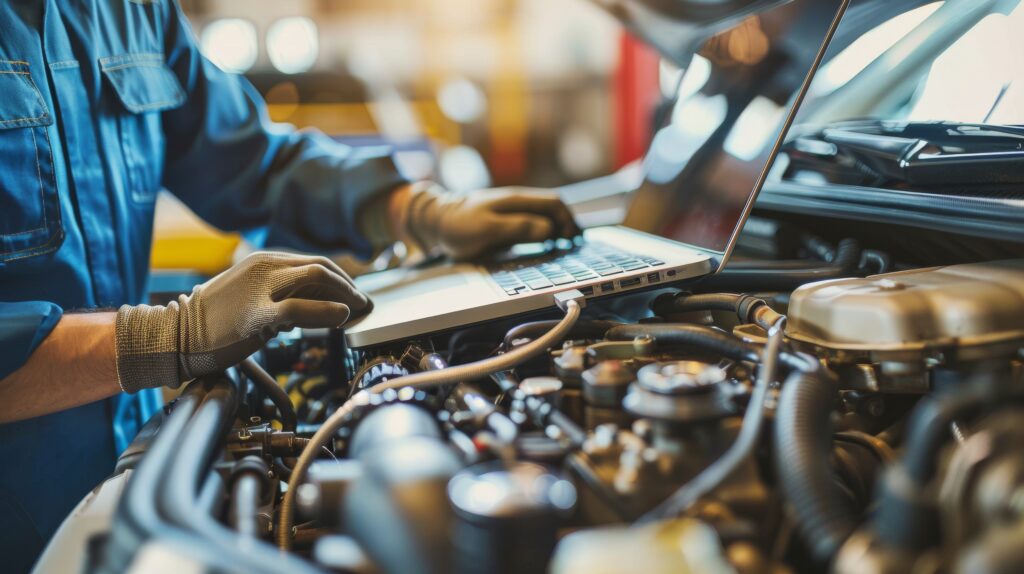
    In many modern import vehicles, the root cause is often the Engine Control Unit (ECU)—the system responsible for managing how your engine and related components operate.

    At 10 Degrees Automotive near Ontario, we specialize in ECU diagnostics and programming, helping drivers identify and resolve the true cause of their vehicle issues.


    🧠 What the ECU Controls in Your Vehicle

    The ECU is the central system that manages:

    • Engine performance and efficiency
    • Fuel injection and ignition timing
    • Sensor communication and data processing
    • Emissions system operation

    When the ECU is not functioning correctly, multiple systems can be affected—leading to noticeable performance problems.


    🚨 Common ECU Problems for Ontario Drivers

    If you’re in Ontario and experiencing any of the following, your ECU may be the issue:

    • Check engine light that won’t go away
    • Rough idle or engine hesitation
    • Reduced fuel efficiency
    • Loss of power or delayed acceleration
    • Problems after recent repairs
    • Recurring or unclear diagnostic codes

    These symptoms are often linked to ECU programming errors, outdated data, or communication failures.


    ⚙️ When ECU Programming Is Needed

    Your vehicle may require ECU programming after:

    • Replacing sensors or engine components
    • Battery replacement or voltage interruptions
    • Software glitches or failed updates
    • Clearing codes without proper recalibration

    Without proper ECU programming, your vehicle may continue to operate incorrectly—even if all parts are functioning properly.


    🔧 Our ECU Diagnostic & Programming Process

    At 10 Degrees Automotive, we follow a precise ECU-focused process:

    • Complete ECU scan and fault code analysis
    • Identification of incorrect or outdated ECU data
    • ECU programming and software updates
    • Relearn and calibration procedures
    • Final system verification

    This ensures your vehicle runs smoothly and performs as designed.


    💡 Avoid Misdiagnosis and Repeat Repairs

    Many drivers in Ontario spend money replacing parts that don’t solve the issue because the ECU was never properly diagnosed.

    We help eliminate:

    • Guesswork
    • Repeat repair visits
    • Unnecessary costs

    By focusing on the ECU, we get to the real solution faster.


    🚘 Import ECU Specialists Near Ontario

    We specialize in import ECU systems, including:

    • BMW ECU diagnostics and programming
    • Mercedes ECU repair and coding
    • Audi ECU calibration
    • Toyota, Lexus, and Honda ECU services

    This expertise allows us to diagnose and repair ECU issues that general repair shops may miss.


    📍 Serving Ontario and Surrounding Areas

    We proudly provide ECU diagnostics and programming near Ontario, including:

    • Ontario
    • Eastvale
    • Corona
    • Norco
    • Jurupa Valley
    • Chino

    If you’re searching for ECU programming near Ontario, we’re ready to help.


    📞 Get Your Vehicle Running Right Again

    If your vehicle isn’t performing the way it should, the ECU may be the missing piece.

    Call 10 Degrees Automotive at 951.414.9423 today for expert ECU diagnostics and programming near Ontario and surrounding cities.

    Let’s get your vehicle back to peak performance.

  • 📍 ECU Specialists in Chino for Import Vehicle Diagnostics & Programming

    By 10 Degrees Automotive | Eastvale | 951.414.9423

    ECU Specialists in Chino for Import Vehicle Diagnostics & Programming

    🚗 Looking for ECU Specialists in Chino?

    If your vehicle is dealing with persistent warning lights, performance issues, or problems that haven’t been resolved after repairs, the issue may not be mechanical—it may be your Engine Control Unit (ECU).

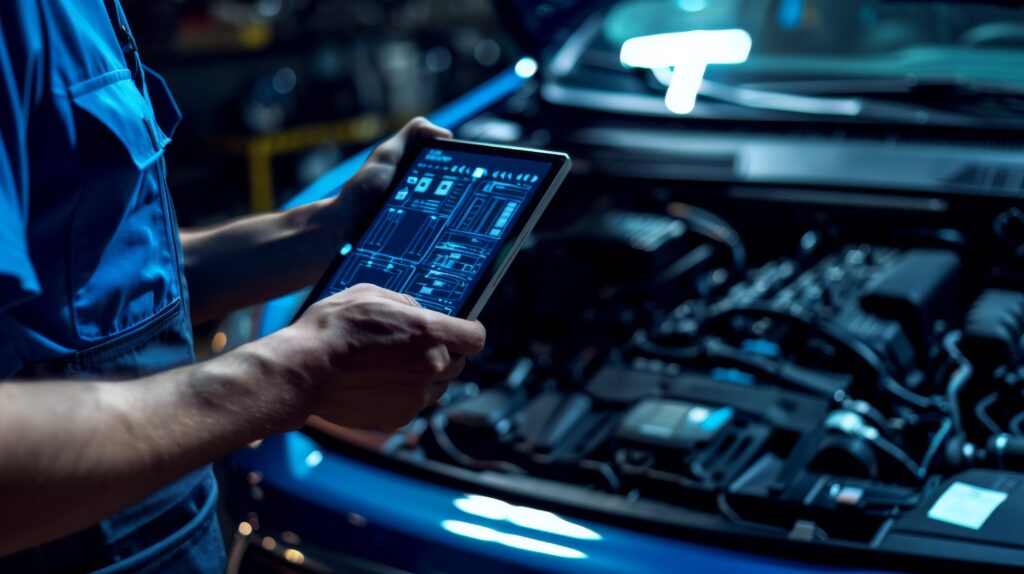
    Modern import vehicles rely heavily on ECU systems to control engine performance, efficiency, and communication between components.

    At 10 Degrees Automotive near Chino, we specialize in ECU diagnostics and programming, helping drivers get accurate answers and reliable solutions.


    🧠 Why the ECU Is Critical to Your Vehicle

    Your ECU controls essential systems such as:

    • Engine performance and responsiveness
    • Fuel injection and ignition timing
    • Sensor communication and data processing
    • Emissions system operation

    When the ECU isn’t functioning correctly, these systems can become misaligned—leading to noticeable issues.


    🚨 Common ECU Issues for Chino Drivers

    If you’re in Chino and experiencing any of the following, your ECU may be the cause:

    • Check engine light that won’t go away
    • Rough idle or engine hesitation
    • Poor fuel efficiency
    • Loss of power or sluggish acceleration
    • Problems after recent repairs
    • Recurring or unclear fault codes

    These symptoms are often linked to ECU programming errors, outdated data, or communication failures.


    ⚙️ When ECU Diagnostics & Programming Are Needed

    Many ECU-related problems arise after:

    • Sensor or engine component replacement
    • Battery replacement or voltage interruptions
    • Software glitches or failed updates
    • Clearing codes without proper recalibration

    Without proper ECU programming, your vehicle may continue operating incorrectly—even if all parts are functioning properly.


    🔧 Our ECU Diagnostic & Programming Process

    At 10 Degrees Automotive, we take a precise and focused approach:

    • Complete ECU scan and fault code analysis
    • Identification of incorrect or outdated ECU data
    • ECU programming and software updates
    • Relearn and calibration procedures
    • Final system verification

    This ensures your vehicle runs smoothly and reliably.


    💡 Avoid Guesswork and Unnecessary Repairs

    Many drivers in Chino spend money replacing parts that don’t fix the issue because the ECU was never properly diagnosed.

    We help eliminate:

    • Guesswork
    • Repeat repair visits
    • Unnecessary costs

    By focusing on the ECU first, we get to the real solution faster.


    🚘 Import ECU Specialists You Can Trust

    We specialize in import ECU systems, including:

    • BMW ECU diagnostics and programming
    • Mercedes ECU repair and coding
    • Audi ECU calibration
    • Toyota, Lexus, and Honda ECU services

    This allows us to diagnose and repair ECU issues that general repair shops may overlook.


    📍 Serving Chino and Surrounding Areas

    We proudly provide ECU diagnostics and programming near Chino, including:

    • Chino
    • Eastvale
    • Corona
    • Norco
    • Jurupa Valley
    • Ontario

    If you’re searching for ECU specialists near Chino, we’re just a short drive away.


    📞 Get Expert ECU Service Today

    If your vehicle isn’t running the way it should, don’t guess—get expert ECU diagnostics.

    Call 10 Degrees Automotive at 951.414.9423 today for professional ECU programming and diagnostics near Chino and surrounding cities.

    Let’s get your vehicle back to peak performance.

  • 📍 ECU Repair & Programming in Jurupa Valley for Import Vehicles

    By 10 Degrees Automotive | Eastvale | 951.414.9423

    ECU Repair & Programming in Jurupa Valley for Import Vehicles

    🚗 Vehicle Issues in Jurupa Valley? The ECU May Be the Cause

    If your vehicle is experiencing ongoing performance issues, warning lights, or problems that persist even after repairs, the root cause may not be mechanical.

    In many modern import vehicles, these problems trace back to the Engine Control Unit (ECU)—the system responsible for managing your vehicle’s core functions.

    At 10 Degrees Automotive near Jurupa Valley, we specialize in ECU diagnostics, repair, and programming, helping drivers get accurate answers and lasting solutions.


    🧠 What the ECU Controls in Your Vehicle

    Your ECU plays a central role in how your vehicle operates, including:

    • Engine performance and power delivery
    • Fuel injection and ignition timing
    • Sensor communication and system coordination
    • Emissions system control

    When the ECU isn’t functioning correctly, multiple systems can be affected at once.


    🚨 Common ECU Problems for Jurupa Valley Drivers

    If you’re in Jurupa Valley and noticing any of the following, your ECU may be the issue:

    • Check engine light that won’t turn off
    • Rough idle or inconsistent engine performance
    • Poor fuel economy
    • Loss of power or hesitation
    • Issues after recent repairs
    • Recurring or confusing diagnostic codes

    These symptoms are often linked to ECU programming errors, software faults, or internal ECU failure.


    ⚙️ When ECU Repair or Programming Is Needed

    Your vehicle may require ECU repair or programming after:

    • Electrical or wiring issues
    • Voltage spikes or battery problems
    • Failed or corrupted software updates
    • Component replacements without recalibration
    • Ongoing issues that haven’t been resolved

    Proper ECU service ensures your vehicle operates with accurate data and correct system communication.


    🔧 Our ECU Repair & Programming Process

    At 10 Degrees Automotive, we take a precise ECU-focused approach:

    • Complete ECU diagnostic scan and fault analysis
    • Inspection of ECU communication and system integrity
    • Identification of software or hardware-related issues
    • ECU repair, reprogramming, or updates as needed
    • Final testing to ensure proper performance

    This process ensures your vehicle runs reliably and efficiently.


    💡 Avoid Unnecessary Repairs and Costs

    Many drivers in Jurupa Valley replace parts that don’t fix the problem because the ECU was never properly diagnosed.

    We help eliminate:

    • Misdiagnosis
    • Repeat repair visits
    • Unnecessary expenses

    By focusing on the ECU first, we get to the root cause quickly.


    🚘 Import ECU Specialists Near Jurupa Valley

    We specialize in import ECU systems, including:

    • BMW ECU diagnostics and repair
    • Mercedes ECU programming and coding
    • Audi ECU calibration
    • Toyota, Lexus, and Honda ECU services

    Our focused expertise allows us to diagnose issues that general repair shops may overlook.


    📍 Serving Jurupa Valley and Surrounding Areas

    We proudly provide ECU repair and programming near Jurupa Valley, including:

    • Jurupa Valley
    • Eastvale
    • Corona
    • Norco
    • Chino
    • Ontario

    If you’re searching for ECU repair near Jurupa Valley, we’re ready to help.


    📞 Get Your Vehicle Running Right Again

    If your vehicle isn’t performing the way it should, the ECU may be the missing piece.

    Call 10 Degrees Automotive at 951.414.9423 today for expert ECU repair and programming near Jurupa Valley and surrounding cities.

    Let’s get your vehicle back to peak performance.

  • 📍 ECU Diagnostics & Programming in Norco for Import Vehicles

    By 10 Degrees Automotive | Eastvale | 951.414.9423

    ECU Diagnostics & Programming in Norco for Import Vehicles

    🚗 ECU Problems in Norco? The Issue May Not Be Mechanical

    If your vehicle isn’t running right—whether it’s a persistent check engine light, poor performance, or issues after repairs—the problem may not be mechanical at all.

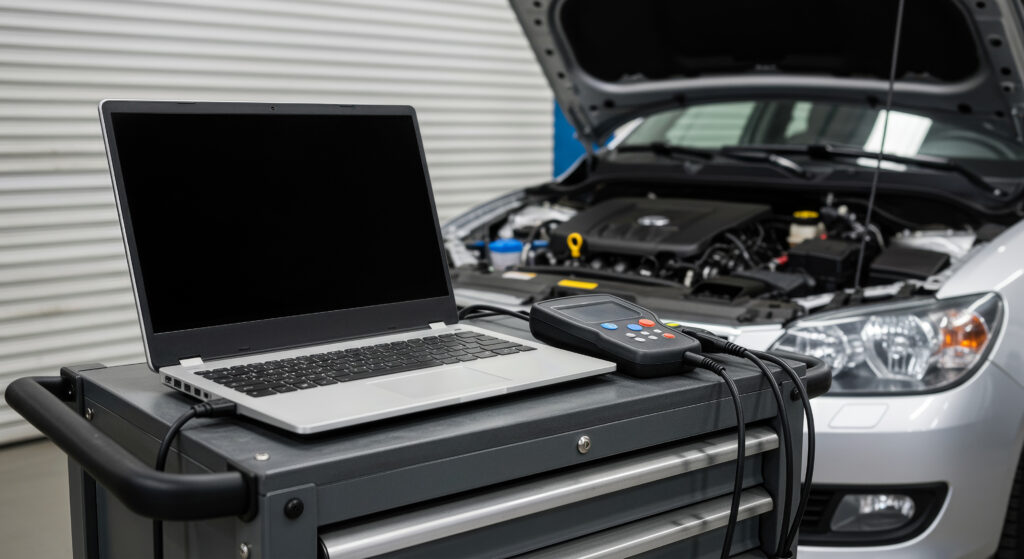
    In many modern import vehicles, the real issue lies in the Engine Control Unit (ECU).

    At 10 Degrees Automotive near Norco, we specialize in ECU diagnostics and programming, helping drivers identify and fix the true cause of their vehicle problems.


    🧠 What the ECU Controls in Your Vehicle

    Your ECU acts as the brain of your car, controlling:

    • Engine performance and responsiveness
    • Fuel injection and ignition timing
    • Sensor communication and data processing
    • Emissions system operation

    When the ECU isn’t functioning correctly, these systems can become unbalanced—leading to noticeable issues.


    🚨 Common ECU Issues for Norco Drivers

    If you’re in Norco and experiencing any of the following, your ECU may be the root cause:

    • Check engine light that won’t go away
    • Rough idle or engine hesitation
    • Reduced fuel efficiency
    • Loss of power or delayed acceleration
    • Problems after recent repairs
    • Recurring or unclear diagnostic codes

    These symptoms are often caused by ECU programming errors, outdated data, or communication failures.


    ⚙️ When ECU Programming Is Necessary

    Many ECU-related issues arise after:

    • Sensor or engine component replacement
    • Battery replacement or voltage disruptions
    • Software glitches or failed updates
    • Clearing codes without proper recalibration

    Without proper ECU programming, your vehicle may continue operating with incorrect settings—even if all parts are functioning properly.


    🔧 Our ECU Diagnostic & Programming Process

    At 10 Degrees Automotive, we take a detailed ECU-focused approach:

    • Complete ECU scan and fault code analysis
    • Identification of incorrect or outdated ECU data
    • ECU programming and software updates
    • Relearn and calibration procedures
    • Final verification for proper operation

    This ensures your vehicle runs smoothly and reliably.


    💡 Avoid Misdiagnosis and Wasted Repairs

    Many drivers in Norco spend time and money replacing parts that don’t fix the issue.

    Why? Because the ECU was never properly diagnosed.

    We help eliminate:

    • Guesswork
    • Repeat repair visits
    • Unnecessary costs

    By focusing on the ECU first, we get to the real solution faster.


    🚘 Import ECU Specialists Near Norco

    We specialize in import ECU systems, including:

    • BMW ECU diagnostics and programming
    • Mercedes ECU repair and coding
    • Audi ECU calibration
    • Toyota, Lexus, and Honda ECU services

    Our focused expertise allows us to identify ECU issues that general repair shops often miss.


    📍 Serving Norco and Surrounding Areas

    We proudly provide ECU diagnostics and programming near Norco, including:

    • Norco
    • Eastvale
    • Corona
    • Jurupa Valley
    • Chino
    • Ontario

    If you’re searching for ECU diagnostics near Norco, we’re just a short drive away.


    📞 Get the Right Diagnosis the First Time

    If your vehicle isn’t running the way it should, don’t guess—diagnose it properly.

    Call 10 Degrees Automotive at 951.414.9423 today for expert ECU diagnostics and programming near Norco and surrounding cities.

    Let’s get your vehicle back to peak performance.
  • 📍 ECU Programming Services in Corona for Import Vehicles

    By 10 Degrees Automotive | Eastvale | 951.414.9423

    ECU Programming Services in Corona for Import Vehicles

    🚗 ECU Issues in Corona? It’s More Common Than You Think

    If you’re driving an import vehicle in Corona and dealing with performance issues, warning lights, or unresolved problems after repairs, the issue may not be mechanical—it may be your Engine Control Unit (ECU).

    Modern vehicles rely heavily on ECU systems to control performance, efficiency, and communication between components.

    At 10 Degrees Automotive near Corona, we specialize in ECU diagnostics and programming for import vehicles, helping drivers get accurate answers and lasting solutions.


    🧠 What Your ECU Is Responsible For

    Your vehicle’s ECU controls critical systems such as:

    • Engine performance and power delivery
    • Fuel injection and air-fuel ratios
    • Ignition timing
    • Sensor data processing
    • Emissions system regulation

    When the ECU isn’t functioning correctly, these systems can fall out of sync—leading to noticeable issues.


    🚨 Common ECU-Related Problems in Corona Drivers

    If you’re in Corona and experiencing any of the following, your ECU may be the cause:

    • Check engine light that won’t go away
    • Rough idle or engine hesitation
    • Poor fuel efficiency
    • Loss of power or sluggish acceleration
    • Issues after repairs that weren’t resolved
    • Recurring or confusing fault codes

    These problems are often tied to ECU programming errors, outdated data, or communication failures.


    ⚙️ When ECU Programming Is Needed

    Many drivers don’t realize that ECU programming is required after:

    • Replacing sensors or engine components
    • Battery replacement or electrical interruptions
    • Software glitches or failed updates
    • Clearing codes without proper recalibration

    Without proper ECU programming, your vehicle may continue to run incorrectly—even if the parts are fine.


    🔧 Our ECU Programming Process

    At 10 Degrees Automotive, we take a precise and focused approach:

    • Full ECU diagnostic scan and analysis
    • Identification of incorrect or outdated ECU data
    • ECU programming and software updates
    • Relearn and calibration procedures
    • Final verification for proper performance

    This ensures your vehicle operates the way it was designed to.


    💡 Avoid Guesswork and Unnecessary Repairs

    Many drivers in Corona spend money replacing parts that don’t fix the problem.

    Why? Because the ECU was never properly diagnosed or programmed.

    We help eliminate:

    • Misdiagnosis
    • Repeat repair visits
    • Unnecessary expenses

    🚘 Import ECU Specialists Near Corona

    We specialize in import ECU systems, including:

    • BMW ECU diagnostics and programming
    • Mercedes ECU repair and coding
    • Audi ECU calibration
    • Toyota, Lexus, and Honda ECU services

    Our focused expertise allows us to solve ECU issues that general repair shops may miss.


    📍 Serving Corona and Surrounding Areas

    We proudly provide ECU diagnostics and programming near Corona, including:

    • Corona
    • Eastvale
    • Norco
    • Jurupa Valley
    • Chino
    • Ontario

    If you’re searching for ECU programming near Corona, we’re just minutes away.


    📞 Get Your Vehicle Running Right Again

    If your vehicle isn’t performing the way it should, the ECU may be the missing piece.

    Call 10 Degrees Automotive at 951.414.9423 today for expert ECU programming near Corona and surrounding cities.

    Let’s get your vehicle back to peak performance.


  • 🚗 Honda ECU Diagnostics & Programming in Eastvale

    By 10 Degrees Automotive | Eastvale | 951.414.9423

    Honda ECU Diagnostics & Programming in Eastvale

    🧠 Honda Reliability Still Depends on a Healthy ECU

    Honda vehicles are known for efficiency, durability, and long-term reliability—but like all modern vehicles, they depend heavily on the Engine Control Unit (ECU).

    When the ECU isn’t functioning properly, even a dependable Honda can develop performance issues, warning lights, and drivability problems.

    At 10 Degrees Automotive in Eastvale, we specialize in Honda ECU diagnostics and programming, helping drivers resolve issues quickly and accurately.


    🔍 Why Honda ECU Systems Still Require Expert Attention

    While Honda systems are known for reliability, they still rely on precise ECU control for:

    • Fuel management
    • Ignition timing
    • Sensor communication
    • Emissions regulation

    Even small ECU errors or outdated data can lead to noticeable performance issues.

    That’s why accurate ECU diagnostics and programming are essential.


    🚨 Common Honda ECU-Related Issues

    If you’re driving a Honda in Eastvale or nearby areas and notice any of the following, your ECU may be the root cause:

    • Check engine light that won’t go away
    • Rough idle or engine hesitation
    • Reduced fuel efficiency
    • Delayed throttle response
    • Issues after battery replacement
    • Persistent or unclear fault codes

    These symptoms are often tied to ECU calibration issues, software errors, or communication problems.


    ⚙️ When Honda ECU Programming Is Needed

    Your Honda may require ECU programming or recalibration after:

    • Replacing sensors or engine components
    • Battery replacement or electrical interruptions
    • Clearing codes without proper reset procedures
    • Ongoing issues after repairs

    Without proper ECU recalibration, your vehicle may continue operating with incorrect data.


    🔧 Our Honda ECU Diagnostic Process

    At 10 Degrees Automotive, we focus on precision and accuracy:

    • Full ECU diagnostic scan and code analysis
    • Identification of incorrect or outdated ECU data
    • ECU reset and relearn procedures
    • Software updates when necessary
    • Final system verification

    This ensures your Honda runs smoothly and efficiently.


    💡 Avoid Repeat Issues and Unnecessary Repairs

    Many Honda owners experience ongoing issues because the ECU was never properly reset or programmed after a repair.

    Proper ECU service helps eliminate:

    • Recurring warning lights
    • Performance inconsistencies
    • Unnecessary parts replacement

    Getting the ECU right means getting the repair right.


    🚘 Import ECU Specialists for Honda Vehicles

    We specialize in import ECU systems, including:

    • Honda ECU diagnostics
    • ECU programming and resets
    • Resolving performance and communication issues

    This allows us to diagnose and fix problems that general repair shops may miss.


    📍 Serving Eastvale and Surrounding Cities

    We proudly offer Honda ECU diagnostics and programming for drivers in:

    • Eastvale
    • Corona
    • Norco
    • Jurupa Valley
    • Chino
    • Ontario

    If you’re searching for Honda ECU programming near you, we’re ready to help.


    📞 Keep Your Honda Running Like It Should

    Honda vehicles are built for reliability—but only when the ECU is functioning properly.

    Call 10 Degrees Automotive at 951.414.9423 today for expert Honda ECU diagnostics and programming in Eastvale and surrounding cities.

    Let’s get your vehicle running right again.