
By 10 Degrees Automotive
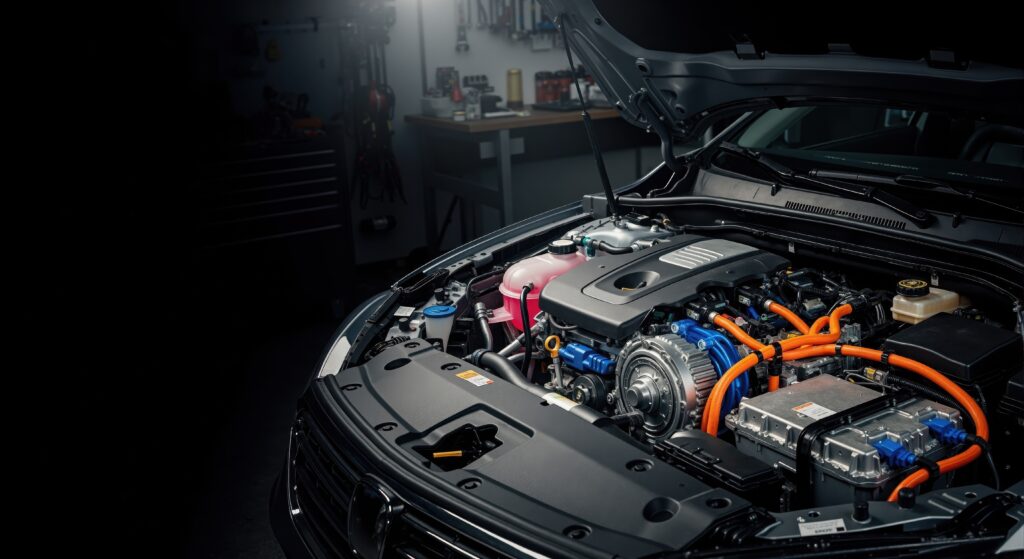
Many drivers in Corona assume that hybrid vehicles require far less maintenance than traditional gas-powered cars. This perception often comes from the belief that because hybrids rely partly on electric power, they experience lower levels of engine strain and fuel usage.
For example, hybrid systems contain high-voltage battery packs that must be regularly monitored to ensure proper operation. These batteries, though designed to last many years, can degrade over time if not maintained correctly or if the vehicle is operated in extreme temperatures. Additionally, hybrid vehicles rely on complex electrical systems that require specialized diagnostic equipment and technicians trained in hybrid technology.
Another important aspect often missed by drivers is the cooling system associated with hybrid batteries and power electronics. Dust, debris, or clogged filters can impair cooling efficiency, leading to reduced performance or even costly damage. Regular inspection of these systems is crucial to prevent such issues. Moreover, while brake pads in hybrids tend to last longer due to regenerative braking, the braking system still requires periodic checks to ensure hydraulic components and sensors remain in good condition.
Understanding the differences between hybrid maintenance and gas vehicle maintenance is critical to avoiding costly repairs.
⚡ Key Differences in Powertrain Design
Gas vehicles rely solely on:
- An engine
- Transmission
- Mechanical braking
Hybrid vehicles rely on:
- Engine + electric motor
- High-voltage battery
- Regenerative braking
- Complex software systems
This difference means maintenance procedures must be tailored specifically to hybrid platforms.
🛠️ Reduced Wear—But Higher Complexity
Hybrids may experience:
- Less brake wear due to regenerative braking
- Reduced engine strain
However, they also introduce:
- Electrical system complexity
- Software dependency
- High-voltage safety risks
Routine hybrid vehicle service must address both mechanical and electrical components.
🔋 Battery and Cooling System Maintenance
Hybrid batteries rely on dedicated cooling systems. When these systems fail, battery life can be dramatically shortened.
Preventative hybrid maintenance in Corona includes:
- Cooling fan inspection
- Air filter cleaning
- Thermal monitoring
Neglecting these services can lead to premature battery failure.
🧠 Software and Diagnostics Matter More Than Ever
Hybrid vehicles depend heavily on software to balance power sources. Even small sensor issues can:
- Reduce MPG
- Trigger warning lights
- Cause drivability issues
Accurate hybrid diagnostics are essential for proper maintenance.
📞 Hybrid Maintenance Experts in Corona
Choosing a shop that understands hybrid-specific maintenance protects your vehicle and your wallet. 10 Degrees Automotive provides expert hybrid maintenance services in Corona you can trust. 📱 Call 951.414.9423 today.
Leave a Reply